
Hear from Our Customers
Port Richmond sits along one of the Philadelphia region’s most documented outdoor air quality burden zones. I-95 runs directly through the neighborhood. The Port Richmond rail yard, the Delaware River industrial corridor, and the daily diesel traffic that passes through Aramingo Avenue all contribute to an outdoor air environment that researchers have directly linked to elevated asthma rates in this community. When the air outside is already compromised, what comes through your vents matters more here than it does almost anywhere else in the Philadelphia area.
Most Port Richmond homes were built before 1939. Many have had forced-air HVAC systems retrofitted into spaces that were never designed for ductwork running through damp basements, behind old plaster walls, through unconditioned cavities where condensation forms and mold colonizes without anyone ever seeing it. By the time you notice a musty smell when the heat kicks on in October, the problem has usually been building for months.
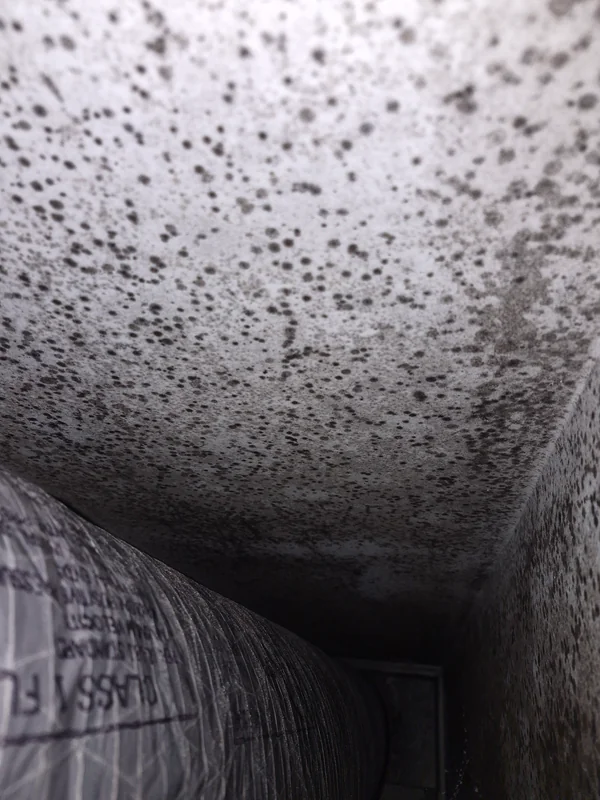
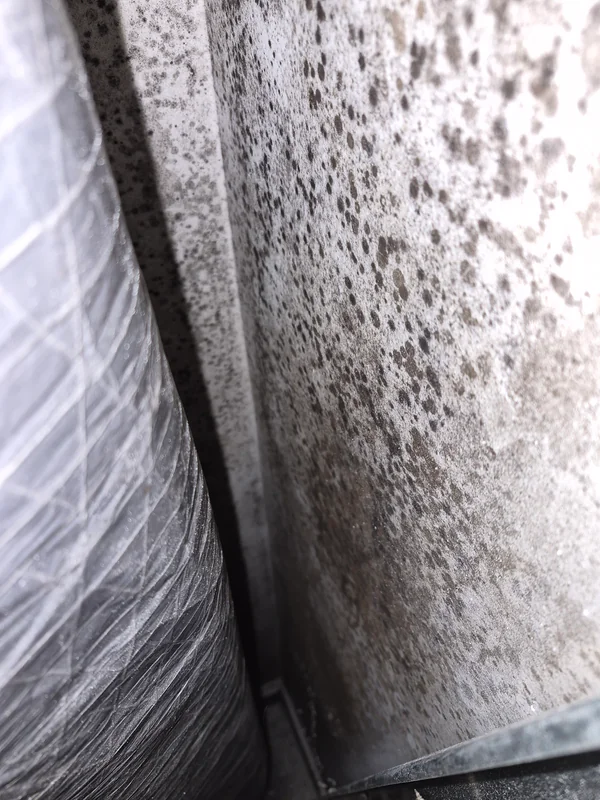
A thorough air duct cleaning done by someone who understands mold, not just dust stops it at the source and gives you documentation that it’s actually gone. That’s the difference between a general duct cleaning company and Mack’s Mold Removal. After the work is done, affected areas are tested to confirm mold levels are within normal limits. You’re not taking anyone’s word for it.
We’ve been doing this work for over 15 years, serving Philadelphia County alongside Bucks, Montgomery, Delaware, and Chester Counties. Port Richmond isn’t a stretch of our service area it’s a core part of it. Our Bensalem base is roughly 15 minutes up I-95 from the Aramingo Avenue interchange, which means genuine same-day and next-day availability, not a four-hour dispatch window.
What sets us apart from a general HVAC cleaning company is the certification behind our work. We employ certified mold inspectors and remediation specialists people who understand how mold moves through a duct system, how to contain it during cleaning so it doesn’t spread to every room, and how to verify through lab testing that the job actually worked. In a neighborhood where the housing stock is old, the basements are damp, and the shared party walls mean a moisture problem can migrate between units, that level of expertise isn’t optional. It’s the whole point.
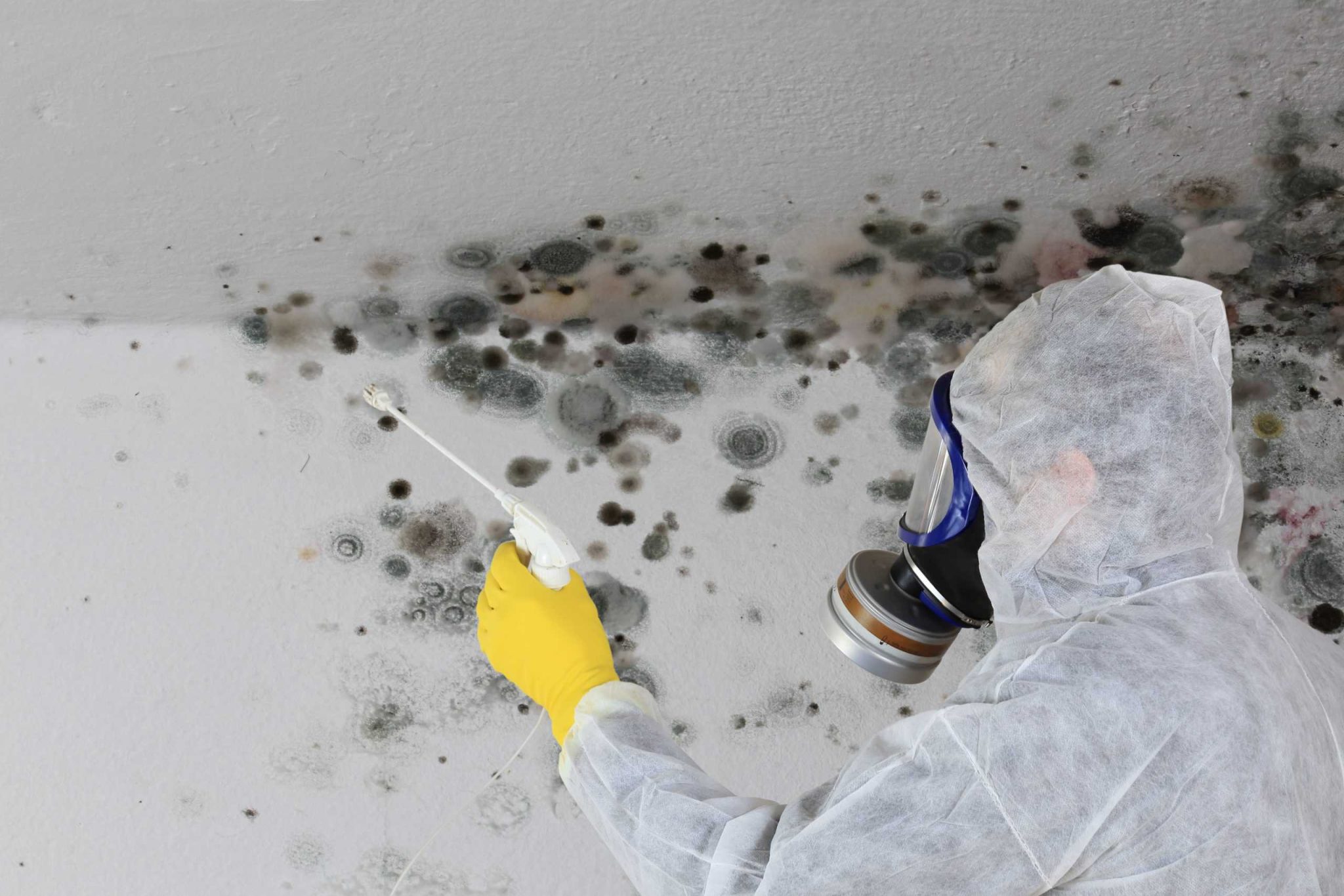
It starts with a free inspection. Before any equipment comes out, we evaluate the duct system what’s in there, where the contamination is concentrated, and whether mold is a factor. In Port Richmond’s pre-1939 row homes, this step matters more than it does in a newer suburban build. Retrofitted ductwork running through damp basements and tight wall cavities can hide mold in sections that look clean at the register. The inspection tells the full story.
Once the scope is clear, you get upfront pricing before any work begins. The number you’re quoted is the number you pay. From there, we use negative-pressure equipment and HEPA filtration the same containment protocols we use in mold remediation to pull debris, dust, and biological material out of the system without pushing it into the living space. In an attached row home where your ductwork shares proximity with a neighbor’s wall cavity, that containment protocol isn’t a formality. It’s what keeps the cleaning from becoming a different kind of problem.
After the job is complete, we test affected areas. If mold was present, you get lab confirmation that it’s been addressed. Most duct cleaning companies clean and leave. We stay accountable to the result. Dryer vent cleaning follows the same process and in a row home where the vent run from the basement to the exterior is longer and bends more than in a detached house, that’s a fire safety issue worth taking seriously.
Ready to get started?
Air duct cleaning removes the physical debris dust, dander, mold spores, construction material, and whatever else has accumulated inside the ductwork over the years. Air duct sanitizing goes a step further, applying antimicrobial treatment to the interior surfaces after mechanical cleaning to address remaining biological contamination. When mold is confirmed in a Port Richmond home’s HVAC system, both steps are typically warranted. Cleaning alone removes the visible problem. Sanitizing addresses what cleaning can’t fully reach.
Dryer vent cleaning is included in the scope of what we handle, and it’s worth understanding why it’s a bigger issue in row homes than in detached houses. The dryer is usually in the basement or a back room, and the vent run to the exterior is often longer and involves more turns than a straight shot to an outside wall. Lint accumulates faster in longer, more tortuous runs, and it’s harder to clear without professional equipment.
The NFPA reports that failure to clean dryer vents is the leading cause of dryer-related house fires more than 15,000 per year nationally. In a row home where your neighbors share your walls, that risk extends beyond your own unit. We work directly with insurance companies when mold in ductwork is part of a larger moisture or water damage claim something that comes up regularly in Port Richmond’s aging housing stock. Financing is available for larger jobs, and the free inspection is always the starting point.

The most common sign is a musty smell that shows up specifically when the HVAC system kicks on not a general basement smell, but something that hits when air starts moving through the vents. Other indicators include worsening allergy or asthma symptoms that don’t have an obvious cause, visible discoloration around vent registers, or a history of basement flooding or pipe leaks in the home.
In Port Richmond’s pre-1939 row homes, moisture intrusion through damp stone basements and aging drainage infrastructure is common enough that mold in the ductwork is a realistic concern, not a remote one. The only way to know for certain is an inspection. We offer free inspections, and the process includes evaluating the interior sections of the duct system not just what’s visible at the register. If mold is found, samples are sent to a lab to identify the type and inform the removal approach. If nothing is found, you have documentation of a clean system, which has its own value when you’re living in a home that’s nearly a century old.
The honest answer is that it depends on what’s in your ducts and why you’re asking. The EPA’s position is nuanced routine cleaning in the absence of a specific problem has unclear benefits. But the EPA explicitly recommends cleaning when mold is confirmed in the duct system, when there’s been a pest or rodent infestation, or when significant debris is blocking airflow.
Those aren’t edge cases in an older Philadelphia neighborhood. They’re relatively common scenarios in homes that are 80 to 100 years old with aging infrastructure. The scam concern is legitimate, though. The industry has a well-documented bait-and-switch problem low-ball offers that turn into aggressive upselling once a technician is inside your home. We protect our customers by providing upfront pricing before any work begins and we don’t change the number after the fact. What you’re told is what you pay. No add-ons you didn’t agree to, no pressure once the equipment is out.
For most homes, the general industry recommendation is every three to five years under normal conditions. But Port Richmond’s housing stock isn’t normal conditions. Pre-1939 brick row homes with retrofitted ductwork, damp basements, and shared party walls create a moisture environment that accelerates biological growth inside duct systems.
Add Philadelphia’s annual precipitation around 47 to 49 inches per year, well above the national average and the humidity levels that regularly exceed 70 percent in summer, and you have a climate that puts consistent pressure on any HVAC system. If your home has had any water intrusion events basement flooding, a pipe leak, even persistent condensation that’s a trigger for inspection regardless of when the last cleaning was done. The same applies if you’ve recently purchased a renovated row home. Gut renovations disturb ductwork, and construction dust and debris that enter the system during demolition don’t clear themselves. A post-purchase inspection is a reasonable starting point for any new owner in Port Richmond, especially if the renovation history isn’t fully documented.
Air duct cleaning is a mechanical process equipment is used to physically remove accumulated debris from inside the ductwork. That includes dust, lint, dander, mold spores, insulation particles, and whatever else has built up over time. The goal is to clear the physical contamination from the system. Done correctly with negative-pressure equipment and HEPA filtration, it removes the material without pushing it into the living space.
Air duct sanitizing is a separate step that applies an antimicrobial treatment to the interior surfaces of the ductwork after mechanical cleaning is complete. The purpose is to address biological contamination that physical removal alone can’t fully eliminate mold spores embedded in duct lining, bacteria, and other microorganisms that survive the cleaning process. When mold has been confirmed in a duct system, sanitizing is the step that makes the cleaning complete rather than just partial. For Port Richmond homeowners dealing with the combination of old ductwork, persistent humidity, and a housing stock that’s prone to moisture intrusion, both steps together are the appropriate standard not one or the other.
Yes, and this is one of the more serious aspects of mold in an HVAC system. Every time the system runs, air moves through the contaminated ductwork and carries mold spores with it distributing them to every room the system serves. What starts as a localized problem in one section of ductwork becomes a whole-house issue over time, affecting bedrooms, living areas, and anywhere else the vents reach.
In Port Richmond’s attached row homes, the concern goes a step further. Shared party walls mean that moisture and mold can migrate between units through wall cavities and shared duct chases. A moisture event in a neighboring unit can create conditions that affect your ductwork, and vice versa. This is part of why proper containment during cleaning matters so much in this type of housing disturbing mold without negative-pressure protocols can spread spores not just through your own home but potentially into adjacent spaces. We use the same containment approach for duct cleaning that’s used in full mold remediation, which is the appropriate standard for this kind of work in an attached housing environment.
Yes, dryer vent cleaning is part of the work we handle, and it’s worth understanding why it’s a more pressing issue in row homes than people typically expect. In a Port Richmond row home, the dryer is usually located in the basement or a back room, which means the vent run to the exterior is longer and involves more bends than in a detached suburban house. Longer runs with more turns accumulate lint significantly faster, and that lint is much harder to clear without professional equipment that can reach the full length of the run.
The fire risk is real and documented. The NFPA reports that dryers are responsible for more than 15,000 home structure fires per year nationally, and failure to clean the vent is the leading cause. In an attached row home where your walls are shared with neighbors, a dryer fire isn’t contained to your unit the way it might be in a detached house. Getting the vent cleaned is a straightforward job when done properly, and it’s the kind of maintenance that tends to get skipped until something goes wrong. If you can’t remember the last time it was done or if you’ve never had it done since moving in that’s reason enough to have it checked.
Other Services we provide in Port Richmond