
Mold Inspection in Cornwells Heights, PA

Find Hidden Mold Before It Costs You Thousands

Advanced mold detection services that identify problems you can’t see—protecting your health, your home value, and your peace of mind.
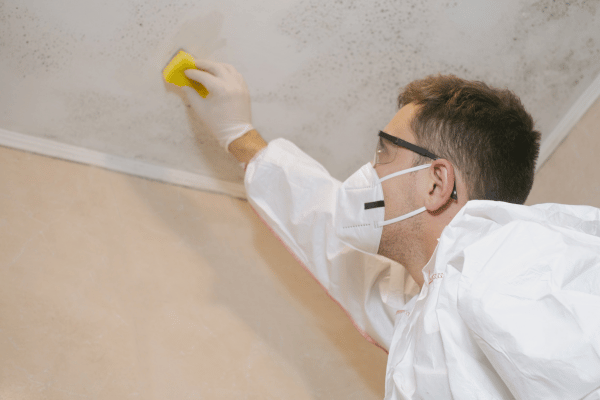
Protective worker in safety suit inspecting or treating mold spots on an indoor ceiling, addressing moisture damage and potential mold growth inside a building.

Hear from Our Customers

Professional Mold Detection in Cornwells Heights

Know Exactly What You're Dealing With

You’re not looking for someone to tell you there’s a problem. You already suspect that. What you need is someone who can tell you how bad it is, where it’s coming from, and what it’s actually going to take to fix it.

A proper home mold inspection does three things. First, it finds mold you can see and mold you can’t—behind walls, under floors, in HVAC systems. Second, it identifies the moisture source feeding the growth, because without fixing that, you’re just cleaning up the same mess twice. Third, it gives you documentation that holds up with insurance companies, real estate transactions, or anyone else who needs proof.

Mold doesn’t wait. It spreads. And the longer it sits, the more expensive remediation becomes. An inspection now means you’re dealing with facts instead of guessing, and you’re catching problems while they’re still manageable.

Licensed Mold Inspectors Serving Bucks County

We Inspect Homes in Cornwells Heights Every Week

We operate throughout Bucks County, and we understand what causes mold problems in this area. Cornwells Heights homes deal with basement moisture, seasonal humidity, and older construction that wasn’t built with modern ventilation standards. We’ve seen it all.

Our inspectors are Pennsylvania-licensed and trained to industry standards. We use thermal imaging, moisture meters, and air sampling equipment—not because it’s impressive, but because it works. Every inspection is documented like it could end up in court, because sometimes it does.

We’re not here to upsell you on services you don’t need. We’re here to tell you what’s actually happening in your home so you can make an informed decision about what to do next.

Protective worker collecting a mold sample from a stained indoor ceiling using a swab, inspecting moisture damage and potential mold growth inside a building.

How Our Mold Inspection Process Works

Here's What Happens During Your Inspection

We start with a full visual assessment of your property. That means checking the obvious spots—bathrooms, basements, crawl spaces—and the less obvious ones, like behind appliances and inside HVAC systems. If you’ve noticed a musty smell but can’t find the source, that’s exactly what we’re trained to locate.

Next, we use moisture detection tools to map out where water is accumulating. Mold needs moisture to grow, so finding wet spots tells us where problems are happening now and where they’re likely to develop. Thermal imaging helps us see temperature differences that indicate hidden leaks or poor insulation.

If we find visible growth or high moisture levels, we’ll take air samples to determine what type of mold is present and how concentrated it is. We compare indoor air quality to outdoor air, because that ratio tells us whether you have an active problem or just normal environmental exposure.

You’ll get a detailed report with photos, moisture readings, lab results if applicable, and clear recommendations. No jargon. No scare tactics. Just the information you need to decide what comes next.

Home interior with mold remediation in progress as a worker sprays treatment on a wall using a ladder, while a resident relaxes on a covered sofa in a renovated living room.

Ready to get started?

Explore More Services

About Mack's Mold Removal

What's Included in a Mold Inspection

You Get More Than Just a Walkthrough

Every mold detection service we provide includes a complete visual inspection of accessible areas in your home. We’re looking for active growth, water stains, discoloration, and conditions that support mold development. We check basements, attics, crawl spaces, bathrooms, kitchens, and anywhere else moisture tends to accumulate.

Moisture mapping is standard. We use calibrated meters to measure moisture levels in walls, floors, and ceilings. In Cornwells Heights, basements are a common problem area due to the water table and older foundation construction. We pay close attention to those spaces because that’s where hidden issues tend to hide.

Air sampling is included when visible mold is present or when you’re experiencing symptoms but can’t locate the source. Lab analysis identifies the mold species and concentration levels, which matters for health concerns and remediation planning. You’ll also receive a written report with photographs, data, and our professional assessment of what’s happening and why.

We explain everything in plain language. If you need remediation, we’ll tell you what that looks like. If you don’t, we’ll tell you that too. The goal is to give you accurate information so you’re not operating on assumptions or worst-case scenarios.

How much does a mold inspection cost in Cornwells Heights?

Most professional mold inspections in the Cornwells Heights area run between $300 and $500, depending on the size of your property and the scope of testing required. That typically includes a full visual inspection, moisture detection, and air sampling if needed.

If you’re buying a home and want a pre-purchase inspection, expect to pay toward the higher end of that range because the assessment is more thorough. If you’re dealing with a specific area—like a basement or bathroom—the cost may be lower.

Some companies offer free inspections, but they’re usually tied to remediation services. We charge for inspections because it keeps the process unbiased. You get an honest assessment, not a sales pitch.

A mold inspection is a visual and physical assessment of your property. An inspector looks for visible mold, checks moisture levels, identifies problem areas, and determines whether you have conditions that support mold growth. It’s the first step, and for many people, it’s all they need.

Mold testing refers specifically to lab analysis—taking air or surface samples and sending them to a lab to identify the type and concentration of mold present. Testing is useful when you can smell mold but can’t see it, when someone in your home is experiencing health symptoms, or when you need documentation for insurance or legal purposes.

Most inspections include testing when it’s warranted. If we find visible growth or high moisture readings, we’ll recommend testing to confirm what we’re dealing with. But testing without an inspection doesn’t tell you where the problem is or how to fix it, so they usually go hand in hand.

You can, but it won’t give you the information you actually need. DIY mold test kits detect the presence of mold spores, which exist in every home. The question isn’t whether mold is there—it’s whether you have an active problem that requires action.

A home mold inspection does more than confirm mold exists. It identifies the type, measures concentration levels, locates the moisture source, and assesses the extent of contamination. Those are the details that determine whether you need remediation or just better ventilation.

DIY kits also don’t come with professional interpretation. You might get a lab result that says “mold detected,” but that doesn’t tell you if it’s a health risk, how it got there, or what to do about it. If you’re concerned enough to test, you’re better off hiring someone who can give you a complete picture and a clear next step.

Most residential mold inspections take between one and three hours, depending on the size of your home and how many areas need attention. A small condo or townhouse might take an hour. A larger single-family home with a basement, attic, and crawl space will take closer to three.

We’re not rushing through it. We’re checking every area where moisture tends to accumulate, taking moisture readings, documenting conditions, and collecting samples if needed. If you’ve had recent water damage or you’re buying a home, expect the inspection to take longer because we’re being more thorough.

You’ll usually receive a preliminary assessment on-site, and a full written report within a few days. If we send samples to a lab, results typically come back within 48 to 72 hours. We’ll walk you through everything we found and answer any questions before we leave.

The most obvious sign is visible mold—black, green, or white patches on walls, ceilings, or floors. But plenty of mold problems aren’t visible, so you need to watch for other indicators.

A persistent musty smell is a red flag, especially if you can’t locate the source. Mold has a distinct odor, and if you’re smelling it, there’s usually growth somewhere nearby. Water stains, discoloration, or peeling paint also suggest moisture problems, which lead to mold.

Health symptoms are another clue. If you or someone in your home is dealing with a stuffy nose, coughing, wheezing, itchy eyes, or respiratory issues that improve when you leave the house, mold exposure could be the cause. Recent water damage—from a leak, flood, or plumbing issue—is also a strong reason to get an inspection, even if you don’t see mold yet. It can start growing within 24 to 48 hours of water exposure.

You’re not legally required to get one, but it’s often a smart move. If a buyer’s inspector finds mold during their walkthrough, it becomes a negotiation point—and you’re dealing with it under pressure, often with limited information.

Getting a black mold inspection before you list the property gives you control. You know what you’re dealing with, you can address any issues on your own timeline, and you’re not caught off guard during closing. If the inspection comes back clean, that’s a selling point.

In Cornwells Heights and throughout Bucks County, buyers are increasingly cautious about mold, especially in older homes with basements. Having documentation from a licensed mold detection company shows you’ve been proactive, and it builds confidence with potential buyers. If there is a problem, you can handle remediation before listing or price the home accordingly with full transparency.

Other Services we provide in Cornwells Heights