
Mold Inspection in Dyerstown, PA

Find Hidden Mold Before It Costs You Thousands

Certified mold detection that protects your family’s health and your property investment—with clear results and honest recommendations you can act on.
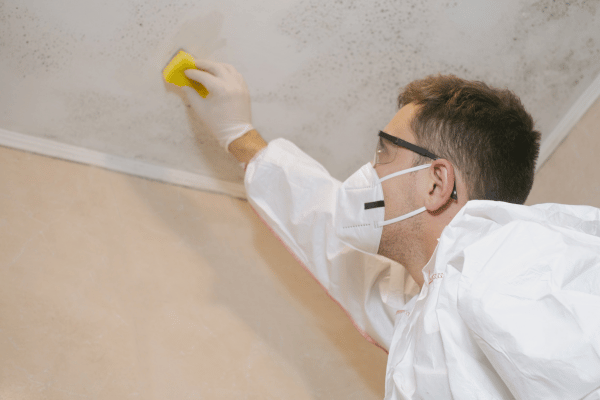
Protective worker in safety suit inspecting or treating mold spots on an indoor ceiling, addressing moisture damage and potential mold growth inside a building.

Hear from Our Customers

Professional Mold Detection in Dyerstown

Know Exactly What's Growing in Your Home

Mold doesn’t always show up where you can see it. It hides behind walls, under floors, in HVAC systems—growing quietly while you’re left wondering why someone in your house keeps coughing or why that musty smell won’t go away.

A professional mold inspection gives you answers. Not guesses, not maybes—actual data about what’s in your air, where moisture is getting in, and what needs to happen next.

Here’s what changes after a proper inspection: you stop wondering if there’s a problem. You know whether that basement smell is just dampness or active mold growth. You have documentation if you’re buying, selling, or filing an insurance claim. And if there is mold, you catch it early—before it spreads into a $10,000 remediation job.

In Dyerstown and throughout Bucks County, humid summers and older homes create perfect conditions for mold. The homes here are worth protecting. A $500 inspection can save you $20,000 in lost property value down the road.

Certified Mold Inspectors Serving Dyerstown

We've Been Inspecting Bucks County Homes for Years

We work with homeowners across Dyerstown, Doylestown Township, and Bucks County who need straight answers about mold. Our inspectors are certified, our equipment is current, and our reports are clear.

We’re not here to upsell you on services you don’t need. We inspect, we test, we tell you what we found—and if remediation is necessary, we explain why.

Dyerstown homes—especially older properties with basements and crawl spaces—face real moisture challenges. We’ve seen it all: sump pump failures, poor ventilation, roof leaks that went unnoticed for months. We know what to look for because we’ve been doing this locally for years, and we understand how homes in this area are built.

Protective worker collecting a mold sample from a stained indoor ceiling using a swab, inspecting moisture damage and potential mold growth inside a building.

Our Mold Inspection Process Explained

Here's What Happens During Your Inspection

First, we walk through your home and talk about what you’ve noticed—smells, stains, health symptoms, water issues. That conversation matters because it tells us where to focus.

Next comes the visual inspection. We check basements, bathrooms, attics, HVAC systems, and anywhere moisture tends to collect. We use moisture meters to find hidden water damage and thermal cameras to spot temperature differences that signal leaks or poor insulation.

Then we collect samples. Air samples tell us what’s floating around that you’re breathing in. Surface samples confirm whether that discoloration is actually mold. We send everything to a certified lab for analysis—no guessing.

Within a few days, you get a full report. It shows what we found, where the moisture is coming from, and what steps make sense next. If there’s mold, we explain the scope. If there’s not, you have documentation proving your home is clear—helpful for buyers, sellers, or anyone who just wants peace of mind.

Home interior with mold remediation in progress as a worker sprays treatment on a wall using a ladder, while a resident relaxes on a covered sofa in a renovated living room.

Ready to get started?

Explore More Services

About Mack's Mold Removal

What's Included in Our Mold Inspection

You Get More Than Just a Walkthrough

Every mold inspection we do includes a full visual assessment of your property, moisture detection using professional-grade meters, and air quality testing to measure mold spore levels. We also inspect your HVAC system and plumbing for hidden leaks—two of the most common culprits behind mold growth in Bucks County homes.

Surface sampling is included when we find visible growth or suspicious staining. Lab analysis confirms the type of mold and concentration levels, which helps determine whether remediation is urgent or just recommended.

You also get a written report that breaks down our findings in plain language. No jargon, no scare tactics—just clear information about what’s happening in your home and what your options are. If moisture issues are feeding the problem, we identify the source so it can be fixed properly.

In Dyerstown, where home values average over $700,000, this kind of documentation protects your investment. It’s also required by most buyers during real estate transactions if mold is suspected. Whether you’re preparing to sell, dealing with a leak, or just want to know what you’re breathing, a certified inspection gives you the full picture.

How much does a mold inspection cost in Dyerstown, PA?

Most mold inspections in Dyerstown run between $300 and $700, depending on the size of your home and how many samples we need to collect. A typical inspection for a single-family home with a basement usually falls around $400 to $500.

That includes the visual inspection, moisture detection, air sampling, and lab analysis. If we need to take additional surface samples or test multiple areas, the cost goes up slightly—but we’ll talk through that before we do anything.

Some companies offer cheaper inspections, but they’re often tied to remediation upsells. We don’t do that. Our job is to give you accurate information, not to sell you a service you may not need. If your home is clear, we’ll tell you. If it’s not, you’ll know exactly what you’re dealing with and what it’ll take to fix it.

Musty odors are the most common sign—especially in basements, bathrooms, or areas that stay damp. If you smell it but can’t see it, there’s a good chance mold is growing somewhere hidden.

Visible discoloration on walls, ceilings, or around windows is another red flag. So are water stains, peeling paint, or warping in wood or drywall. These all point to moisture problems, and where there’s moisture, mold usually follows.

Health symptoms matter too. If someone in your home has unexplained respiratory issues, allergies, or skin irritation that gets better when they leave the house, mold exposure could be the cause. And if you’ve had any kind of water damage—leaks, flooding, roof issues—it’s worth getting an inspection even if you don’t see mold yet. It can start growing within 24 to 48 hours of water exposure.

You can, but most DIY kits don’t give you useful information. They’ll tell you mold is present—which is true in almost every home—but they won’t tell you what kind, how much, or whether it’s actually a problem.

Mold spores exist everywhere. The question isn’t whether they’re in your house, it’s whether they’re growing at levels that pose a health risk or indicate a moisture issue. DIY kits can’t answer that.

A lot of homeowners spend $100 to $200 on DIY tests, get vague or confusing results, and then call us anyway. At that point, they’ve spent money twice. A certified inspection gives you lab-analyzed data, a moisture assessment, and a clear explanation of what’s happening—all in one visit. If you’re serious about knowing whether you have a mold problem, a professional inspection is the only way to get a real answer.

Most inspections take between one and two hours, depending on the size of your home and how many areas we’re testing. Smaller homes or condos might be closer to an hour. Larger homes with basements, attics, and crawl spaces can take a bit longer.

We’re not rushing through it. We’re checking everywhere moisture could be hiding—under sinks, around windows, in HVAC ducts, behind appliances. We’re also taking time to explain what we’re doing and answer any questions while we’re there.

After the inspection, samples go to the lab. Results usually come back within three to five business days. Once we have them, we’ll walk you through the report and talk about next steps if anything needs attention. The whole process from start to finish typically wraps up within a week.

If we find mold, the first thing we do is figure out how bad it is. Not all mold requires full remediation. Sometimes it’s a small area that can be cleaned and monitored. Other times, it’s widespread and needs professional removal.

Our report will tell you what type of mold we found, where it’s growing, and what’s causing it—usually a moisture problem that needs to be fixed. We’ll also give you a scope of work: what needs to happen to remove the mold safely and prevent it from coming back.

If remediation is necessary, we handle that too. But we’re not going to push services you don’t need. If it’s minor and you can address it yourself, we’ll tell you. If it’s serious—like black mold in your HVAC system—we’ll explain why professional removal matters and what’s involved. The goal is to give you enough information to make a smart decision about your home and your family’s health.

It’s not required, but it’s smart—especially in Bucks County, where buyers are paying top dollar and doing thorough inspections. If a buyer’s inspector finds mold, it can kill the deal or force you into last-minute negotiations that cost you more than an upfront inspection would have.

Getting your own mold inspection before listing gives you control. If there’s an issue, you can fix it on your timeline and your budget. If your home is clear, you have documentation to show buyers, which builds confidence and can speed up the sale.

Mold is one of the most common deal-breakers in real estate here. Buyers see it as a red flag—even if it’s minor—because it suggests bigger moisture problems. A pre-listing inspection removes that uncertainty. It shows you’ve taken care of your home, and it protects you from surprises that could derail closing. In a market where homes are worth $700,000+, that peace of mind is worth the investment.

Other Services we provide in Dyerstown