
Hear from Our Customers
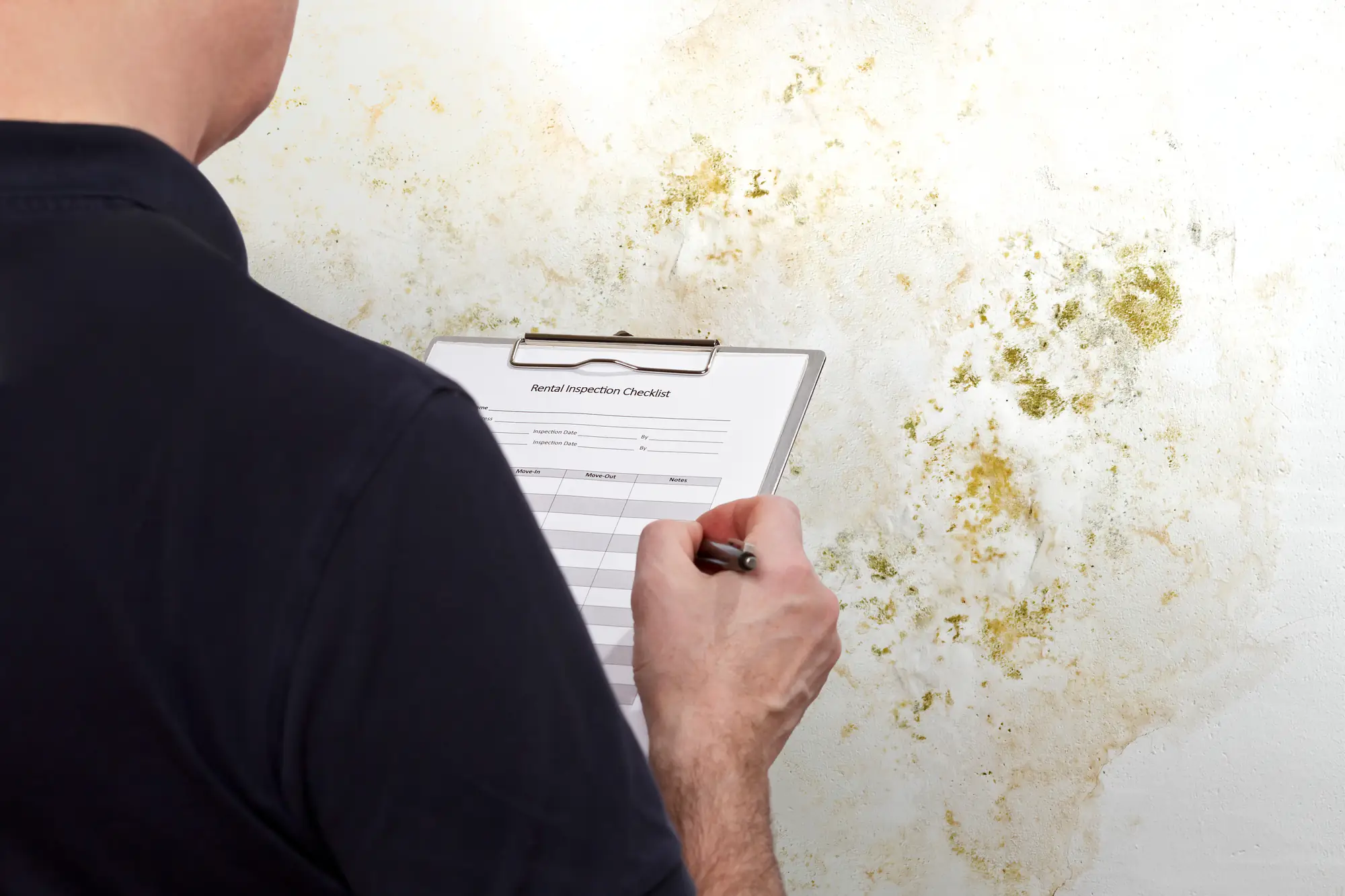
You’re not looking for someone to tell you mold “might” be there. You need to know if it is, where it’s hiding, and how bad the situation actually is.
That’s what a real mold inspection does. It goes beyond what you can see on your bathroom ceiling or basement wall. Thermal imaging picks up moisture trapped behind drywall. Air sampling catches spores you’re breathing but can’t spot. Surface testing identifies whether that dark patch is toxic black mold or just dirt.
You get a same-day report that breaks down what was found, where it’s growing, and what’s feeding it. No guessing. No upselling. Just the facts you need to make a smart decision about your Ridge Valley home—whether that means fixing a leak, improving ventilation, or bringing in a remediation crew.
We’ve been serving Bucks County homeowners for years, with over 2,000 standalone mold inspections completed. We’re InterNACHI-certified as both Home Inspectors and Mold Inspectors, and we’ve spent 24 years in the construction industry—12 of those as a construction supervisor on over 1,000 homes.
That background matters in Ridge Valley. We know how homes here are built. We understand how Bucks County’s humid summers and damp winters create the perfect conditions for mold growth in crawl spaces, attics, and behind finished basements.
We don’t do mold removal. That’s intentional. It means our testing results aren’t influenced by whether you hire us for the next step. You get an unbiased assessment from someone who knows what to look for and how to explain it clearly.
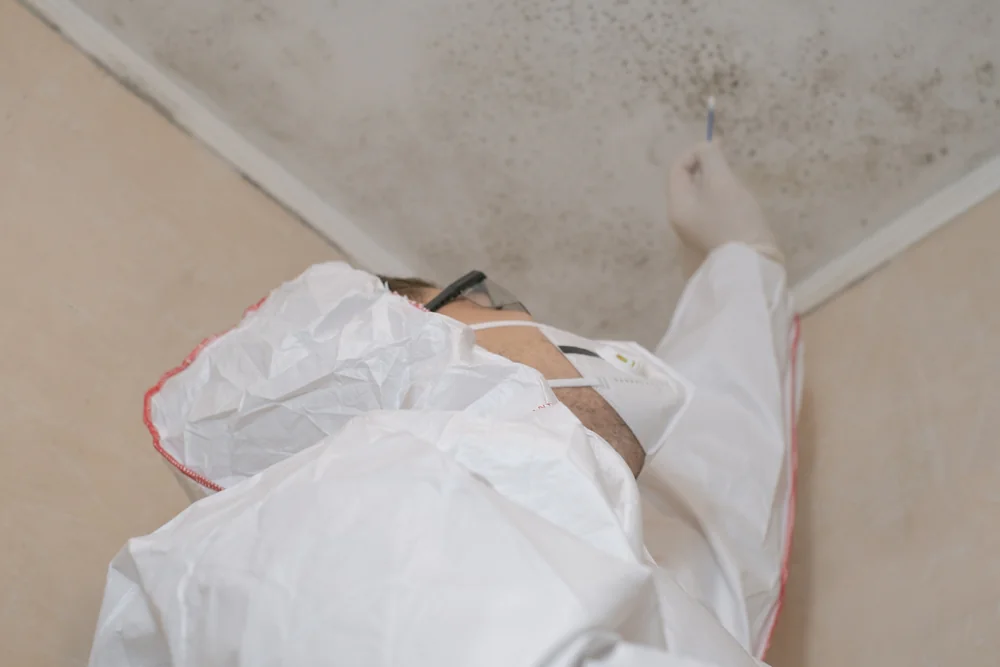
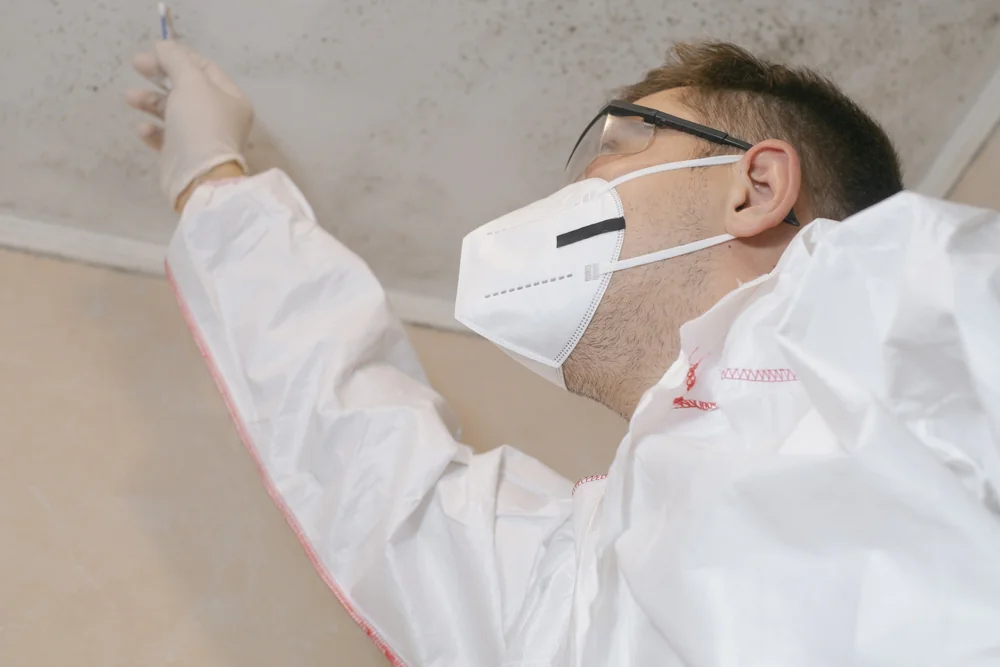
First, we walk through your home and check the usual trouble spots—basements, bathrooms, attics, crawl spaces, HVAC systems. But we’re also looking for the stuff most people miss: discoloration behind furniture, musty smells near windows, soft spots in drywall.
Then we bring out the tools. Thermal imaging shows us where moisture is hiding. Moisture meters tell us if materials are wet enough to support mold growth. If we find visible growth or suspect hidden contamination, we take air and surface samples.
Those samples go to a third-party accredited lab. You’re not waiting a week for results—most reports come back the same day. The report tells you what types of mold are present, the concentration levels, and where the moisture is coming from. We also walk you through what it all means and what your options are. If there’s a leak feeding the problem, we’ll point it out. If your humidity levels are too high, we’ll explain why that matters. You leave understanding your home better than when we arrived.

Ready to get started?
Every mold inspection covers a full visual assessment of your home’s interior, including areas where mold commonly grows unnoticed. We use thermal imaging cameras to detect temperature differences that indicate moisture intrusion. Moisture meters measure the water content in walls, floors, and ceilings.
When sampling is needed, we collect air samples to measure airborne mold spore levels and surface samples from areas with visible growth or suspected contamination. All samples are analyzed by independent, accredited laboratories—not an in-house lab with a stake in the outcome.
Ridge Valley homes face specific challenges. The area’s humidity during summer months regularly pushes indoor moisture levels into the range where mold thrives. Older homes with stone foundations or crawl spaces are especially vulnerable. Newer construction isn’t immune either—poor ventilation in tightly sealed homes traps moisture inside. Your inspection takes these local factors into account. The report you receive includes photos, moisture readings, lab results, and a breakdown of what’s causing the problem. If it’s a plumbing leak, a roof issue, or a ventilation problem, you’ll know. That’s what lets you fix the root cause instead of just treating the symptom.

Most mold inspections take between one and two hours, depending on the size of your home and how many areas need close attention. If you’ve got a finished basement, a crawl space, and an attic, expect to be on the longer end of that range.
The inspection itself isn’t rushed. We’re checking behind appliances, looking at HVAC systems, scanning walls with thermal imaging, and taking moisture readings in multiple rooms. If we need to collect air or surface samples, that adds a bit of time but not much—usually 15 to 20 minutes.
You’ll get the report the same day in most cases. Lab results typically come back within a few hours, and we send over a full breakdown with photos, findings, and recommendations. If you want to walk through the results over the phone or in person, we make time for that too.
A mold inspection is the full process—visual assessment, moisture detection, thermal imaging, and a detailed look at where mold is or could be growing. Testing refers specifically to collecting samples and sending them to a lab for analysis.
You don’t always need testing. If there’s visible mold and the source is obvious—like a leaking pipe under the sink—you probably just need to fix the leak and remove the mold. Testing makes sense when you’re dealing with health symptoms but no visible growth, when you need documentation for insurance or legal reasons, or when you want to confirm what type of mold is present.
Some companies skip the inspection part and jump straight to testing. That’s a mistake. Testing without context doesn’t tell you why the mold is there or how to stop it from coming back. A real inspection gives you the full picture—what’s growing, why it’s growing, and what needs to happen next.
Yes. A mold inspection is non-invasive and doesn’t create any safety concerns for you or your family. We’re not disturbing mold growth in a way that releases spores into the air. Surface sampling is done carefully, and air sampling just involves running a small pump for a few minutes.
Some homeowners prefer to be there so they can ask questions and see what we’re finding in real time. Others drop off a key and let us work. Both are fine.
If you’ve got young kids, pets, or someone with severe mold allergies, it’s not a bad idea to step out for an hour or two—not because the inspection is dangerous, but just to keep things calm and give us space to move around. Once we’re done, everything is exactly as we found it. No mess, no lingering odors, no disruption to your day.
The cost depends on the size of your home and whether lab testing is needed. A basic inspection for a typical single-family home usually runs a few hundred dollars. If air sampling or surface testing is required, that adds to the cost because lab analysis isn’t free.
Here’s what you’re paying for: certified expertise, professional-grade equipment, third-party lab results, and a detailed report you can actually use. Cheap inspections often skip the tools that matter—thermal imaging, moisture meters, proper sampling protocols. You end up with someone walking around with a flashlight and telling you what they think they see.
The goal isn’t to be the cheapest option. It’s to give you accurate information so you’re not wasting money on unnecessary remediation or, worse, missing a problem that’s going to cost you thousands down the road. If you’re buying a home, dealing with health issues, or filing an insurance claim, the inspection cost is minor compared to what’s at stake.
First, don’t panic. Finding mold doesn’t mean your home is unlivable or worthless. It means you’ve got a moisture problem that needs fixing, and some contaminated materials that need to be removed or cleaned.
The report will tell you what type of mold was found and how much of it is present. If it’s a small area—less than 10 square feet—and it’s not toxic black mold, you might be able to handle it yourself with the right precautions. Anything larger, or anything involving HVAC systems, wall cavities, or hazardous mold types, should be handled by a licensed remediation company.
The bigger issue is always the moisture source. If you don’t fix the leak, improve the ventilation, or address the humidity problem, the mold will come back no matter how well it’s cleaned up. The inspection report identifies what’s feeding the mold growth. Fix that first. Then remove the mold. That’s the order that actually works.
If the home inspector flags moisture issues, musty odors, or visible mold, yes—get a mold inspection before you close. A general home inspection covers a lot of ground, but it’s not a deep dive into mold. Inspectors note what they see, but they’re not testing air quality or using thermal imaging to find hidden growth.
Ridge Valley’s climate makes mold a common issue, especially in older homes with basements or crawl spaces. Sellers aren’t always required to disclose mold unless it’s been formally documented. You could be buying into a remediation project without knowing it.
A mold inspection gives you leverage. If the report shows contamination, you can negotiate repairs, ask for a credit, or walk away. It also protects you from inheriting someone else’s moisture problem. Spending a few hundred dollars now can save you from discovering a $10,000 mold issue six months after moving in.
Other Services we provide in Ridge Valley