
Hear from Our Customers
You can’t see mold spores, dust mites, or volatile organic compounds. But you can feel them—in your allergies, your headaches, the stuffiness that never quite goes away. A home air quality test gives you actual data instead of guessing.
We use professional air quality testing equipment to measure what’s floating around your house. That means identifying allergens, mold spores, chemical off-gassing, and particulates that standard HVAC filters miss. The report you get isn’t vague—it’s specific concentrations, problem areas, and what needs attention first.
Ridge Valley’s humid summers push indoor humidity to 75-80% regularly. That’s ideal for mold growth, dust mites, and bacteria. Older homes here weren’t built with modern vapor barriers or ventilation systems, so moisture gets trapped. Testing shows you where that moisture is causing problems before you’re looking at thousands in remediation costs.
We work exclusively in Bucks County. We’re not a national franchise following a script—we’re the people who understand why basements flood in Ridge Valley, why crawl spaces stay damp, and why certain neighborhoods have recurring mold issues.
Our technicians are certified and use EPA-approved testing methods. We follow Pennsylvania regulations and document everything for insurance claims if needed. When you call, you’re talking to someone who’s seen hundreds of homes like yours and knows what actually works in this climate.
We’ve been testing residential air quality in Ridge Valley long enough to know the difference between a minor issue and something that needs immediate attention. That experience means you get honest answers, not upselling.

First, we walk through your home and ask about symptoms, moisture problems, or areas that concern you. We’re looking for visible signs—water stains, condensation, musty smells—but also checking ventilation, humidity levels, and airflow patterns.
Then we collect air samples from multiple rooms using calibrated equipment. We’re measuring particulate counts, spore concentrations, and VOC levels. If there’s suspected mold, we take surface samples too. The goal is understanding what’s in your air and where it’s coming from.
Samples go to an accredited lab for analysis. You get a detailed report within a few days showing exactly what was found, at what concentrations, and how that compares to outdoor air and safe thresholds. We review the results with you and explain what they mean in plain terms.
If there’s a problem, we tell you how serious it is and what your options are. Sometimes it’s a ventilation fix. Sometimes it’s mold remediation. Sometimes it’s just replacing an old filter. We give you the information to make the right call for your situation.
Ready to get started?
Your indoor air quality test covers the contaminants that actually affect health. We test for mold spores—all types, not just black mold—because any mold growth in high concentrations causes respiratory issues. We measure particulates like dust, pollen, and pet dander that trigger allergies. We check for VOCs from cleaning products, paint, furniture, and building materials.
In Ridge Valley, we pay special attention to moisture-related issues. Pennsylvania’s climate creates near-perfect conditions for mold during summer, and homes here are naturally cooler and more humid. Many properties lack modern moisture barriers, and foundation walls develop small leaks over time. Our testing identifies whether humidity is causing active growth or just creating conditions where it’s likely.
You get a written report with lab results, photos of problem areas, and specific recommendations. If mold is present, we document the type and concentration. If ventilation is inadequate, we explain why and where. If chemical off-gassing is high, we identify likely sources. The report is detailed enough for insurance claims and clear enough that you understand what needs to happen next.
We also offer free inspections before testing if you’re not sure whether you need it. That means we look around, check moisture levels, and give you an honest assessment of whether professional testing makes sense for your situation.
You need testing if you’re experiencing unexplained health symptoms—chronic allergies, respiratory issues, headaches, or fatigue that improve when you leave the house. Those are signs that something in your indoor air is affecting you.
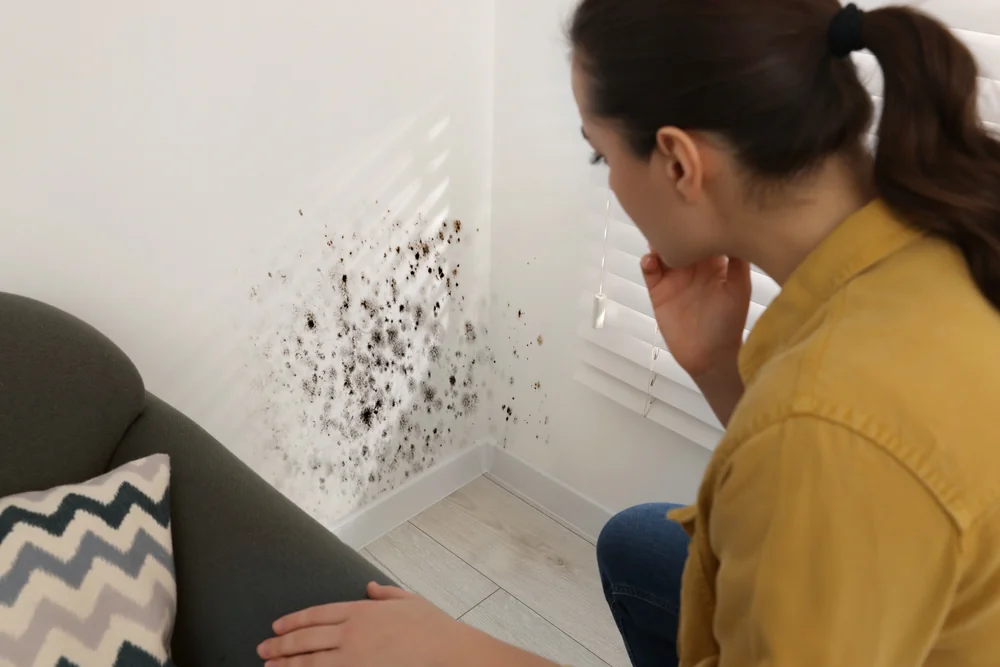
You also need testing if you’ve had water damage, see visible mold, smell musty odors, or have high humidity that won’t go away. Mold can start growing within 24 to 48 hours of moisture exposure, and it spreads through ventilation systems fast. Testing confirms whether you have active growth and how extensive it is.
If you’re buying or selling a home in Ridge Valley, testing gives you documentation. Mold is a common deal-breaker in real estate transactions, and a clean air quality report protects both parties. Even if you don’t see mold, older homes here often have hidden growth in crawl spaces, attics, or behind walls where moisture accumulates.
DIY kits cost $10 to $50 and give you basic yes/no results. They’re not calibrated, they don’t measure concentrations accurately, and they often produce false positives or miss problems entirely. You’re basically guessing.
Professional air quality testing uses calibrated equipment and accredited lab analysis. We measure actual spore counts, particulate concentrations, and VOC levels—then compare them to outdoor air and safety thresholds. That tells you not just whether mold is present, but how much, what type, and whether it’s at levels that require remediation.
We also know where to test. Mold growth isn’t evenly distributed, and airflow patterns mean one room can be fine while another has high concentrations. Professional testing samples multiple areas, checks ventilation systems, and identifies the source of contamination. You get actionable data instead of a vague result that doesn’t tell you what to do next.
The on-site portion takes one to two hours depending on your home’s size and the number of areas we’re testing. We’re collecting air samples, taking surface samples if needed, checking moisture levels, and documenting conditions. We work efficiently but thoroughly.
Lab analysis takes three to five business days. You’ll get a detailed report showing exactly what was found, where, and at what concentrations. We review the results with you and explain what they mean—no jargon, no vague statements. If there’s a problem, we tell you how serious it is and what your options are.
If you’re dealing with an urgent situation—active water damage, severe symptoms, or a real estate transaction with a tight timeline—we can request expedited lab processing. That usually gets results within 24 to 48 hours for an additional fee.
Yes, lab analysis identifies the specific types of mold present, including Stachybotrys chartarum—what people call black mold. But here’s what matters: all mold growth at high concentrations causes health problems. Black mold isn’t more dangerous than other types, it just gets more attention.
What you actually need to know is whether you have active mold growth, what the spore count is, and where it’s coming from. Our testing answers all of that. If mold is present, the lab report specifies the genus and species, the concentration in spores per cubic meter, and how that compares to outdoor levels and safe thresholds.
In Ridge Valley, we commonly find Aspergillus, Penicillium, and Cladosporium in homes with moisture issues. All of them cause respiratory problems, allergic reactions, and asthma symptoms when concentrations are high. The goal isn’t identifying one specific type—it’s determining whether you have a problem that needs remediation.
Professional whole-home air quality testing typically runs $300 to $1,000 depending on your home’s square footage, the number of samples needed, and which contaminants you’re testing for. A basic mold air test with two to three samples is on the lower end. Comprehensive testing that includes VOCs, particulates, and multiple rooms costs more.
We offer free inspections first, so you’re not paying for testing if it’s not necessary. We’ll look around, check moisture levels, and give you an honest assessment. If testing makes sense, we explain what’s included and what it costs before we start.
If we find mold and you need remediation, testing costs are often covered by insurance. We document everything and work directly with insurance companies to simplify the claims process. Even if insurance doesn’t cover it, testing saves you money by catching problems early—before you’re looking at extensive damage and costly repairs.
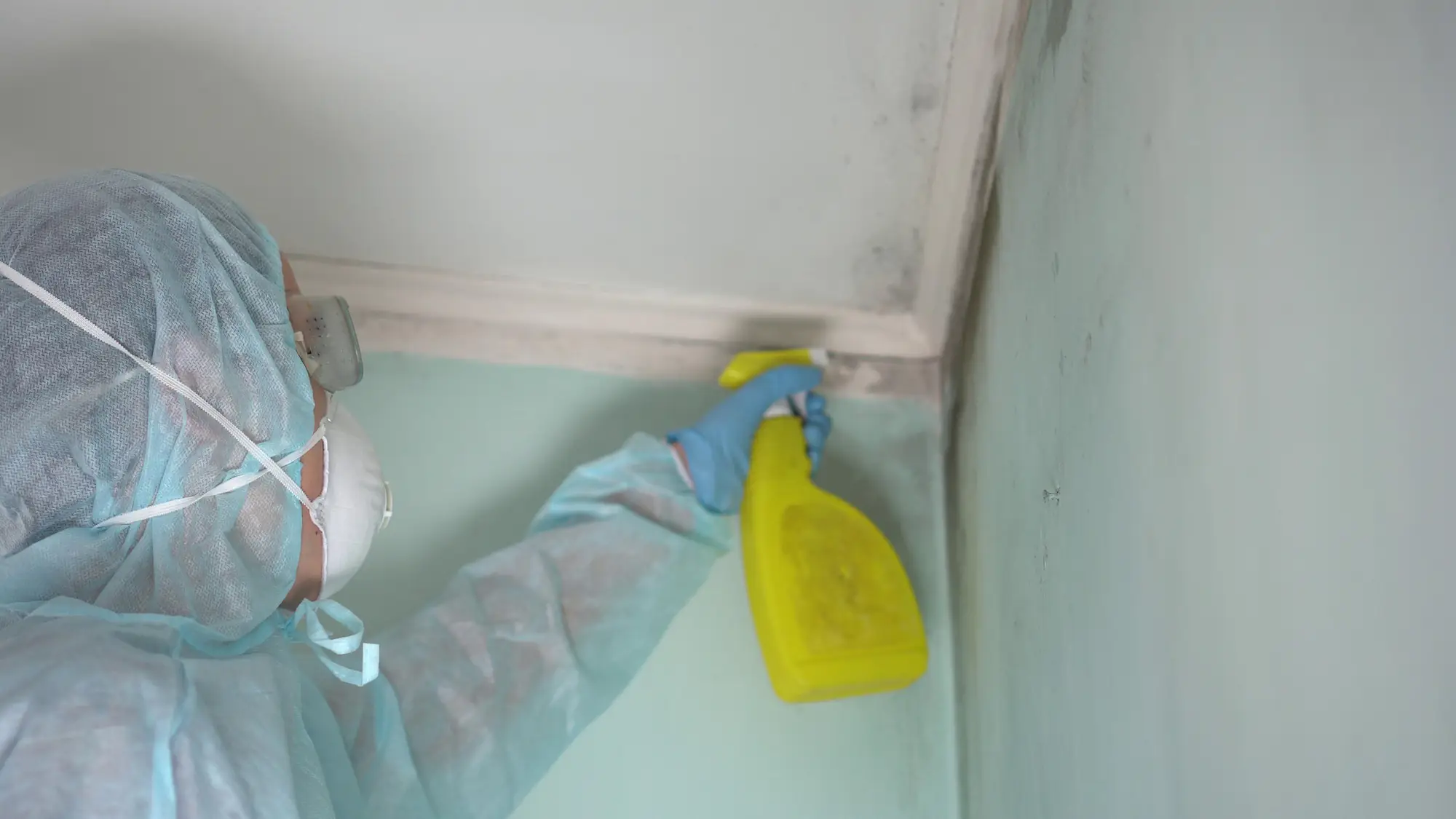
We give you a detailed report and explain your options. If mold concentrations are low and localized, you might just need better ventilation and humidity control. If growth is extensive, you’ll need professional remediation—containment, removal, disinfection, and fixing the moisture source.
We provide a clear scope of work and cost estimate before any remediation starts. No surprises, no upselling. Our goal is solving the problem correctly so it doesn’t come back. That means addressing the moisture issue, not just cleaning visible mold.
If air quality issues are related to VOCs or particulates instead of mold, we recommend solutions—better filtration, source removal, ventilation improvements. We’re not trying to sell you services you don’t need. We’re giving you the information to make your home healthier and protect your investment.
Other Services we provide in Ridge Valley