
Mold Inspection in Reeder, PA

Find Hidden Mold Before It Finds You

Professional mold detection that protects your family’s health and your home’s value—with clear answers, not guesswork.
Protective worker in safety suit inspecting or treating mold spots on an indoor ceiling, addressing moisture damage and potential mold growth inside a building.

Hear from Our Customers

Home Mold Inspection Services Reeder

Know What You're Breathing Every Day

You’re coughing more than usual. Your kids’ allergies seem worse indoors. There’s a musty smell in the basement you can’t quite place.

These aren’t things you should ignore, and you probably already know that. What you need is confirmation—or relief. A professional mold inspection gives you both.

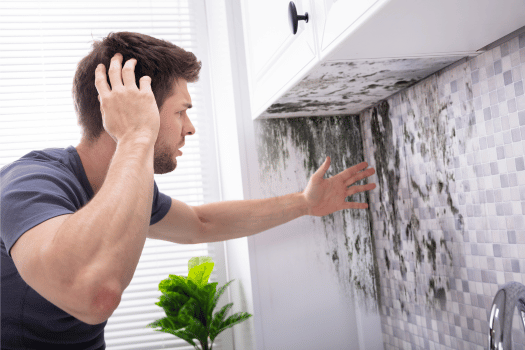
Mold grows where you can’t see it. Behind drywall. Under flooring. Inside HVAC systems. By the time it’s visible, it’s usually been there for weeks or months. That’s when health symptoms start showing up, and repair costs start climbing.

A home mold inspection in Reeder isn’t about finding problems for the sake of it. It’s about knowing what’s actually happening in your home so you can make informed decisions. If there’s mold, you’ll know where it is, how bad it is, and what caused it. If there isn’t, you’ll have peace of mind and can stop wondering.

Either way, you’re not guessing anymore.

Mold Detection Company Reeder, PA

Local Team, Licensed Inspections, Real Answers

We serve homeowners throughout Bucks County with licensed mold inspection and testing services. We’re not a national franchise running cookie-cutter checks. We’re a local company that understands what Reeder homeowners are dealing with—older homes with crawl spaces, finished basements prone to moisture, and Pennsylvania’s rising precipitation levels that have increased mold risk across the region.

We don’t do remediation, so we’re not looking to upsell you on cleanup services you don’t need. Our job is to assess, test, and report. You get unbiased results and a clear explanation of what’s happening in your home.

If you’ve been putting this off because you weren’t sure who to trust or what it would cost, that ends here. We’ll walk you through the process, answer your questions, and give you the information you need to move forward.

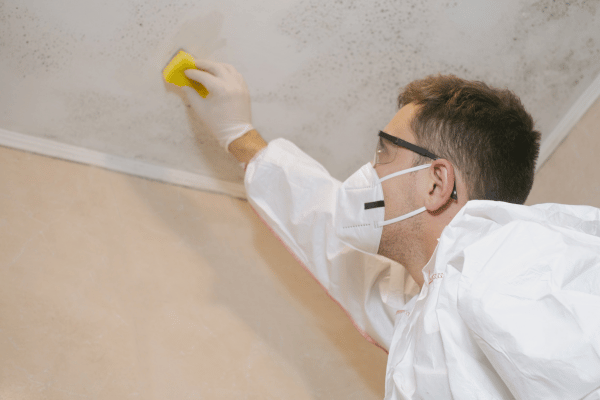
Protective worker collecting a mold sample from a stained indoor ceiling using a swab, inspecting moisture damage and potential mold growth inside a building.

Professional Mold Testing Process Reeder

Here's What Happens During Your Inspection

First, we talk. You’ll tell us what you’ve noticed—symptoms, smells, visible spots, water damage history. That helps us know where to focus.

Then we do a full visual inspection of your property. We check the obvious spots and the hidden ones: attics, crawl spaces, behind appliances, around windows, inside HVAC systems. We use moisture detection tools to find areas where mold is likely growing even if you can’t see it yet.

Next, we collect air samples. We take samples from inside your home and compare them to outdoor air. That tells us if your indoor mold levels are elevated and whether you’re dealing with a problem that needs attention.

We also take surface samples if we find visible growth or suspect contamination in specific areas. All samples go to a certified lab for analysis. You’re not relying on our opinion—you’re getting scientific data.

Once results come back, we walk you through them. We’ll explain what we found, what it means for your health and property, and what your options are. No jargon. No pressure. Just clear information so you can decide what to do next.

Home interior with mold remediation in progress as a worker sprays treatment on a wall using a ladder, while a resident relaxes on a covered sofa in a renovated living room.

Ready to get started?

Explore More Services

About Mack's Mold Removal

Black Mold Inspection Bucks County

What's Included in Your Mold Inspection

Our standard mold inspection in Reeder starts at $350. That includes a complete visual assessment of your property, moisture detection with professional-grade tools, and two air samples analyzed by a certified lab.

If your home is larger or if we need additional surface samples to get a full picture, we’ll let you know upfront. No surprises on the invoice.

Reeder homes—especially those built between 1970 and 1999—often have finished basements, older HVAC systems, and crawl spaces that trap moisture. Pennsylvania’s precipitation has increased up to 10% in recent years, which means more humidity and more mold growth. We see it constantly in Bucks County, and we know where to look.

You’ll get a detailed report that includes lab results, photos, moisture readings, and our assessment of severity and spread. If mold is present, we’ll identify the type (including black mold, which gets the most attention but isn’t always the most dangerous), the likely source, and what conditions are allowing it to grow.

If you’re buying or selling a home in Reeder, this inspection protects your investment. If you’re dealing with health symptoms or just want confirmation, it gives you answers. Either way, you’re making decisions based on facts, not fear.

How much does a mold inspection cost in Reeder, PA?

Our base mold inspection starts at $350. That covers a full visual inspection, moisture detection, and two air samples sent to a certified lab for analysis.

If your home is larger than average or if we need extra surface samples to assess specific areas, the cost goes up slightly. We’ll give you an exact price before we start so there’s no confusion.

Nationally, mold inspections range from $302 to over $1,000 depending on property size and how thorough the testing is. Our pricing is transparent and based on what your home actually needs—not inflated because we’re trying to sell you remediation services afterward. We don’t do cleanup, so we have no reason to exaggerate findings or recommend unnecessary work.

If you’re coughing, sneezing, or dealing with a runny nose that gets worse indoors, that’s a red flag. Mold releases mycotoxins that trigger respiratory issues, especially in people with asthma or allergies.

A musty smell is another major indicator. Mold has a distinct odor, and if you notice it in your basement, bathroom, or anywhere else, there’s likely growth nearby—even if you can’t see it.

Visible spots or discoloration on walls, ceilings, or around windows are obvious signs. But mold often grows in hidden areas first: behind drywall, under flooring, in crawl spaces, or inside HVAC ducts. If you’ve had any water damage, leaks, or flooding in the past, you should assume mold is present until proven otherwise. It doesn’t take long for mold to establish itself after moisture exposure.

Most inspections take between one and three hours depending on the size of your home and how many areas we need to assess.

We’re not rushing through it. We’re checking attics, basements, crawl spaces, HVAC systems, bathrooms, kitchens—anywhere moisture could be hiding. We use moisture meters and thermal imaging to find problem areas that aren’t obvious to the naked eye.

After the inspection, samples go to the lab. You’ll typically get results back within a few days. Once we have them, we’ll schedule a time to review everything with you and answer any questions. The whole process from inspection to final report usually wraps up within a week, sometimes sooner if you need faster turnaround.

You can buy a DIY mold test kit, but it won’t give you the full picture. Those kits can tell you if mold spores are present—which they almost always are, because mold spores exist everywhere. What they don’t tell you is whether the levels are elevated, what type of mold you’re dealing with, or where it’s coming from.

A professional mold inspection includes a visual assessment of your entire property, moisture detection to find hidden problem areas, and lab-analyzed air and surface samples that compare indoor levels to outdoor baselines. That’s how you know if you actually have a mold problem or just normal background levels.

In Pennsylvania, licensed mold assessors are trained to identify conditions that lead to mold growth and to interpret lab results accurately. If you’re making decisions about your health or planning remediation work, you need reliable data—not a $20 kit that leaves you with more questions than answers.

If we find mold, you’ll get a detailed report that explains what type it is, where it’s located, how severe the growth is, and what’s causing it. We’ll also explain whether it’s a health risk and what your options are for addressing it.

We don’t do mold remediation, so we’re not trying to sell you on cleanup services. Our job ends with the inspection and report. That means you get unbiased information and the freedom to choose your own remediation company if needed.

Some mold issues are minor and can be handled with better ventilation or a dehumidifier. Others require professional removal, especially if the growth is widespread or if it’s in your HVAC system. We’ll be clear about what you’re dealing with so you can make an informed decision without pressure or upselling.

Yes. Mold isn’t always visible during a standard home inspection, and general inspectors aren’t trained to assess mold the way licensed mold assessors are.

Reeder homes—especially older properties with basements and crawl spaces—are at higher risk for mold growth due to Pennsylvania’s increased precipitation and humidity levels. If the home you’re buying has had any water damage, leaks, or flooding, a mold inspection should be non-negotiable.

Finding mold before you close gives you leverage. You can negotiate repairs, ask the seller to handle remediation, or walk away if the problem is too severe. Without an inspection, you’re taking on that risk yourself—and mold remediation can cost thousands depending on the extent of the damage. Spending $350 now can save you a lot more down the road.

Other Services we provide in Reeder