
Mold Inspection in Vermilion Hill, PA

Find the Mold Before It Finds Your Wallet

Hidden mold doesn’t stay hidden forever. Get a professional inspection that catches problems early, protects your property value, and gives you actual answers.
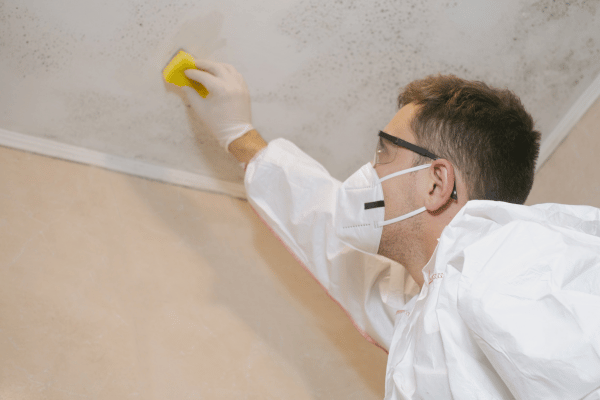
Protective worker in safety suit inspecting or treating mold spots on an indoor ceiling, addressing moisture damage and potential mold growth inside a building.

Hear from Our Customers

Mold Detection Services in Vermilion Hill

Know Exactly What You're Dealing With

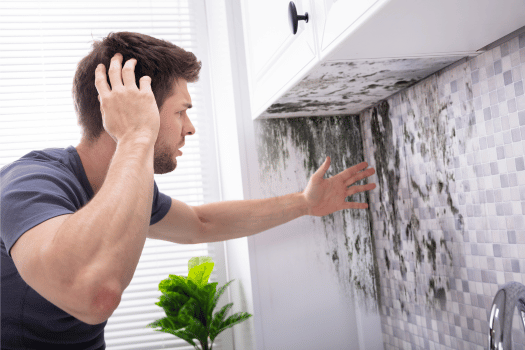
You’re noticing the musty smell when you walk in the door. Maybe your allergies act up at home but clear up at work. Or you’re seeing dark spots near the bathroom ceiling and wondering if it’s just dirt.

Here’s what changes after a real mold inspection. You stop guessing. You get lab results that tell you what species you’re dealing with, where it’s growing, and how much moisture is feeding it. You know if that spot behind the wall is a $200 fix or a $5,000 problem waiting to happen.

Most importantly, you can make decisions based on facts instead of fear. Some mold situations need immediate action. Others just need better ventilation and a weekend project. A proper home mold inspection tells you which one you’re facing so you’re not overpaying for work you don’t need or ignoring something that’s actively making your family sick.

Mold Detection Company Serving Vermilion Hill

Local Expertise That Actually Matters Here

We’ve been handling mold issues in Bucks County for years. We know how the humid summers here create perfect conditions in crawl spaces and attics. We’ve seen what happens to the older homes in Vermilion Hill when roof leaks go unnoticed for a few months.

We’re not a franchise charging you for a national brand name. We’re local, we answer our phones, and we’ve probably already worked on a house like yours. When we inspect your property, we’re looking at it through the lens of someone who understands regional construction styles and climate patterns that affect homes in this area.

You get certified inspectors who use thermal imaging and moisture meters, not just eyeballs and guesswork. Your samples go to independent labs, and we explain the results in plain language.

Protective worker collecting a mold sample from a stained indoor ceiling using a swab, inspecting moisture damage and potential mold growth inside a building.

Our Mold Inspection Process

What Happens During Your Inspection

We start with a walkthrough where you show us the problem areas and we look for the ones you haven’t found yet. Mold grows where moisture sits, so we’re checking behind appliances, under sinks, around windows, in the attic, and anywhere water could be sneaking in.

We use thermal imaging cameras to spot temperature differences that indicate moisture behind walls. We take moisture readings in multiple locations to map out where the problem starts and where it’s spreading. If we find active growth or suspect hidden contamination, we collect air and surface samples.

Those samples go to an independent lab for analysis. You get results in about a week that identify the specific mold species, concentration levels, and whether you’re dealing with something that needs immediate remediation or just better moisture control. We walk you through the report, explain what the numbers mean, and give you a realistic picture of what needs to happen next. No pressure, no sales pitch for services you might not need.

Home interior with mold remediation in progress as a worker sprays treatment on a wall using a ladder, while a resident relaxes on a covered sofa in a renovated living room.

Ready to get started?

Explore More Services

About Mack's Mold Removal

Black Mold Inspection in Vermilion Hill

What's Included in Your Inspection

Your mold inspection covers the full property assessment with visual examination of all accessible areas. We’re looking in places most homeowners never check because that’s where mold hides and grows undisturbed.

You get thermal imaging to detect moisture and temperature variations that indicate hidden problems. We take moisture readings throughout the structure to identify active water intrusion or elevated humidity levels. Air quality testing captures airborne spore counts, and surface sampling identifies specific growth on walls, ceilings, or other materials.

Pennsylvania’s precipitation has increased up to 10% in recent years, and Vermilion Hill homes face the same moisture challenges affecting properties across Bucks County. Nearly half the homes in this region show some visible mold growth, often in basements and crawl spaces where humidity stays high. Your inspection accounts for these local conditions and focuses on the problem areas common to homes in this climate.

You receive a detailed report with lab results, photographs, moisture readings, and clear explanations of what we found. If remediation is needed, we can provide documentation for insurance claims. If it’s a minor issue, we’ll tell you that too.

How much does a mold inspection cost in Vermilion Hill?

Most residential mold inspections in Vermilion Hill run between $300 and $800 depending on your home’s size and how many samples we need to collect. A typical single-family home with one or two problem areas usually falls in the $400-$500 range.

That includes the full property assessment, thermal imaging, moisture readings, sample collection, and lab analysis. You’re not paying extra for the report or the time we spend explaining results. The cost covers everything from start to finish.

Compare that to remediation costs that typically run $3,000 to $20,000 when mold problems go undetected. An inspection finds issues early when they’re cheaper to fix. It also prevents you from tearing out walls chasing a problem that doesn’t exist or might be coming from a different source entirely.

DIY kits can tell you if mold spores are present, but that’s not particularly useful information. Every home has mold spores. What matters is the species, the concentration, and where it’s actually growing.

Those kits can’t find hidden mold behind walls, under flooring, or in your HVAC system. They can’t tell you if you’re dealing with common surface mold or toxic black mold. They don’t measure moisture levels or identify the water source feeding the growth.

A professional inspection uses thermal imaging and moisture meters to find problems you can’t see. We collect samples from specific locations and send them to certified labs that identify exact species and concentration levels. You get a complete picture of what’s happening in your home, not just a yes/no answer about whether mold exists somewhere in the building. If you’re making decisions about remediation or trying to document a problem for insurance, you need actual data.

The on-site inspection usually takes two to three hours for an average-sized home. Larger properties or homes with multiple problem areas might take longer. We’re not rushing through it.

We spend time in the attic, basement, crawl spaces, and anywhere moisture tends to accumulate. We’re checking behind appliances, inside closets, around plumbing fixtures, and in areas where you’ve noticed issues. The thermal imaging and moisture readings happen throughout the property to map out where problems exist or might develop.

After we collect samples, the lab analysis takes about three to seven business days. Once results come back, we schedule time to review the report with you and answer questions. The whole process from inspection to final report typically wraps up within a week to ten days, assuming the lab doesn’t have any delays.

Mold inspection is the complete assessment of your property. We’re doing the visual examination, using detection equipment, identifying moisture sources, and determining the extent of any problems. Testing is just one part of that process where we collect samples for lab analysis.

You might not need testing if the inspection reveals obvious mold growth that clearly needs remediation. Testing becomes important when you’re experiencing health symptoms but can’t find visible mold, when you need to identify specific species for health reasons, or when you’re documenting a problem for insurance or real estate purposes.

Some companies sell testing as a standalone service, but it’s not very useful without the full inspection context. You need to know where the mold is growing, what’s causing it, and how extensive the problem is. Lab results that say “elevated spore counts” don’t help much if nobody’s telling you where it’s coming from or what to do about it. The inspection provides that context.

No. We’re not a remediation company trying to drum up work. We inspect properties and provide honest assessments of what we find.

If you need professional remediation, we’ll tell you that and explain why. If it’s something you can handle yourself with proper cleaning and better moisture control, we’ll tell you that too. Some situations fall in between where you could tackle it yourself but might want professional help depending on your comfort level and available time.

Our job is to give you accurate information so you can make informed decisions. We provide documentation you can take to remediation companies for quotes, or use for insurance claims, or simply keep for your records. There’s no pressure because we’re not trying to sell you services beyond the inspection itself. You’re paying for expertise and honest answers, not a sales pitch.

First, don’t panic. Finding mold during an inspection is better than finding it after it’s caused serious damage or health problems. The report tells you what species you’re dealing with and whether it requires immediate action or can wait for a planned remediation.

Your next step depends on what we found. Small areas of surface mold (less than 10 square feet) can often be cleaned by homeowners using proper safety equipment and cleaning solutions. Larger areas, hidden mold, or toxic species like black mold typically require professional remediation to handle safely and completely.

You’ll also need to fix whatever moisture problem caused the mold in the first place. That might mean repairing a roof leak, improving ventilation, fixing plumbing issues, or addressing drainage problems around your foundation. The inspection report identifies these moisture sources so you can prevent mold from coming back after remediation. If you’re filing an insurance claim, we provide the documentation adjusters need to process your claim.

Other Services we provide in Vermilion Hill