
Hear from Our Customers
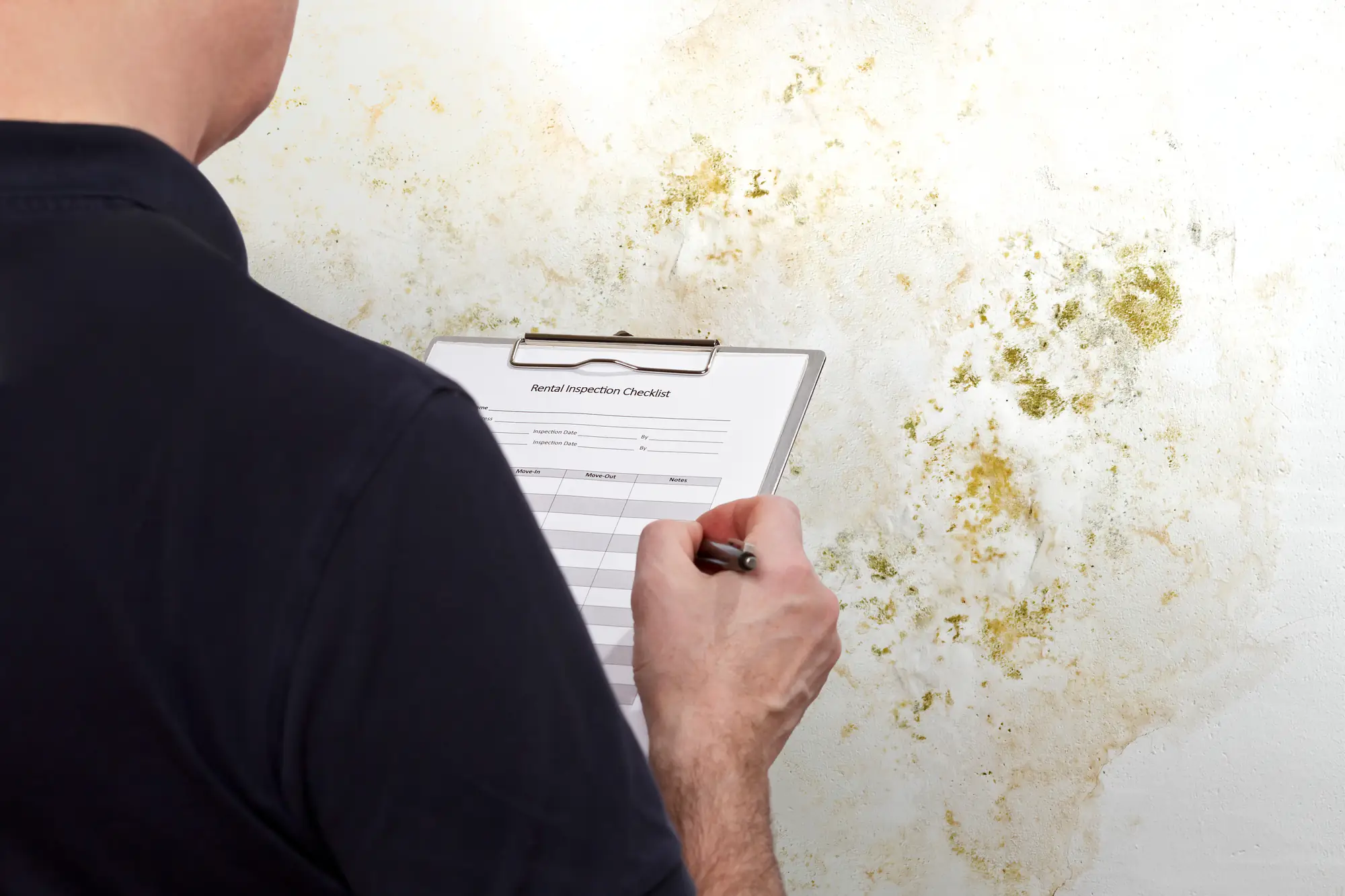
Most mold problems start where you can’t see them. Behind drywall, under flooring, inside your HVAC system. By the time you notice the smell or see visible growth, it’s already spread.
A professional mold inspection catches it early. You get air quality testing that measures spore levels in your home, surface sampling from suspected areas, and thermal imaging that shows moisture hiding in walls or ceilings. The report tells you what type of mold you’re dealing with, how much of it there is, and where it’s coming from.
That means you’re not guessing. You’re not ripping out walls hoping you find the source. You know the scope of the problem before remediation starts, which saves time and money. And if you’re buying or selling a home in West Rockhill, PA, you have documentation that protects your investment and keeps the transaction moving.
We work with homeowners, buyers, and real estate professionals throughout West Rockhill, PA and Bucks County. We know how the local climate—humid summers, temperature swings, older home construction—creates conditions where mold thrives.
Our inspectors use moisture meters, infrared cameras, and lab-certified air sampling to detect mold you can’t see. We don’t sell you services you don’t need. We show you what’s there, explain what caused it, and give you a clear path forward.
Whether you’re dealing with a basement that flooded last spring, an attic with poor ventilation, or a musty smell you can’t locate, we’ll find the source and give you a report you can actually use.
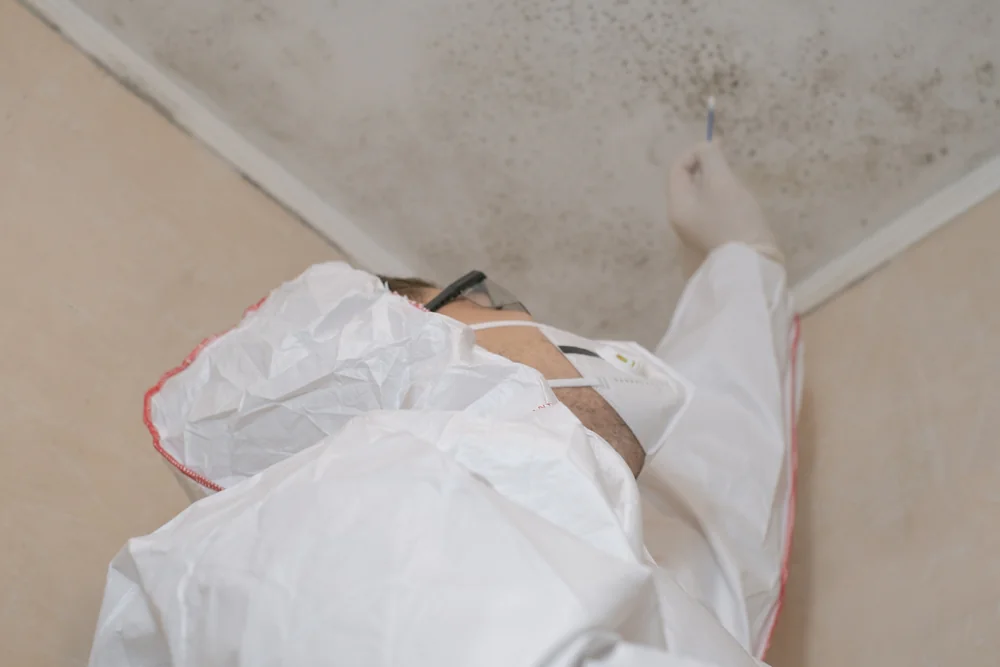
First, we walk through your property and talk about what you’ve noticed—smells, visible growth, water damage, health symptoms. That conversation tells us where to focus.
Next, we use thermal imaging to scan walls, ceilings, and floors for hidden moisture. Mold needs water to grow, so finding moisture tells us where mold is likely hiding. We take air samples from different rooms to measure spore levels and compare them to outdoor air. If we see visible mold or suspect growth behind surfaces, we collect surface samples for lab analysis.
The samples go to an EPA-certified lab that identifies the type and concentration of mold. Within a few days, you get a detailed report that breaks down what we found, where the moisture is coming from, and what needs to happen next. If remediation is needed, the report gives contractors a clear scope of work. If your home is clean, you have documentation proving it.

Ready to get started?
Every mold inspection includes a visual assessment of your entire property, thermal imaging to detect hidden moisture, air quality testing from multiple rooms, and surface sampling when needed. You also get a written report with lab results, photos, moisture readings, and specific recommendations.
In West Rockhill, PA, we see mold most often in basements with foundation cracks, attics with inadequate ventilation, and bathrooms with exhaust fans that vent into the attic instead of outside. Older homes in the area often have crawl spaces with dirt floors that let moisture rise into the structure. Newer homes sometimes have mold in HVAC systems because ducts weren’t properly sealed during construction.
We look at all of it. The inspection typically takes one to two hours depending on your home’s size and the extent of suspected growth. You’ll have results within three to five business days. If you’re in the middle of a real estate transaction, we can expedite the process so inspections don’t delay your closing.
Most home mold inspections in West Rockhill, PA range from $300 to $600 depending on your home’s size and how many samples we need to collect. A typical single-family home with a basement and attic usually falls in the $400 to $500 range.
That price includes the on-site inspection, thermal imaging, air sampling from multiple rooms, lab analysis, and a detailed written report. If we need to take additional surface samples or test specific areas like your HVAC system, that can add to the cost, but we’ll discuss that with you before collecting extra samples.
Some companies offer free inspections, but they’re usually tied to remediation services, which means there’s a built-in incentive to find problems. We charge for inspections because our only job is to tell you what’s actually there.
A mold inspection is the full process—visual assessment, moisture detection, air sampling, surface sampling, and a report with recommendations. Mold testing refers specifically to collecting samples and sending them to a lab for analysis.
You can’t do effective testing without an inspection. The inspection tells us where to test. If we just showed up and took random air samples without looking for moisture sources or checking your HVAC system, the results wouldn’t give you useful information.
During a black mold inspection or any home mold inspection, we’re looking at the whole picture: where water is getting in, how air is moving through your home, whether your gutters are directing water toward your foundation, if your bathroom fans are vented properly. The lab results confirm what type of mold is present and how much of it, but the inspection identifies why it’s growing and what needs to change to prevent it from coming back.
You’ll have your full report within three to five business days after we complete the inspection. The samples go to an EPA-certified lab that analyzes spore types and concentrations, and that process takes a couple of days.
If you’re working around a real estate closing or need results faster, we can request expedited lab processing. That usually gets you results in 24 to 48 hours, though there’s an additional fee from the lab.
The report includes everything: lab results, photos from the inspection, moisture readings, explanations of what we found, and specific next steps. If remediation is needed, the report gives contractors enough detail to provide accurate estimates. If your home tests clean, you have documentation you can share with buyers, sellers, or insurance companies.
You can buy DIY mold test kits at hardware stores, but they don’t give you the information you need to make decisions. Most kits just tell you that mold spores are present, which is true in every home. Mold spores are everywhere. The question isn’t whether they exist—it’s whether they’re growing, what type they are, and how much of them you’re breathing.
Professional mold detection uses calibrated equipment to measure spore concentrations and compare them to outdoor levels. We use thermal imaging to find moisture you can’t see and air sampling that captures spores from different areas of your home. The lab analysis identifies specific mold types, including toxic varieties like Stachybotrys (black mold), and tells you whether levels are elevated enough to cause health problems or structural damage.
If you’re buying a home in West Rockhill, PA, most lenders and inspectors recommend professional testing if there’s any sign of water damage or visible mold. DIY kits won’t satisfy those requirements, and they won’t give you the documentation you need for insurance claims or remediation contracts.
The most obvious sign is visible mold growth—black, green, or white patches on walls, ceilings, or around windows. But you should also call for an inspection if you smell a persistent musty odor, especially in basements, bathrooms, or closets. That smell is often the first indicator that mold is growing somewhere you can’t see.
Other signs include water stains on ceilings or walls, peeling paint or wallpaper, warped flooring, condensation on windows, or health symptoms that get worse when you’re home—respiratory issues, headaches, itchy eyes, or worsening asthma. If you’ve had any water damage from leaks, flooding, or roof problems, you should get a mold inspection even if you don’t see growth yet. Mold starts developing within 24 to 48 hours after water exposure.
In West Rockhill, PA, we also recommend inspections if you’re buying a home built before 1990, if the property has a crawl space or unfinished basement, or if the home has been vacant for more than a few months. Those conditions create environments where mold grows unnoticed.
Yes. The inspection report will tell you whether mold levels are elevated, what type of mold is present, where it’s growing, and what’s causing it. If remediation is needed, the report outlines the scope of work—which areas need treatment, what materials need to be removed, and what repairs are necessary to fix the moisture problem.
Not every home with mold needs full remediation. Sometimes the issue is small enough that you can address it yourself by fixing a leak, improving ventilation, or cleaning a limited area with the right products. The report will tell you when that’s appropriate and when you need professional mold removal.
If remediation is necessary, you’ll have documentation that contractors can use to provide accurate estimates. You’ll also know whether the problem is covered by your insurance policy, since most policies have limited mold coverage and require proof that the damage resulted from a sudden, covered event like a pipe burst rather than long-term neglect. The inspection gives you that proof.
Other Services we provide in West Rockhill