
Mold Inspection in County Line, PA

Find Hidden Mold Before It Costs You Thousands

Certified inspectors, thermal imaging, and lab-verified results that protect your home, your health, and your investment in County Line.
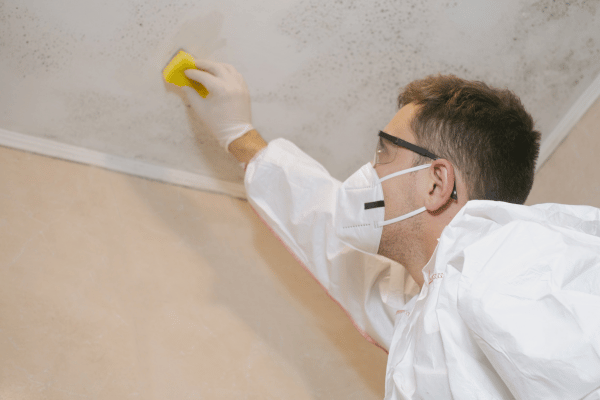
Protective worker in safety suit inspecting or treating mold spots on an indoor ceiling, addressing moisture damage and potential mold growth inside a building.

Hear from Our Customers

Professional Mold Detection Services Near You

Know Exactly What You're Dealing With

You’re not imagining that musty smell. Your allergies aren’t acting up for no reason. And that water issue you had last spring? It left something behind.

Mold grows in places you can’t see—behind walls, under floors, in attics and crawl spaces. By the time it’s visible, you’re already looking at thousands in remediation costs. A professional mold inspection catches it early, when it’s still manageable.

You get a clear picture of what’s happening in your home. Lab-certified test results that tell you exactly which type of mold you’re dealing with, where it’s growing, and what caused it. No guessing. No panic. Just facts you can act on.

That’s what matters when you’re trying to protect your family’s health or close on a home sale without surprises.

Certified Mold Inspectors in Bucks County

We've Been Finding Mold in County Line Homes for Years

We know Bucks County homes. We know how the humid summers here create perfect conditions for mold growth. We know the older homes in County Line have basements that hold moisture, and attics that don’t breathe right.

Our certified mold inspectors use thermal imaging and moisture mapping to find problems before they spread. Every sample goes to an independent third-party lab for analysis. You get results you can trust, not a sales pitch.

We’re local. We’re available 24/7. And we give you a free inspection with upfront pricing before any work starts.

Protective worker collecting a mold sample from a stained indoor ceiling using a swab, inspecting moisture damage and potential mold growth inside a building.

Our Mold Inspection Process Explained

Here's What Happens During Your Inspection

First, we walk through your home and look for visible signs—discoloration, water stains, moisture buildup. But we don’t stop there.

We use thermal cameras to detect temperature differences that indicate hidden moisture. We use moisture meters to measure exactly how wet your walls, floors, and ceilings are. These tools find mold growing where you’d never think to look.

Next, we collect samples. Air samples test what you’re breathing. Surface samples test visible spots. We send everything to a certified lab that specializes in mold identification.

You get a detailed report within days. It tells you what type of mold is present, how much, and where it’s concentrated. More importantly, it explains what caused the problem—whether it’s a roof leak, poor ventilation, or lingering moisture from a past water event.

From there, you can make informed decisions about remediation, and we help you understand exactly what needs to happen.

Home interior with mold remediation in progress as a worker sprays treatment on a wall using a ladder, while a resident relaxes on a covered sofa in a renovated living room.

Ready to get started?

Explore More Services

About Mack's Mold Removal

What's Included in Our Mold Testing

You Get More Than Just a Report

Every mold inspection includes a visual assessment of your entire property, moisture mapping with calibrated meters, thermal imaging to locate hidden water intrusion, and air quality sampling to measure spore levels in your home.

We also take direct samples from any suspicious areas—tape lifts, swabs, or bulk samples depending on what we find. All samples go to an accredited third-party lab, and you receive a full analysis that identifies the exact species of mold.

Here in County Line and throughout Bucks County, we see a lot of mold issues tied to basement moisture and poor attic ventilation. Pennsylvania’s climate doesn’t help—our warm, humid summers push indoor humidity to 75-80%, which is exactly what mold needs to thrive.

That’s why we don’t just test. We identify the root cause. You’ll know if it’s a drainage problem, a ventilation issue, or something else entirely. And if you need remediation, we provide a clear plan based on IICRC S520 standards.

How much does a mold inspection cost in County Line, PA?

We offer free mold inspections with upfront pricing before any work begins. That means you’re not paying just to find out if you have a problem.

If testing is needed, costs depend on how many samples we take and what type of analysis the lab performs. Air samples, surface samples, and bulk samples all have different price points. But you’ll know the exact cost before we collect anything.

Compare that to skipping the inspection. Mold remediation can run anywhere from $2,000 to $10,000 depending on how far it’s spread. Catching it early with a professional inspection saves you money in the long run.

A home inspection covers the overall condition of a property—structure, roof, plumbing, electrical. Mold can easily be missed because inspectors aren’t using specialized equipment to detect it.

A mold inspection is focused entirely on finding mold and moisture. We use thermal imaging, moisture meters, and air sampling equipment that a general home inspector doesn’t carry. We’re trained specifically to identify hidden mold growth and the conditions that cause it.

If you’re buying a home in County Line, a general inspection might note a musty smell or visible staining. A mold inspection tells you exactly what’s growing, how bad it is, and what it’ll cost to fix. That’s the difference between wondering and knowing.

You can, but those kits usually don’t tell you much. Most DIY mold test kits only confirm that mold is present—which isn’t helpful, because mold is present in nearly every home. The real question is how much, what type, and where it’s coming from.

Professional mold detection uses calibrated equipment to measure moisture levels, airborne spore counts, and contamination severity. We also identify the source—whether it’s a leaky pipe, poor ventilation, or water intrusion from outside.

DIY kits can’t do that. They can’t find mold hidden behind walls or under flooring. And they won’t tell you if you’re dealing with toxic black mold or a less harmful species. If you’re serious about protecting your home and your health, a certified mold inspector is the way to go.

Most inspections take one to two hours depending on the size of your home and how much area we need to cover. We’re thorough, but we’re not wasting your time.

We start with a visual walkthrough, then move into moisture mapping and thermal imaging. If we find areas of concern, we collect samples on the spot. The actual sample collection only takes a few minutes per location.

Lab results usually come back within a few days. You’ll get a full report that breaks down what we found, where we found it, and what needs to happen next. If it’s urgent, we can expedite testing for same-day or next-day results.

You’re not legally required to get one, but it’s smart. Pennsylvania law requires sellers to disclose known defects, and mold is one of them. If a buyer finds mold during their inspection and can prove you knew about it, you’re looking at legal trouble that makes remediation costs seem small.

Getting a mold inspection before listing gives you control. If there’s a problem, you can fix it on your terms instead of scrambling during negotiations. If there’s no problem, you have documentation that backs up your disclosure.

Buyers are more likely to stay in the deal when they know about a $2,000 mold issue upfront than when they feel blindsided during their own inspection. It’s about transparency, and it protects you from liability down the road.

We see a lot of Aspergillus, Penicillium, and Cladosporium in homes around County Line and Bucks County. These are common indoor molds that thrive in damp, humid conditions—which we have plenty of here, especially in summer.

Stachybotrys, also known as black mold, shows up less frequently but it’s the one people worry about most. It grows on materials that stay wet for extended periods, like drywall or wood framing after a water leak.

The type of mold matters because some species cause more severe health reactions than others. That’s why lab testing is important. It identifies exactly what you’re dealing with so you know whether you’re looking at a minor cleanup or a bigger remediation project.

Other Services we provide in County Line