
Hear from Our Customers
You’ve noticed the smell. Maybe you’ve seen the dark spots creeping along your basement walls or behind the bathroom sink. Your kids are coughing more than usual, and you’re wondering if it’s just allergies or something worse.
Here’s what matters: mold isn’t just ugly. It’s a health risk, especially for children and anyone with respiratory sensitivities. Studies show visible mold is one of the strongest risk factors for asthma development in kids. That’s not something you ignore.
When we handle your property the right way, you get more than a clean surface. You get air quality that doesn’t trigger symptoms. You get a home that doesn’t smell musty every time it rains. You get documentation that satisfies insurance companies and real estate inspectors. Most importantly, you stop worrying every time your child starts coughing at night.
The difference between surface cleaning and professional mold remediation is simple: one hides the problem temporarily, the other eliminates it completely. That includes finding and fixing the moisture source, removing contaminated materials safely, and treating affected areas with EPA-approved methods that actually work in Bucks County’s humid climate.
We specialize in one thing: getting mold out of County Line homes and keeping it out. We’re not a general restoration company that does mold work on the side. This is what we do, and we’ve been doing it long enough to know exactly how Bucks County’s climate and housing stock create mold problems.
The older homes near Aquetong Road have different challenges than newer developments. Stone foundations behave differently than poured concrete. We’ve worked in both, and we know what to look for before we even open the walls.
When your neighbors need mold removed, they call us. When local contractors find mold during renovations, they refer their clients here. That’s not marketing talk—it’s just what happens when you do the work right and people remember it.
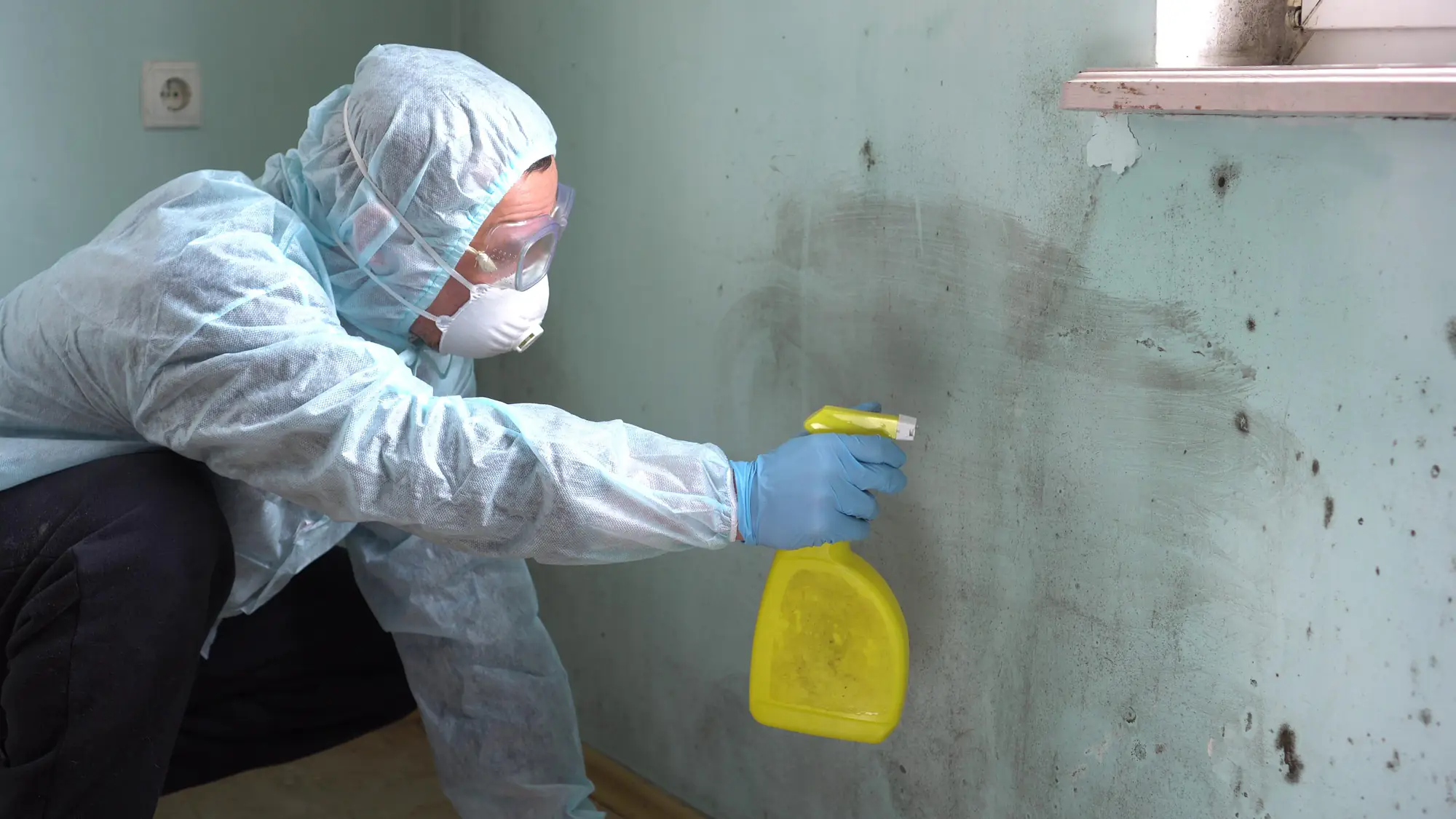
First, we inspect your entire property—not just the obvious spots. Mold hides behind walls, under floors, in crawl spaces you forgot existed. We use moisture meters and thermal imaging to find problems you can’t see. This inspection is free, and it tells us exactly what we’re dealing with.
Once we know the scope, you get a detailed estimate before any work starts. No surprises, no hidden costs. If insurance is involved, we handle the documentation and work directly with your adjuster.
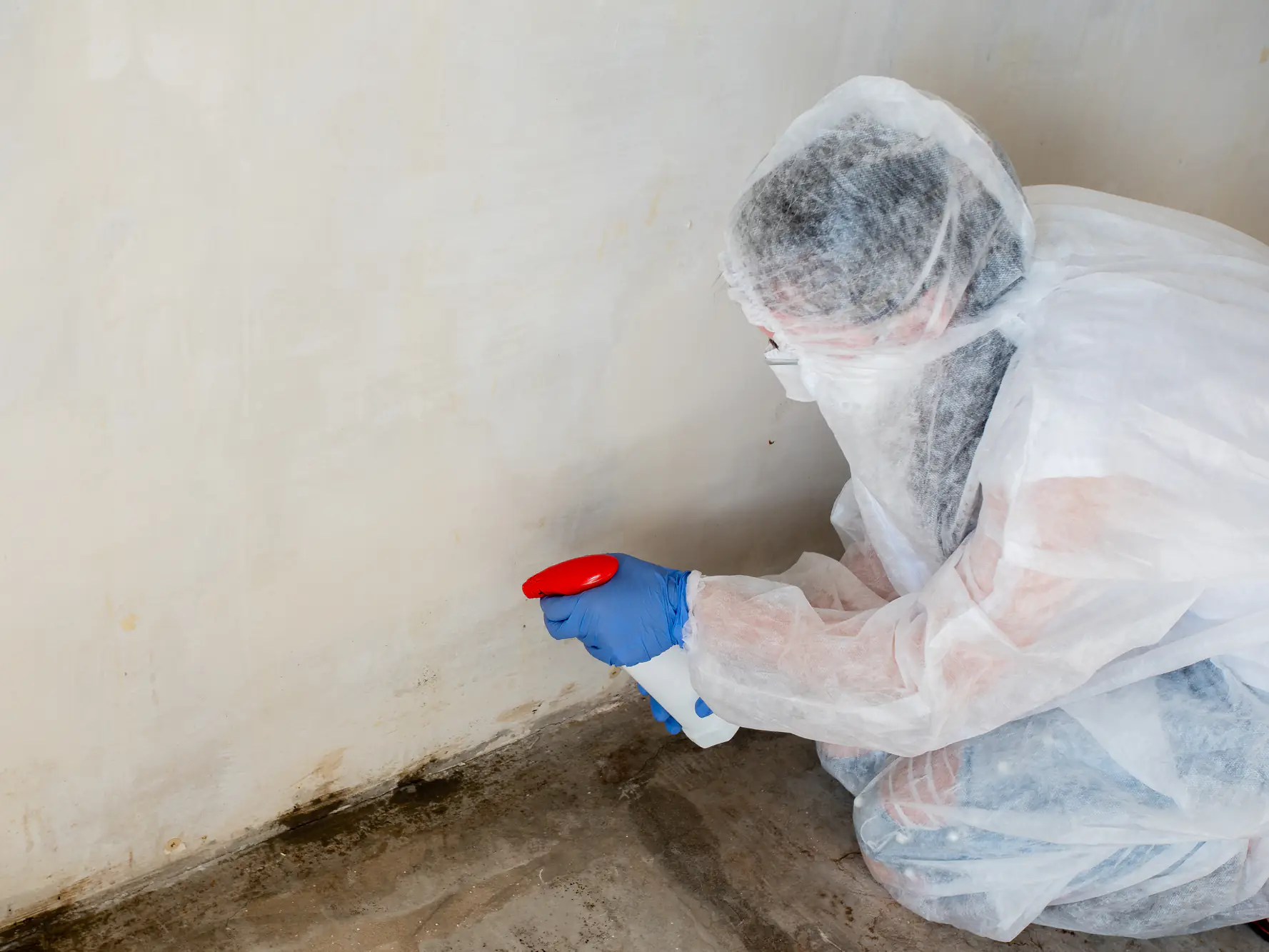
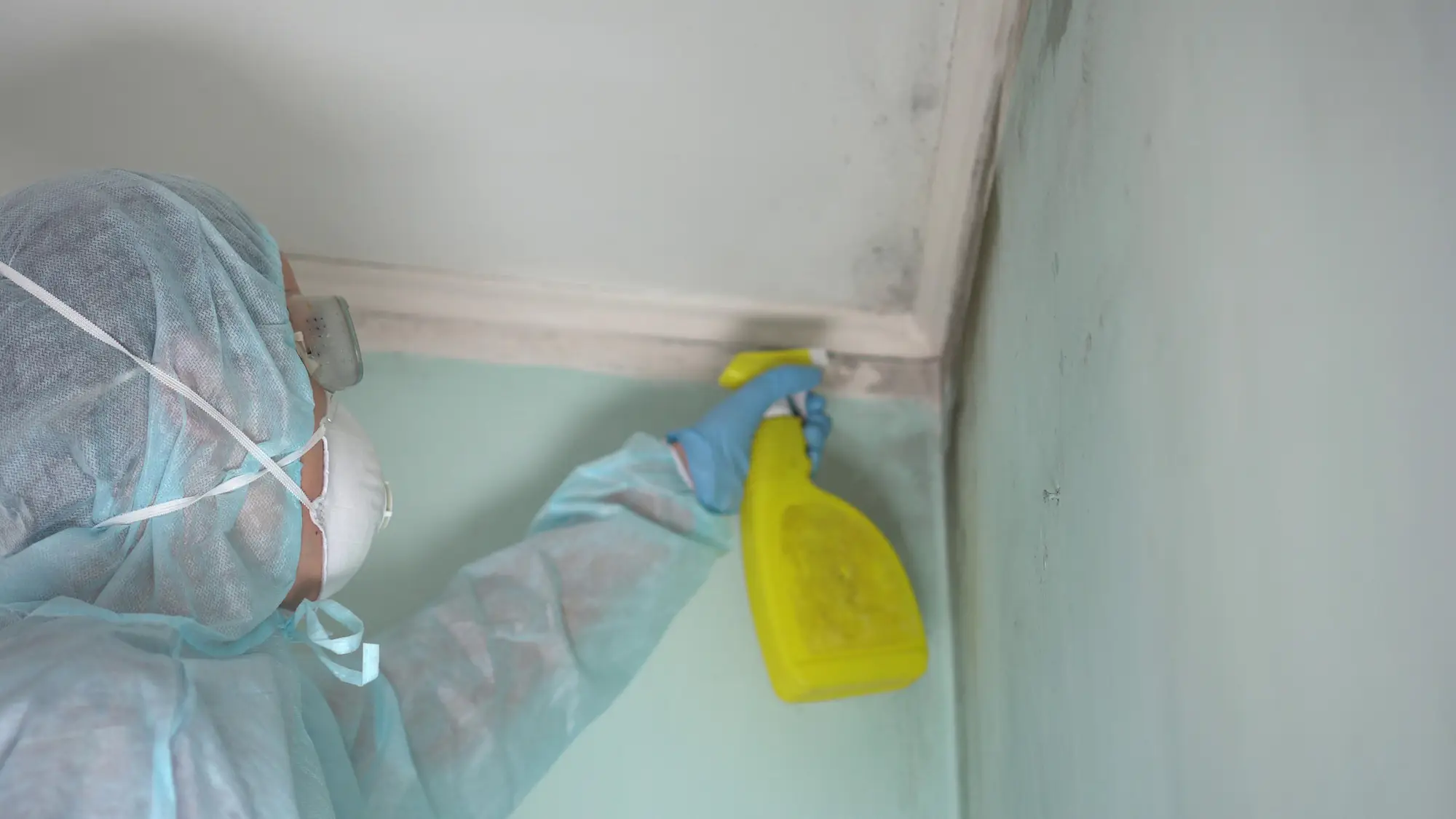
The actual remediation starts with containment. We seal off affected areas to prevent spores from spreading to clean parts of your home. Then we remove contaminated materials—drywall, insulation, whatever can’t be saved. What can be cleaned gets treated with EPA-approved antimicrobials.
But here’s the critical part most companies skip: we find and fix the moisture source. Could be a leaky pipe, poor ventilation, foundation seepage, or humidity issues. If we don’t address that, you’ll have mold again in six months. We’ve seen it happen too many times with other companies’ work.
After treatment, we verify the air quality with testing. You get lab results showing your home is safe. Then, if needed, we handle the reconstruction—drywall, paint, whatever was removed. You’re not juggling multiple contractors. It’s all handled.
Ready to get started?
Every mold remediation project includes a thorough inspection of your property. We’re looking at basements, crawl spaces, attics, bathrooms, and any area where moisture accumulates. In County Line, that often means checking older stone foundations and areas with poor drainage—common issues in Bucks County homes.
You get containment and air filtration during the entire process. We’re not spreading mold spores throughout your house while we work. Negative air machines with HEPA filters run continuously, and plastic barriers keep contaminated air isolated.
All removal work follows Pennsylvania regulations and EPA guidelines. We document everything with photos and detailed reports. If you’re selling your home or dealing with an insurance claim, this documentation matters. Real estate deals in Bucks County fall apart over mold issues more than almost anything else—proper documentation protects your property value.
The service includes treating all affected surfaces with antimicrobial solutions, removing materials that can’t be salvaged, and fixing the underlying moisture problem. That last part is non-negotiable. Without it, you’re wasting your money.
We also offer air quality testing before and after remediation. You’ll know exactly what type of mold you had and confirmation that it’s gone. For many homeowners, especially those with kids or respiratory issues, that verification is worth everything.

Mold can start forming within 24 to 48 hours after water exposure. In Bucks County’s humid climate, especially during summer months, that timeline can be even shorter.
If you’ve had a leak, flood, or any significant water intrusion, you’re racing the clock. The longer water sits, the deeper it penetrates into materials like drywall, insulation, and wood framing. Once mold takes hold, it spreads through spores that travel through your HVAC system and into every room.
This is why emergency response matters. If you catch water damage within the first 24 hours and dry everything properly, you can often prevent mold growth entirely. Wait a week, and you’re looking at full remediation. The difference in cost and disruption is substantial.
Mold exposure causes real health issues, especially for children, elderly people, and anyone with existing respiratory conditions. The most common symptoms are coughing, wheezing, throat irritation, and nasal congestion. For people with asthma, mold exposure can trigger severe attacks.
Research shows that visible mold in homes is one of the strongest risk factors for children developing asthma. That’s not a minor concern—it’s a documented health risk backed by medical studies. If your kids are coughing more at home than elsewhere, or if symptoms improve when they leave the house, mold could be the cause.
Black mold (Stachybotrys) gets the most attention, but all mold types can cause problems. The severity depends on the type of mold, the amount of exposure, and individual sensitivity. Some people barely notice it; others have immediate reactions. Either way, mold doesn’t belong in your living space, and removing it improves indoor air quality for everyone.
Mold comes back if the moisture source isn’t fixed. That’s the biggest reason remediation fails—companies remove visible mold but ignore why it grew in the first place.
If you have a slow leak in your plumbing, poor ventilation in your bathroom, or foundation moisture seeping into your basement, mold will return no matter how thoroughly it’s removed. The spores are everywhere in the environment. They only become a problem when they find moisture and a food source (like drywall or wood).
Professional mold remediation includes identifying and fixing moisture problems. That might mean repairing leaks, improving ventilation, installing dehumidifiers, or addressing drainage issues around your foundation. In Bucks County, we see a lot of basement moisture from old stone foundations and poor grading—both fixable problems. When the moisture source is eliminated and the remediation is done properly, mold doesn’t come back.
Mold remediation costs vary based on the size of the affected area, the type of materials involved, and whether structural repairs are needed. A small bathroom mold problem might cost a few hundred dollars. A basement with extensive contamination and moisture issues can run several thousand.
Here’s what affects the price: square footage of contaminated area, accessibility (crawl spaces cost more to work in), type of materials that need removal, and the source of moisture. If we’re just treating surface mold on a bathroom ceiling, that’s straightforward. If we’re removing insulation from an entire basement, cutting out drywall, and waterproofing a foundation, the scope is much larger.
Most homeowners insurance policies cover mold remediation if it resulted from a covered event like a burst pipe. They typically don’t cover mold from long-term neglect or maintenance issues. We work with insurance companies regularly and can help you understand what’s covered. You’ll always get a detailed estimate before work begins—no surprises, no pressure. We also offer financing options because we know mold remediation isn’t a planned expense.
Small surface mold on non-porous materials—like tile or glass—you can often handle yourself with proper cleaning products and ventilation. But if you’re seeing mold on drywall, insulation, wood, or carpet, or if the affected area is larger than about 10 square feet, you need professional help.
Here’s why: mold growing on porous materials has roots (called hyphae) that penetrate deep into the material. Surface cleaning doesn’t kill those roots. The mold comes back. Professional remediation removes contaminated materials entirely and treats remaining surfaces properly.
There’s also the containment issue. When you disturb mold, you release thousands of spores into the air. Without proper containment and air filtration, you’re spreading the problem throughout your house. We use negative air machines, HEPA filters, and containment barriers to prevent cross-contamination. We also have the equipment to find hidden mold behind walls and under floors—places you can’t see or reach. If you’re dealing with anything beyond minor surface mold, the DIY approach usually makes things worse and costs more to fix later.
The most obvious sign is smell. Mold has a distinctive musty, earthy odor. If certain rooms or areas of your home smell moldy but you don’t see visible growth, there’s likely hidden mold behind walls, under flooring, or in your HVAC system.
Other indicators include unexplained health symptoms that improve when you leave the house, water stains on walls or ceilings (even old ones), peeling or bubbling paint, warped walls or floors, and increased humidity in certain areas. If your basement always feels damp or your bathroom never fully dries out, conditions are right for hidden mold growth.
Our professional mold inspections use moisture meters to detect elevated moisture levels inside walls and thermal imaging cameras to identify temperature differences that indicate water intrusion or poor insulation—both mold risk factors. We can also take air samples and send them to a lab for analysis. This tells us if mold spores are present at elevated levels and what type of mold you’re dealing with. In older Bucks County homes, we frequently find mold in crawl spaces, behind old paneling in basements, and in wall cavities near bathrooms and kitchens. A thorough inspection finds these problems before they become major health hazards or structural issues.
Other Services we provide in County Line