
Mold Inspection in Ellerslie, PA

Find Hidden Mold Before It Finds You

You can’t see what’s growing behind your walls. Professional mold detection catches problems early—before they affect your health or cost you thousands in repairs.
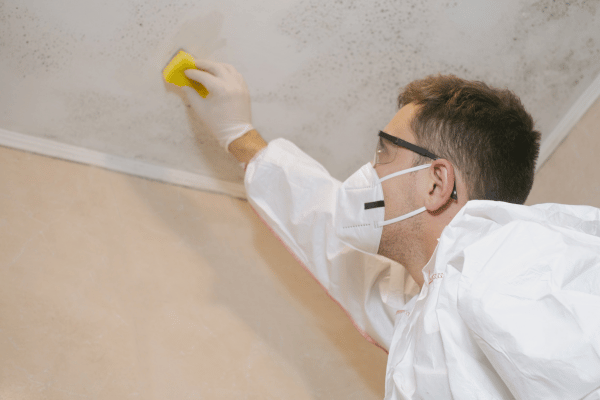
Protective worker in safety suit inspecting or treating mold spots on an indoor ceiling, addressing moisture damage and potential mold growth inside a building.

Hear from Our Customers

Professional Mold Detection Services

Know What You're Breathing Every Day

Mold doesn’t always show up where you can see it. It grows in wall cavities, under flooring, inside HVAC ducts, and behind baseboards. By the time you notice the musty smell or see discoloration, it’s already established.

A proper home mold inspection finds what standard home inspections miss. You get lab results that identify the type and concentration of mold in your air. That information matters when you’re trying to figure out if your headaches, respiratory issues, or allergy symptoms are connected to your home.

Early detection means smaller problems. Catching mold during an inspection gives you leverage to negotiate repairs before closing, or address issues before they spread. The average mold remediation costs over $2,300. Finding it early keeps that number lower—or off your bill entirely.

Mold Inspection Company in Ellerslie

Unbiased Testing With No Remediation Agenda

We’ve served Bucks County since 2002. We’re not the company that offers a “free inspection” and then sells you on expensive remediation work. That’s a conflict of interest, and Pennsylvania is moving toward regulations that make it illegal.

We do third-party mold inspection only. You get EPA-certified lab results and an honest assessment. No upselling, no scare tactics, just the facts about what’s in your home.

Ellerslie and the surrounding Bucks County area see higher-than-average rainfall and humidity. Cold, damp winters create perfect conditions for moisture buildup. Homes here need inspectors who understand local construction, common problem areas, and how Pennsylvania weather impacts indoor air quality.

Protective worker collecting a mold sample from a stained indoor ceiling using a swab, inspecting moisture damage and potential mold growth inside a building.

Our Mold Detection Process

What Happens During a Black Mold Inspection

First, we do a complete visual assessment of your property. That includes areas most people don’t check—crawl spaces, attics, behind appliances, around HVAC systems. We’re looking for visible mold, water damage, moisture issues, and conditions that support mold growth.

Next, we use moisture detection tools to identify hidden problems. Leaks, condensation, poor ventilation—these create the damp environments where mold thrives. Finding the moisture source is just as important as finding the mold itself.

Then we collect air samples and surface samples from affected areas. Those samples go to an EPA-certified lab for analysis. You receive a detailed report that identifies mold types, spore concentrations, and contamination levels. The report is easy to read and includes recommendations for next steps.

If remediation is needed, you’ll have documentation that helps you hire the right contractor, get accurate quotes, and verify the work was done correctly with post-remediation testing.

Home interior with mold remediation in progress as a worker sprays treatment on a wall using a ladder, while a resident relaxes on a covered sofa in a renovated living room.

Ready to get started?

Explore More Services

About Mack's Mold Removal

What's Included in Mold Testing

Complete Assessment, Lab Analysis, Written Report

Every mold inspection includes a full visual examination of your property, moisture mapping with professional-grade detection equipment, and air quality sampling. We collect samples from multiple areas to get an accurate picture of what’s happening throughout your home.

Lab analysis identifies specific mold species and concentration levels. Some molds are more problematic than others. Black mold gets the headlines, but other species can cause health issues too. The lab report tells you exactly what you’re dealing with.

In Ellerslie and Bucks County, we see mold problems most often in basements, bathrooms, and older homes with outdated ventilation systems. Properties that have experienced flooding—even minor water intrusion—almost always have mold present. Homes built before modern moisture barriers were standard often trap humidity in walls and crawl spaces.

You also get a written report with findings, photos, lab results, and recommendations. That documentation is valuable if you’re buying a home, selling a property, dealing with insurance claims, or just want proof that remediation work was necessary and effective.

How much does a mold inspection cost in Ellerslie, PA?

For most homes under 4,000 square feet in Bucks County, expect to pay between $300 and $400 for a complete mold inspection with lab testing. That typically includes a visual assessment, moisture detection, and two air samples sent to an EPA-certified lab.

Larger homes or properties with extensive suspected contamination cost more—usually $700 to $1,000—because they require additional sampling locations to get accurate results. More square footage means more potential problem areas and more samples needed for a thorough assessment.

The cost is worth it when you consider what you’re getting. Professional mold detection finds hidden issues that could cost thousands to remediate later. It gives you negotiating power during real estate transactions. And it provides answers if you’re experiencing unexplained health symptoms that might be mold-related.

A standard home inspection looks at the overall condition of a property—structure, systems, safety issues. Inspectors note visible mold if they see it, but they’re not testing air quality or looking behind walls. They’re generalists covering a lot of ground quickly.

A mold inspection is specialized. It focuses specifically on finding mold, identifying moisture problems, and testing air quality. We use moisture meters, thermal imaging, and lab analysis to detect mold you can’t see. Most mold grows in hidden areas—inside walls, under flooring, in HVAC ducts—where standard home inspections don’t look.

If you’re buying a home in Ellerslie or anywhere in Bucks County, a home inspection is required by most lenders. But if the property has had water damage, smells musty, or you’re concerned about mold, a separate mold inspection gives you information the standard inspection won’t provide. It’s especially important for older homes or properties with basement moisture issues.

Mold can start growing within 24 to 48 hours after materials get wet. That’s why water damage needs immediate attention—you have a very short window to dry things out before mold colonizes.

Once mold starts growing, it spreads quickly. Spores become airborne and settle on other damp surfaces throughout your home. A small leak behind a washing machine or under a sink can turn into a larger contamination problem in less than a week.

This is particularly relevant in Ellerslie and Bucks County, where humidity levels stay high much of the year. Even without obvious water damage, condensation and poor ventilation create conditions where mold can establish itself. Basements, crawl spaces, and bathrooms are especially vulnerable. If you’ve had any water intrusion—roof leak, plumbing issue, flooding—get a mold inspection even if you don’t see visible growth.

Home mold test kits are available, but they have serious limitations. Most don’t tell you what type of mold you have or how much is present—just that mold exists, which isn’t particularly useful since nearly every home has some mold spores in the air.

The bigger issue is that DIY kits can’t find hidden mold. You’re only testing areas you can reach, which means you’re missing the places where mold actually causes problems—inside walls, under flooring, in ductwork. Without moisture detection equipment and experience knowing where to look, you’re guessing.

Professional mold detection uses EPA-certified lab analysis that identifies specific mold species and concentration levels. That information matters for health concerns and remediation planning. A professional inspection also includes moisture mapping to find the source of the problem, not just the symptoms. If you’re dealing with health issues, buying or selling a home, or need documentation for insurance or legal purposes, home kits won’t give you the credible results you need.

A thorough mold inspection finds the vast majority of mold problems, but there’s no way to guarantee every single spore is detected. Mold inspection identifies active growth, moisture issues, and air quality problems. The goal is to locate contamination that’s affecting your health or property—not to find every microscopic colony.

We focus on areas where mold typically grows: basements, crawl spaces, bathrooms, kitchens, attics, around windows and doors, near HVAC systems, and anywhere water damage has occurred. Air sampling captures spores that are circulating through your home, which indicates active mold growth somewhere in the property.

If moisture problems exist, mold is likely present even if it’s not immediately visible. That’s why moisture detection is part of every inspection. Finding and fixing moisture sources prevent future mold growth. In Bucks County’s humid climate, controlling moisture is ongoing. A good inspection doesn’t just find existing mold—it identifies conditions that will cause mold problems down the road if left unaddressed.

Yes, especially if the home is older, has a basement, or shows any signs of water damage or poor ventilation. Standard home inspections don’t include mold testing. You might get a note that says “musty odor detected” or “possible water stains observed,” but that doesn’t tell you if mold is present or how extensive the problem is.

Mold remediation costs average over $2,300, and severe cases run much higher. Finding mold during your inspection period gives you options: negotiate for the seller to handle remediation, adjust the purchase price, or walk away if the problem is too extensive. Without testing, you’re buying blind.

Ellerslie and Bucks County properties face higher mold risk due to climate conditions. Homes that have experienced any flooding—and many in this area have—almost certainly have mold issues. Pre-purchase mold inspection is cheap insurance compared to discovering a major contamination problem after closing. The inspection also gives you baseline documentation of the property’s condition, which protects you if issues develop later.

Other Services we provide in Ellerslie