
Mold Inspection in Eddington Gardens, PA

Find the Mold Before It Finds You

You get thermal imaging, air sampling, and a full moisture assessment—plus a clear report that tells you exactly what’s happening and what to do next.
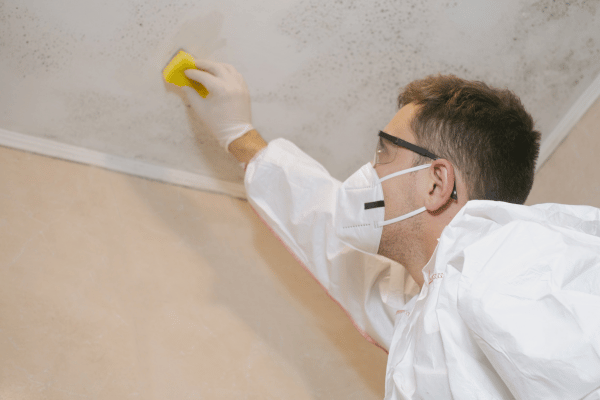
Protective worker in safety suit inspecting or treating mold spots on an indoor ceiling, addressing moisture damage and potential mold growth inside a building.

Hear from Our Customers

Mold Detection Services in Eddington Gardens

Know What You're Dealing With—Actually Know

You’re not looking for someone to tell you mold “might” be there. You need to know where it is, what type it is, and why it showed up in the first place.

That’s what a real mold inspection does. It doesn’t guess. It doesn’t sell you on worst-case scenarios. It uses infrared moisture mapping and air quality testing to show you exactly what’s growing, where the water’s coming from, and what needs to happen next.

You walk away with a detailed report. Not a sales pitch. Not a vague estimate. A documented assessment that tells you if you’ve got a problem, how bad it is, and what the fix actually looks like. That’s the difference between reacting to symptoms and solving the issue at the source.

Certified Mold Inspectors Serving Bucks County

We've Been Doing This in Bucks County for Years

We work throughout Bucks County, and we’ve seen what Pennsylvania’s humidity and older housing stock can do. Eddington Gardens has its share of beautiful homes—but basements, crawl spaces, and attics don’t care how nice your neighborhood is.

We’re certified mold inspectors trained to find what you can’t see. Our equipment gets calibrated daily, and our samples go to independent third-party labs for analysis. We don’t remediate what we inspect, so there’s no incentive to exaggerate. You get honest findings and a plan that makes sense.

If you’ve been dealing with musty smells, allergy symptoms that won’t quit, or visible staining you can’t explain, we’ll tell you what’s actually going on.

Protective worker collecting a mold sample from a stained indoor ceiling using a swab, inspecting moisture damage and potential mold growth inside a building.

Our Mold Inspection Process Explained

Here's What Happens During Your Inspection

We start with a walkthrough. You show us the areas that concern you, and we look at the places most people miss—behind appliances, inside HVAC systems, around plumbing penetrations, under sinks.

Then we use thermal imaging to map temperature differences that indicate moisture. If there’s a wet spot behind drywall or insulation holding water, we’ll find it. We also take air samples to measure mold spore levels and identify specific types. Surface samples get collected if there’s visible growth.

Everything gets sent to a certified lab. You’ll receive a full report within a few days that breaks down spore counts, moisture readings, and contamination levels. We’ll walk you through the findings and explain what they mean in plain terms. If remediation is needed, we’ll tell you what scope makes sense—and what doesn’t. No upselling. No scare tactics. Just the facts and a clear next step.

Home interior with mold remediation in progress as a worker sprays treatment on a wall using a ladder, while a resident relaxes on a covered sofa in a renovated living room.

Ready to get started?

Explore More Services

About Mack's Mold Removal

What's Included in a Home Mold Inspection

You Get More Than Just a Mold Test

A mold inspection isn’t just swabbing a wall and calling it done. You’re getting a full assessment of your indoor air quality, moisture conditions, and potential contamination sources.

We inspect your HVAC system, check ductwork for hidden growth, and evaluate ventilation issues that might be feeding the problem. In Eddington Gardens, where homes deal with humid summers and freeze-thaw cycles all winter, moisture intrusion is common. Roof leaks, foundation seepage, condensation in attics—it all creates conditions for mold to thrive.

Our inspections also identify the “why” behind the mold. Maybe it’s a plumbing leak you didn’t know about. Maybe your bathroom exhaust isn’t vented properly. Maybe your crawl space has standing water after every heavy rain. We find the root cause so you’re not just treating symptoms. You’ll know what needs to be fixed to prevent mold from coming back, and you’ll have documentation you can use for insurance claims or contractor estimates if needed.

How much does a mold inspection cost in Eddington Gardens, PA?

Most residential mold inspections in Bucks County run between $300 and $600, depending on the size of your home and how many samples need to be collected. If you’ve got a smaller home with one or two areas of concern, you’re likely on the lower end. Larger homes or properties with multiple moisture issues will cost more because there’s more ground to cover.

The price includes the on-site inspection, thermal imaging, moisture readings, air and surface sampling, lab analysis, and a detailed report. Some companies charge extra for lab fees or rush results—we don’t. You get everything up front with no surprise add-ons.

If you’re buying a home and need an inspection before closing, let us know. We can usually accommodate tighter timelines, and the report you receive will give you leverage if issues come up during negotiations.

Mold testing is just one part of a mold inspection. Testing means collecting samples—air, surface, or bulk—and sending them to a lab to identify mold types and spore counts. That tells you *what* is there.

A mold inspection is broader. It includes testing, but it also includes a visual assessment, moisture mapping, and identifying the conditions that allowed mold to grow in the first place. You’re not just finding out if mold exists—you’re learning where it’s coming from, why it’s there, and what needs to change to stop it.

Home test kits you buy at the hardware store only tell you if mold spores are present, which isn’t useful because mold spores are everywhere. They don’t tell you the concentration, the type, or whether it’s a health risk. A professional inspection gives you context and a plan, not just a yes-or-no answer.

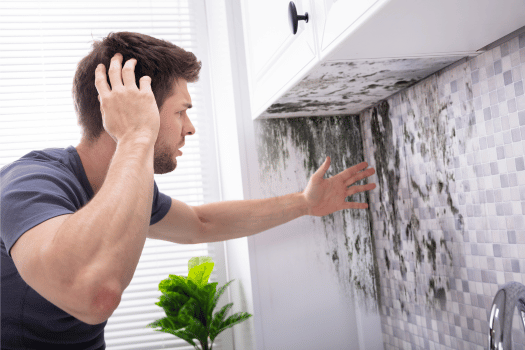
Sometimes you can see it. Black or green staining on walls, fuzzy growth on wood, discoloration around vents—that’s visible mold, and it’s a clear sign you’ve got a moisture problem.

But most of the time, the mold you need to worry about is hidden. It grows inside wall cavities, under flooring, in attic insulation, behind cabinets, and inside HVAC ducts. You might smell it before you see it—that musty, damp odor that doesn’t go away even after you clean.

That’s why we use thermal imaging and moisture meters. We can detect wet building materials and temperature anomalies that indicate hidden moisture. If there’s mold growing somewhere you can’t access, we’ll find it. And if you’re experiencing symptoms like headaches, congestion, or respiratory irritation that improve when you leave the house, that’s often a sign of hidden contamination affecting your indoor air quality.

Most inspections take between one and three hours, depending on the size of your home and how many areas we need to evaluate. A small condo or townhouse might only take an hour. A larger single-family home with a basement, attic, and crawl space will take longer.

We’re not rushing through it. We’re checking every area where moisture problems typically show up—bathrooms, kitchens, basements, around windows, near plumbing fixtures, inside closets on exterior walls. We’re also running diagnostic equipment and collecting samples, which takes time to do correctly.

After the inspection, lab results usually come back within three to five business days. Once we have the data, we’ll schedule a call or follow-up meeting to review the findings and answer your questions. If you need results faster for a real estate transaction, let us know and we can request expedited lab processing.

If the home you’re buying is older, has had water damage, or shows any signs of moisture issues, yes—you should get a mold inspection before you close. A standard home inspection doesn’t include mold testing, and inspectors aren’t required to look inside walls or test air quality.

Eddington Gardens has a mix of older and newer construction, and older homes in Bucks County are especially prone to basement moisture, roof leaks, and outdated ventilation. If the seller recently painted over stains, replaced flooring, or finished a basement, that’s a red flag. Cosmetic fixes can hide mold problems that will become your problem after closing.

A pre-purchase mold inspection gives you documentation you can use to negotiate repairs, request a price reduction, or walk away if the contamination is severe. It’s a few hundred dollars now versus thousands in remediation costs later—and potential health issues you didn’t sign up for.

If we find mold, you’ll get a report that explains the type, the concentration, the affected areas, and the likely moisture source. From there, you decide what to do next.

Small areas of surface mold—like around a bathroom exhaust fan or under a sink—can often be cleaned and prevented with better ventilation or a minor plumbing fix. Larger contamination, especially if it involves porous materials like drywall or insulation, usually requires professional remediation.

We’ll give you a realistic scope of what needs to happen. If it’s something you can handle yourself, we’ll tell you. If it requires containment, removal, and rebuilding, we’ll explain why. Since we don’t perform remediation on properties we inspect, you’re getting unbiased recommendations. You can take our report to any remediation company you choose, or we can refer you to contractors we trust. Either way, you’re in control of the next step.

Other Services we provide in Eddington Gardens