

Mold Inspection in Fergusonville, PA

Find Hidden Mold Before It Costs You

Professional mold detection that protects your family’s health and your home’s value in Fergusonville’s older housing stock.
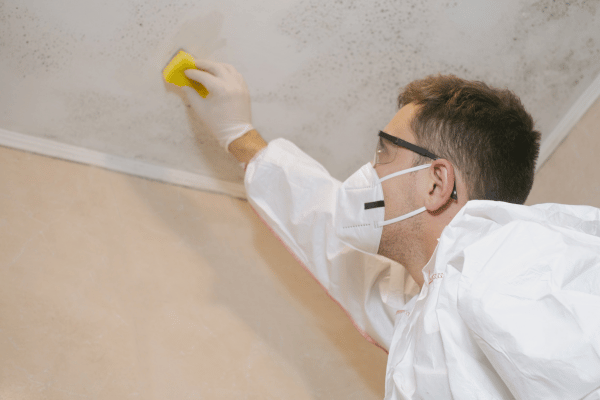
Protective worker in safety suit inspecting or treating mold spots on an indoor ceiling, addressing moisture damage and potential mold growth inside a building.

Hear from Our Customers

Mold Detection Services in Fergusonville

Catch Problems Early, Avoid Expensive Fixes Later

You can’t see mold growing behind your walls, under your floors, or in your ceiling cavities. But it’s there in nearly half of all homes, quietly eating away at your property and putting your family’s respiratory health at risk.

A professional home mold inspection finds those hidden problems before they turn into five-figure remediation bills. We use thermal imaging and moisture meters to detect mold in places you’d never think to look. That means you get ahead of the damage instead of reacting to it when it’s already spread.

Most Fergusonville homes were built between 1940 and 1969. Older construction methods and outdated ventilation systems make these houses especially vulnerable to moisture problems. A small leak you don’t know about becomes a major mold issue in just a few months. Early detection through black mold inspection and comprehensive testing gives you options before the problem controls your timeline and your budget.

Mold Inspection Company Serving Fergusonville

Local Experts Who Know These Homes

We serve homeowners throughout Fergusonville and Bucks County. We’re not a franchise following a corporate script. We’re local professionals who understand how Pennsylvania’s climate and the area’s older housing stock create specific mold risks.

We’ve inspected hundreds of homes built in the same era as most Fergusonville properties. We know where to look and what to look for. Our inspections are thorough, our reports are clear, and we don’t use high-pressure sales tactics to push unnecessary services.

You get straight answers about what’s happening in your home and what your options are. If you need remediation, we handle that too. If you don’t, we’ll tell you that as well.

Protective worker collecting a mold sample from a stained indoor ceiling using a swab, inspecting moisture damage and potential mold growth inside a building.

Our Mold Detection Process

What Happens During Your Inspection

We start with a free initial inspection of your property. You show us any areas where you’ve noticed water damage, musty odors, or visible mold growth. We also check common problem areas like basements, crawl spaces, attics, and around plumbing fixtures.

We use moisture meters to identify elevated moisture levels inside walls and other hidden spaces. Thermal imaging helps us spot temperature differences that indicate water intrusion or poor ventilation. If we find conditions that support mold growth, we can collect air samples or surface samples for lab testing to identify the specific type and concentration of mold spores.

You receive a detailed report that documents what we found, where we found it, and what it means for your property. We explain the health risks, the potential for structural damage, and your options for addressing the problem. If remediation is needed, we provide a clear scope of work and a straightforward estimate. No surprises, no upselling services you don’t need.

Home interior with mold remediation in progress as a worker sprays treatment on a wall using a ladder, while a resident relaxes on a covered sofa in a renovated living room.

Ready to get started?

Explore More Services

About Mack's Mold Removal

Home Mold Inspection in Fergusonville

What's Included in Your Inspection

Your mold inspection covers all accessible areas of your home. We examine visible surfaces, but more importantly, we look for hidden moisture and mold growth using specialized detection equipment. This includes checking behind appliances, inside HVAC systems, and in structural cavities where mold typically starts.

Fergusonville’s housing market remains active, with Pennsylvania home prices up nearly 4% year-over-year. If you’re buying or selling, a mold inspection protects your investment and prevents deal-killing surprises during the transaction. Sellers get documentation that shows the property is clean. Buyers get peace of mind before closing.

For current homeowners, regular inspections make sense if your home was built before 1970, if you’ve had any water damage or plumbing leaks, or if anyone in your household has unexplained respiratory symptoms. Mold contributes to over 4.6 million asthma cases annually in the U.S. Removing mold can reduce asthma symptoms by 25% to 45%. That’s not a small thing when it’s your kid struggling to breathe at night.

How much does a mold inspection cost in Fergusonville, PA?

We offer a free initial inspection to assess your property and identify any visible concerns or high-risk areas. If you need comprehensive testing with lab analysis of air or surface samples, costs typically range from $300 to $600 depending on the size of your home and the number of samples required.

That investment is minimal compared to the cost of ignoring a mold problem. Remediation for extensive mold growth can run into the thousands or tens of thousands of dollars. Catching it early through professional mold detection services means smaller affected areas and lower remediation costs.

Most homeowners in Fergusonville contact us after noticing a musty smell, seeing water stains, or dealing with persistent allergy symptoms at home. The inspection confirms whether mold is the issue and gives you a clear path forward.

A typical home mold inspection takes between one and three hours depending on the size of your property and the number of areas we need to examine. Smaller homes with no obvious moisture issues go faster. Larger homes or properties with basements, crawl spaces, and attics require more time.

We don’t rush the process. Thorough detection means checking all the places mold likes to hide, not just the spots you can see. We use moisture meters and thermal imaging throughout the property to identify problem areas that wouldn’t show up in a visual inspection alone.

If we collect samples for lab testing, you’ll receive results within a few days. We provide a detailed written report that documents our findings and recommendations. You’re not left guessing about what happens next.

You need a mold inspection if you notice musty or earthy odors that don’t go away, visible mold growth on walls or ceilings, water stains or discoloration, or if anyone in your home has developed unexplained respiratory problems or allergy symptoms that improve when they leave the house.

Other red flags include recent water damage from leaks or flooding, condensation on windows or pipes, peeling paint or wallpaper, and warped or soft drywall. Homes in Fergusonville built between 1940 and 1969 often have ventilation issues that create perfect conditions for mold growth even without obvious water damage.

Don’t wait until you see visible mold. By that point, you likely have a much larger problem hidden behind surfaces. Professional black mold inspection and testing catch issues early when they’re easier and cheaper to fix.

DIY mold test kits from hardware stores can tell you if mold spores are present, but that’s not particularly useful information. Mold spores exist in virtually every indoor environment. What matters is the type of mold, the concentration of spores, and the source of moisture feeding the growth.

Professional mold detection services use calibrated equipment to measure moisture levels inside building materials, thermal imaging to identify hidden water intrusion, and proper sampling techniques that provide accurate lab results. We also know where to look based on how homes are constructed and where moisture problems typically develop.

More importantly, a professional inspection gives you a clear assessment of the extent of the problem and what it will take to fix it. You’re not just finding out you have mold—you’re getting a roadmap for addressing it properly so it doesn’t come back.

Black mold, specifically Stachybotrys chartarum, gets the most attention because it produces mycotoxins that can cause serious health problems. But other mold types including Aspergillus, Penicillium, and Cladosporium also trigger respiratory issues, allergic reactions, and asthma attacks, especially in children, elderly individuals, and anyone with compromised immune systems.

The health risk depends on the type of mold, the concentration of spores in your indoor air, and your personal sensitivity. Some people react to relatively low levels of mold exposure while others tolerate higher concentrations without obvious symptoms. That doesn’t mean the mold isn’t causing damage to your property or creating long-term health risks.

Any mold growth in your home indicates a moisture problem that needs to be addressed. Professional testing identifies the specific mold types present and measures spore concentrations so you understand the actual risk level in your home.

Homeowners insurance coverage for mold varies significantly by policy and by the cause of the mold growth. If mold resulted from a sudden, covered event like a burst pipe or storm damage, your insurance may cover both testing and remediation. If mold developed gradually due to ongoing moisture problems or lack of maintenance, most policies won’t cover it.

Pennsylvania courts have awarded damages up to $150,000 in mold-related health cases, which has made insurance companies more cautious about mold coverage. Many policies now include specific mold exclusions or cap coverage at $5,000 to $10,000.

The best approach is to review your policy and contact your insurance company before scheduling remediation. A professional mold inspection report provides the documentation insurers require to process claims. Even if your policy doesn’t cover the work, you’ll have a clear understanding of the scope and cost so you can make informed decisions about protecting your home and your family’s health.

Other Services we provide in Fergusonville