
Hear from Our Customers
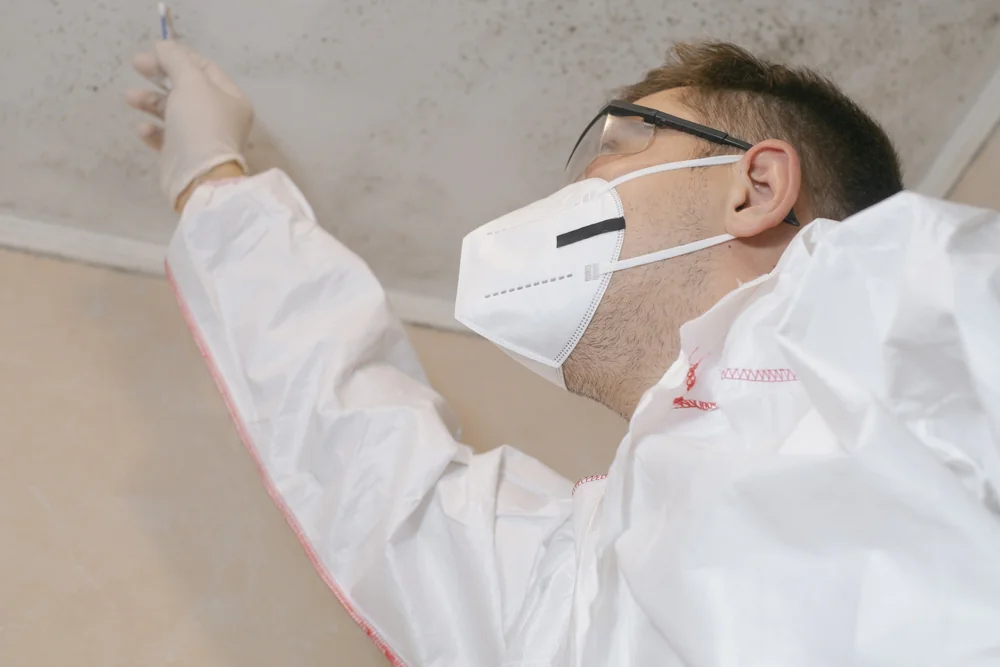
You can’t fix what you can’t see. That’s the problem with mold in Will O Wood homes – it hides in crawl spaces, behind walls, under flooring, and in attics where Pennsylvania’s humid summers create perfect growing conditions.
A professional mold inspection gives you the full picture. Not just surface-level guessing, but thermal imaging that shows moisture patterns, air quality testing that identifies spore concentrations, and lab analysis that tells you exactly which species you’re dealing with. You’ll know if that musty smell is actually a problem, or if those health symptoms your family’s experiencing are connected to what’s growing in your home.
The inspection also documents everything for insurance claims and real estate transactions. If you’re buying or selling, mold can drop property values by 20-37% or kill deals entirely. Having professional documentation protects your investment and gives you leverage when you need it.
You get clarity instead of worry. You get a roadmap instead of confusion. And you get answers from someone who’s seen this before and knows exactly what needs to happen next.
We serve Will O Wood and throughout Bucks County with one focus – finding mold problems before they become disasters. We’re not new to Pennsylvania’s climate challenges or the older housing stock near the Delaware River that holds moisture differently than newer construction.
Our inspectors use thermal imaging cameras, calibrated moisture meters, and air quality testing equipment that accesses areas you can’t easily reach. Every sample goes to an EPA-certified lab for species identification and concentration analysis. You’re not getting a pass-fail result from a hardware store kit – you’re getting detailed information about what’s actually in your air and where it’s coming from.
We work directly with insurance companies when claims are involved, and we’ve helped hundreds of homeowners document mold issues for real estate transactions. You’ll talk to someone who answers the phone, shows up on time, and explains what they find in plain language.
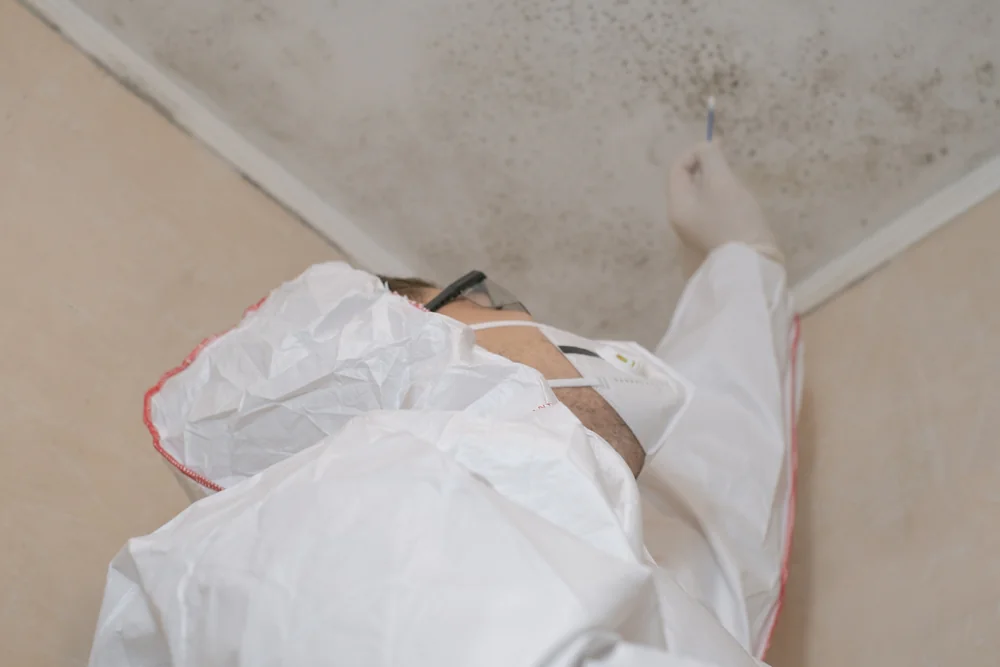
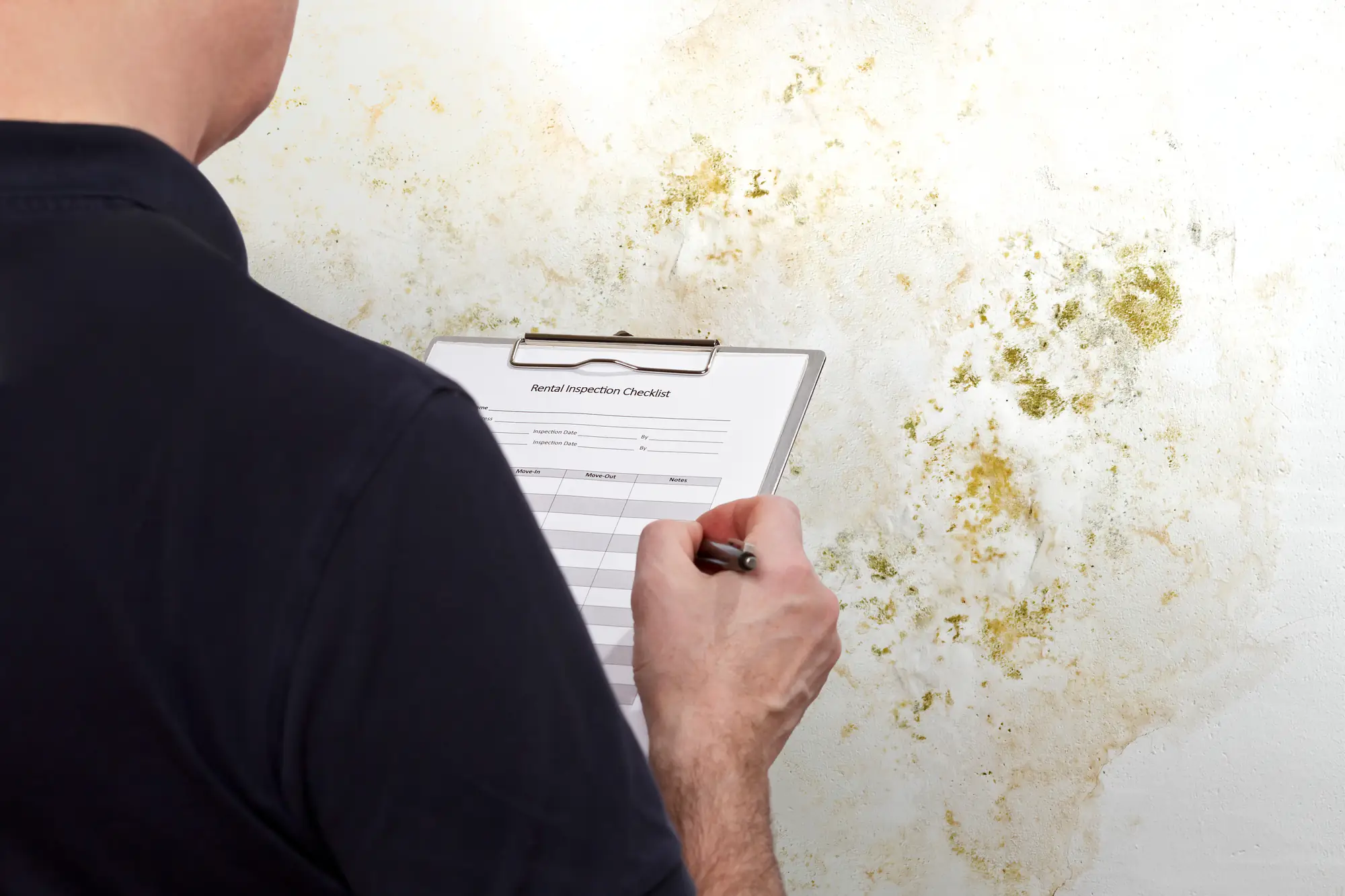
We start with a free visual assessment of your entire property. That means basements, bathrooms, attics, crawl spaces – anywhere moisture could be hiding. We’re looking for visible growth, water stains, condensation patterns, and ventilation issues that create environments where mold thrives.
Next comes the technology. Thermal imaging shows us temperature differences that indicate moisture behind walls and ceilings. Moisture meters give us exact readings in building materials. If we find elevated levels or visible growth, we take air samples and surface samples that go to an independent lab for analysis.
The lab identifies specific mold species – Aspergillus, Penicillium, Cladosporium, Stachybotrys – and measures concentration levels compared to normal outdoor readings. This tells us if you have an actual problem or just normal background levels. Results come back in 3-5 business days.
You receive a detailed report that explains what we found, what it means for your health and property, and what needs to happen next. If remediation is necessary, we give you a clear scope of work with transparent pricing. If it’s not, we tell you that too. No pressure, no upselling – just honest answers from someone who’s done this enough times to know the difference.

Ready to get started?
Your mold inspection covers the full property assessment with advanced detection equipment. We use thermal imaging to map moisture patterns, digital moisture meters to measure humidity levels in walls and flooring, and air quality testing to measure spore concentrations throughout your home.
Every inspection includes EPA-certified laboratory analysis. Surface samples identify what’s growing on visible areas. Air samples measure what you’re breathing. The lab report breaks down species types, concentration levels, and health risk categories so you understand exactly what you’re dealing with.
In Will O Wood and Bucks County, we’re looking specifically for moisture issues common to this area – basement seepage from older foundations, attic condensation from temperature swings, bathroom ventilation problems, and HVAC systems that create humid pockets. Nearly half of Pennsylvania homes show evidence of mold contamination, largely because our climate sits in that danger zone where humidity doesn’t evaporate quickly and enclosed spaces stay damp long enough for growth to take hold.
You also get documentation that works for insurance claims and real estate transactions. We photograph everything, provide detailed moisture readings, and create reports that adjusters and home inspectors actually need. If you’re in the middle of buying or selling, this documentation can save or protect tens of thousands of dollars in property value.
Most home mold inspections take between 2-4 hours depending on your property size and how many areas need detailed assessment. A typical single-family home runs about 2.5 hours from start to finish.
That includes the complete visual inspection, thermal imaging of walls and ceilings, moisture readings throughout the property, and collecting air and surface samples for lab analysis. We’re not rushing through – we’re checking basements, crawl spaces, attics, bathrooms, and anywhere else moisture could be hiding.
The lab analysis takes an additional 3-5 business days. That’s when you get the detailed report identifying specific mold species and concentration levels. If you need results faster for a real estate closing or insurance claim, expedited lab processing is available.
DIY kits test one small area and tell you if mold is present – which it almost always is, because mold spores exist everywhere. They can’t tell you concentration levels, specific species, or whether what they found is actually a problem compared to normal outdoor levels.
Professional mold detection uses calibrated equipment to find hidden moisture and growth behind walls, under flooring, and in areas you can’t access. Thermal imaging shows temperature differences that indicate water intrusion. Air sampling measures what you’re actually breathing throughout your home, not just one spot.
The lab analysis identifies exact species – some are relatively harmless, others like Stachybotrys (black mold) require immediate attention. You get concentration measurements that show whether levels are elevated compared to outdoor baselines. That’s the difference between “mold exists” and “you have a problem that needs fixing.”
Most importantly, professional inspections document everything for insurance claims and real estate transactions. DIY results don’t hold up when you need to prove coverage or negotiate a home sale.
We offer free initial inspections with no obligation. That gets you the full visual assessment and moisture readings throughout your property. If you need lab testing for species identification and concentration analysis, that’s typically $300-600 depending on how many samples we need to collect.
The cost depends on your property size and how many areas require testing. A small condo with one suspected area costs less than a large home where we’re testing multiple rooms. We give you upfront pricing before collecting any samples – no surprises.
Lab testing makes sense when you’re dealing with insurance claims, real estate transactions, or health symptoms that might be mold-related. It gives you documentation that actually means something instead of guessing. If you just need to know whether that spot in your bathroom is a problem, the visual inspection and moisture readings usually tell us what we need to know.
We also work with your insurance company when claims are involved. Many policies cover testing and remediation when mold results from a covered event like a pipe burst or roof leak.
Absolutely. Pennsylvania’s humid summers create ideal conditions for hidden mold growth, especially in older homes with limited insulation and ventilation. Moisture gets trapped in wall cavities from condensation, slow leaks, or water intrusion during storms – and mold starts growing within 24-48 hours.
You might notice musty odors, increased allergy symptoms, or higher humidity levels in certain rooms without seeing any visible growth. That’s because the mold is thriving behind drywall, under flooring, or in ceiling cavities where air doesn’t circulate well.
Thermal imaging picks up temperature differences that indicate moisture problems behind surfaces. Moisture meters measure humidity levels inside wall cavities and building materials. If readings are elevated, we know there’s a problem even when nothing’s visible from the outside.
This is especially common in Will O Wood homes near the Delaware River where ground moisture affects basements and crawl spaces, and in properties with older HVAC systems that create condensation in ductwork. The mold grows where you can’t see it, but it’s still affecting your indoor air quality and potentially causing the health symptoms your family’s experiencing.
First, you get a detailed lab report identifying the specific mold species and concentration levels. That tells us whether you’re dealing with common molds like Cladosporium or more concerning species like Stachybotrys. The concentration measurements show whether levels are elevated compared to normal outdoor readings.
We explain what the results mean for your health and property, then provide a clear scope of work for remediation if needed. That includes which areas require treatment, what the process involves, and transparent pricing before any work begins. You’re not locked into using us for remediation – the inspection report is yours to use however you need.
If you’re in the middle of a real estate transaction, the documentation gives you negotiating power. Buyers can request remediation before closing or ask for price reductions. Sellers can address the problem proactively to avoid deals falling through. About half of home buyers walk away when mold is discovered, and property values can drop 20-37% – so having professional documentation protects everyone involved.
For insurance claims, we work directly with adjusters to show that mold resulted from a covered event and that you took reasonable steps to address it. The detailed report and photographs provide the proof insurance companies require for coverage.
We offer 24/7 emergency service for urgent situations like flooding, pipe bursts, or sudden water damage where mold growth is imminent. For those cases, we can typically get someone to your property within hours.
For standard inspections, we usually schedule within 1-3 business days depending on current demand. We know you’re not calling because everything’s fine – you’re calling because something’s wrong and you need answers. We don’t make you wait two weeks wondering if your family’s breathing in toxic mold.
The inspection itself takes 2-4 hours, and lab results come back in 3-5 business days. If you’re on a tight timeline for a real estate closing or insurance claim, we can expedite lab processing to get results faster.
Once we have results, we schedule a follow-up call to review findings and discuss next steps. If remediation is needed, we can often start within a few days of receiving lab confirmation. The whole process from initial call to starting treatment typically runs 1-2 weeks for standard situations, faster for emergencies.
Other Services we provide in Will O Wood