
Hear from Our Customers
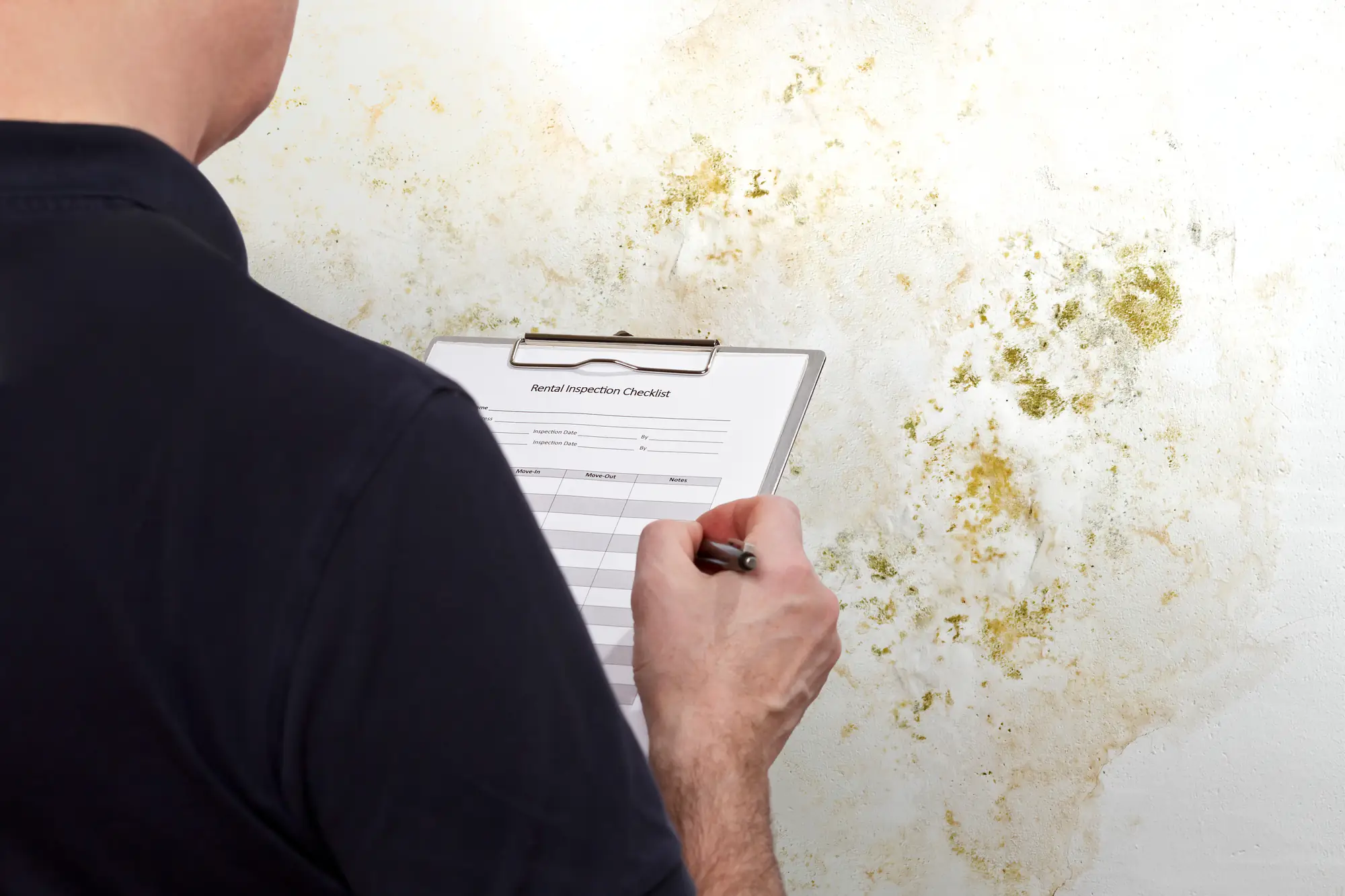
You’re not imagining that musty smell. Your headaches aren’t random. And that dark spot near the basement window isn’t going away on its own.
A real mold inspection tells you three things: whether you have mold, where it’s growing, and what caused it. Without that information, you’re guessing. And guessing costs more in the long run.
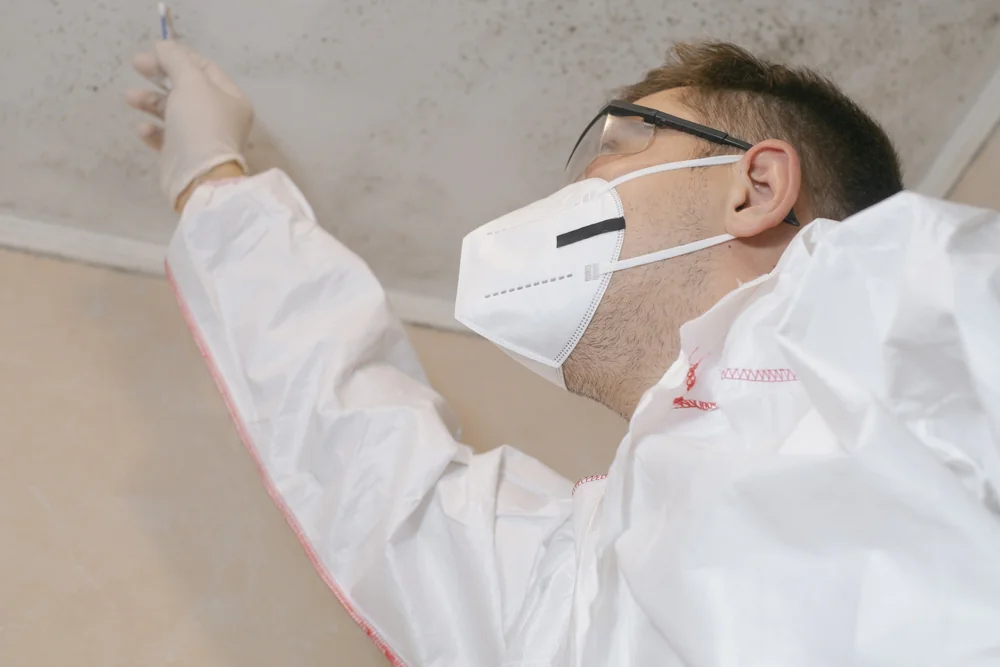
We use thermal imaging and moisture meters to map out problem areas you can’t see. Most mold hides behind drywall, under flooring, or inside HVAC ducts. By the time it’s visible, it’s usually been growing for weeks. Our equipment picks up temperature differences and moisture levels that point directly to active growth.
You’ll get a written report that breaks down what we found, what needs to happen next, and what’s causing the moisture in the first place. No upselling. No scare tactics. Just the facts you need to make a decision.
We work with homeowners across Feasterville and the surrounding Bucks County area. We know the housing stock here. Most homes were built between the 1950s and 1980s, and a lot of them have basements that weren’t waterproofed properly. Add in Pennsylvania’s humid summers and freeze-thaw cycles, and you’ve got the perfect recipe for moisture problems.
We’re certified inspectors, not salespeople. Our job is to assess the situation and give you accurate information. If you don’t have mold, we’ll tell you. If you do, we’ll explain what it’ll take to fix it and how to keep it from coming back.
We’ve seen what happens when people ignore the problem or try to handle it themselves. It doesn’t go away. It gets worse, and it gets expensive.
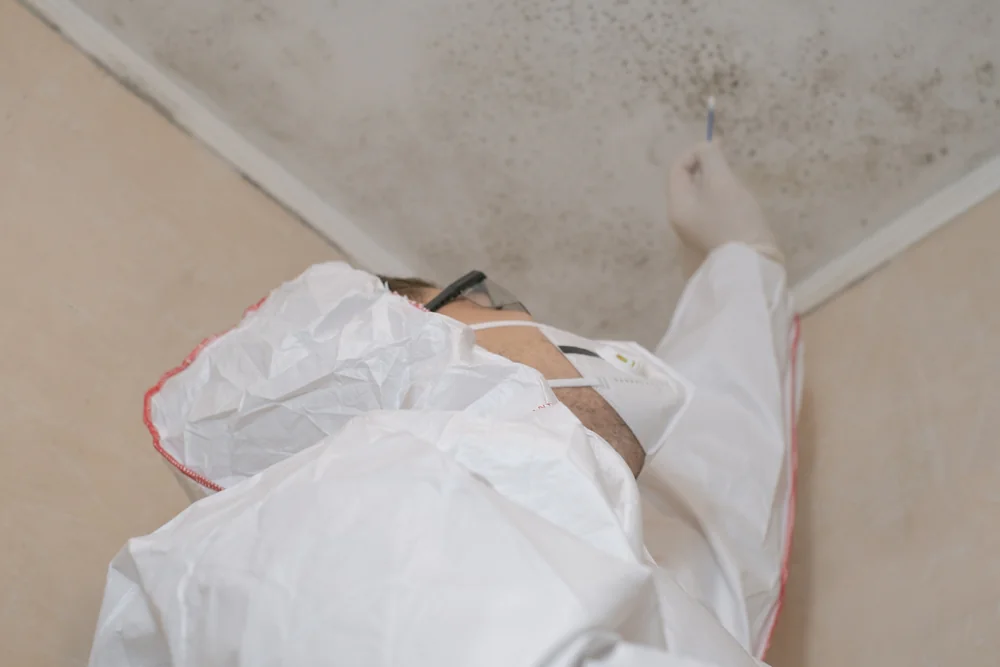
We start with a visual assessment of your property. That means checking basements, crawl spaces, attics, bathrooms, kitchens, and anywhere water or humidity tends to collect. We’re looking for visible growth, water stains, warping, and discoloration.
Then we bring out the tools. Moisture meters tell us how much water is sitting inside your drywall, wood framing, and subflooring. Thermal imaging cameras show us temperature differences that indicate hidden moisture or poor ventilation. If we find something suspicious, we can take air or surface samples and send them to a lab for analysis.
The whole process usually takes one to two hours depending on the size of your home. After that, you’ll get a detailed report that outlines what we found, where the moisture is coming from, and what needs to happen next. If remediation is necessary, we’ll walk you through the scope of work and give you a clear estimate. If it’s not, we’ll tell you that too.

Ready to get started?
You’re not just paying for someone to look around. A proper mold inspection includes moisture mapping, thermal imaging, air quality testing if needed, and a written report with photos and findings.
In Feasterville, we see a lot of mold tied to foundation cracks, poor grading around the home, and outdated HVAC systems that don’t ventilate properly. Older homes here were built before modern moisture barriers became standard. That means water can seep through foundation walls, especially after heavy rain or snowmelt.
We also check for plumbing leaks, roof leaks, condensation around windows, and humidity levels in your basement or crawl space. Mold doesn’t grow without moisture. Find the moisture source, and you can stop the mold for good.
Our inspections are designed to give you the full picture. That includes identifying the type of mold if testing is warranted, understanding the extent of contamination, and knowing whether your HVAC system is spreading spores to other parts of the house. If you’re dealing with insurance, our documentation holds up.

If you smell something musty, see discoloration on walls or ceilings, or you’ve had water damage in the past six months, it’s worth getting checked. A lot of people wait until they see visible mold, but by that point it’s usually been growing for a while.
You should also consider an inspection if anyone in your household is dealing with unexplained respiratory issues, headaches, or allergy symptoms that get worse at home. Mold releases spores into the air, and those spores can trigger reactions even if you can’t see the source.
Homes in Feasterville with basements, crawl spaces, or older HVAC systems are at higher risk. If your home was built before 1980 and you’ve never had a moisture assessment, that’s another reason to bring someone in. It’s not about being paranoid. It’s about knowing what’s happening inside your walls before it becomes a bigger problem.
An inspection is a visual and technical assessment using moisture meters and thermal imaging. Testing involves taking samples—either from the air or from surfaces—and sending them to a lab to identify the type and concentration of mold present.
Not every inspection requires testing. If we can clearly see mold growth and identify the moisture source, testing won’t change the plan. You still need to remove the mold and fix the leak. Testing makes sense when you’re dealing with hidden mold, when someone in the home has serious health symptoms, or when you need documentation for insurance or legal reasons.
Testing adds time and cost, so we only recommend it when it’s actually useful. If you’re trying to confirm whether that dark spot is mold or just dirt, a surface test can give you a definitive answer. If you’re concerned about air quality after remediation, an air test can verify that spore levels are back to normal.
If it’s a small area—less than 10 square feet—and it’s on a non-porous surface like tile or glass, you can usually handle it with the right cleaner and some ventilation. But if it’s on drywall, wood, insulation, or carpet, cleaning the surface won’t solve the problem. The mold has likely penetrated the material, and it’ll come back unless you remove it entirely.
The bigger issue is figuring out why the mold is there in the first place. If you don’t fix the moisture source, you’re just buying time. We’ve seen people scrub down a basement wall three times in one year because they never addressed the foundation crack letting water in.
There’s also the health risk. Disturbing mold releases spores into the air, and if you’re not wearing proper respiratory protection or containing the area, you’re exposing yourself and your family. Black mold in particular can cause serious reactions. If you’re dealing with anything larger than a small patch, or if you’re not sure what you’re looking at, bring in a professional.
Most inspections take between one and two hours depending on the size of your home and how many areas we need to check. If your home is larger, has multiple levels, or has a crawl space and attic, it might take closer to two hours.
We’re not rushing through it. We’re checking every area where moisture tends to accumulate—basements, bathrooms, kitchens, laundry rooms, attics, and around windows and doors. We’re also using equipment that requires time to get accurate readings.
After the inspection, you’ll usually have the written report within 24 to 48 hours. If we send samples to a lab for testing, results typically come back in three to five business days. We’ll walk you through the findings as soon as we have them, and if remediation is needed, we can usually start within a few days of your approval.
It depends on what caused the mold. If it’s the result of a sudden, accidental event—like a burst pipe or a roof leak from storm damage—most policies will cover remediation. If it’s from long-term neglect, poor maintenance, or gradual moisture buildup, they probably won’t.
Insurance companies want to see documentation. That’s where a professional inspection helps. Our reports include photos, moisture readings, and a clear explanation of what caused the problem. That documentation can make the difference between a claim getting approved or denied.
Before you file a claim, check your policy. Some insurers require you to use their preferred vendors. Others will reimburse you after the work is done. And some policies have mold coverage caps—often between $5,000 and $10,000—so if the damage is extensive, you might be covering part of the cost out of pocket. We can work with your adjuster to make sure the scope of work matches what’s actually needed.
We’ll show you exactly where it is, explain how severe the contamination is, and identify what’s causing the moisture. From there, you’ll get a written report and a remediation plan that outlines what needs to be removed, what needs to be dried out, and what repairs are necessary to prevent it from coming back.
Remediation usually involves containing the affected area, removing contaminated materials like drywall or insulation, treating surfaces with antimicrobial solutions, and using air scrubbers to filter out spores. Once that’s done, we address the moisture source—whether that’s fixing a leak, improving ventilation, or installing a dehumidifier.
You’re not locked into using us for the remediation, but we do offer it, and we’ll coordinate the whole process if that’s what you want. If you’d rather get a second opinion or use another company, that’s fine too. The inspection report is yours, and it gives you everything you need to move forward however you choose.
Other Services we provide in Feasterville