
Hear from Our Customers
You’re not just getting rid of visible mold. You’re getting your air back, your peace of mind back, and a home that doesn’t make you or your family sick anymore.
When we finish a job in Feasterville, you’ll know exactly where the moisture came from—whether it’s a leaky pipe under your sink, poor ventilation in your bathroom, or humidity seeping into your basement from Pennsylvania’s muggy summers. We don’t just treat the symptom. We help you understand the cause so it doesn’t come back in six months.
You’ll also get post-remediation air quality testing. That means we’re not guessing whether the mold is gone—we’re confirming it. You’ll see the results, and you’ll know your home is safe again. No musty smell. No black spots creeping back. Just clean air and a space you can trust.
Mack’s Mold Removal has been serving homeowners across Bucks County since before mold remediation became a buzzword. We’ve seen what works and what doesn’t, and we’ve built our process around getting it right the first time.
We’re based in Bensalem, which means we know this area. We know how Feasterville’s older homes near Street Road deal with humidity from being close to the Delaware River. We know what happens after Bensalem’s heavy spring rains. And we know that Pennsylvania’s climate—humid summers, damp basements, crawl spaces that never quite dry out—creates perfect conditions for mold to thrive.
You’re not hiring a national franchise that sends out whoever’s available. You’re hiring a local team that understands your home, your climate, and your concerns. We work with your insurance company when needed, and we give you upfront pricing before we start. No surprises.
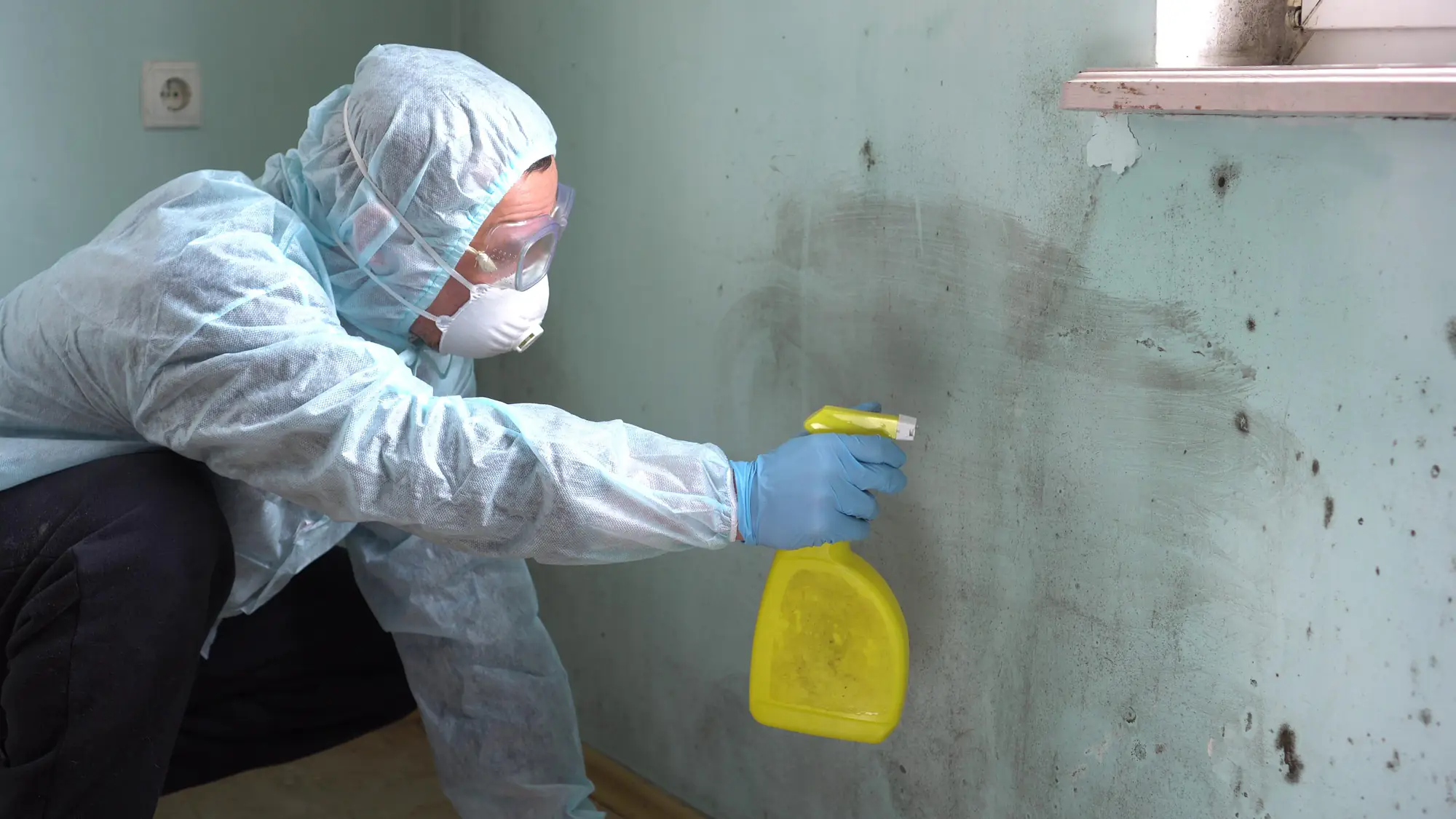
First, we come out for a free inspection. We’re not just looking at the mold you can see—we’re using moisture meters and thermal imaging to find what’s hiding behind drywall, under sinks, or in your crawl space. You’ll get a clear explanation of what’s going on and why.
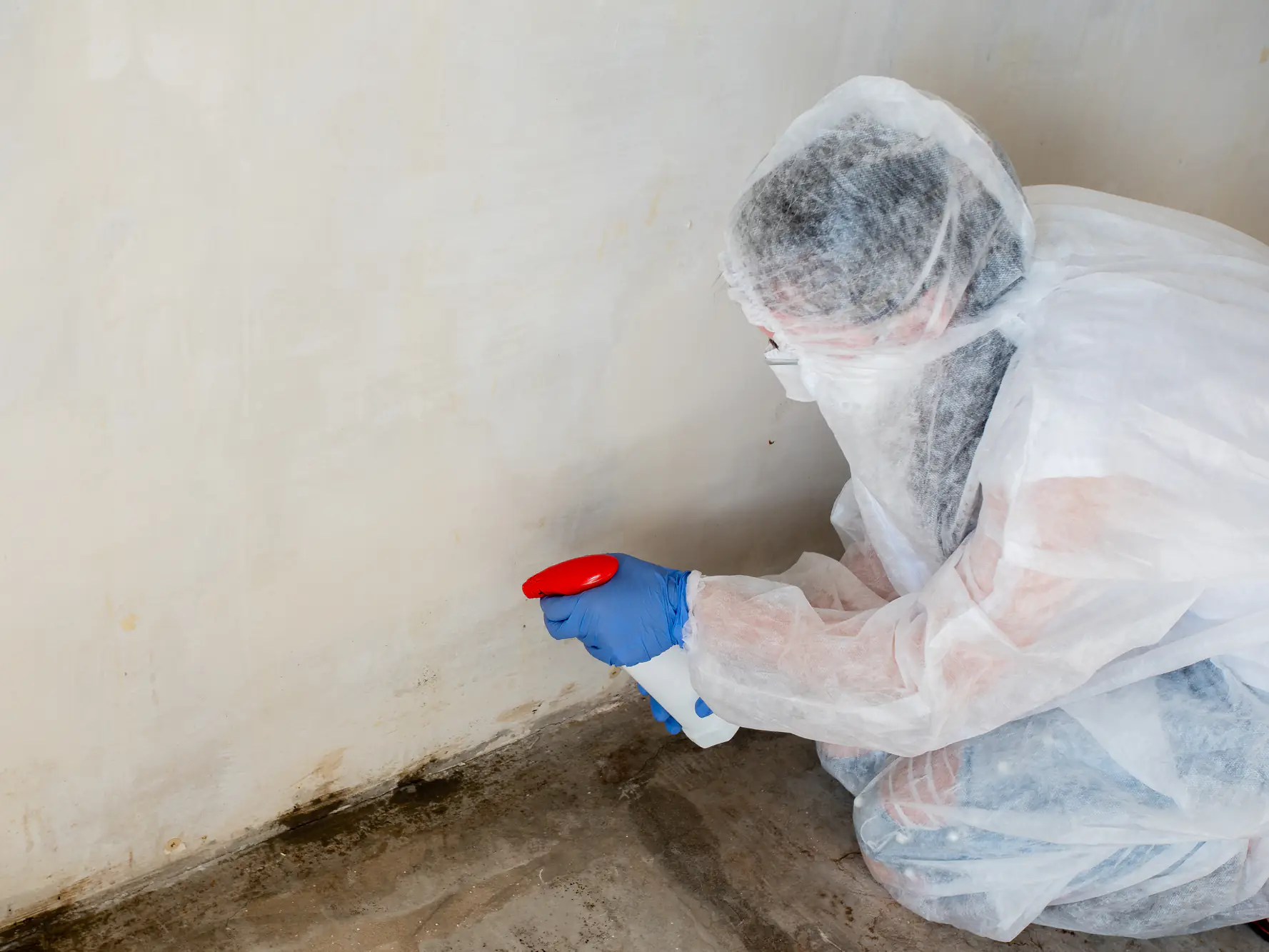
Next, we contain the area. We seal it off with plastic sheeting and set up negative air pressure systems so mold spores don’t spread to clean parts of your home while we work. This step matters more than most people realize—it’s the difference between fixing one room and contaminating three others.
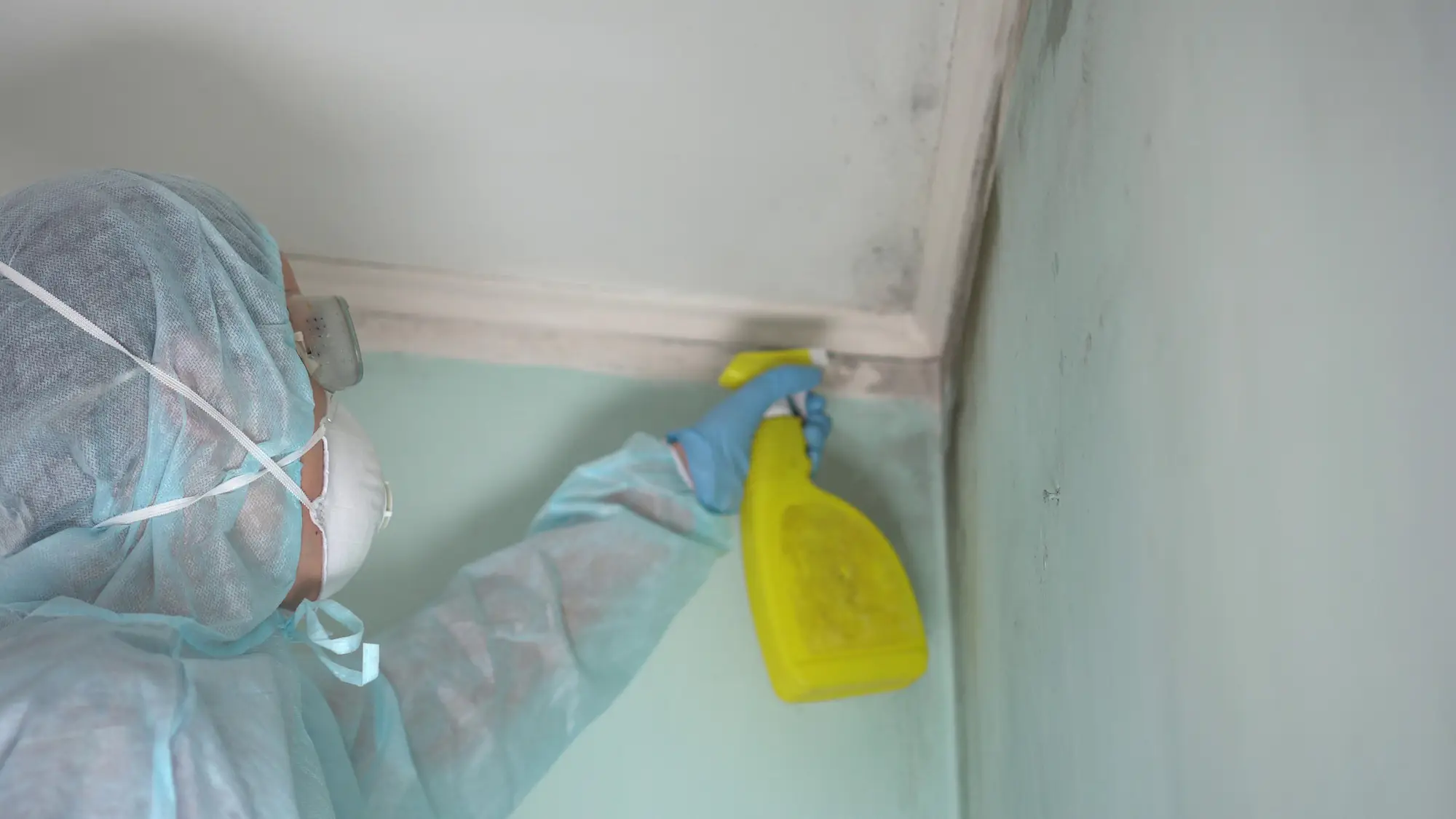
Then we remove the mold and any materials that can’t be saved. We’re talking about drywall, insulation, carpeting—anything that’s been compromised. We use HEPA vacuums and antimicrobial treatments to clean surfaces that can be salvaged. After that, we run air scrubbers to filter out any remaining spores and bring your air quality back to normal.
Finally, we test the air again. You’ll get documentation showing that the mold is gone and your home is safe. If there’s a moisture source we found—like a leaky pipe or ventilation issue—we’ll walk you through what needs to happen next so this doesn’t turn into a recurring problem.
Ready to get started?
You get a full inspection with moisture mapping and thermal imaging. That’s how we find mold growing in places you’d never think to check—inside wall cavities, under flooring, in HVAC ducts. It’s not guesswork. It’s data.
You also get professional containment and removal using equipment that meets industry standards. We’re not showing up with a spray bottle and a shop vac. We’re using HEPA filtration, negative air machines, and antimicrobial treatments designed for this exact job. Our team is trained in proper mold remediation practices, and we follow Pennsylvania regulations to the letter.
In Feasterville, we see a lot of basement mold because of how the soil holds moisture, especially after heavy rain. We also see attic mold in older homes where ventilation wasn’t designed for today’s insulation standards. Both problems are fixable, but they require different approaches. We adjust our process based on what your home actually needs—not a one-size-fits-all checklist.
You’ll also get help with insurance claims if your situation qualifies. We’ll document everything, work directly with your insurance company, and handle the paperwork so you’re not stuck playing middleman. And if you’re paying out of pocket, we give you a detailed estimate up front so you know exactly what you’re spending and why.

Mold can start growing in 24 to 48 hours after water exposure. That’s not a lot of time, and it’s why speed matters when you’ve had a leak, flood, or even just a spill that didn’t get dried properly.
If you can get wet materials dried within that 24-to-48-hour window, you’ll usually prevent mold from taking hold. But once you’re past that point, you’re not preventing anymore—you’re remediating. That’s a bigger job, more expensive, and more disruptive to your home.
In Feasterville, we see this a lot after spring storms or when a pipe bursts in the winter. People think they’ve cleaned it up, but moisture is still sitting in the subfloor, behind baseboards, or inside the drywall. Two days later, mold starts growing. If you’ve had any kind of water event in your home, it’s worth getting it checked even if everything looks dry on the surface.
Mold removal sounds like you’re getting rid of every single spore, but that’s not realistic. Mold spores are everywhere—in the air, on surfaces, floating around outside. You can’t eliminate them completely, and you don’t need to.
Mold remediation is about bringing mold levels back to normal, safe levels and removing the conditions that let it grow in the first place. That means cleaning up active mold growth, removing contaminated materials, and fixing the moisture problem that caused it. It’s a more honest and accurate term for what actually needs to happen.
When we remediate your home, we’re not promising a sterile environment. We’re promising that mold won’t be actively growing, your air quality will be restored to safe levels, and the source of the problem will be addressed so it doesn’t come back. That’s what matters for your health and your home.
If it’s a small area—less than 10 square feet, like a little spot on your bathroom tile—you can usually handle it yourself with the right cleaner and some ventilation. But anything bigger than that, or anything involving porous materials like drywall or insulation, needs a professional.
Here’s why: when you disturb mold, you send spores airborne. Without proper containment, those spores spread to other parts of your home and start new colonies. You might clean up the visible mold in your basement and end up with a problem in your bedroom two weeks later because spores traveled through your HVAC system.
We also see a lot of people miss hidden mold. You clean what you can see, but there’s more growing behind the wall or under the floor. It keeps spreading, and now you’re dealing with a bigger problem than you started with. If you’re seeing mold in multiple spots, if it’s covering more than a few square feet, or if you’re smelling that musty odor but can’t find the source, call someone who has the equipment to do it right.
Most mold remediation projects in this area run between $1,100 and $3,300, with the average around $2,200. But that’s a wide range, and your actual cost depends on how much mold there is, where it’s located, and what materials need to be removed or replaced.
A small bathroom mold issue might be on the lower end. A flooded basement with mold growing across multiple walls, inside insulation, and under flooring is going to cost more. If we need to remove drywall, treat structural wood, or replace insulation, that adds to the scope of the job.
We give you a free inspection and a detailed estimate before we start any work. You’ll know what we found, what needs to happen, and what it’s going to cost. If your situation is covered by insurance, we’ll work directly with your provider and help you through the claims process. If you’re paying out of pocket, at least you’ll have all the information up front so you can make the right call for your home and your budget.
Mold comes back because the moisture source wasn’t fixed. You can clean mold off a surface, kill the spores, and scrub everything down—but if water is still leaking, humidity is still too high, or condensation is still forming, mold will grow again. It’s not a cleaning problem. It’s a moisture problem.
In Feasterville, we see recurring mold in basements with poor drainage, bathrooms without exhaust fans, and crawl spaces that stay damp year-round because of how the soil holds water. Pennsylvania’s humid summers make it worse. When outdoor humidity is high and you’re running your AC with the windows closed, moisture gets trapped indoors. If your home doesn’t have good ventilation or a dehumidifier, that moisture settles into walls, floors, and fabrics.
When we remediate mold, we don’t just clean it up and leave. We identify where the moisture is coming from—whether it’s a plumbing leak, a roof issue, condensation from poor ventilation, or groundwater seeping into your foundation. Then we help you understand what needs to be fixed so the mold doesn’t come back. Sometimes that’s a simple repair. Sometimes it’s a bigger project like improving drainage or upgrading ventilation. Either way, you’ll know what you’re dealing with.
Black mold—specifically Stachybotrys chartarum—can cause serious health problems, especially for people with asthma, allergies, or weakened immune systems. It produces mycotoxins that can lead to respiratory issues, chronic coughing, headaches, and fatigue. So yes, it’s something you should take seriously.
That said, not all black-colored mold is Stachybotrys. There are other types of mold that look dark or black but aren’t as toxic. The only way to know for sure what you’re dealing with is to have it tested. We can collect samples and send them to a lab for analysis if you want that level of certainty.
But here’s the thing: whether it’s black mold or another species, you still need to get rid of it. Any mold growing in your home is affecting your air quality and potentially your health. Some people are more sensitive than others, but prolonged exposure to mold—any mold—can cause problems. If you’re seeing visible growth, smelling that musty odor, or dealing with unexplained respiratory symptoms, don’t wait to find out what type it is. Get it inspected, get it removed, and get the moisture issue fixed so it doesn’t come back.
Other Services we provide in Feasterville