
Hear from Our Customers

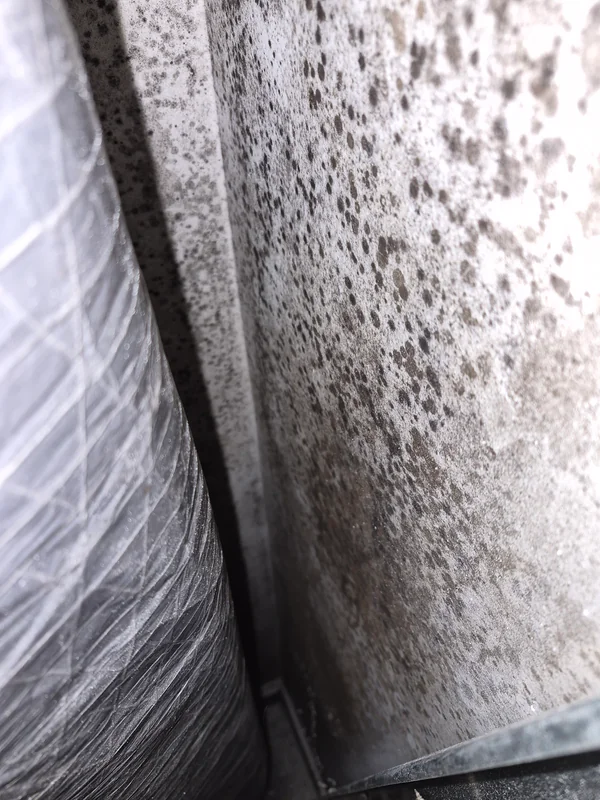
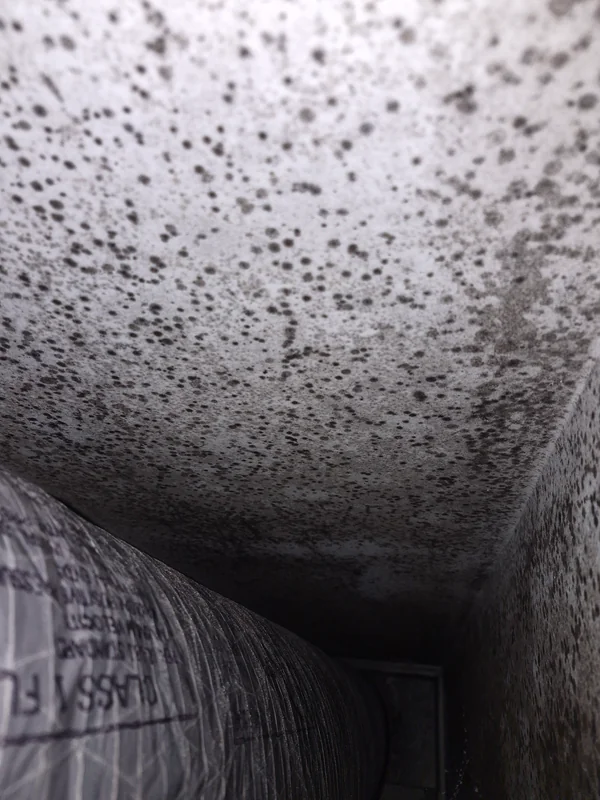
When mold, dust, and debris have been building up inside 60-year-old ductwork, every time your HVAC kicks on, it pushes that air through every room in your house. Getting the ducts cleaned doesn’t just make the air feel fresher it stops the cycle.
The musty smell that shows up when the AC turns on in May? That’s not the unit. That’s what’s been sitting in the ductwork all winter.
For Feasterville homeowners, this matters more than it might somewhere else. Bucks County gets around 49 inches of rain a year well above the national average and the post-war ranchers and split-levels that define this neighborhood weren’t built with today’s moisture control standards in mind.
Add in the recurring basement flooding that communities along the Neshaminy Creek corridor deal with after heavy storms, and you’ve got a real pathway for moisture to get pulled straight into your return air ducts. Once moisture enters the system, mold can establish itself within 24 to 48 hours.
Once you’ve had the ducts cleaned and verified by us, you’re not guessing anymore. You know what your family is breathing. For parents with kids at Ferderbar Elementary or Poquessing Middle School who spend summers at home, that’s not a small thing.
We’re based in Bensalem five to seven minutes from the center of Feasterville. This isn’t a regional company routing calls through a dispatch center. When you call us, you’re talking to people who drive Bustleton Pike and Street Road regularly and know exactly what the housing stock in Lower Southampton Township looks like.
We’ve been working in Bucks County for over 15 years, with certified mold inspectors who bring lab-verified testing to every job. That means after the work is done, you’re not just taking our word for it there’s documented proof the mold is gone.
A Feasterville-Trevose customer on Angi put it plainly: we came out the same day, ran an indoor air quality test, and had results back within 24 hours. We also work directly with insurance companies on claims and offer flexible financing which matters when a basement water event has already put a dent in the budget and the ducts still need to be addressed.
It starts with a free inspection. Before any work begins, one of our certified inspectors looks at your HVAC system and ductwork to assess what’s actually there.
For older homes in Feasterville the Cape Cods and split-levels built in the 50s, 60s, and 70s this step matters because aging ductwork often has issues that aren’t obvious from the registers. Undersized ducts, leaky seals, and years of accumulated debris all affect how the cleaning needs to be approached.
From there, the cleaning itself uses professional-grade equipment negative air pressure systems and HEPA vacuums to remove contaminants from both supply and return ducts. This is an important distinction: a legitimate cleaning covers the entire system, not just the visible vents.
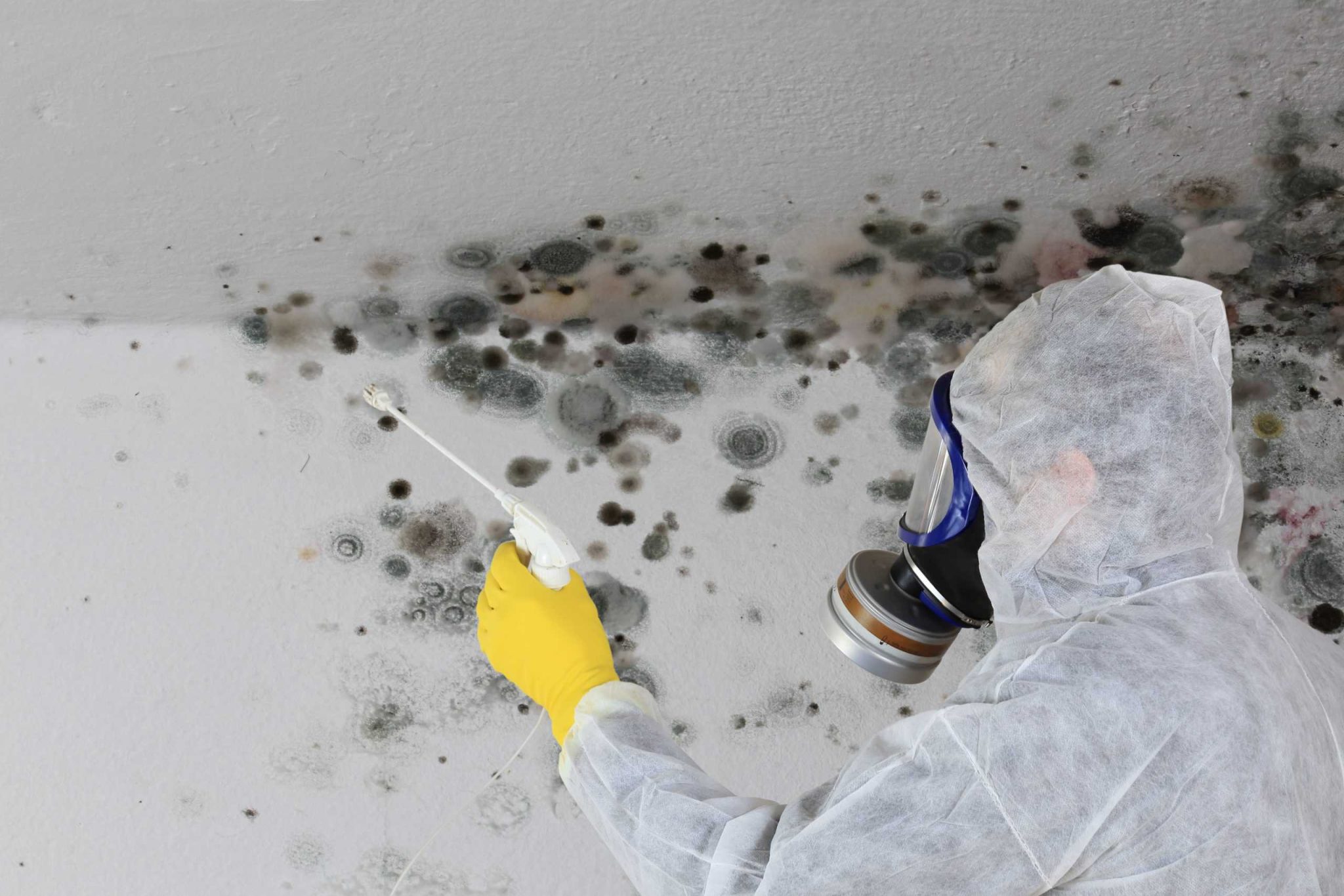
If mold is present, we use containment protocols to prevent spores from spreading to other areas of the home during the process. That’s not something a general duct cleaner is trained to handle, but it’s standard practice for a certified mold remediation specialist like us.
After the cleaning, we test to confirm the mold is actually gone. That post-cleaning verification step is documented and available to you useful if you’re dealing with an insurance claim, planning to sell the home, or just want to know the job was done right. The whole process for a typical home takes roughly four to six hours.
Ready to get started?
Air duct cleaning is the core of what we do, but for many Feasterville homes, it’s not the only thing that needs attention. We also provide air duct sanitizing which is a separate step from cleaning.
Cleaning removes the physical debris and buildup. Sanitizing applies an antimicrobial treatment to address any remaining biological contamination. When mold has been found in the ductwork, both steps are typically needed.
Dryer vent cleaning is another service that gets overlooked in older homes, and it’s genuinely a safety issue. The NFPA reports nearly 16,000 dryer-related house fires every year in the U.S., and failure to clean the vent is the leading cause.
In Feasterville’s ranchers and split-levels, dryer vents often run long horizontal paths through finished walls before reaching the exterior exactly the configuration that traps lint and restricts airflow. Having the vent cleaned during the same visit as the air ducts is efficient and removes a real fire risk.
We also handle indoor air quality testing and mold inspection as part of the same service scope. For Feasterville homeowners who’ve had basement water intrusion especially after Neshaminy Creek flooding events getting the full picture of what’s in the HVAC system is the right starting point.
Pennsylvania doesn’t require a state license for air duct cleaning, but our certified mold remediation credentials mean the work is held to a higher standard than a standard duct cleaning company would apply.

The most common sign is a musty smell that shows up specifically when the HVAC system turns on not a general odor in the house, but one that appears and fades with the air cycle. That’s a strong indicator that something biological is growing inside the ductwork itself, not just on a surface you can clean.
You might also notice worsening allergy symptoms, increased congestion, or unexplained respiratory irritation that seems to ease up when you’re out of the house for a day or two.
For homes in Feasterville built in the 1950s through the 1970s, the risk is higher than most homeowners realize. Aging ductwork, minimal original moisture barriers, and the recurring basement flooding that Lower Southampton Township communities deal with after heavy rain events all create conditions where moisture can enter the HVAC system through return air ducts.
The only way to know for certain is a professional inspection with lab testing not a visual check at the register, because mold typically grows in the interior sections of ductwork that aren’t visible from the outside.
Industry pricing for a professional air duct cleaning on a typical home generally runs in the range of $450 to $1,000, depending on the size of the home, the number of vents, and the condition of the system. We provide upfront pricing after the free inspection so you know the number before any work begins, and the price you’re quoted is the price you pay.
It’s worth knowing why that range exists. A proper cleaning covers both supply and return ducts, uses professional negative air pressure equipment, and when mold is involved includes containment protocols to prevent spore spread during the process.
If you’ve seen $99 offers advertised, those typically don’t include the full system and often lead to aggressive upselling once the technician is in your home. For Feasterville homeowners dealing with a post-flood situation or a home that’s never had the ducts cleaned, the scope of work matters more than finding the lowest advertised price.
Yes, and this is one of the most common situations we see in Lower Southampton Township. When a home takes on basement water whether from a storm event, a sump pump failure, or Neshaminy Creek flooding the return air ducts are often the last thing homeowners think to check.
But those return ducts pull air from the lowest level of the home. When that air is carrying elevated moisture from a recent flood, it gets drawn into the ductwork and can condense on the interior walls of the system. Mold can begin establishing itself within 24 to 48 hours under those conditions.
By the time the basement looks dry and normal again, the ductwork may already have active mold growth that isn’t detectable without a professional inspection. If your Feasterville home had any water intrusion this past year, getting the ducts inspected and tested is the right next step not optional maintenance, but a direct response to a known moisture event.
For most homes, the general industry guidance is every three to five years under normal conditions. But “normal conditions” doesn’t describe a lot of Feasterville’s housing stock.
If your home was built before 1980, has never had a professional duct cleaning, has experienced any water intrusion, or has had occupants with allergy or asthma symptoms, those are all reasons to move sooner rather than waiting for a fixed interval.
The median construction year for homes in Feasterville is 1967. That means a significant portion of the community is living in homes where the original ductwork has been running for five or six decades often with no professional cleaning in that time. If you’re in one of those homes and you can’t recall the last time the ducts were cleaned, that’s your answer.
A free inspection from us will give you a clear picture of what you’re working with before you commit to anything.
It can, and the HVAC system is actually one of the most efficient ways mold spreads through a home. When mold establishes itself inside ductwork, every time the system runs, it distributes spores through the supply registers to every room connected to that system.
A single contaminated section of ductwork can seed mold growth in multiple rooms simultaneously and because the spores are airborne and invisible, there’s no obvious sign until growth appears on a surface somewhere else.
This is especially relevant in Feasterville’s split-level homes, where the HVAC return typically pulls air from the lower level the same level most vulnerable to moisture from basement flooding or crawl space humidity. Mold that starts in the lower-level ductwork doesn’t stay there.
This is why we use proper containment protocols during cleaning when mold is present not just vacuuming the vents, but preventing spore spread during the remediation process itself. Post-cleaning lab testing then confirms the system is clear before the job is considered complete.
It’s a real safety concern, not a sales add-on. The National Fire Protection Association reports close to 16,000 dryer-related house fires per year in the U.S., and the leading cause is failure to clean the dryer vent. Lint is highly flammable, and when it accumulates in a restricted vent line, it creates a fire hazard that builds gradually and gives no obvious warning until something goes wrong.
In Feasterville’s older ranchers and split-levels, dryer vents frequently run long horizontal paths through finished walls before reaching an exterior exit point. That configuration common in homes built in the 1950s through 1970s is exactly the type that traps lint most aggressively and restricts airflow the most.
A vent that’s partially blocked also makes your dryer work harder, which shortens the life of the appliance and increases energy use. Having the dryer vent cleaned at the same time as the air ducts is practical one visit, one disruption to your day and it removes a documented fire risk from a home that may not have had this service done in years.
Other Services we provide in Feasterville