
Hear from Our Customers
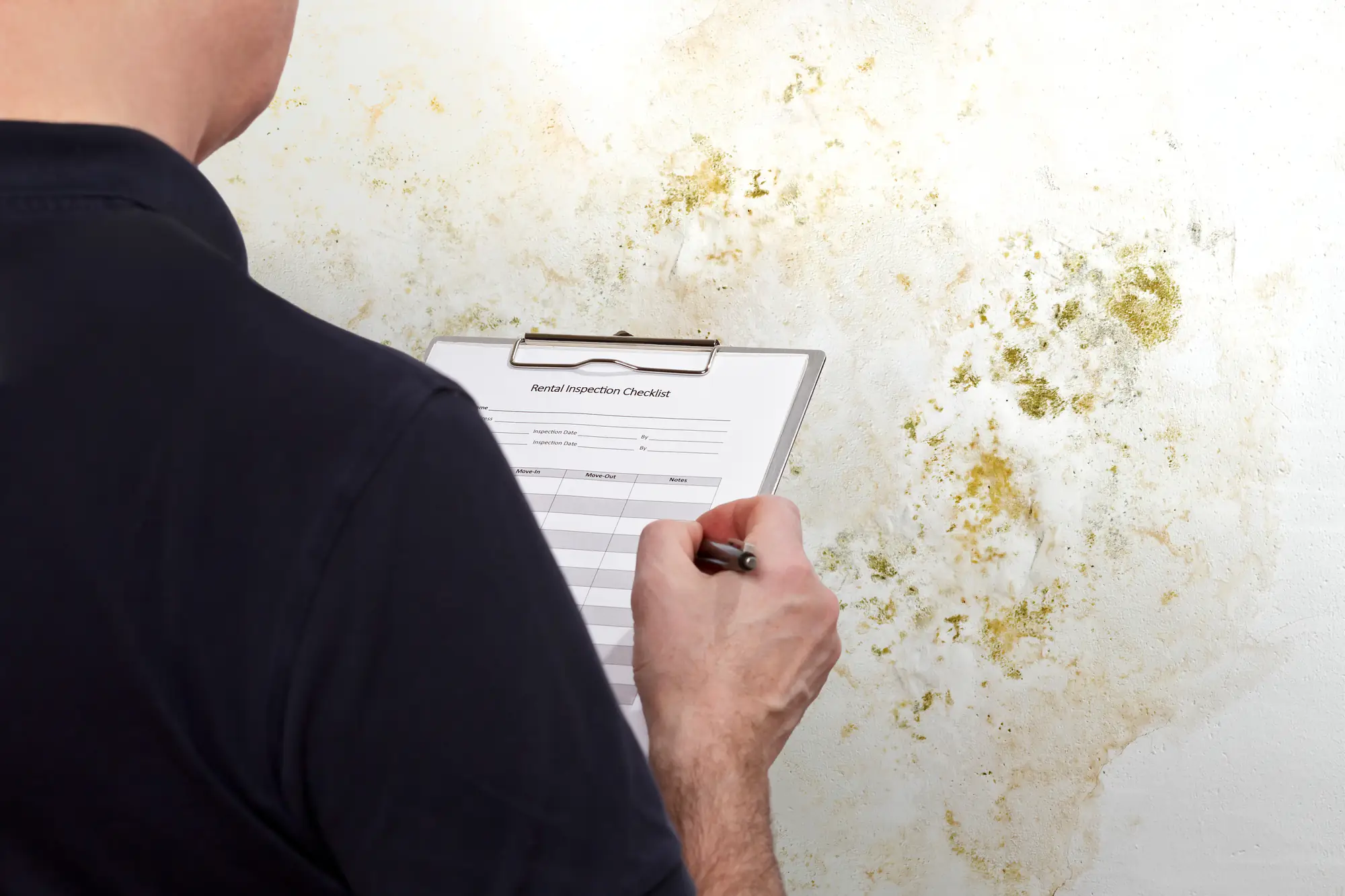
You’re noticing a musty smell. Or maybe someone in your house has been dealing with allergies that won’t quit. Could be mold, could be something else—but you won’t know until someone actually looks.
That’s where a real mold inspection comes in. Not a quick walk-through with a flashlight. We’re talking about checking behind walls, under floors, in crawl spaces—the places mold actually thrives in older Linconia homes.
Most homes built before 1980 weren’t designed with the kind of moisture barriers we use today. Add in Pennsylvania’s humidity spikes and you’ve got the perfect setup for mold growth. The good news? Catching it early means you’re looking at hundreds in repairs instead of thousands.
A proper inspection gives you documentation. That matters if you’re buying, selling, or filing an insurance claim. It also tells you whether you’re dealing with surface mold you can handle yourself or something that needs professional remediation.
We’re based right here in Bucks County. We’ve been inspecting homes in Linconia and the surrounding area for years, and we’ve seen what happens when moisture sits too long in older construction.
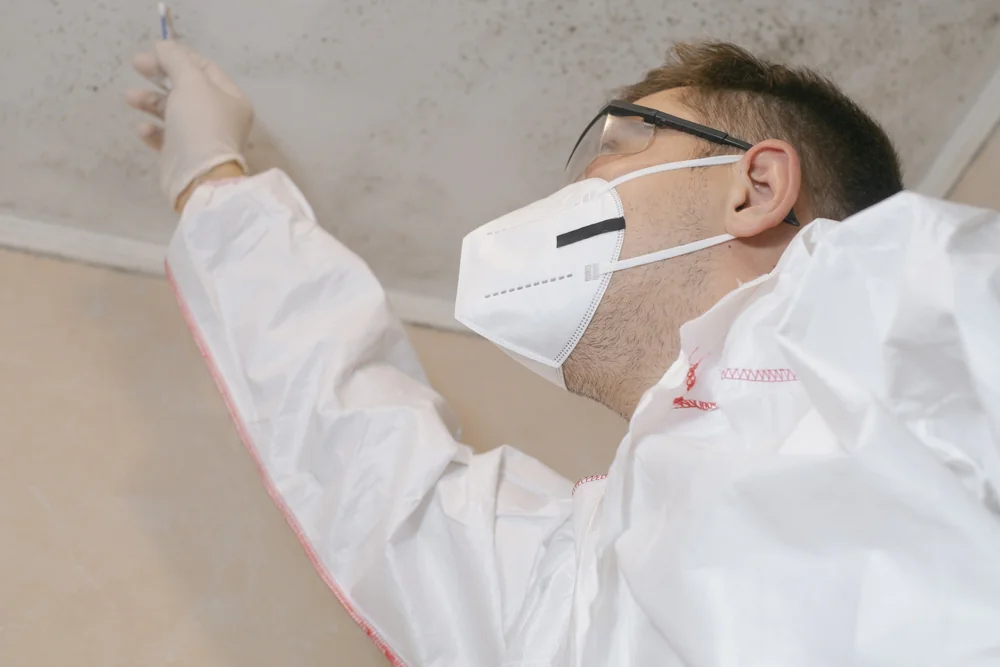
Our inspectors are IICRC-certified, which means they’re trained to identify mold types and moisture sources that most homeowners miss. We use thermal imaging and moisture meters to find problems before they’re visible. And we send samples to an EPA-certified lab so you get accurate results, not guesses.
We’re not a franchise. We’re a local business that responds fast, explains things clearly, and doesn’t upsell you on services you don’t need.
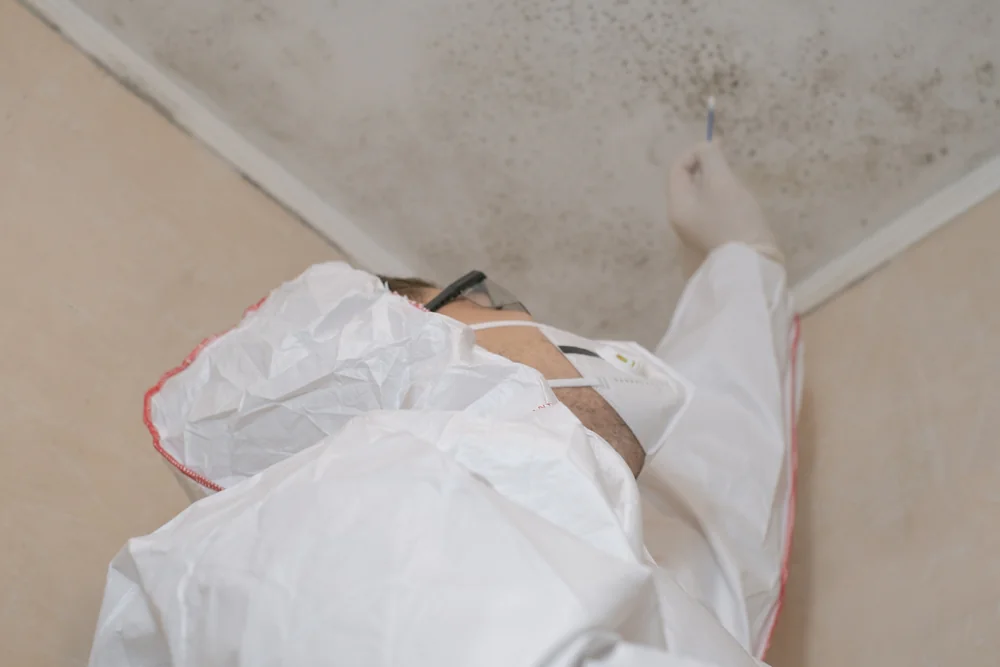
First, we walk through your home and talk about what you’ve noticed. Smells, stains, health symptoms—it all matters. Then we start looking in the places mold likes to hide: behind baseboards, around windows, under sinks, in attics and crawl spaces.
We use moisture meters to measure humidity levels in walls and floors. High readings tell us where water’s been sitting, even if there’s no visible mold yet. If we find something, we take air samples or surface samples and send them to the lab.
You’ll get a full report within a few days. It breaks down what type of mold we found, where it is, and how much of it there is. We also explain what likely caused it—whether it’s a roof leak, poor ventilation, or something else—and what your options are for fixing it.
If remediation is needed, we’ll walk you through that too. If it’s minor, we’ll tell you. No pressure, no scare tactics. Just clear information so you can make the right call for your home.

Ready to get started?
Every inspection starts with a visual assessment of your property. We check common problem areas and any spots you’ve flagged. Then we use thermal imaging to detect temperature differences that indicate moisture buildup behind walls or ceilings.
We measure indoor humidity levels and take moisture readings in suspected areas. If we find evidence of mold, we collect samples—either from the air or directly from surfaces. Those samples go to an EPA-certified laboratory for analysis.
You’ll receive a detailed report that identifies mold species, concentration levels, and the locations where we found growth. We also include photos and moisture readings so you have a complete picture of what’s happening in your home.
In Linconia, where the median home was built in 1969, we often find mold in basements, around old windows, and in attics with inadequate ventilation. Homes in this area weren’t built with modern vapor barriers, so moisture intrusion is common. Knowing where to look makes all the difference.
Most mold inspections in Linconia run between $300 and $600, depending on the size of your home and how many samples we need to collect. A standard inspection for a single-family home usually falls around $400.
That includes the visual inspection, moisture readings, thermal imaging, and lab analysis of any samples we take. If your home is larger or you need multiple areas tested, the price goes up slightly.
Some companies offer free inspections, but they’re often tied to remediation services. We charge for inspections because it keeps the process unbiased. You get honest results, not a sales pitch.
Plan on about two to three hours for a thorough inspection of an average-sized home. Larger homes or properties with basements, crawl spaces, and attics can take longer.
We’re not rushing through it. We’re checking behind appliances, looking at HVAC systems, inspecting window frames, and scanning walls with thermal imaging. If we find something, we take the time to document it properly.
After the inspection, lab results usually come back within 48 to 72 hours. Once we have those, we’ll walk you through the findings and discuss next steps if needed.
You can buy DIY mold test kits at hardware stores, but they’re not very reliable. Most of them just tell you that mold is present—which isn’t helpful, because mold spores are everywhere. What matters is the type of mold and how much of it you have.
Professional inspections use calibrated equipment to measure moisture levels and airborne spore counts. We know where to look and what conditions allow mold to grow. A DIY kit won’t tell you if there’s mold behind your walls or under your flooring.
If you’re buying a home, dealing with health symptoms, or preparing for remediation, a professional inspection gives you the documentation you need. It’s not just about finding mold—it’s about understanding the scope of the problem so you can address it correctly.
Mold inspection is the assessment. We find out if you have mold, what kind it is, and where it’s growing. Mold remediation is the actual removal and cleanup process.
You can’t skip the inspection and go straight to remediation, because you won’t know what you’re dealing with. Some mold is harmless. Some requires containment and specialized removal. The inspection tells you which situation you’re in.
We offer both services, but they’re separate. If you just need an inspection—say, for a real estate transaction—that’s all you pay for. If remediation is needed, we’ll give you a clear estimate based on what we found. No surprises, no bundled pricing that hides costs.
Yes. If we find mold during the inspection, we send samples to a lab that identifies the species. That includes Stachybotrys chartarum, which is what most people call black mold.
Black mold gets a lot of attention because it can produce mycotoxins that affect respiratory health. But it’s not the only mold that matters. Aspergillus, Penicillium, and Cladosporium can also cause health issues, especially for people with allergies or asthma.
The lab report will tell you exactly what’s growing in your home and at what concentration. From there, we can explain whether it’s a health concern and what needs to happen next. Not all mold is dangerous, but you won’t know until you test it.
If the home was built before 1980, yes. Older homes in Linconia weren’t built with modern moisture barriers, and many have had decades of wear on roofs, windows, and foundations. That creates opportunities for water intrusion.
A standard home inspection doesn’t include mold testing. The inspector might note water stains or musty smells, but they won’t tell you if mold is present or what type it is. A mold inspection fills that gap.
This is especially important in Pennsylvania, where sellers are required to disclose known mold issues. If they didn’t know about it, it’s not on the disclosure. Getting your own inspection protects you from inheriting someone else’s problem—and gives you leverage to negotiate repairs or price adjustments before closing.
Other Services we provide in Linconia