
Mold Inspection in South Philadelphia, PA

Find the Mold Before It Finds Your Family

Professional mold detection that reveals what’s growing in your walls, your air, and the spaces you can’t see—so you can fix it before it spreads.
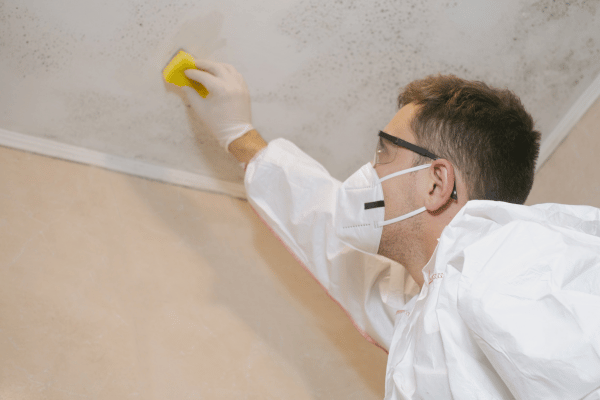
Protective worker in safety suit inspecting or treating mold spots on an indoor ceiling, addressing moisture damage and potential mold growth inside a building.

Hear from Our Customers

Home Mold Inspection Services Near You

Know Exactly What You're Dealing With

You’ve seen the dark spots. Maybe you smell something musty in the basement. Your kids’ allergies seem worse at home than anywhere else.

A real mold inspection doesn’t just confirm what you already suspect. It shows you where the mold is hiding, what type it is, how bad the contamination actually is, and what’s feeding it. That last part matters most—because if you don’t fix the moisture source, the mold comes back.

We use moisture meters and infrared cameras to find problems behind walls, under floors, and in crawl spaces. We test your air quality with lab analysis so you’re not guessing. And we give you a clear report that explains what needs to happen next—not to scare you, but to give you control.

You’ll know if it’s surface-level or structural. You’ll know if it’s toxic black mold or something less aggressive. You’ll know what caused it and how to stop it from coming back.

Trusted Mold Detection Company in South Philadelphia

We've Been Doing This in Philly for Years

Mack’s Mold Removal is a locally owned mold detection company serving South Philadelphia, PA and the surrounding counties. We’re not a franchise using cookie-cutter checklists. We know how older Philly rowhomes trap moisture, how shared walls between neighbors spread contamination, and how brick basements with plaster walls hold humidity differently than modern construction.

We’ve inspected hundreds of homes in this area. We understand the climate here—the humid summers, the coastal moisture, the way condensation forms when warm air hits cool surfaces in your basement or crawlspace. That’s not something you learn from a manual.

When you call us, you’re working with people who live here and have seen these problems up close. We’ll tell you what’s actually wrong, what it’ll take to fix it, and what you can expect moving forward.

Protective worker collecting a mold sample from a stained indoor ceiling using a swab, inspecting moisture damage and potential mold growth inside a building.

Our Mold Inspection Process Explained

Here's What Happens During Your Inspection

We start with a visual assessment of your property—inside and out. We’re looking for water stains, discoloration, visible mold growth, and signs of past leaks or ongoing moisture problems. We check basements, attics, bathrooms, kitchens, crawl spaces, and anywhere else water tends to collect.

Next, we use moisture meters to measure humidity levels in your walls, floors, and ceilings. High moisture doesn’t always mean visible mold yet, but it means conditions are right for it to grow. Infrared cameras help us see temperature differences that indicate hidden leaks or condensation you’d never spot on your own.

Then we collect samples. Air sampling tells us what’s floating around in the environment your family is breathing. Surface sampling confirms what’s growing on walls, floors, or furniture. Those samples go to an EPA-certified lab for analysis, so you get accurate identification of mold species and spore counts.

After testing, we walk you through the results. We’ll show you where the mold is, what type it is, how severe the contamination is, and what’s causing it. Then we’ll outline your options for remediation and prevention—no pressure, just information.

Home interior with mold remediation in progress as a worker sprays treatment on a wall using a ladder, while a resident relaxes on a covered sofa in a renovated living room.

Ready to get started?

Explore More Services

About Mack's Mold Removal

What's Included in Our Mold Detection Services

You Get More Than Just a Report

Every home mold inspection includes a full property walkthrough, moisture mapping with professional-grade meters, infrared thermal imaging to detect hidden water intrusion, air quality sampling, surface testing where needed, and lab analysis through an EPA-certified facility.

You’ll receive a detailed written report that breaks down our findings in plain language—not jargon. It includes photos, moisture readings, lab results, and specific recommendations for remediation. We also identify the root cause of your mold problem, whether that’s a leaky pipe, poor ventilation, foundation cracks, or humidity from your HVAC system.

South Philadelphia homes face unique challenges. Many properties here were built decades ago with materials and methods that weren’t designed for modern moisture control. Brick foundations, plaster walls, old cast iron plumbing, and shared walls with neighbors all create conditions where mold thrives if water gets in. We factor all of that into our inspection because local knowledge matters.

If you’re buying or selling a home, we can also provide documentation that satisfies lenders, inspectors, and buyers. If you’re dealing with a landlord or insurance claim, our reports hold up under scrutiny.

How much does a mold inspection cost in South Philadelphia?

Most professional mold inspections in South Philadelphia, PA range between $300 and $600 depending on the size of your property and the scope of testing required. A small rowhome with a single area of concern will cost less than a larger property that needs multiple air samples and extensive moisture mapping.

The price typically includes the visual inspection, moisture detection, air and surface sampling, lab analysis, and a written report with photos and recommendations. Some companies offer free inspections, but those are usually tied to remediation services—they’re not independent assessments.

If you’re trying to figure out whether an inspection is worth the cost, consider this: catching mold early can save you thousands in remediation and repairs. Ignoring it doesn’t make it go away. It just gives the problem more time to spread, damage your property, and affect your family’s health.

A mold inspection is the full process—visual assessment, moisture detection, identifying problem areas, and understanding what’s causing the issue. Mold testing is one part of that process. It’s the actual collection and lab analysis of air or surface samples to identify mold species and measure spore levels.

You can have an inspection without testing if the mold is obvious and you just need to know the extent and cause. But if you’re dealing with health symptoms, hidden contamination, or you need documentation for a sale or insurance claim, testing gives you hard evidence.

Most thorough inspections combine both. We look at your property, find the moisture sources, and then test to confirm what’s growing and how bad the air quality is. That way you’re not guessing, and you have a clear baseline to measure against after remediation.

A typical home mold inspection in South Philadelphia takes between one and three hours depending on the size of your property and how many areas need attention. A small rowhome with a single concern might take an hour. A larger home with a basement, attic, and multiple moisture issues could take closer to three.

We’re not rushing through it. We’re checking every area where mold is likely to grow—bathrooms, kitchens, basements, crawl spaces, attics, around windows and doors, near plumbing, and anywhere we see signs of water damage or high humidity.

After the inspection, lab results usually come back within three to five business days. Once we have those results, we’ll schedule a follow-up call or meeting to walk you through the findings and discuss next steps. The whole process from inspection to final report typically wraps up within a week.

You can check for visible mold and obvious moisture problems on your own, but a DIY inspection won’t give you the full picture. Mold often grows in places you can’t see—inside walls, under flooring, in HVAC ducts, behind cabinets, and in crawl spaces. Without the right equipment, you’ll miss it.

Professional mold detection uses moisture meters to measure humidity levels inside building materials, infrared cameras to spot hidden leaks and temperature differences, and air sampling equipment to measure spore counts in your indoor environment. Those aren’t tools most homeowners have lying around.

There are at-home mold test kits you can buy online, but they’re not reliable. They don’t tell you how much mold is present, where it’s coming from, or what’s causing it. And they can’t identify the specific species, which matters when you’re deciding how urgent the remediation needs to be. If you’re serious about understanding your mold problem, hire someone who does this for a living.

Mold needs three things to grow: moisture, organic material to feed on, and the right temperature. South Philadelphia gives it all three. The climate here is humid, especially in summer. We get plenty of rain. And most homes in this area have basements, crawl spaces, older plumbing, and construction materials that hold moisture.

Common causes include leaking pipes, roof leaks, foundation cracks that let groundwater seep in, poor ventilation in bathrooms and kitchens, condensation from HVAC systems, and flooding from heavy rain or plumbing failures. Rowhomes add another layer of risk—if your neighbor has a leak or mold problem, spores can travel through shared walls.

Older homes are especially vulnerable. Brick foundations, plaster walls, and outdated drainage systems weren’t designed with modern moisture control in mind. If your home was built before 1970, there’s a good chance it’s dealing with some level of water intrusion. The key is finding it before mold takes hold, or catching it early if it already has.

If you’re experiencing unexplained health symptoms—persistent coughing, sneezing, headaches, or respiratory issues that get worse at home—it’s worth getting an inspection even if you don’t see visible mold. The same goes if you smell something musty but can’t find the source, or if you’ve had water damage in the past and never confirmed it was fully dried out.

Mold doesn’t always announce itself. It can grow behind walls, under floors, in air ducts, and inside insulation where you’d never think to look. By the time you see it, the problem is usually bigger than it looks. Air quality testing can detect elevated spore levels before the contamination becomes visible, which means you can address it sooner and avoid more expensive remediation later.

If you’re buying a home in South Philadelphia, especially an older property, a black mold inspection is smart due diligence. Sellers aren’t always required to disclose past water damage, and a clean-looking basement doesn’t mean there’s no hidden moisture problem. An inspection gives you leverage to negotiate repairs or walk away if the issue is serious.

Other Services we provide in South Philadelphia