
Hear from Our Customers
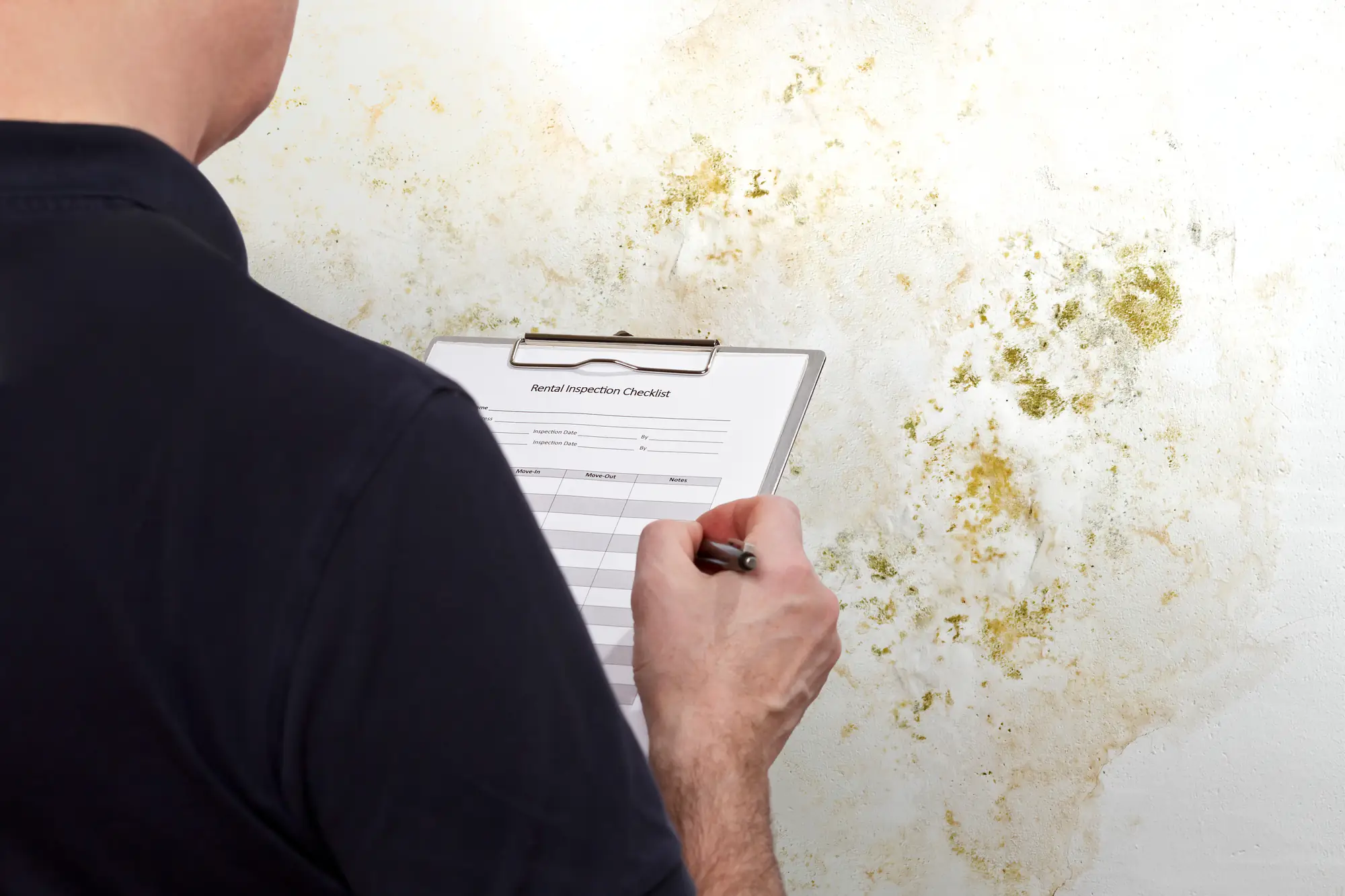
You’re not looking for mold because you want to. You’re looking because something feels off—a musty smell in the basement, a water stain that won’t dry, or maybe you’re buying a home and need to know what you’re getting into.
Here’s what matters: early detection saves money. Catching mold during an inspection costs a fraction of what you’ll pay if it spreads through your HVAC system or into your walls. We’ve seen homeowners in Penndel spend $15,000+ on remediation that could’ve been $3,000 if they’d called sooner.
A professional mold inspection gives you documentation for insurance claims, peace of mind for your family’s health, and leverage in real estate deals. Visible mold can drop your home’s value by 20-37%. That’s $99,000 off a typical Bucks County home. Our job is to find it, document it, and help you deal with it before it becomes a bigger problem.
We’ve spent years working in Penndel and throughout Bucks County. We know what happens to homes here—the humid summers that push indoor moisture above 60%, the older construction that wasn’t built with modern ventilation, the clay soil that keeps basements damp year-round.
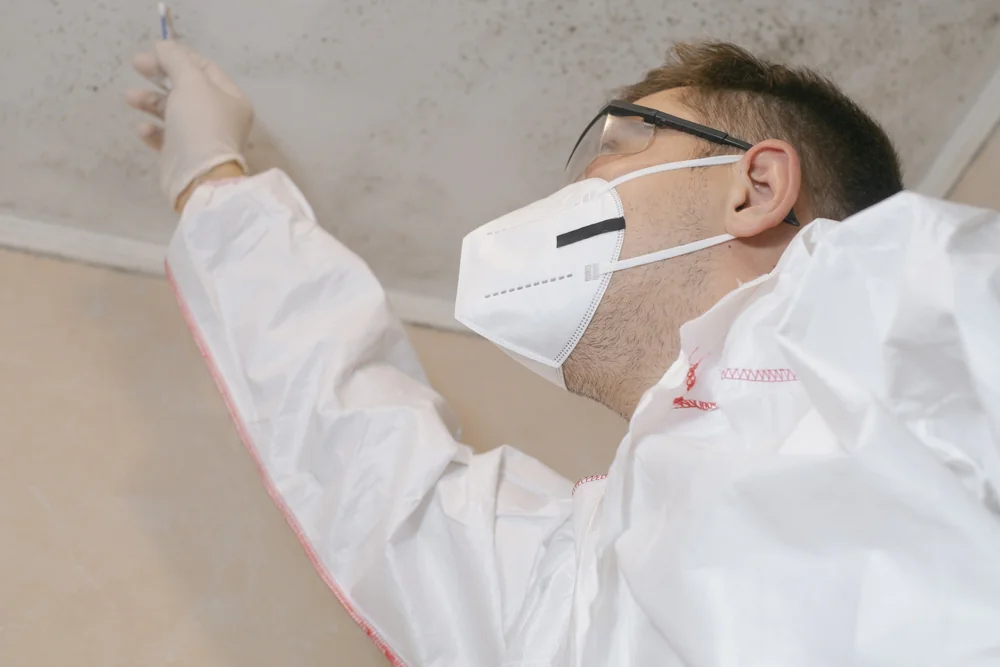
We’re certified inspectors who use thermal imaging, moisture meters, and air quality testing to find mold you can’t see. Every inspection includes third-party lab analysis, so you’re not just getting our opinion—you’re getting data. We work with your insurance company when needed, and every job comes with a 5-year warranty because we fix the source, not just the symptoms.
You’re not hiring a national franchise that doesn’t know the area. You’re hiring people who’ve been in your neighbor’s basements and attics, who understand what goes wrong in homes like yours.
We start with a phone call to understand what you’re seeing, smelling, or worried about. Then we schedule a time that works for you—often within 24 hours if it’s urgent.
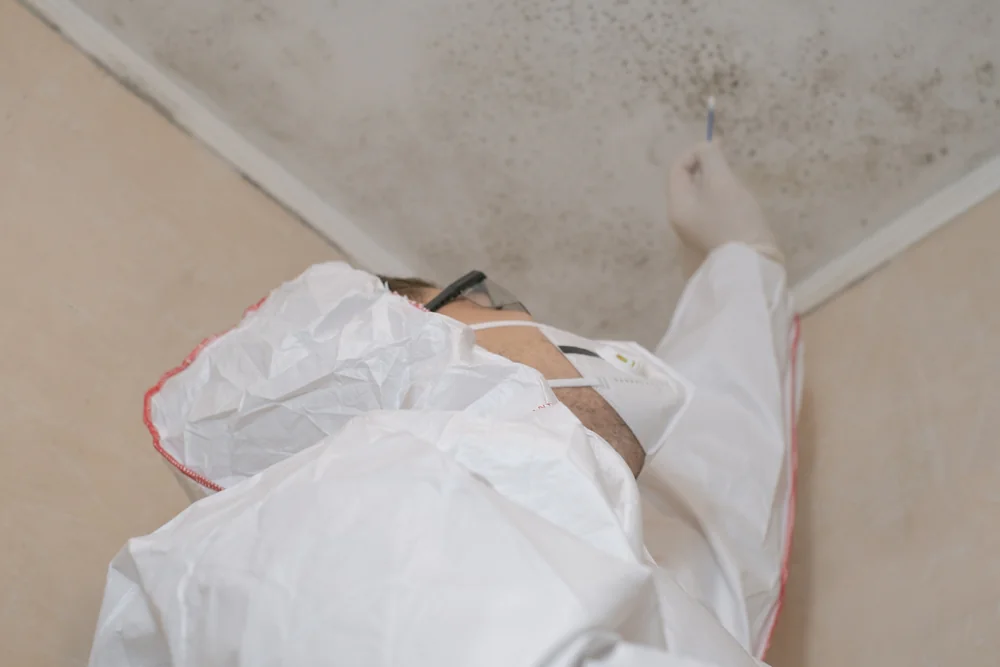
During the inspection, we examine every area where mold typically grows in Penndel homes: basements with moisture from groundwater, attics with condensation from temperature swings, bathrooms with poor ventilation, and HVAC systems that circulate spores. We use thermal imaging to spot hidden moisture behind walls and moisture meters to measure what’s actually wet versus what just looks wet.
We take air samples and surface samples, then send them to an independent lab for analysis. You get a detailed report that shows what type of mold is present, where it’s growing, and what’s causing it. If we find mold, we explain your options—what needs immediate attention and what can wait. If we don’t find mold, you get documentation proving your home is safe, which matters for insurance and resale.
The whole process takes 1-3 hours depending on your home’s size. You’ll have answers within a few days, not weeks.

Ready to get started?
Your home mold inspection includes a visual assessment of all accessible areas, thermal imaging to detect hidden moisture, air quality testing to measure spore levels, and surface sampling from suspected growth areas. We check your HVAC system because that’s how mold spreads through a house fast. We inspect basements and crawl spaces where Bucks County’s high groundwater table creates constant moisture problems.
You receive a written report with lab results, photos of problem areas, moisture readings, and a clear explanation of what we found. If there’s mold, we identify the type—because black mold requires different handling than common household mold. We also identify the moisture source, whether it’s a plumbing leak, poor ventilation, or groundwater seepage.
Penndel’s dense housing and older building stock mean many homes share similar problems: inadequate attic ventilation, basement moisture from clay soil, and HVAC systems that weren’t designed for today’s humidity levels. We’ve inspected enough local homes to spot patterns fast. If your neighbor three doors down had a problem, there’s a decent chance your home has the same vulnerability.
We also help with insurance claims and real estate transactions. Half of home buyers back out once they learn about mold, so having professional documentation matters whether you’re buying or selling.
Most mold inspections in Penndel run between $300-$600 depending on your home’s size and how many samples we need to take. A 1,500 square foot home with a basement typically costs around $400-$450.
We also offer free inspections in certain situations—if you’re already planning remediation work with us or if your insurance is covering the assessment. The inspection cost is separate from remediation, which makes sense because you need to know what you’re dealing with before you can price the fix.
Some companies offer “$99 inspections” but charge you later through inflated remediation costs. We don’t do that. You pay a fair price for the inspection, get an honest assessment, and then decide what to do next. If you don’t need remediation, we’ll tell you. If you do, we’ll give you a separate quote with no pressure.
A standard home inspection doesn’t include mold testing. Home inspectors look for visible defects—roof damage, foundation cracks, electrical issues. They’re not testing your air quality or taking samples from behind walls.
Mold inspections are specialized. We use equipment home inspectors don’t carry: thermal cameras, moisture meters, air sampling pumps, and lab analysis. We’re specifically looking for mold growth and the conditions that cause it. Most mold in Penndel homes is hidden—in wall cavities, under flooring, in attic insulation—so you need someone who knows where to look and how to test.
If you’re buying a home, get both. The home inspection tells you if the house is structurally sound. The mold inspection tells you if there’s a hidden problem that could cost you thousands after closing. Pennsylvania law requires sellers to disclose known mold issues, but they can’t disclose what they don’t know about. That’s why buyers who skip mold inspections sometimes get stuck with expensive surprises.
Plan on 1-3 hours for the on-site inspection, depending on your home’s size and how many areas need testing. A small home with a basement might take 60-90 minutes. A larger home with an attic, crawl space, and multiple bathrooms could take closer to three hours.
We’re not rushing through. We’re checking every area where mold typically grows in Bucks County homes—basements with moisture problems, attics with poor ventilation, bathrooms without exhaust fans, and HVAC systems that circulate humid air. We take our time with thermal imaging to spot hidden moisture and collect samples carefully so the lab results are accurate.
After the inspection, lab analysis takes 2-4 business days. You’ll get a detailed report with photos, lab results, and our recommendations. If it’s an urgent situation—like you’re closing on a house in a week—we can sometimes expedite results, but that costs extra. Most people are fine waiting a few days for accurate information rather than rushing and missing something important.
You can buy DIY mold test kits at hardware stores for $10-$40, but they’re not reliable. Those kits test whatever spores happen to be floating in the air when you open them, which doesn’t tell you much. Every home has some mold spores—the question is whether you have an active growth problem and what type of mold it is.
Professional mold detection uses targeted sampling. We test specific areas where we see moisture or suspect growth, not just random air samples. We use thermal imaging to find hidden moisture behind walls where DIY kits can’t reach. And we send samples to certified labs that can identify exact mold species, which matters because toxic black mold requires different handling than common mildew.
The bigger issue is knowing where to look. Mold in Penndel homes typically grows in predictable places—basements with groundwater issues, attics with condensation problems, behind washing machines with slow leaks. We’ve done this enough times to know what to check and what warning signs matter. If you’re trying to save money on the inspection, you might end up spending more on remediation because you didn’t catch the problem early or didn’t find the moisture source.
First, don’t panic. Finding mold during an inspection is better than finding it after it’s spread through your whole house. We’ll show you exactly where the mold is growing, what type it is based on lab results, and what’s causing the moisture that’s feeding it.
You’ll get a written report with photos, moisture readings, and our recommendations. Small areas of mold—less than 10 square feet—you might be able to clean yourself with proper safety equipment. Larger areas, or any toxic black mold, need professional remediation. We’ll give you a separate quote for remediation work if you want us to handle it, but you’re not obligated to use us. Some people get multiple quotes, which is fine.
We also explain what needs to happen to prevent mold from coming back. Maybe it’s fixing a plumbing leak, improving attic ventilation, or installing a dehumidifier in your basement. Removing mold without fixing the moisture source is pointless—it’ll just grow back. Our job is to give you enough information to make a smart decision about your home and your budget.
Yes, especially in Bucks County where older homes and humid weather create perfect conditions for mold growth. Almost half of homes in the US have visible mold or mold odor, and most of it is hidden during showings.
A pre-purchase mold inspection costs $300-$600 but could save you tens of thousands. We’ve seen buyers discover $15,000+ worth of mold damage that wasn’t disclosed. Pennsylvania law requires sellers to disclose known material defects including mold, but they can only disclose what they know about. Many sellers genuinely don’t know they have mold because it’s behind walls or in crawl spaces they never check.
The inspection gives you leverage. If we find mold, you can negotiate with the seller to fix it before closing, reduce the purchase price, or walk away if it’s severe. You can also use the inspection report to get accurate remediation quotes instead of guessing. Some buyers skip the mold inspection to save money, then end up with a house they can’t afford to fix. Don’t be that person.
Other Services we provide in Penndel