
Mold Inspection in Richland Center, PA

Find Hidden Mold Before It Finds You

Advanced detection technology identifies mold problems early—saving you thousands in repairs and protecting your family’s health in Richland Center.
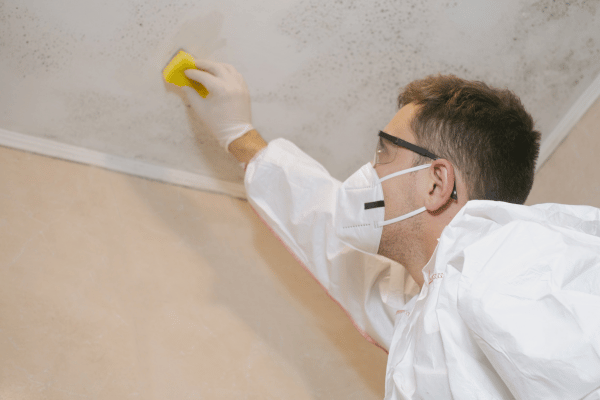
Protective worker in safety suit inspecting or treating mold spots on an indoor ceiling, addressing moisture damage and potential mold growth inside a building.

Hear from Our Customers

Home Mold Inspection Services

Know Exactly What You're Dealing With

That musty smell in your basement isn’t going away on its own. Neither are the allergy symptoms that seem worse at home than anywhere else.

You need to know if you have a mold problem. More importantly, you need to know where it is, how bad it’s gotten, and what it’s going to take to fix it.

A professional mold inspection gives you those answers. We use thermal imaging and moisture mapping to find mold growing behind walls, under floors, and in HVAC systems—places you can’t see but where mold loves to hide. You get a clear assessment of what’s happening in your home, documented evidence if you’re buying or selling property, and a realistic plan for what comes next.

No guessing. No overlooking problem areas because you didn’t know where to look. Just straightforward answers about what’s actually going on in your Richland Center home.

Mold Detection Company Richland Center

We Know Bucks County Homes

Mack’s Mold Removal has been serving homeowners throughout Bucks County long enough to understand how mold behaves in this area. The humid summers and damp winters here create perfect conditions for mold growth, especially in older homes with previous water damage or poor ventilation.

We’re not a national franchise following a corporate script. We’re local professionals who’ve inspected hundreds of Richland Center properties and know exactly what to look for in homes like yours.

When you call 215-431-4744, you’re talking to someone who understands Bucks County construction, local climate challenges, and the real concerns homeowners face when they suspect mold. We show up with the right equipment, ask the right questions, and give you honest answers—not high-pressure sales tactics.

Protective worker collecting a mold sample from a stained indoor ceiling using a swab, inspecting moisture damage and potential mold growth inside a building.

Our Mold Detection Process

Here's What Happens During Your Inspection

First, we talk. You tell us what you’ve noticed—smells, stains, health symptoms, recent water problems. That conversation guides where we focus our attention.

Then we inspect. We’re looking at obvious trouble spots like bathrooms and basements, but also checking areas most homeowners never think about. Crawl spaces, attic ventilation, HVAC systems, and anywhere moisture tends to collect. We use infrared moisture mapping to detect water you can’t see and thermal imaging to identify temperature differences that indicate hidden mold growth.

If we find concerning areas, we take air samples and surface samples. Those get sent to a certified lab for analysis. You’re not relying on our visual assessment alone—you get scientific confirmation of what type of mold is present and the concentration levels in your indoor air quality.

Within a few days, you receive a detailed report. It explains what we found, where we found it, and what it means for your home. If remediation is needed, we outline a clear plan. If your home is fine, we tell you that too. Either way, you know exactly where you stand.

Home interior with mold remediation in progress as a worker sprays treatment on a wall using a ladder, while a resident relaxes on a covered sofa in a renovated living room.

Ready to get started?

Explore More Services

About Mack's Mold Removal

Black Mold Inspection Richland Center

What's Included in Your Inspection

Your mold inspection covers every area where mold commonly grows in Richland Center homes. That includes basements prone to dampness, attics with ventilation issues, bathrooms with poor exhaust systems, and crawl spaces that trap moisture.

We bring professional-grade detection equipment—not the consumer test kits you find at hardware stores that miss half the problem. Thermal imaging cameras show us temperature variations behind walls. Moisture meters tell us if building materials are wet enough to support mold growth. Air sampling equipment measures spore levels throughout your home.

Bucks County’s recent 5-10% increase in precipitation means more homes are dealing with water intrusion and elevated humidity. Those conditions don’t just encourage mold—they practically guarantee it in vulnerable areas. We know which building materials in older Richland Center properties are most susceptible and where water damage typically shows up first.

You get documentation you can use for real estate transactions, insurance claims, or simply your own peace of mind. The report includes photos, lab results, moisture readings, and specific recommendations. No vague suggestions—actual next steps based on what we found in your specific property.

How do I know if I actually need a mold inspection?

You need an inspection if you’re experiencing health symptoms that improve when you leave home—things like sinus irritation, constant fatigue, worsening allergies, or respiratory issues. That pattern suggests something in your indoor air quality is affecting you.

Visible signs matter too. Musty odors that won’t go away, water stains on ceilings or walls, condensation on windows, or any history of water damage are all red flags. Even if you don’t see mold, these conditions create the exact environment where it grows.

If you’re buying or selling a home in Richland Center, an inspection protects everyone involved. Mold is one of the most common deal-breakers in Bucks County real estate. Pennsylvania disclosure laws require sellers to report known issues, and buyers want confirmation before closing. A professional inspection removes the guesswork and potential legal headaches down the road.

DIY kits test one small area and tell you if mold spores are present. That’s not particularly useful because mold spores exist everywhere—they’re always in the air. What matters is the type of mold, the concentration levels, and where it’s actively growing.

Professional mold detection uses multiple methods to get the full picture. We’re taking air samples from different rooms to measure spore concentrations throughout your home. We’re using thermal imaging to find hidden moisture and mold growth you can’t see. We’re checking HVAC systems that can spread spores to every room.

The samples we collect go to certified labs that identify specific mold species and provide detailed analysis. You learn if you’re dealing with common molds or more concerning varieties like black mold. You find out if spore levels are elevated enough to cause health effects. Most importantly, you get a complete assessment of the problem’s scope—not just confirmation that mold exists somewhere in your house.

Most home inspections in Richland Center take two to three hours, depending on your property size and the number of areas we need to check. We’re not rushing through—we’re being thorough.

The actual on-site work includes the visual inspection, moisture testing, thermal imaging, and sample collection. Then those samples go to the lab for analysis, which typically takes three to five business days. You receive the full report once we have the lab results back.

If you’re working with a real estate timeline or need faster results, let us know upfront. We can often expedite lab processing for time-sensitive situations. But generally, you’re looking at about a week from inspection to final report—which is reasonable considering you’re getting scientific analysis, not just someone’s opinion about what they saw.

No. Mold detection is non-invasive. We’re using technology that sees through walls without cutting into them. Thermal imaging and moisture meters give us the information we need without creating holes or damage.

The only physical samples we take are air samples (which obviously don’t damage anything) and occasional surface samples from visible mold growth. Surface sampling involves gently swabbing or tape-lifting a small area—nothing that affects your walls or finishes.

If we suspect mold behind a wall and need visual confirmation, we’ll discuss that with you first. In most cases, the thermal imaging and moisture readings are conclusive enough. We’re not in the business of creating unnecessary work or repairs. The goal is to assess your current situation with the least disruption possible while still getting accurate results.

You get a detailed report explaining what we found, where it’s located, what type of mold is present, and how extensive the problem is. That report includes specific recommendations for remediation based on your situation.

We don’t use scare tactics or inflate the scope of work. If you have a small area of surface mold that you can address yourself, we’ll tell you that. If you’re dealing with hidden growth that requires professional remediation, we explain why and what’s involved.

The remediation plan we provide is customized to your home—not a one-size-fits-all approach. It addresses the mold growth itself and the moisture problem causing it. There’s no point removing mold if the conditions that created it are still present. You need both problems solved, and the plan reflects that. From there, you decide how you want to proceed. The inspection gives you the information to make an informed choice about your Richland Center property.

Inspection costs vary based on your home’s size, the number of samples needed, and how many areas require detailed testing. A typical residential inspection with lab analysis generally ranges from a few hundred dollars to around five hundred for larger properties.

That might seem like a lot if you’re not sure you have a problem. But consider what you’re avoiding. Undetected mold can cause thousands in structural damage as it spreads through building materials. It can tank a real estate deal or lead to legal issues if you’re selling without disclosure. And the health effects—respiratory problems, allergic reactions, ongoing medical costs—add up quickly.

An inspection gives you certainty. If we find mold, you caught it early before it became a much more expensive problem. If we don’t find mold, you have peace of mind and documentation proving your home is safe. Either outcome is worth knowing. Call 215-431-4744 to discuss your specific situation and get an accurate quote for your Richland Center property.

Other Services we provide in Richland Center