

Hear from Our Customers
You stop worrying every time your kid coughs. You stop wondering if that musty smell in the basement is making things worse. You can finally breathe easier knowing the air in your home isn’t working against you.
Black mold doesn’t just look bad. It spreads fast, hides in places you can’t see, and creates real health risks for anyone living under your roof. Kids, elderly family members, anyone with asthma or allergies—they’re the most vulnerable.
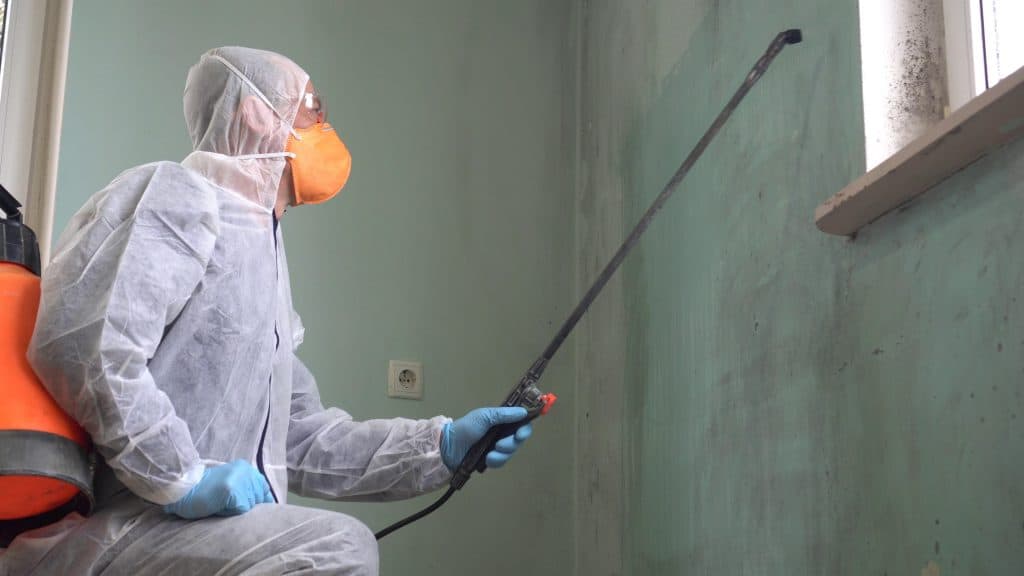
Professional mold removal means more than scrubbing visible spots. It’s about finding hidden growth behind walls, under sinks, in crawl spaces. It’s about containment so spores don’t spread during cleanup. And it’s about treating the source so it doesn’t come back three months later.
When the job’s done right, you’re not just removing mold. You’re protecting your family’s health and your home’s value. That’s what matters.
Mack’s Mold Removal has been serving Richland Center and Bucks County for years. We’re IICRC-certified, which means we follow the same standards insurance companies and health experts recommend when mold needs to go.
We’re local. We know how Pennsylvania’s humid summers and wet winters create the perfect conditions for mold growth. We’ve seen what happens when small leaks turn into big problems, and we know how to stop it before it gets worse.
You’re not getting a call center or a crew from two states over. You’re getting a team that lives and works in Bucks County, responds fast, and treats your home the way we’d treat our own.

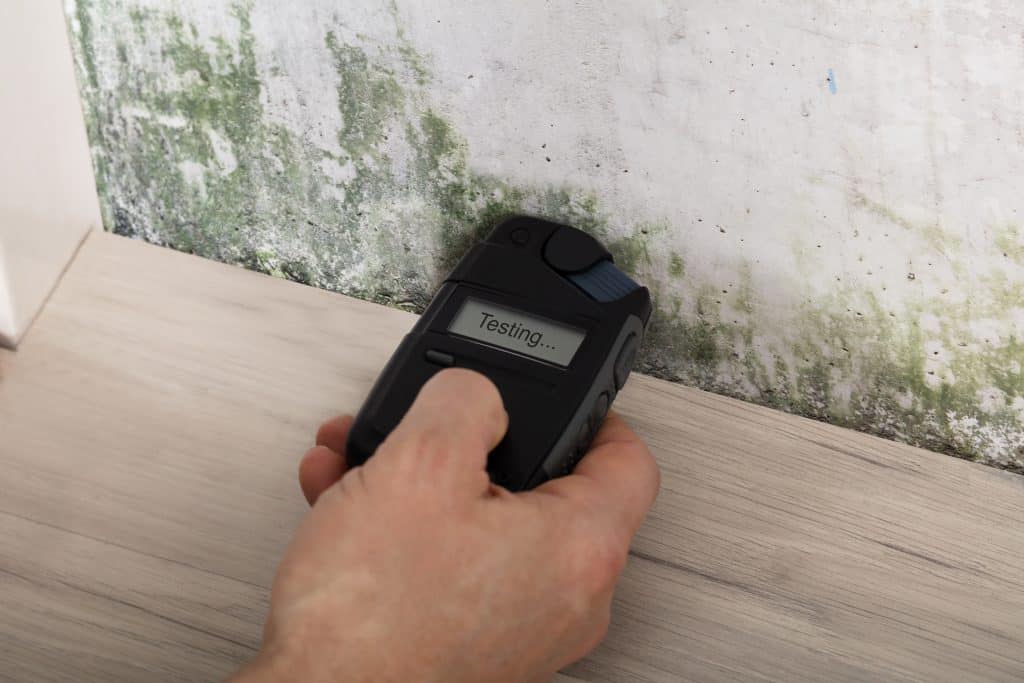
First, we inspect. That means checking the obvious spots and the hidden ones—behind drywall, under flooring, around HVAC systems. We use moisture meters and thermal imaging to find what you can’t see. If testing is needed to identify the mold type, we handle that too.
Next, we contain the area. Mold spreads through spores, and the last thing you want is contamination in rooms that were fine before we started. We seal off the work zone and use negative air pressure to keep spores from traveling.
Then we remove it. Depending on what we find, that could mean cleaning and disinfecting surfaces, removing contaminated materials like drywall or insulation, or treating structural wood. We don’t cut corners. If something’s too far gone, we tell you.
Finally, we dry everything out and treat the area to prevent regrowth. Mold needs moisture. If we eliminate the source and lower humidity, it can’t come back. You’ll know what caused it, what we did, and what to watch for going forward.
Ready to get started?
Every mold removal job in Richland Center starts with a free inspection. We’re not going to quote you over the phone without seeing what’s actually happening in your home. Bucks County homes deal with specific issues—older construction, basements that flood during heavy rain, humidity that climbs in summer. We account for all of it.
You get certified mold specialists, not general handymen. Our team is trained in containment, removal, and remediation techniques that meet industry standards. We coordinate with your insurance if needed, and we document everything so there’s no confusion about what was done or why.
We also explain what caused the mold in the first place. Maybe it’s a roof leak you didn’t know about. Maybe it’s poor ventilation in your bathroom. Maybe it’s groundwater seeping into your foundation. Whatever it is, we’ll tell you so you can fix the root problem and not just the symptom.
Richland Center homeowners have high property values to protect. The median home here is worth over $220,000. Mold doesn’t just threaten your health—it threatens your investment. We take that seriously.
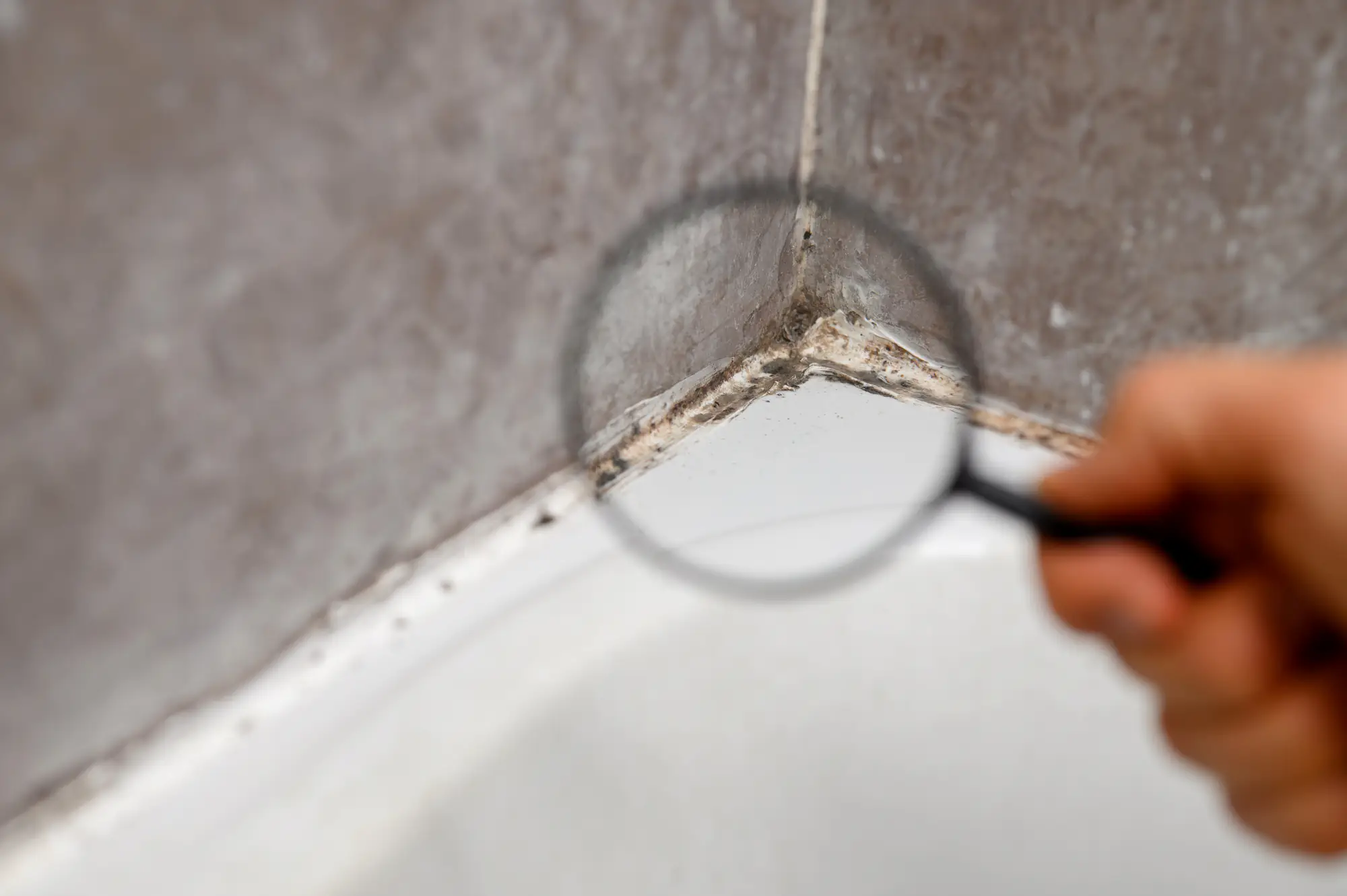
Visible mold is the obvious sign—dark spots on walls, ceilings, or around windows. But plenty of mold grows where you can’t see it. If you smell something musty, especially in basements, bathrooms, or crawl spaces, that’s a red flag.
Health symptoms can also point to mold. Persistent coughing, sneezing, headaches, or respiratory issues that get worse at home and better when you leave—those aren’t coincidences. Mold releases spores and mycotoxins that irritate your lungs and sinuses.
Water damage is another indicator. If you’ve had a leak, flooding, or even high humidity for an extended period, mold can develop within 24 to 48 hours. It doesn’t take long. The best move is to get a professional inspection so you know exactly what you’re dealing with instead of guessing.
Small surface mold—like a little bit on bathroom tile—you can usually handle with the right cleaner and some scrubbing. But if the mold covers more than a few square feet, if it’s black mold, or if it’s growing on porous materials like drywall or wood, DIY isn’t the right call.
Mold spreads through spores. If you start scrubbing or tearing out materials without proper containment, you’re sending spores into the air and potentially contaminating other areas of your home. Professional mold removal includes containment, air filtration, and safe disposal of contaminated materials.
There’s also the question of what caused it. If you clean up mold but don’t fix the moisture problem, it’s coming back. A mold specialist identifies the source, treats the affected area properly, and gives you a plan to prevent future growth. That’s not something you get from a bottle of bleach and a sponge.
It depends on the size and severity of the problem. A small, contained area might take a day or two. Larger infestations, especially ones that involve removing drywall, insulation, or flooring, can take several days to a week.
The process isn’t just about scrubbing and leaving. We need time for proper containment setup, removal, treatment, drying, and air quality testing if necessary. Rushing through it means risking incomplete removal or spreading spores to clean areas.
Most Richland Center homeowners are surprised by how much is involved. But the goal isn’t speed—it’s doing it right the first time so you don’t have to call someone back in six months. We’ll give you a realistic timeline during the inspection based on what we find.
It depends on what caused the mold. If it’s the result of a sudden, covered event—like a burst pipe or storm damage—most homeowners insurance policies will cover remediation. If it’s from long-term neglect, like an ongoing leak you didn’t fix, coverage is less likely.
The key is documentation. Insurance companies want to see proof of the damage, the cause, and the scope of work needed. We help with that. We document everything during the inspection and remediation process, and we can work directly with your insurance adjuster if needed.
Pennsylvania doesn’t have state-specific mold regulations, but insurance companies still follow industry standards for what qualifies as proper remediation. Having an IICRC-certified mold removal company handle the work makes the claims process smoother because insurers trust that the job meets professional guidelines.
Mold removal sounds like you’re getting rid of every single spore in your home. That’s not realistic. Mold spores exist everywhere—they’re in the air outside, they’re in your house right now. The goal isn’t total elimination. It’s getting mold levels back to normal, safe levels.
Mold remediation is the correct term. It means identifying the problem, containing it, removing contaminated materials, treating affected areas, and addressing the moisture source so mold doesn’t return. It’s a complete process, not just surface cleaning.
Some companies use “mold removal” because that’s what people search for, and that’s fine. Just know that what you’re actually getting—if the company is legitimate—is remediation. It’s about making your home safe again, not achieving some impossible standard of zero mold spores.
Control moisture. That’s the single most important thing. Mold needs water to grow. If you keep humidity levels below 60%, fix leaks quickly, and ensure proper ventilation, you’re eliminating the conditions mold needs to thrive.
In Richland Center, that means paying attention to basements and crawl spaces, especially after heavy rain. Use dehumidifiers if needed. Make sure your gutters and downspouts direct water away from your foundation. Check under sinks, around toilets, and near appliances for slow leaks.
Ventilation matters too. Bathrooms and kitchens generate a lot of moisture. Run exhaust fans during and after showers. Don’t let wet towels or clothes sit around. If you notice condensation on windows or walls, that’s a sign humidity is too high. After professional mold remediation, we’ll walk you through the specific risks in your home and what to watch for so you’re not dealing with this again.
Other Services we provide in Richland Center