
Hear from Our Customers
You stop wondering what’s behind the walls. The musty smell disappears. Your family breathes easier, and you’re not second-guessing every cough or headache anymore.
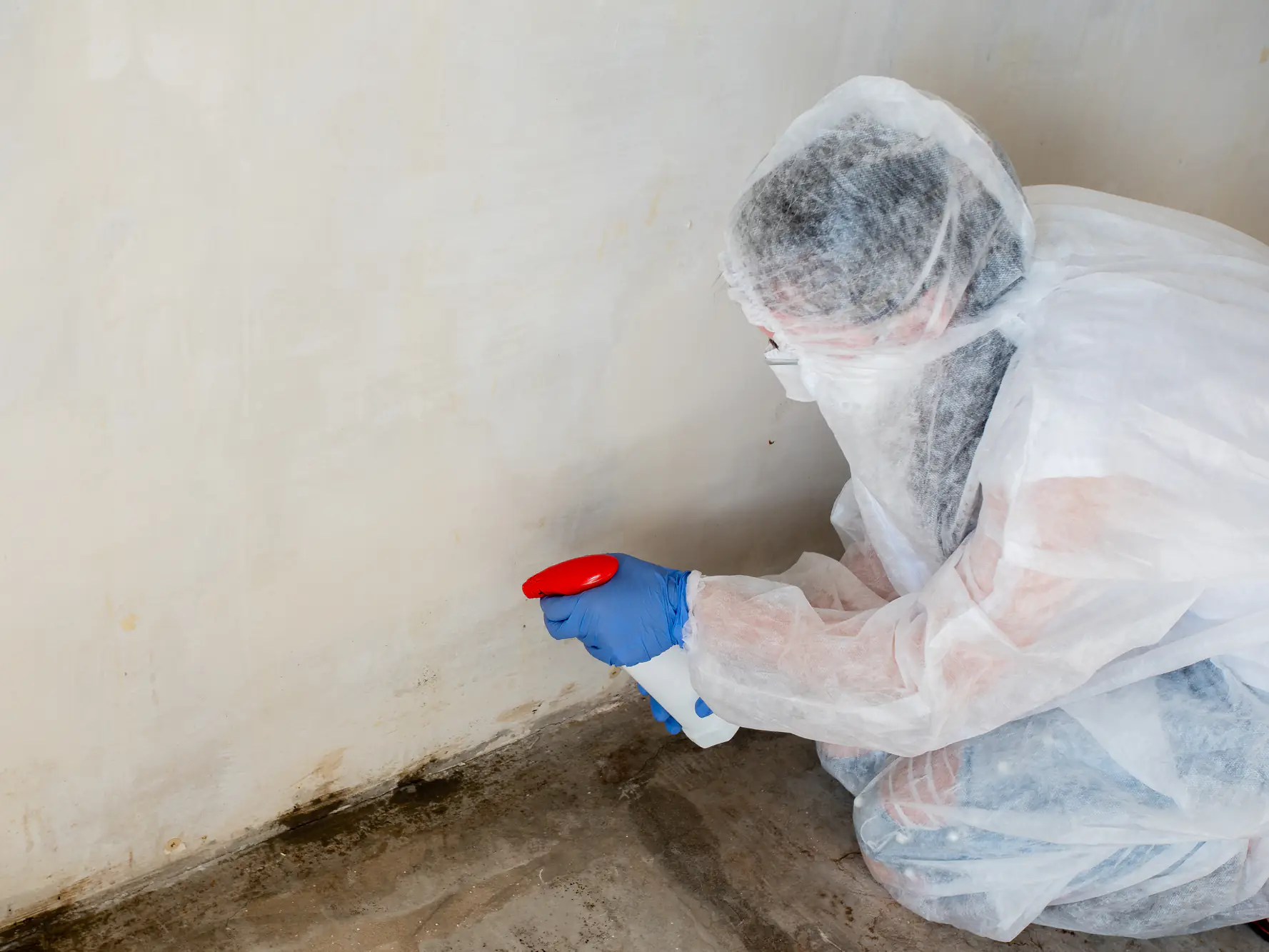
That’s what proper mold removal does. It doesn’t just clean up what you can see—it eliminates the colony at the source, dries out the moisture feeding it, and restores the air quality in your home.
You’re not left guessing if it worked. You’re not dealing with the same problem six months later. The space is clean, the humidity is controlled, and the conditions that allowed mold to grow in the first place are gone. That’s the difference between a real remediation and a surface-level cleanup.
We work with homeowners throughout Richland Center and Bucks County who are dealing with mold they didn’t see coming. Basement flooding after a storm, a slow leak behind a washing machine, condensation in an attic that went unnoticed for months—we’ve handled it all.
We use EPA-approved methods, certified technicians, and equipment designed for complete remediation, not quick fixes. We also know the local climate here—humid summers, older homes with stone foundations, and the kind of water issues that are common in this area.
You’re not getting a national franchise following a script. You’re working with a local team that understands what causes mold in Bucks County homes and how to stop it for good.
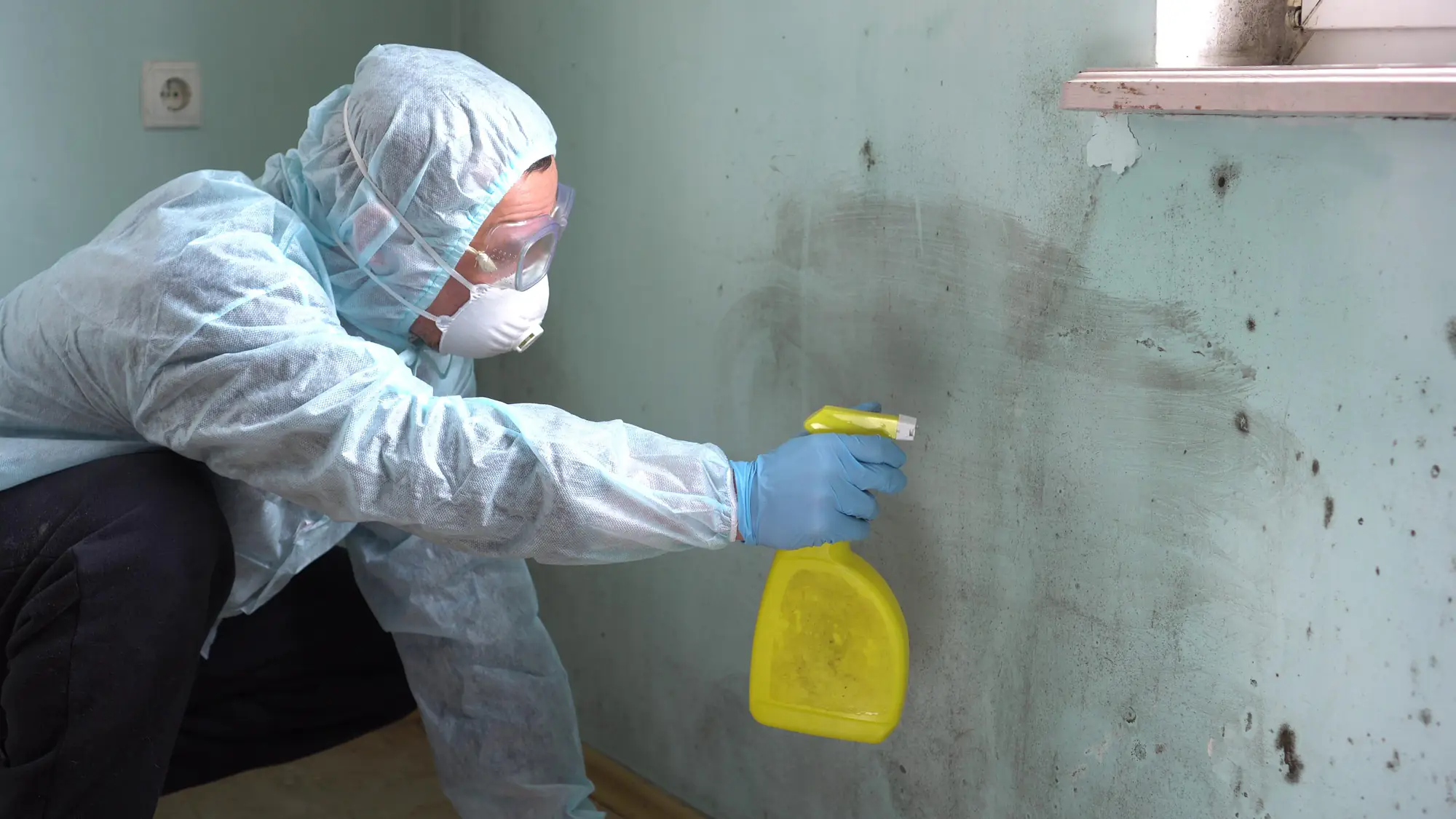
First, we come out and do a free inspection. We’re looking for visible mold, but also moisture levels, airflow issues, and hidden growth behind walls or under flooring. We test the air and surfaces if needed to identify what type of mold you’re dealing with.
Once we know what we’re working with, we contain the area to prevent spores from spreading during removal. Then we remove contaminated materials—drywall, insulation, carpet, whatever can’t be salvaged. We use HEPA vacuums and antimicrobial treatments to clean surfaces that can be saved.
After removal, we dry everything out completely and treat the area to prevent regrowth. If there’s structural damage or you need drywall replaced, we handle that too. You’re not coordinating three different contractors—we take it from contaminated to clean and restored. Before we leave, we retest the air to confirm the mold is gone and the space is safe.
Ready to get started?
Every job starts with a thorough inspection and moisture assessment. We’re not just treating symptoms—we’re finding the water source that caused the problem in the first place. That might be a leaky pipe, poor ventilation, foundation seepage, or humidity that’s too high.
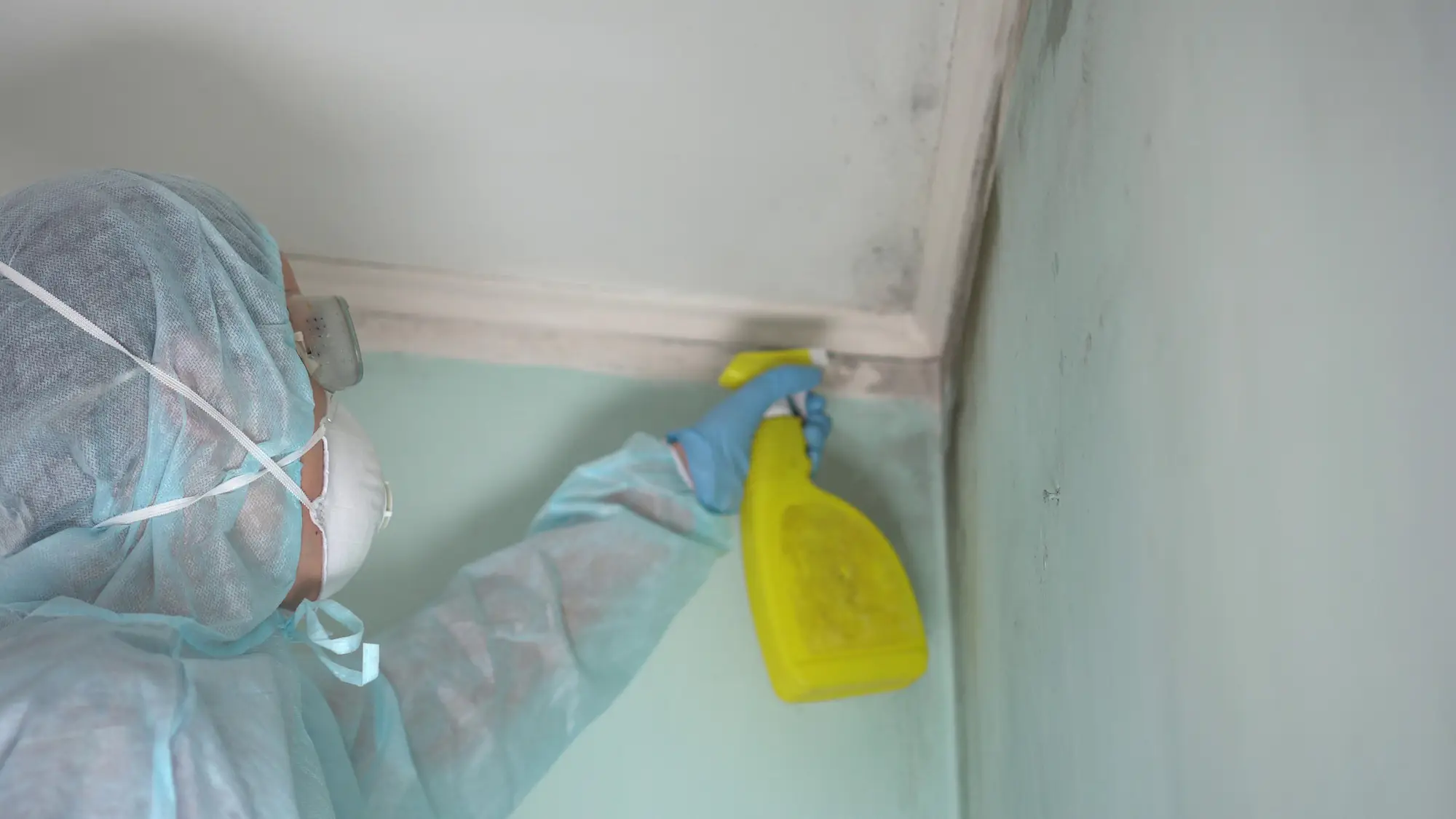
We contain the work area with plastic sheeting and negative air pressure to keep spores from spreading to clean areas of your home. All contaminated materials are removed and disposed of properly. We clean and treat remaining surfaces with antimicrobial solutions, then dry everything using industrial dehumidifiers and air movers.
In Bucks County, we see a lot of basement mold from groundwater issues and attic mold from poor ventilation. Both require different approaches, and we adjust our process based on what your home needs. If your insurance covers the work, we’ll document everything and work directly with your adjuster. You also get a final clearance test and a report showing the air quality is back to safe levels before we consider the job done.

If you can see mold growing on walls, ceilings, or floors, or if you smell that persistent musty odor even after cleaning, you need professional help. Visible mold is usually a sign there’s more hidden behind surfaces.
You also need a pro if the affected area is larger than about 10 square feet, if the mold is in your HVAC system, or if it came back after you tried cleaning it yourself. DIY methods don’t address the moisture source or remove mold inside walls and cavities.
Health symptoms matter too. If anyone in your home is experiencing unexplained respiratory issues, sinus problems, or allergy symptoms that won’t go away, mold exposure could be the cause. A professional inspection will tell you what you’re dealing with and whether remediation is necessary.
Most residential mold removal jobs take between one and five days, depending on the size of the affected area and how much material needs to be removed. A small bathroom with surface mold might be done in a day. A finished basement with mold behind drywall could take three to five days.
The timeline includes containment, removal, cleaning, drying, and final testing. Drying is often the longest part—we can’t close up walls or reinstall materials until moisture levels are completely normal, or the mold will just come back.
If there’s restoration work involved, like replacing drywall or repainting, that adds time. We’ll give you a clear timeline after the inspection so you know what to expect. We also work efficiently because we know you want your home back to normal as quickly as possible.
It depends on what caused the mold. If it resulted from a sudden, accidental event—like a burst pipe, storm damage, or an appliance leak—most homeowners policies will cover remediation. If it’s from long-term neglect, poor maintenance, or ongoing humidity issues, it’s usually not covered.
The key is acting fast. Insurance companies expect you to address water damage immediately to prevent mold growth. If you wait weeks or months, they may deny the claim.
We work with insurance companies regularly and can help document the damage, provide estimates, and communicate with your adjuster. Even if your claim gets denied, we’ll give you transparent pricing so you know exactly what the work costs. Many homeowners find that getting it done right the first time—even out of pocket—is cheaper than dealing with recurring mold and health problems.
Bleach kills surface mold on non-porous materials like tile or glass, but it doesn’t penetrate porous surfaces like drywall, wood, or insulation. It also doesn’t remove the mold—it just discolors it. The roots stay behind, and the mold grows back.
More importantly, DIY cleaning doesn’t address the moisture problem that caused the mold in the first place. If you don’t fix the leak, improve ventilation, or control humidity, you’re just going to see mold again in a few months.
There’s also a safety issue. Disturbing mold releases spores into the air, and without proper containment, you’re spreading contamination throughout your home. Professional remediation includes containment, protective equipment, HEPA filtration, and proper disposal. If the affected area is larger than a few square feet or if you’re dealing with black mold, trying to handle it yourself can make things worse.
Water and humidity. Mold needs moisture to grow, and Bucks County’s climate—especially during summer—creates the perfect conditions. High humidity, poor ventilation, and older homes with less-than-ideal airflow all contribute.
Basements are a common problem area because of groundwater seepage, foundation cracks, and flooding during heavy rain. Attics get mold from roof leaks or condensation caused by poor insulation and ventilation. Bathrooms and kitchens are also high-risk because of steam and moisture that doesn’t get vented properly.
Leaky pipes, appliance malfunctions, and even something as simple as a clogged gutter can lead to water intrusion. Once mold starts growing, it can spread quickly—sometimes within 24 to 48 hours after water damage. The key is catching moisture problems early and keeping indoor humidity below 60%. If you’ve already got mold, the source has to be fixed, or remediation won’t stick.
Control moisture. That’s the whole game. If you eliminate the water source and keep humidity in check, mold can’t grow. After we finish remediation, we’ll identify what caused the problem—whether it’s a plumbing leak, poor ventilation, or foundation issues—and recommend fixes.
Use dehumidifiers in basements and other damp areas, especially during humid months. Make sure bathrooms and kitchens have working exhaust fans that vent outside, not into the attic. Fix leaks immediately, even small ones. Check your gutters and downspouts to make sure water drains away from your foundation.
If your home has chronic humidity issues, a whole-house dehumidifier or better insulation might be necessary. We’ll walk you through what your specific home needs. The goal is to make sure the conditions that allowed mold to grow in the first place don’t come back. If you stay on top of moisture control, you shouldn’t see mold again.
Other Services we provide in Richland Center