
Hear from Our Customers
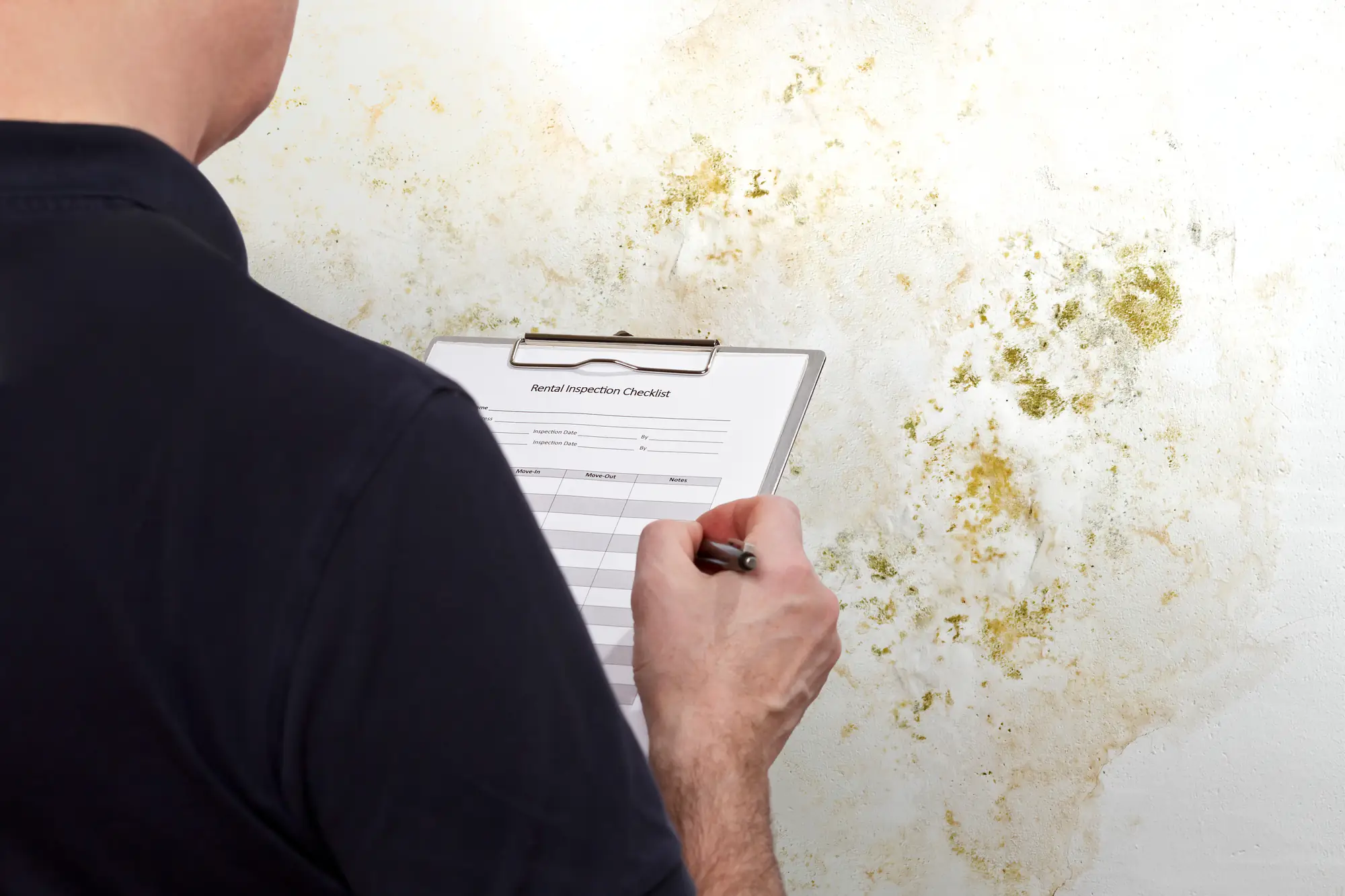
You’re not imagining that musty smell. You’re not overreacting to that dark spot on the ceiling. And you’re definitely not wrong to worry about what you can’t see behind the walls.
Mold doesn’t announce itself until it’s already a problem. By the time you notice visible growth or that persistent odor, spores have likely been spreading for weeks. In Bridge Valley’s humid climate, especially during those sticky summer months when humidity sits between 62-93 percent, mold can start developing within 24 to 48 hours of water exposure.
A real mold inspection tells you three things: where it is, what type it is, and why it’s there. That last part matters most. Without identifying the moisture source, you’re just cleaning up symptoms while the problem keeps coming back.
You get a thorough visual assessment using thermal imaging and moisture meters to detect what’s hidden. You get air quality testing that identifies mold types and spore counts. And you get documentation that actually means something if you need to file an insurance claim or address the issue before selling your home.
We serve Bridge Valley and the broader Bucks County area with certified mold inspection and remediation services. We’re not a franchise operation trying to upsell you on services you don’t need.
Our inspectors are trained, certified, and equipped with professional-grade detection technology. We use EPA-approved methods because cutting corners on mold work just creates bigger problems down the line.
Bridge Valley homes face specific challenges. The area’s humidity, older housing stock in some neighborhoods, and seasonal precipitation increases mean mold risk is real here. We’ve seen what happens when homeowners wait too long or try to handle it themselves. We’ve also seen what proper inspection and remediation looks like when it’s done right the first time.
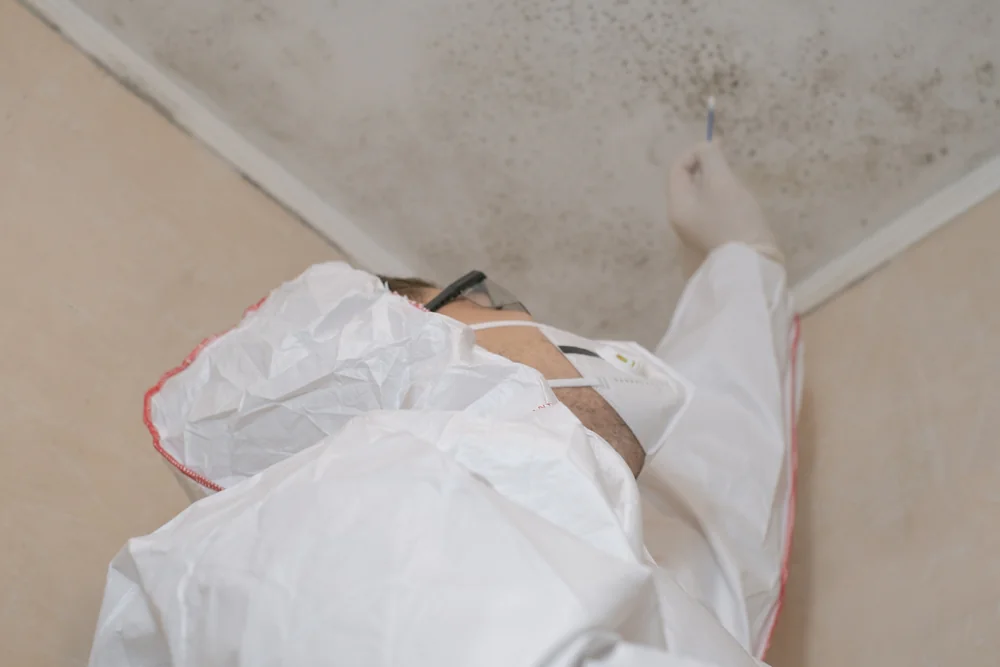
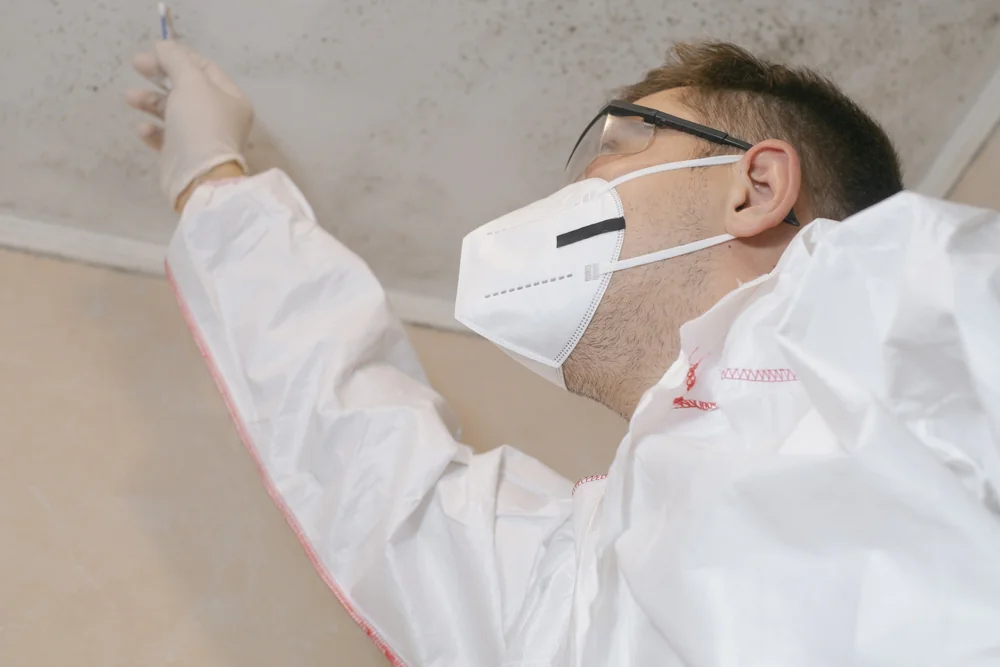
We start with a free visual inspection of your property. That means checking obvious areas like bathrooms, basements, and attics, but also looking at places most homeowners miss: behind appliances, inside HVAC systems, under sinks, and in crawl spaces.
We use thermal imaging cameras to detect temperature variations that indicate moisture problems. We use moisture meters to measure water content in walls, floors, and ceilings. These tools find issues before they become visible problems.
If we find signs of mold or moisture intrusion, we take air samples and surface samples. Those samples go to a certified lab for analysis. You get results that identify specific mold types and spore concentrations. That’s not just helpful information, it’s necessary if you’re dealing with insurance companies or need documentation for real estate transactions.
We also identify the source. Mold is a symptom. Water is the problem. Whether it’s a slow leak, poor ventilation, foundation issues, or storm damage, we find what’s feeding the growth. Then we give you a clear explanation of what needs to happen next, what it costs, and how long it takes.

Ready to get started?
The inspection itself is free. You’re not paying for someone to show up and tell you there’s a problem. You’re getting a certified professional assessment that includes visual inspection, moisture detection, thermal imaging, and air quality testing at no cost.
If testing is needed, that’s when costs come in. Air samples and surface samples get sent to certified labs. In the Bridge Valley and Bucks County area, full inspections with lab testing typically run between $350-$670 depending on the size of your home and how many samples are needed.
You also get detailed documentation. That matters if you’re filing an insurance claim, especially since some homeowner policies cover mold remediation when it results from covered water damage events. We work with insurance companies regularly and know what documentation they require.
What you’re really paying for is certainty. You know what type of mold you’re dealing with. You know where it is and why it’s there. You know what it takes to fix it properly. And you know whether your family’s health concerns are justified or if you’re dealing with something less serious than black mold.
Bridge Valley’s climate creates conditions where mold thrives. Precipitation in Pennsylvania has increased 5-10 percent recently. That means more moisture, more humidity, and more mold risk. Professional inspection isn’t paranoia, it’s smart homeownership in this environment.

You need an inspection if you smell persistent musty odors, see visible growth or discoloration, have had recent water damage, or are experiencing unexplained health symptoms like stuffy nose, throat irritation, coughing, or skin rashes that improve when you leave the house.
You also need one if you’re buying or selling a home in Bridge Valley. Mold issues tank property values and create legal headaches during real estate transactions. Getting ahead of it with professional documentation protects everyone involved.
Don’t wait for visible growth. By the time you see mold, it’s already established. Moisture can hide in wall cavities, under flooring, or in insulation where mold spreads before you notice any signs. If you’ve had any water intrusion, roof leaks, plumbing issues, or flooding in the past year, get it checked. Mold can start developing within 24-48 hours after water exposure.
Inspection is the visual assessment and moisture detection process. Testing is when we take air samples or surface samples and send them to a lab for analysis. You always get an inspection. You don’t always need testing.
If we find visible mold or strong evidence of hidden growth, testing identifies the specific mold type and spore concentration. That’s important because different molds require different remediation approaches. Black mold (Stachybotrys) needs more aggressive treatment than common household molds.
Testing also gives you lab documentation for insurance claims, legal disputes, or real estate transactions. Some situations require certified test results. If you’re dealing with health issues, planning to sell, or filing a claim, testing isn’t optional. For straightforward cases where mold is visible and the source is obvious, we might recommend skipping the lab work and moving straight to remediation.
You can check obvious areas, but you’ll miss most of the problem. Mold hides. It grows inside walls, under flooring, in HVAC ducts, and in crawl spaces you can’t easily access. Without thermal imaging and moisture meters, you’re guessing.
You also can’t identify mold types visually. That dark spot could be black mold or it could be mildew. The health risks and remediation requirements are completely different. Professional testing gives you actual answers instead of assumptions.
Pennsylvania requires a license to conduct professional mold assessment. That’s not bureaucracy, it’s because improper inspection and remediation creates health hazards and spreads contamination. Certified inspectors know how to contain the area, collect samples without releasing spores, and interpret results accurately. If you disturb mold without proper containment, you’re spreading spores throughout your home and making the problem worse.
Plan on 1-2 hours for a thorough inspection of an average-sized home. Larger properties or homes with multiple problem areas take longer. We’re not rushing through your house checking boxes. We’re looking in places most people never think to check.
If we take samples for lab testing, you’ll get results within 3-5 business days typically. Some labs offer rush processing if you’re dealing with a time-sensitive situation like a real estate closing.
The inspection itself happens in one visit. We check your entire property, use thermal imaging and moisture detection equipment, take any necessary samples, and explain what we found before we leave. You’re not waiting weeks for answers. You know the same day whether you have a mold problem and what the next steps look like.
It depends on what caused the mold. If mold resulted from a covered event like a burst pipe, storm damage, or sudden water intrusion, many homeowner policies cover remediation. If it’s from long-term neglect, poor maintenance, or gradual issues like chronic humidity, probably not.
That’s why documentation matters. We provide detailed reports that show what we found, where the moisture came from, and what remediation is required. Insurance companies want proof that mold resulted from a specific covered incident, not general wear and tear.
We work with insurance companies regularly and know what they need to process claims. We can help you navigate that process, but we’re honest about what’s likely to be covered and what isn’t. Some policies have mold coverage caps or exclusions. Check your policy or call your agent before assuming you’re covered. Either way, you still need to address the problem. Mold doesn’t care about insurance disputes, it just keeps growing.
We tell you exactly what we found, where it is, how extensive it appears, and what likely caused it. Then we explain your options. For minor surface mold in small areas, you might be able to handle cleanup yourself with proper safety equipment. For anything involving porous materials, hidden growth, or significant contamination, you need professional remediation.
We give you a detailed estimate that breaks down the work required, the timeline, and the cost. No surprises, no pressure. You decide whether to move forward. If you choose to hire us for remediation, we schedule the work and handle everything from containment to source correction to final clearance testing.
If you want a second opinion or decide to hire someone else, that’s fine. You own the inspection report and lab results. The goal is making sure you understand what you’re dealing with so you can make an informed decision about protecting your home and your family’s health.
Other Services we provide in Bridge Valley