
Hear from Our Customers
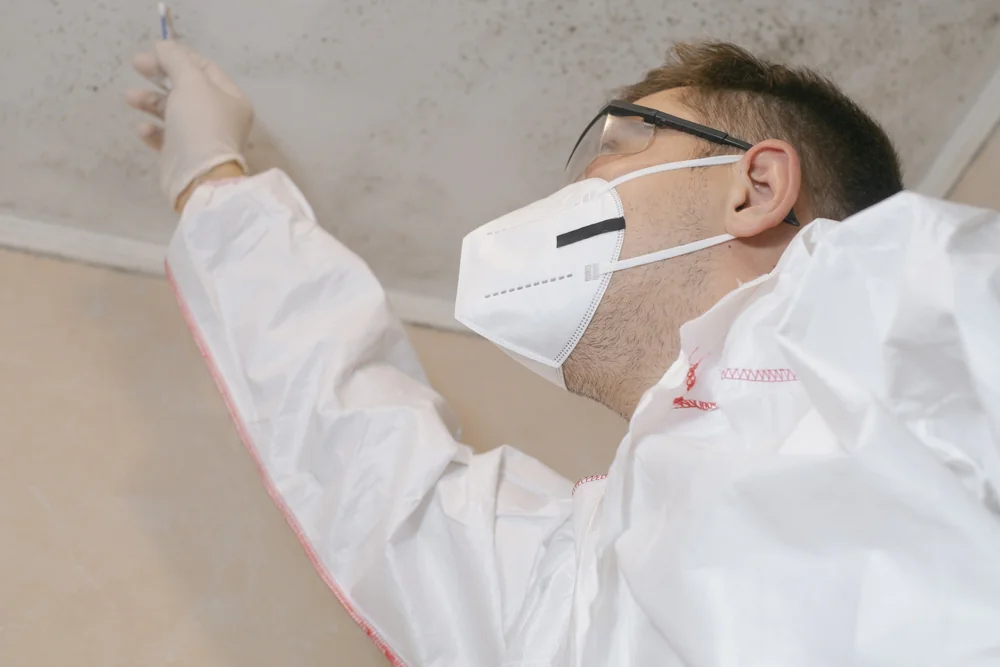
You can’t fix what you can’t see. That’s the problem with mold in Bucks County homes—it hides in crawl spaces, behind walls, and in attics where humidity does its worst work. By the time you smell it or see discoloration, it’s already spread.
A proper home mold inspection gives you the full picture. Thermal imaging shows moisture patterns your eyes miss. Air sampling catches spores floating through your home before they colonize. Moisture meters tell you if conditions are right for growth, even when nothing’s visible yet.
You walk away knowing exactly what’s happening in your home. No guessing. No wondering if that musty smell is serious or if your kid’s cough is connected to something growing in the basement. Just clear answers and a plan that makes sense for your situation and your budget.
We’ve been handling mold problems in Newportville Terrace and across Bucks County for years. We understand how the humid summers and damp basements in this area create perfect conditions for mold growth. Older homes without modern ventilation? We’ve inspected hundreds of them.
When local contractors find mold during renovations, they send their clients to us. When insurance companies need reliable documentation, they trust our reports. When your neighbors needed answers about that water stain or musty smell, they called us first.
Every technician on our team is certified in mold remediation and trained on the latest detection technology. We’re not a national chain reading from a script—we’re local experts who’ve seen what mold does to homes like yours.
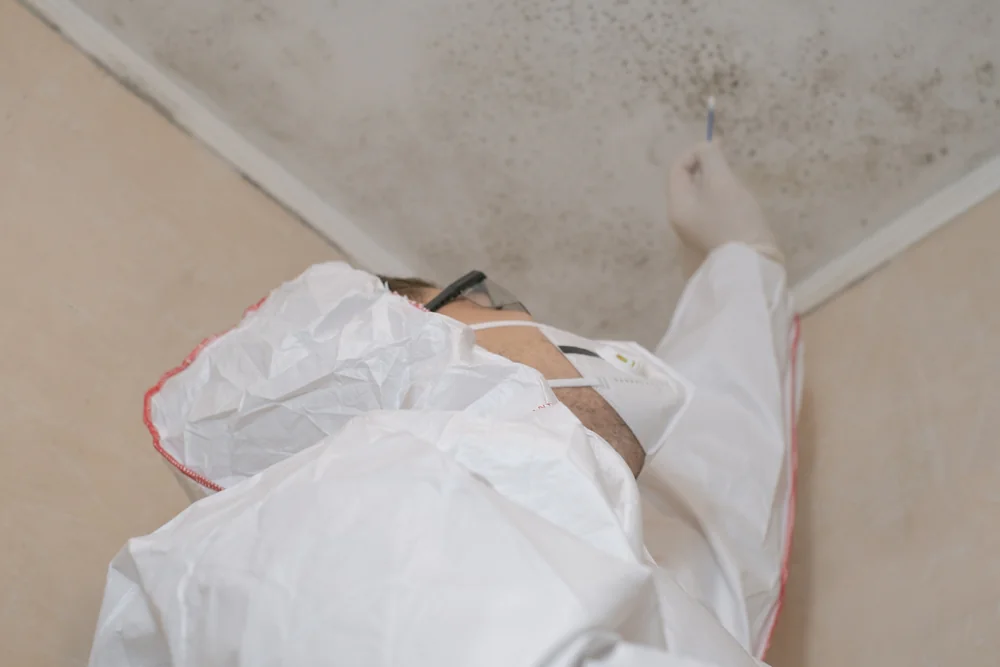
First, we talk. You tell us what you’ve noticed—water damage, musty odors, visible growth, health symptoms, or just concerns before buying or selling. That conversation guides where we look first.
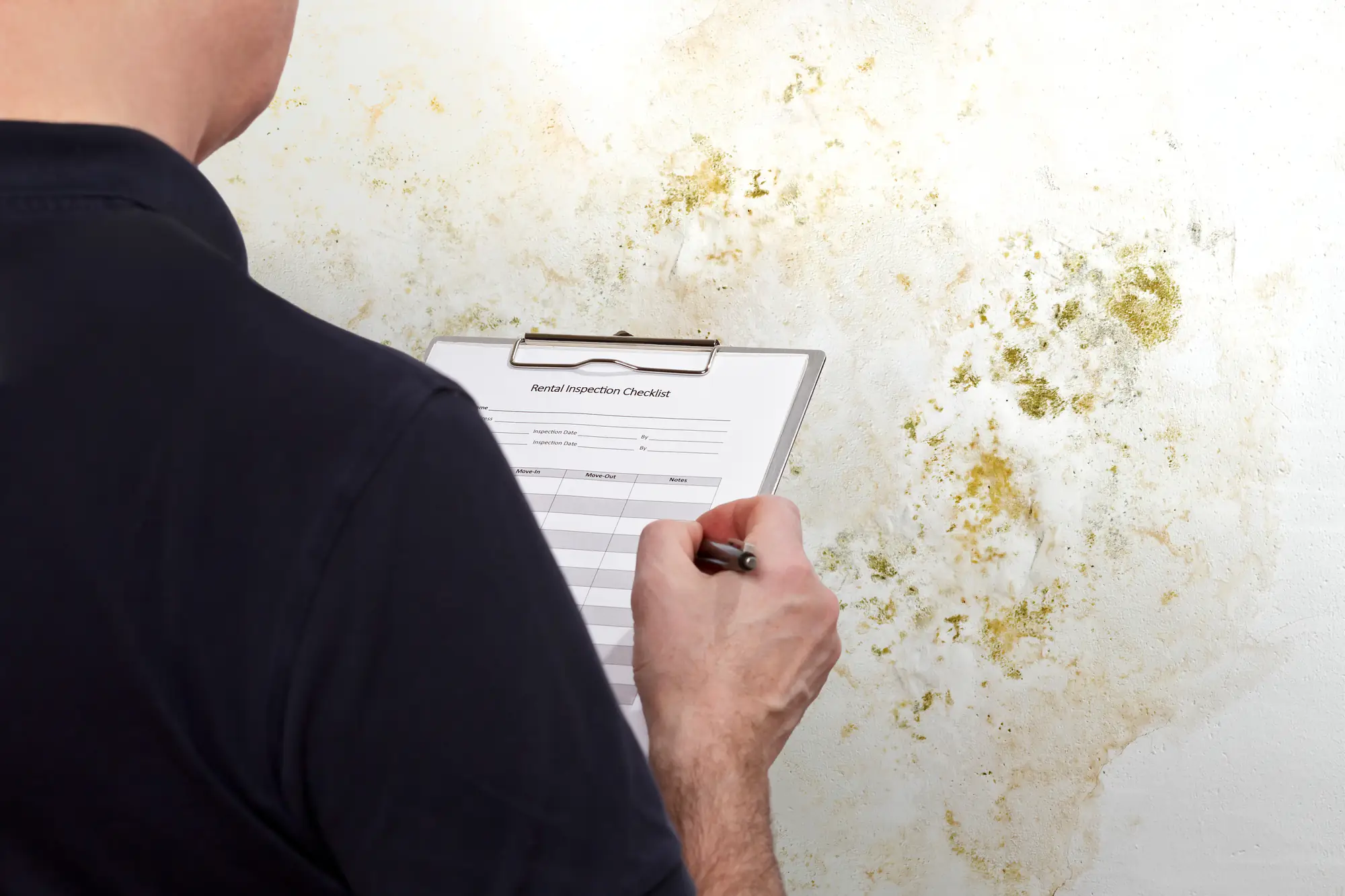
Then we inspect every area where mold typically grows in Bucks County homes. Basements where moisture rises. Attics with ventilation issues. Crawl spaces. Bathrooms. Areas around windows and doors. We use thermal imaging to spot temperature differences that indicate moisture. Moisture meters tell us if materials are wet enough to support mold growth.
If we find visible mold or conditions that warrant it, we take air samples and surface samples. Those go to an independent lab for analysis. You get a detailed report showing exactly what type of mold is present, where it’s growing, and how severe the contamination is.
Finally, we walk you through the results in plain language. If you need remediation, we explain what that looks like and what it costs. If you just need to fix a leak and monitor the area, we tell you that too. No pressure, no upselling—just honest guidance based on what we found.

Ready to get started?
Your mold inspection includes a complete visual assessment of your home’s interior and exterior problem areas. We check basements, crawl spaces, attics, bathrooms, kitchens, and anywhere else moisture tends to accumulate in Newportville Terrace homes.
You get thermal imaging to detect hidden moisture behind walls and ceilings. You get moisture readings from materials like drywall, wood, and insulation. If needed, you get air quality testing to measure spore levels throughout your home and surface sampling to identify specific mold species.
Everything gets documented with photos and detailed notes. Your written report includes lab results if we took samples, moisture readings from every area we tested, and specific recommendations for remediation or prevention. If you’re buying or selling a home, that documentation works with your insurance company or real estate transaction.
The whole process typically takes two to three hours depending on your home’s size and complexity. You can be there or not—whatever works for your schedule. Within a few days, you have a complete picture of your home’s mold situation and exactly what needs to happen next.
Most mold inspections in Bucks County run between $300 and $600 depending on your home’s size and how many samples we need to take. A typical single-family home inspection with air sampling and lab analysis usually falls around $400 to $500.
That includes the visual inspection, moisture mapping, thermal imaging, air quality testing, and a detailed written report with lab results. If you need additional surface samples or testing in multiple areas, that can add to the cost.
Some companies offer free inspections, but they’re usually tied to remediation services—meaning they only make money if they find a problem and you hire them to fix it. That creates an obvious conflict of interest. An independent inspection gives you unbiased results so you can make informed decisions about your home.
You can, but you probably won’t get useful information. DIY mold test kits sold at hardware stores are notoriously unreliable. They almost always come back positive because mold spores exist in every home—the question is whether you have a problem or just normal background levels.
These kits can’t tell you where mold is growing, how extensive the contamination is, or whether the levels are dangerous. They can’t detect hidden mold behind walls or under floors. And they can’t measure moisture levels in building materials, which is critical for understanding if conditions support active growth.
A professional mold detection service uses calibrated equipment and trained eyes to find problems you’d miss. Thermal imaging shows moisture patterns. Air sampling measures spore concentrations in different areas and compares them to outdoor baseline levels. That’s how you know if you actually have a mold problem or just normal environmental exposure. DIY kits can’t do any of that.
Mold can start growing within 24 to 48 hours after materials get wet. In Bucks County’s humid climate, it often happens even faster during summer months when temperatures and humidity levels are high.
That’s why timing matters so much after a leak, flood, or any water intrusion. The longer materials stay wet, the more likely mold will colonize. And once it starts growing, it spreads quickly—releasing spores that travel through your HVAC system and settle in other areas of your home.
If you’ve had recent water damage, a mold inspection within the first few days can catch problems before they become expensive remediation projects. We can identify which materials are salvageable with proper drying and which ones are already compromised. That early intervention often saves thousands in repair costs and prevents health issues down the road.
Mold inspection is the detective work—we find the mold, identify what type it is, measure how bad the contamination is, and figure out what’s causing it. Remediation is the cleanup—actually removing the mold and fixing the conditions that allowed it to grow.
You need an inspection first to understand what you’re dealing with. Trying to remediate without proper testing is like treating symptoms without diagnosing the disease. You might clean up visible mold but miss hidden growth or fail to address the moisture source, which means it just comes back.
Pennsylvania doesn’t require separate companies to handle inspection and remediation, but many homeowners prefer independent testing to avoid conflicts of interest. We offer both services, but we’re always transparent about what you actually need. If you just have a small isolated area that needs cleaning, we’ll tell you that. If you need full remediation with containment and air scrubbing, we’ll explain why and what’s involved.
If the home inspector found moisture issues, water stains, or visible mold, absolutely. If the house has a musty smell, a damp basement, or a history of water problems, you want answers before closing. Even if everything looks fine, older homes in Bucks County often have hidden mold in attics or crawl spaces.
A pre-purchase mold inspection protects you from inheriting someone else’s expensive problem. Pennsylvania law requires sellers to disclose known mold issues, but many homeowners genuinely don’t know what’s growing behind their walls. And some know but don’t disclose it, hoping buyers won’t notice until after closing.
The inspection gives you leverage in negotiations. If we find mold, you can ask the seller to remediate it before closing, reduce the purchase price to cover remediation costs, or walk away from the deal entirely. Spending a few hundred dollars on an inspection can save you thousands in surprise repairs—or prevent you from buying a home with serious health and structural issues.
It depends on what caused the mold. If mold grew because of a sudden, accidental water event—like a burst pipe or storm damage—most homeowners insurance policies will cover remediation. If mold developed slowly from an ongoing leak, poor ventilation, or lack of maintenance, they typically won’t cover it.
Insurance companies consider long-term moisture problems a maintenance issue, not a covered peril. That’s why catching water damage early matters so much. The faster you document the problem and start the claims process, the better your chances of coverage.
We provide detailed documentation that works with insurance claims—photos, moisture readings, lab results, and clear explanations of what happened and when. We’ve worked with most major insurance companies in Bucks County and can help you navigate the claims process. But even if insurance doesn’t cover the inspection itself, knowing what you’re dealing with is worth the cost to protect your home and your family’s health.
Other Services we provide in Newportville Terrace