
Hear from Our Customers
You’re not looking for someone to tell you mold might be there. You need someone who can actually find it, measure it, and explain what happens next.
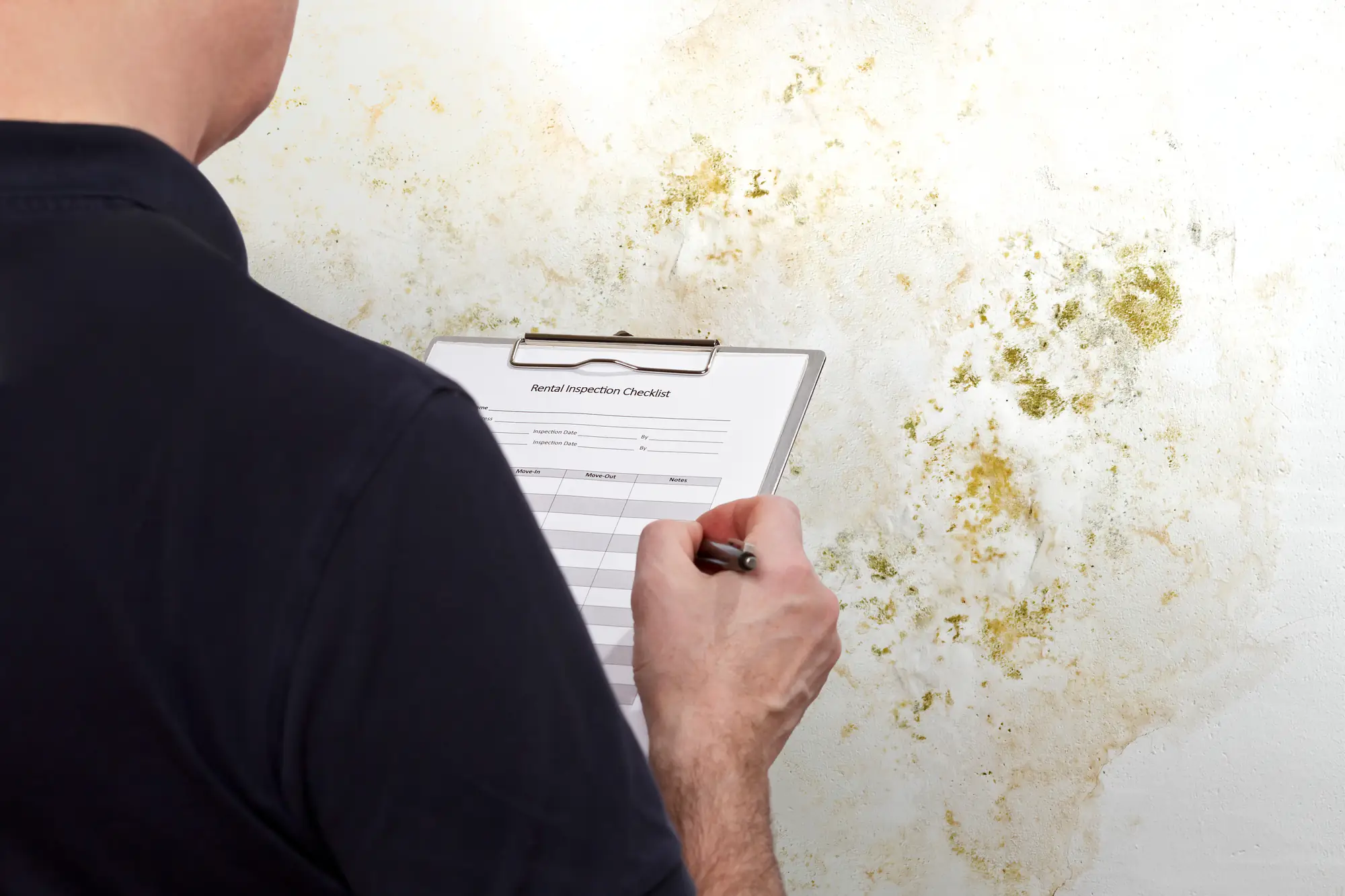
That’s what a real mold inspection does. It checks the places mold loves to hide—behind walls, under floors, in crawl spaces, around old plumbing. It tests the air for spores you’re breathing but can’t see. And it gives you documentation that matters if you’re filing an insurance claim or selling your home.
Chestnut Hill homes have character, but they also have age. Older foundations, brick exteriors, and basements that weren’t built with modern moisture barriers create the exact conditions mold thrives in. Add Philadelphia’s humid summers and frequent rain, and you’ve got a recipe for growth that doesn’t quit.
A proper inspection tells you where the mold is, how bad it is, and what’s feeding it. That’s how you stop guessing and start fixing the actual problem.
We serve Chestnut Hill, Mount Airy, Manayunk, and the surrounding Philadelphia area. We’ve inspected enough basements, attics, and crawl spaces in this region to know what we’re looking at before we even pull out the equipment.
We’re not here to scare you or oversell you. We’re here to give you accurate information so you can make a smart decision about your home. Our inspections use moisture meters, thermal imaging, and air quality testing to find mold you didn’t know was there.
You’ll get a detailed report that breaks down what we found, where we found it, and what it means for your next steps. No jargon. No runaround. Just clear answers from people who’ve seen this before.
First, we talk. You tell us what you’re seeing, smelling, or worried about. We ask questions about water damage, humidity issues, health symptoms—anything that helps us know where to look.
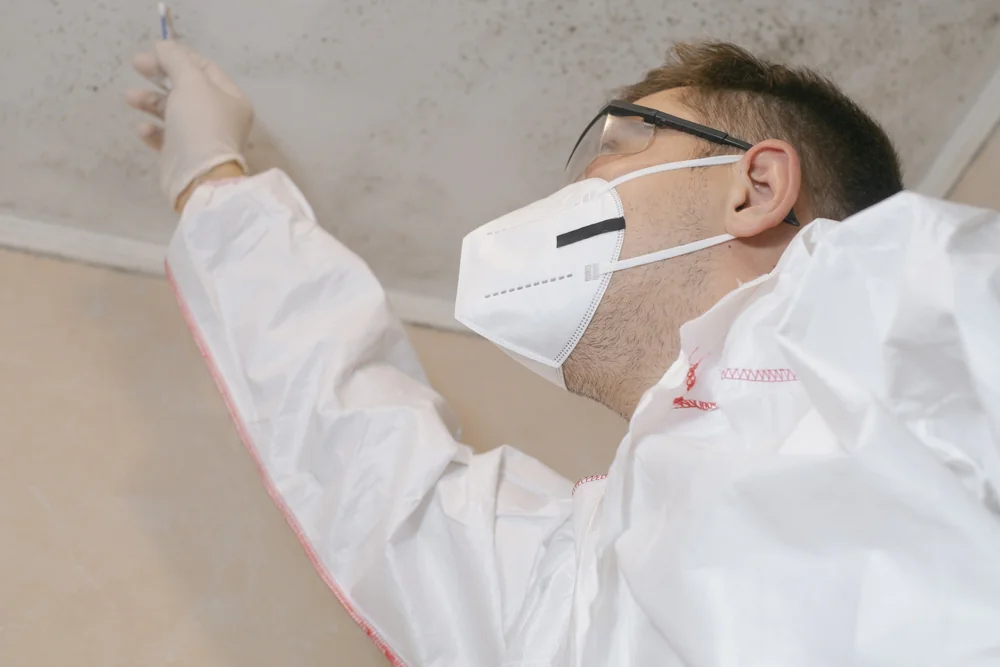
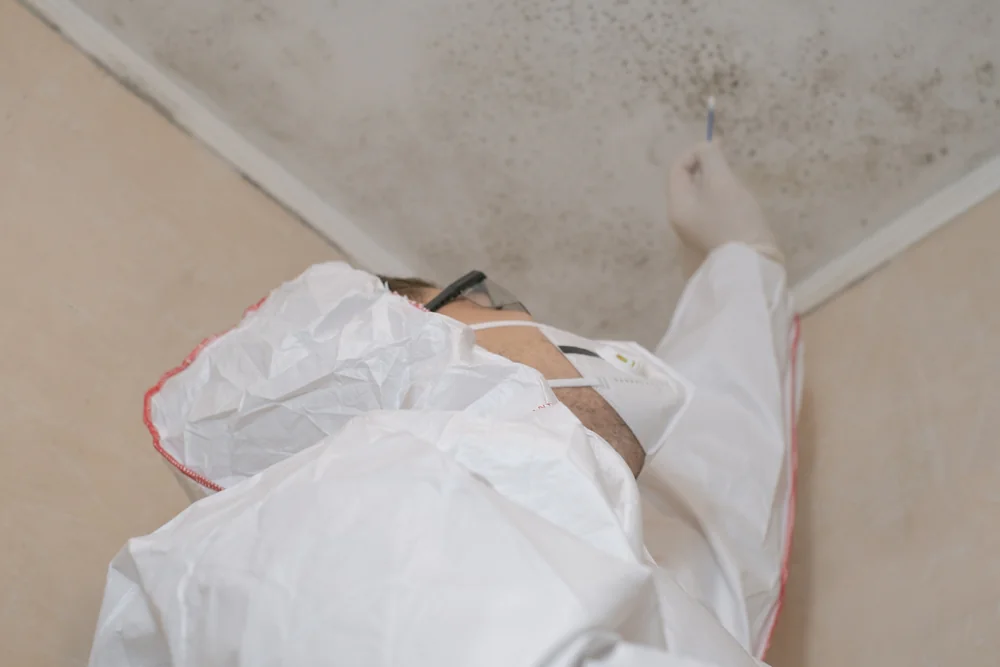
Then we schedule the inspection. When we show up, we’re checking visible areas and the hidden ones. Basements, crawl spaces, attics, behind appliances, around windows. We use thermal imaging to spot temperature differences that signal moisture. We use moisture meters to measure what’s actually wet, not just what looks wet.
We also test the air. Mold spores circulate whether you see growth or not, and air testing tells us if your indoor air quality is compromised. If we find mold, we take samples to identify the type.
After the inspection, you get a report. It explains what we found, where the moisture is coming from, and what needs to happen next. If remediation is needed, we’ll walk you through that too. If it’s something you can handle yourself, we’ll tell you that as well.

Ready to get started?
Every mold inspection we do in Chestnut Hill includes a visual assessment of your entire property, moisture testing with calibrated meters, thermal imaging to detect hidden water intrusion, and air quality sampling to measure spore levels. You’re also getting a written report that documents everything we found.
That report matters. If you’re dealing with insurance, they’ll want proof. If you’re buying or selling a home, it protects everyone involved. If you’re trying to figure out why your family keeps getting sick, it gives you real data to work from.
Philadelphia’s climate makes mold a year-round issue. Humidity regularly tops 60% in the summer. Older homes in Chestnut Hill weren’t designed with vapor barriers or modern HVAC systems. Basements stay damp. Attics trap heat and moisture. And mold doesn’t need much time—growth can start in 24 to 48 hours after water exposure.
We’re not just looking for black mold, though we do find it. We’re looking for any mold that’s affecting your air quality or damaging your property. And we’re identifying the moisture source, because cleaning mold without fixing the leak or humidity problem is just a temporary fix.
Most professional mold inspections in the Philadelphia area run between $299 and $472, depending on the size of your home and the scope of testing. That typically includes a visual inspection, moisture testing, thermal imaging, and air quality sampling.
If you need lab analysis of mold samples to identify the specific type, that’s usually an additional cost. Some companies charge more for larger homes or properties with multiple suspected areas.
The cost is worth it if you’re dealing with health symptoms, planning a real estate transaction, or filing an insurance claim. You’re paying for documentation and expertise, not just a guy with a flashlight.
A mold inspection is the full process—visual assessment, moisture detection, thermal imaging, and identifying problem areas. Mold testing refers specifically to collecting air or surface samples and sending them to a lab for analysis.
You don’t always need testing. If there’s visible mold and an obvious moisture problem, you already know you need remediation. Testing is more useful when you’re experiencing symptoms but can’t find the source, or when you need to confirm the mold type for medical or legal reasons.
We recommend starting with a thorough inspection. If testing makes sense based on what we find, we’ll tell you. If it doesn’t, we’ll save you the money.
You can, but those kits don’t tell you much. They’ll confirm that mold spores exist in your home, which is true for basically every home. What they won’t tell you is whether the levels are dangerous, where the mold is growing, or what’s causing it.
DIY kits also don’t include moisture mapping, thermal imaging, or a trained eye that knows where to look. Mold hides in wall cavities, under flooring, and in HVAC systems. If you can’t see it, a surface swab won’t find it.
If you’re trying to save money, start with a professional inspection. You’ll get real answers and a plan you can actually use. If the inspection shows you don’t have a problem, you’re done. If it shows you do, you’ll know exactly what to fix.
For most homes in Chestnut Hill, expect the inspection to take between one and three hours. Larger homes or properties with multiple problem areas take longer.
We’re not rushing through it. We’re checking basements, attics, crawl spaces, bathrooms, kitchens, and anywhere else moisture tends to collect. We’re using equipment that takes time to get accurate readings.
After the inspection, it usually takes a few days to get lab results back if we collected samples. You’ll have the full report shortly after that, with photos, findings, and recommendations.
Musty smells are the biggest giveaway, especially in basements or bathrooms. If it smells like mold, there’s probably mold. Visible growth on walls, ceilings, or around windows is another obvious sign.
But plenty of mold problems don’t announce themselves. You might notice condensation on windows, water stains on ceilings, or peeling paint. You might have family members dealing with unexplained allergies, asthma flare-ups, or respiratory issues that get worse at home.
If you’ve had any water damage—leaky roof, burst pipe, flooding, even a small backup—you should get an inspection. Mold can establish itself in 24 to 48 hours, and it doesn’t always grow where you can see it. Philadelphia’s older homes make this even more common, since moisture can sit in walls or under floors without anyone noticing.
No, you don’t need to leave. There’s nothing hazardous about the inspection process itself. We’re using non-invasive tools like moisture meters and thermal cameras, and collecting air samples that don’t disturb anything.
Some people prefer to stick around so they can ask questions and see what we’re finding in real time. Others leave and come back. It’s completely up to you.
If we do find mold and you move forward with remediation, that’s a different story. Depending on the extent of the growth, you may need to stay elsewhere during the cleanup. But for the inspection itself, you’re fine to be home.
Other Services we provide in Chestnut Hill