

Hear from Our Customers
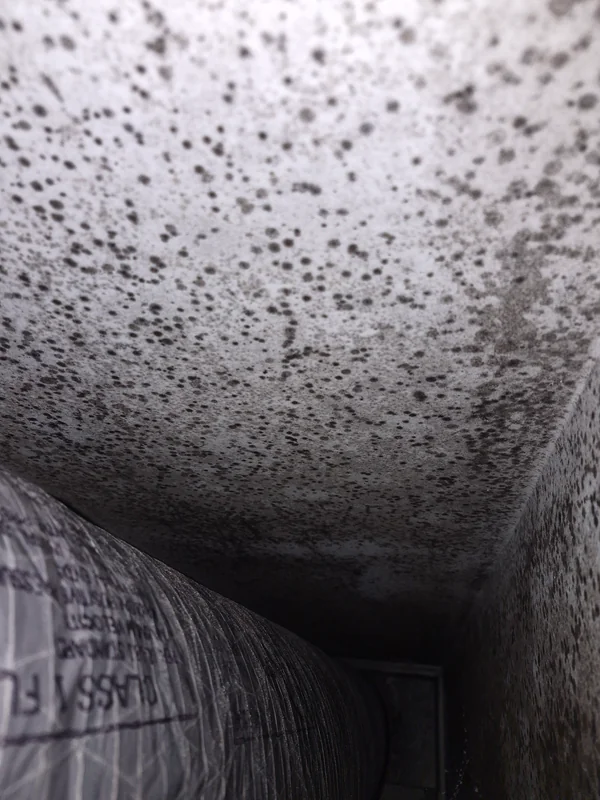
Most Chestnut Hill homes were designed around fireplaces and radiators not forced-air systems. When central air conditioning arrived in the 1970s, homeowners who wanted it had to retrofit ductwork into spaces that were never meant to hold it: tight cavities inside century-old stone walls, basement ceiling runs, and enclosed areas with almost no airflow. That ductwork is now 40 to 50 years old in many homes here, and a large number of those systems have never been professionally cleaned. What’s growing inside them isn’t always visible from a vent register.
Living next to Wissahickon Valley Park and Cresheim Creek is one of the things that makes this neighborhood genuinely beautiful. It also means your HVAC system draws in a continuous supply of tree pollen, fungal spores, and organic particulates every time it cycles and Philadelphia’s average relative humidity of 65 percent means those materials don’t just pass through. They settle.
When the moisture conditions from the creek corridor are already elevating your basement’s baseline dampness, the interior of your ductwork becomes exactly the kind of dark, humid environment where mold establishes itself quietly. After a thorough cleaning and sanitizing from a certified mold specialist, you’re not just getting cleaner air you’re getting documented confirmation that what’s circulating through every room in your home has actually been addressed. That’s a different outcome than what a standard duct cleaning company delivers, and for a historic property in Chestnut Hill, it’s the outcome that actually matters.
We’ve been doing this work in the Philadelphia metro area for over 15 years. That experience comes from working through the full range of what older Philadelphia-area homes throw at you the pre-1940 stone construction in Chestnut Hill, the retrofitted ductwork, the moisture that creeps in from the Wissahickon Creek corridor. None of that is new territory for our team.
What you won’t get here is a franchise call center or a rotating crew that doesn’t know your neighborhood. We’re owner-operated, and the people who show up to your home are the same people accountable for the results. Certified inspectors, not general contractors moonlighting as duct cleaners.
The work doesn’t end when the equipment gets packed up. We test the affected areas after the job to confirm the mold is actually gone not just disturbed and redistributed. For a home worth protecting in a neighborhood like Chestnut Hill, that post-verification step is the difference between a real result and a receipt.
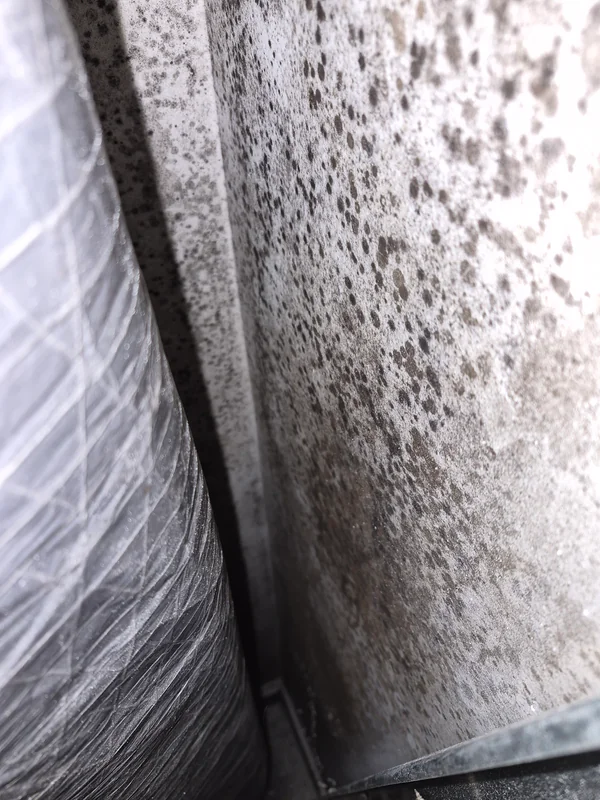
It starts with a free inspection. Before any equipment comes out, a certified mold inspector evaluates your ductwork what’s in it, where the contamination is concentrated, and whether you’re dealing with standard debris accumulation or active mold growth. In Chestnut Hill’s older homes, that distinction matters more than it does in a newer suburban build, because retrofitted duct systems running through stone walls often have access points that require a different approach than a standard residential system.
Once the scope is clear, you get an upfront price. That’s the number no add-ons, no pressure to approve services you didn’t ask for. The cleaning itself uses negative air pressure equipment and HEPA filtration to pull debris out of the system rather than push it around. When mold is present, containment protocols are in place before anything gets disturbed. This isn’t a step that generic duct cleaners are trained to take, and skipping it is how mold ends up spreading to rooms it hadn’t reached yet.
The final step is verification. We test the affected areas after the job to confirm the mold has been eliminated. You’ll know what was found, what was done, and what the results showed in writing. Spring is typically the most active season for mold concerns in Chestnut Hill, when HVAC systems transition from heat to cooling and start pulling heavy pollen loads from Wissahickon Valley Park. But the inspection is available year-round, and the process is the same regardless of when you call.

Ready to get started?
Air duct cleaning covers both supply and return ducts not just the registers you can see. Cleaning only one side of the system is a known shortcut that leaves half the problem untouched, and it’s one of the more common ways low-cost services cut corners. We work through the full system, and when mold is confirmed, air duct sanitizing follows the mechanical cleaning applying antimicrobial treatment to address biological contamination that a vacuum alone won’t eliminate.
Dryer vent cleaning is also part of what we handle, and it’s worth taking seriously in a neighborhood like Chestnut Hill. Older homes here frequently have longer and more complex dryer vent runs than a modern construction would routing a vent through a foot-thick stone wall is not the same as running it through drywall, and those longer runs accumulate lint faster. The NFPA reports roughly 15,970 dryer-related house fires per year, with failure to clean the vent as the leading cause. In a historic home, that’s not a risk worth deferring.
For homeowners navigating a mold-related insurance claim, we work directly with insurance companies handling the documentation and communication that most people don’t have time for. Flexible financing is also available for situations where the work needs to happen now and the timing isn’t ideal. No permit is required for air duct cleaning or dryer vent cleaning in Philadelphia, so there’s no waiting period between the inspection and getting started.
Yes, and more than most homeowners realize. Chestnut Hill’s housing stock is predominantly pre-1939 construction Wissahickon-schist stone singles and estate-scale twins that were built around fireplaces and radiator heat, not forced-air systems. When central air conditioning became residentially available in the 1970s, homeowners who wanted it had to retrofit ductwork into homes that were never designed to have it. That means ducts running through tight cavities in thick stone walls, through basement ceiling spaces with limited airflow, and through enclosed areas that are difficult to access and inspect.
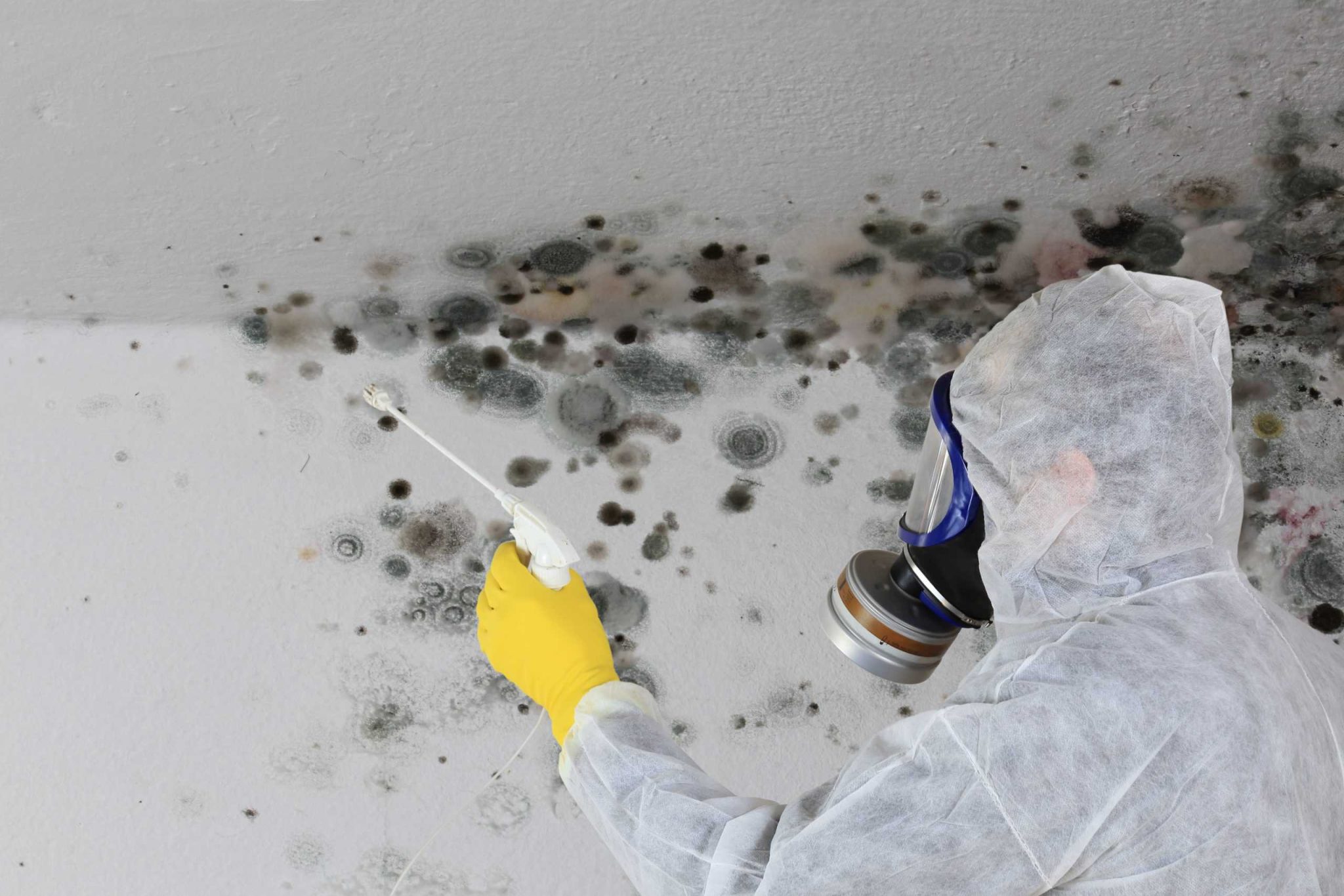
Ductwork installed under those conditions, in a home of that age, has often gone decades without professional cleaning. The combination of age, complex routing, and the moisture conditions created by proximity to Wissahickon Creek and Cresheim Creek makes mold growth inside older Chestnut Hill duct systems a genuine and common concern not a theoretical one. A certified mold inspector will assess the specific conditions in your system before any cleaning begins, so you know exactly what you’re dealing with.
The most common sign is a musty smell that appears or intensifies when your HVAC system kicks on not a dusty smell, but something closer to damp earth or mildew. If the smell is strongest right after the system starts and then fades, that’s a strong indicator that the source is inside the ductwork rather than elsewhere in the home. Visible discoloration around vent registers can also be a signal, though by the time you can see it at the register, the growth is usually more significant deeper in the system.
Worsening allergy or respiratory symptoms that seem tied to when the HVAC runs not just seasonal pollen are another pattern worth paying attention to. In Chestnut Hill, where homes sit adjacent to 1,800 acres of Wissahickon Valley Park and the creek corridor keeps baseline humidity elevated, the conditions for mold growth inside ductwork are present even without a visible leak or water event. The only way to know for certain is an inspection. We offer a free inspection, so you can get a clear answer before committing to any service.
They’re two separate steps that do two different things. Air duct cleaning is the mechanical process using negative air pressure and HEPA filtration equipment to physically remove debris, dust, and biological material from inside the duct system. Sanitizing is what comes after: applying an antimicrobial treatment to the interior surfaces to address any remaining biological contamination that the mechanical cleaning alone can’t fully eliminate.
If your ducts are dusty but there’s no mold present, cleaning alone may be sufficient. If mold is confirmed which is more common in Chestnut Hill’s older homes and creek-adjacent properties than in newer suburban construction sanitizing is an important second step. Skipping it after a mold-positive cleaning leaves treated surfaces without protection against regrowth, particularly in a home where the underlying moisture conditions haven’t changed. We’ll tell you clearly after the inspection which services are actually warranted for your specific situation. You won’t be pushed toward sanitizing if the inspection doesn’t support it.
In almost every documented case, it’s a bait-and-switch. The $99 offer gets a technician into your home, and from there the upselling begins additional vents, sanitizing treatments, mold testing, equipment fees until the final invoice looks nothing like the number that got you to book. Consumer Reports and industry watchdog organizations have documented this pattern extensively, and it’s one of the most common complaints in the air duct cleaning category.
A legitimate air duct cleaning for a typical home costs significantly more than $99, and for good reason professional equipment, proper containment protocols when mold is present, and the time required to do the job correctly don’t fit into a $99 service call. For a Chestnut Hill home with older, more complex ductwork running through thick stone walls, the job is often more involved than a standard residential system, not less. We provide a free inspection and an upfront quote before any work begins. The price you’re given is the price you pay no add-ons introduced mid-job.
The general industry guidance is every three to five years for a typical home, but that baseline doesn’t account for the specific conditions that affect Chestnut Hill properties. Homes adjacent to Wissahickon Valley Park and Morris Arboretum are drawing in significantly higher concentrations of tree pollen, fungal spores, and organic particulates than homes in more developed suburban settings particularly during spring and fall. Philadelphia’s average relative humidity of 65 percent means those materials have a better chance of settling and creating biological growth inside ductwork than they would in a drier climate.
If your home has had any water intrusion, basement moisture issues, or recent renovation work all common in Chestnut Hill’s older housing stock those are additional triggers that move the timeline up regardless of when the last cleaning was done. Post-renovation cleaning is specifically recommended by the EPA because construction debris and dust can contaminate duct systems and create conditions that accelerate mold growth. If you’re not sure where your home falls, the free inspection gives you a clear starting point without any obligation.
Yes. We serve Philadelphia County, including Chestnut Hill, as part of our regular service area. The drive from Bensalem to Chestnut Hill via Lincoln Drive and Germantown Avenue is well within the range we cover across the Philadelphia metro region, and our team is familiar with the Northwest Philadelphia housing stock the pre-1940 stone construction, the retrofitted duct systems, and the moisture conditions that come with proximity to the Wissahickon Creek corridor.
Being based outside the neighborhood doesn’t change the quality of the inspection or the work. What matters is whether the company showing up understands what they’re looking at when they open a duct system in a century-old Wissahickon-schist home and that comes from 15 years of working through the full range of older Philadelphia-area properties, not from a zip code. We’re available 24 hours a day, seven days a week, and offer same-day and next-day response for urgent situations. The free inspection can typically be scheduled quickly, so there’s no extended wait between your first call and getting a clear answer about your home.
Other Services we provide in Chestnut Hill