

Hear from Our Customers
Most mold grows where you can’t see it. Behind walls. Under floors. In crawl spaces and attics. By the time you smell it or see discoloration, it’s already been spreading for weeks.
Professional mold testing gives you the full picture. Not just surface-level guesses, but lab-confirmed results that tell you what type of mold is present, how much, and where the moisture source is feeding it. That’s the difference between throwing money at the wrong problem and actually fixing what’s broken.
You get documentation you can use for insurance claims, real estate transactions, or just peace of mind. And if remediation is needed, you’ll know the scope before anyone starts tearing into your walls. No surprises. No unnecessary work. Just clarity on what needs to happen next.
Mack’s Mold Removal has been serving Chestnut Hill and the greater Philadelphia area for years. We know the homes here—the historic brick foundations, the unfinished basements, the moisture issues that come with older construction and Pennsylvania’s rising precipitation levels.
Our certified inspectors use thermal imaging, moisture meters, and air sampling equipment to find mold growth others miss. We’re not here to upsell you on services you don’t need. We test, we document, we explain what we found, and we give you options based on what’s actually happening in your home.
Chestnut Hill homeowners deal with unique challenges. We understand them because we’ve been solving them for years.
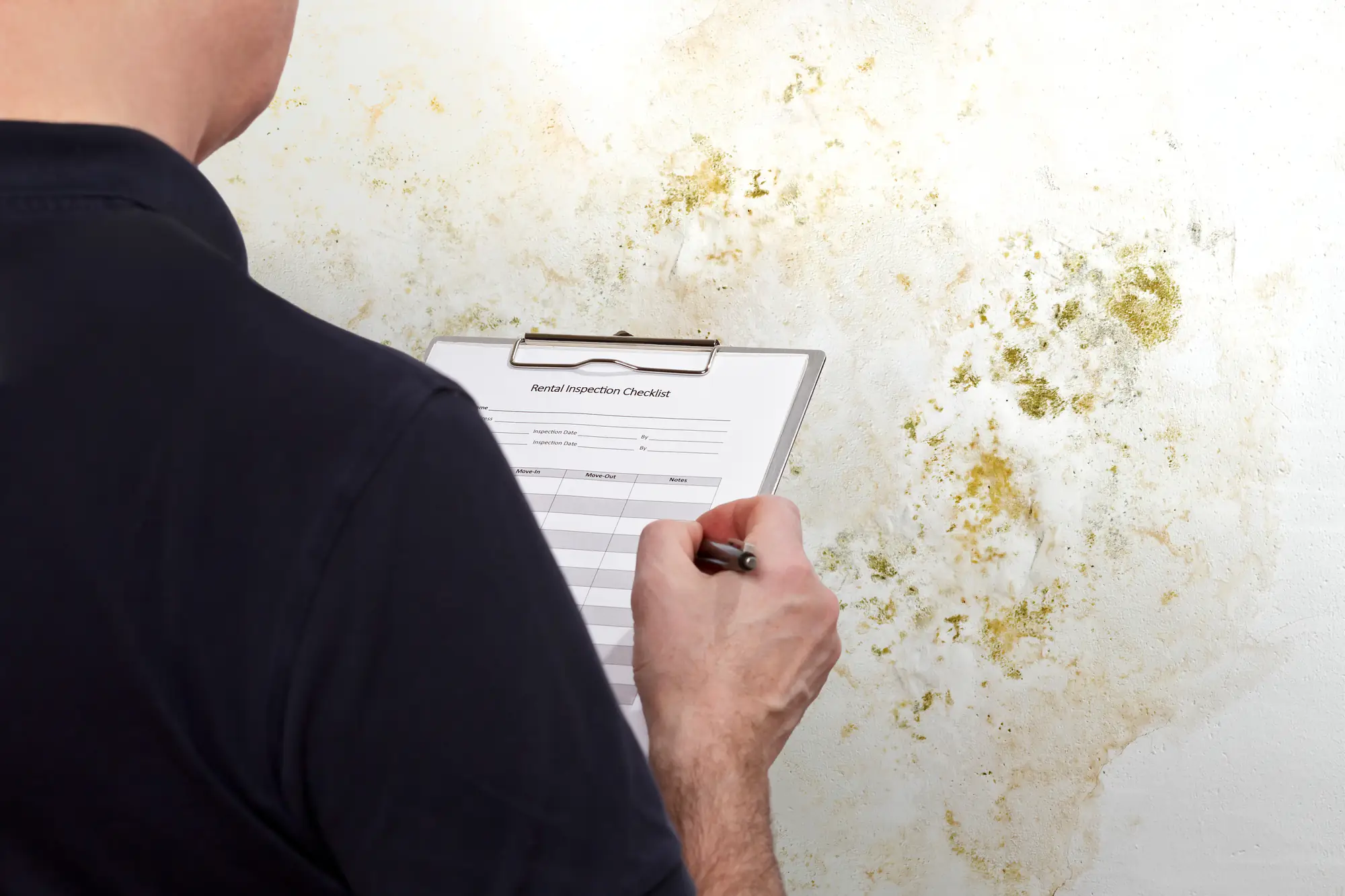
First, we talk. You tell us what you’ve noticed—musty smells, water damage, health symptoms, discoloration. That helps us know where to focus.
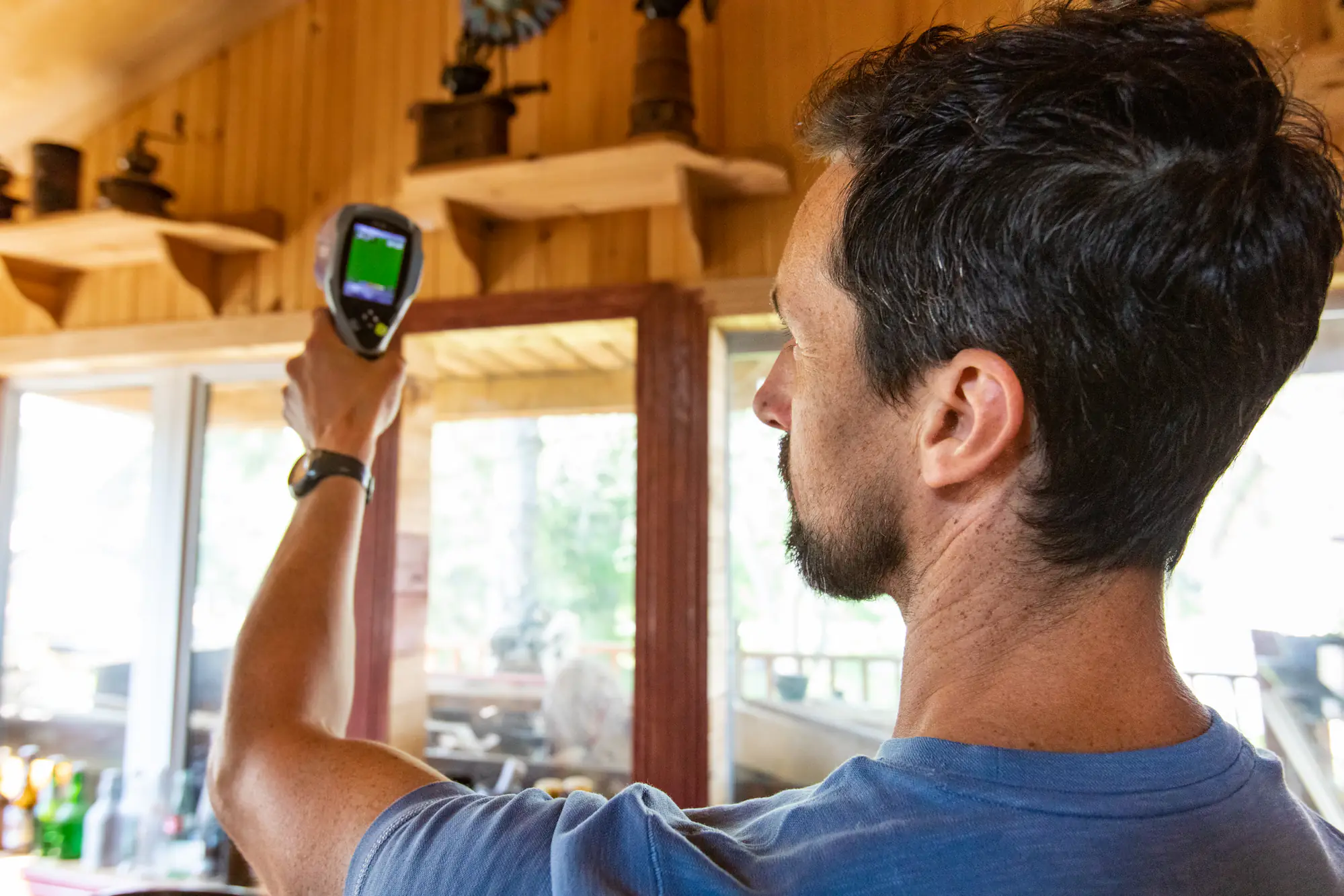
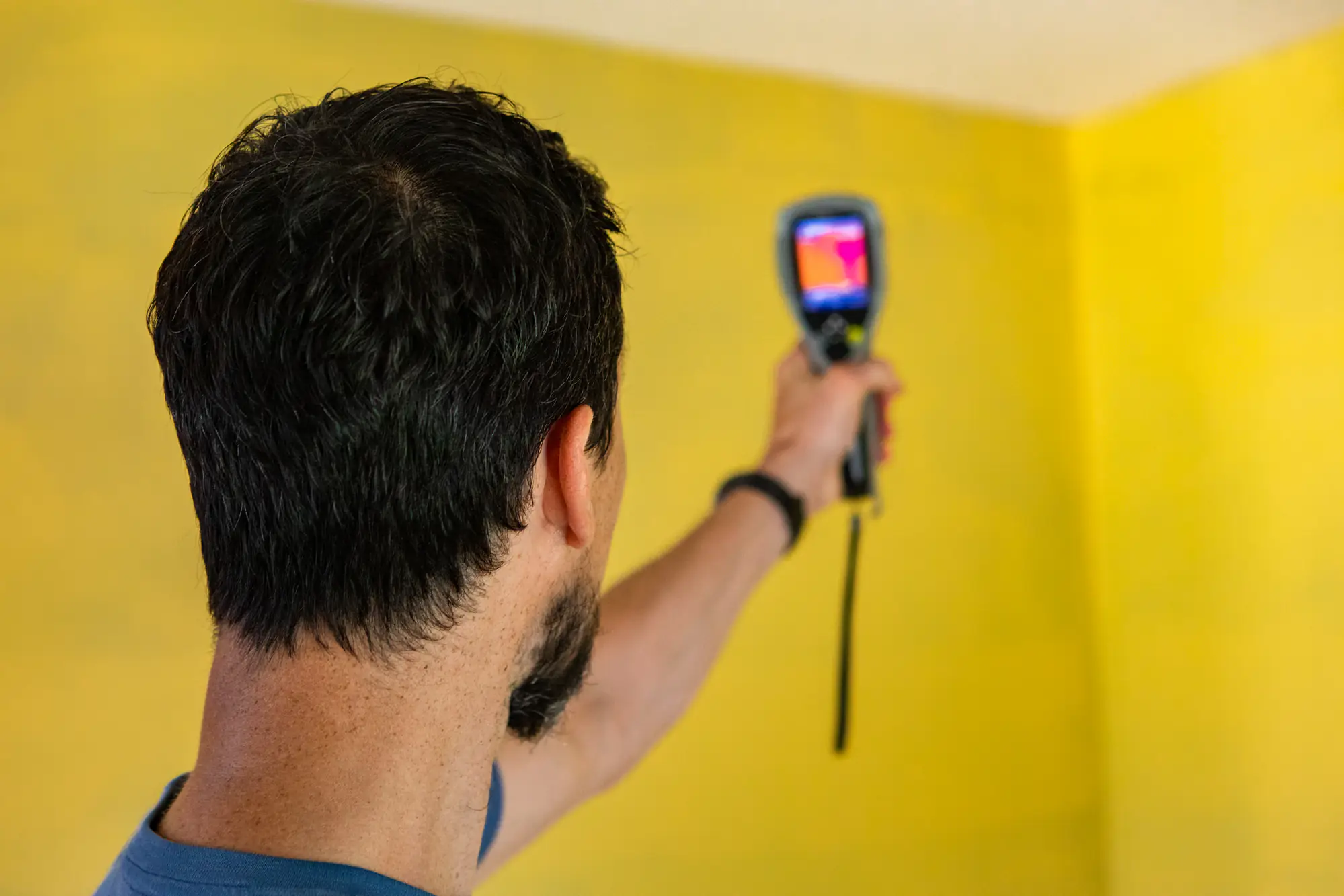
Then we inspect. We check the obvious spots and the hidden ones. Attics, basements, crawl spaces, behind appliances, inside wall cavities. We use moisture meters to find dampness and thermal imaging to spot temperature differences that signal water intrusion. If we find visible mold or conditions that support growth, we take air samples and surface samples for lab analysis.
Those samples go to an independent lab. Results usually come back within a few days. We send you a detailed report that breaks down what was found, where it was found, and what the concentration levels mean for your home and health.
From there, you decide. If remediation is needed, we explain the scope and cost. If it’s a minor issue you can handle yourself, we’ll tell you that too. The goal is to give you accurate information so you can make the right call for your situation.
Ready to get started?
Every inspection includes a full visual assessment of your property using professional-grade detection equipment. We’re looking for active mold growth, water damage, humidity issues, and ventilation problems that create conditions for mold to thrive.
Air sampling compares indoor air quality to outdoor air. If your indoor mold spore count is significantly higher, that’s a red flag. Surface sampling identifies the specific type of mold present—including black mold, which gets the most attention but isn’t always the most dangerous depending on concentration and exposure.
In Chestnut Hill, we see a lot of basement moisture issues and roof leaks that go unnoticed until mold appears. Pennsylvania’s humidity has increased 5% to 10% in recent years, which means more homes are dealing with mold than ever before. Older homes with brick foundations and poor ventilation are especially vulnerable.
You’ll get a written report with photos, lab results, moisture readings, and recommendations. If we find mold, we’ll identify the moisture source and explain what needs to happen to stop it from coming back. Testing without addressing the root cause just means you’ll be dealing with mold again in six months.
Most mold inspections in the Chestnut Hill area run between $300 and $700, depending on the size of your home and how many samples need to be collected. A basic inspection with two air samples—one inside, one outside for comparison—starts around $300. Larger homes or properties with multiple problem areas can push closer to $700 or more.
That price includes the visual inspection, moisture detection, sample collection, lab analysis, and a written report. Some companies charge extra for things like thermal imaging or additional sample sites. We don’t. You get the full assessment upfront with no surprise fees.
If you’re comparing quotes, make sure you’re comparing the same scope of work. A cheap inspection that skips air sampling or uses a DIY kit isn’t going to give you the accurate, lab-confirmed results you need for insurance claims or remediation planning.
The inspection itself usually takes one to two hours depending on your home’s size and layout. We’re thorough, so we’re not rushing through it just to check a box.
Lab results typically come back within three to five business days. The samples go to an independent lab that analyzes spore types, concentration levels, and compares your indoor air quality to outdoor baselines. Once we get the results, we’ll walk you through what they mean and what your options are.
If you’re in an urgent situation—active water damage, severe health symptoms, or a real estate transaction with a tight timeline—let us know upfront. We can often expedite lab processing for an additional fee. But in most cases, a few days isn’t going to change the situation. Mold that’s been growing for weeks or months can wait a few more days for accurate results rather than rushing into remediation based on guesswork.
You can, but you’re probably not going to get useful information. DIY kits can tell you if mold spores are present, but that’s not helpful because mold spores are present in every home. What matters is the type of mold and the concentration level—and DIY kits don’t measure that accurately.
They also can’t tell you where the moisture source is or whether the mold is actively growing versus dormant. You might get a false negative if you don’t place the kit in the right spot, or a false positive that causes unnecessary panic. Either way, you’re left guessing.
Professional testing uses calibrated equipment, controlled sampling methods, and independent lab analysis. You get specific data on spore types, concentration levels, and moisture conditions. That’s what you need to make informed decisions about remediation, not a vague “mold detected” result from a kit that costs $40 and sits on a shelf for three days.
A mold inspection is the visual assessment. We walk through your home, check for visible mold, look for water damage, measure moisture levels, and identify conditions that support mold growth. That’s often enough to determine whether you have a problem and where it’s coming from.
Mold testing goes a step further. We collect air samples or surface samples and send them to a lab for analysis. Testing tells you exactly what type of mold is present and how much of it is in your air or on your surfaces. It’s especially useful when you can smell mold but can’t find it, when you’re experiencing health symptoms, or when you need documentation for insurance or real estate purposes.
Most of the time, we recommend starting with an inspection. If we find visible mold or conditions that strongly suggest hidden growth, then we’ll recommend testing to confirm the type and extent. You don’t always need testing, but when you do, it’s worth doing it right with professional equipment and lab analysis.
If you can see mold and you know where the moisture is coming from, you might not need testing. Small areas of surface mold—less than 10 square feet—can often be cleaned up without a full inspection, as long as you fix the leak or humidity issue causing it.
But if the mold keeps coming back, if you smell it but can’t find it, if it’s covering a large area, or if it’s inside your HVAC system or behind walls, testing makes sense. You need to know what you’re dealing with before you start tearing into your home. Some mold requires specific remediation protocols. Some moisture problems are more complicated than they look.
Testing also matters if anyone in your home has asthma, allergies, or respiratory issues. Certain mold types are more problematic for sensitive individuals, and you’ll want to know if you’re dealing with one of them. It’s also critical if you’re buying or selling a home, filing an insurance claim, or dealing with a landlord-tenant dispute. Documentation protects you.
First, we’ll show you what we found and explain what it means. Not all mold is an emergency, and not all mold requires expensive remediation. Context matters—how much is there, what type it is, where it’s growing, and what’s feeding it.
If lab results confirm a mold problem, we’ll identify the moisture source. Maybe it’s a roof leak, a plumbing issue, poor ventilation, or groundwater seeping through your foundation. Whatever it is, that has to be fixed first or the mold will just come back after remediation.
Then we’ll give you a clear scope of work and a cost estimate. If it’s something you can handle yourself, we’ll tell you. If it requires professional remediation, we’ll explain the process—containment, removal, cleaning, and prevention. You’ll know what to expect before any work starts, and you’ll have documentation to support insurance claims if applicable. No pressure, no upselling. Just honest information so you can make the right decision for your home.
Other Services we provide in Chestnut Hill