
Hear from Our Customers
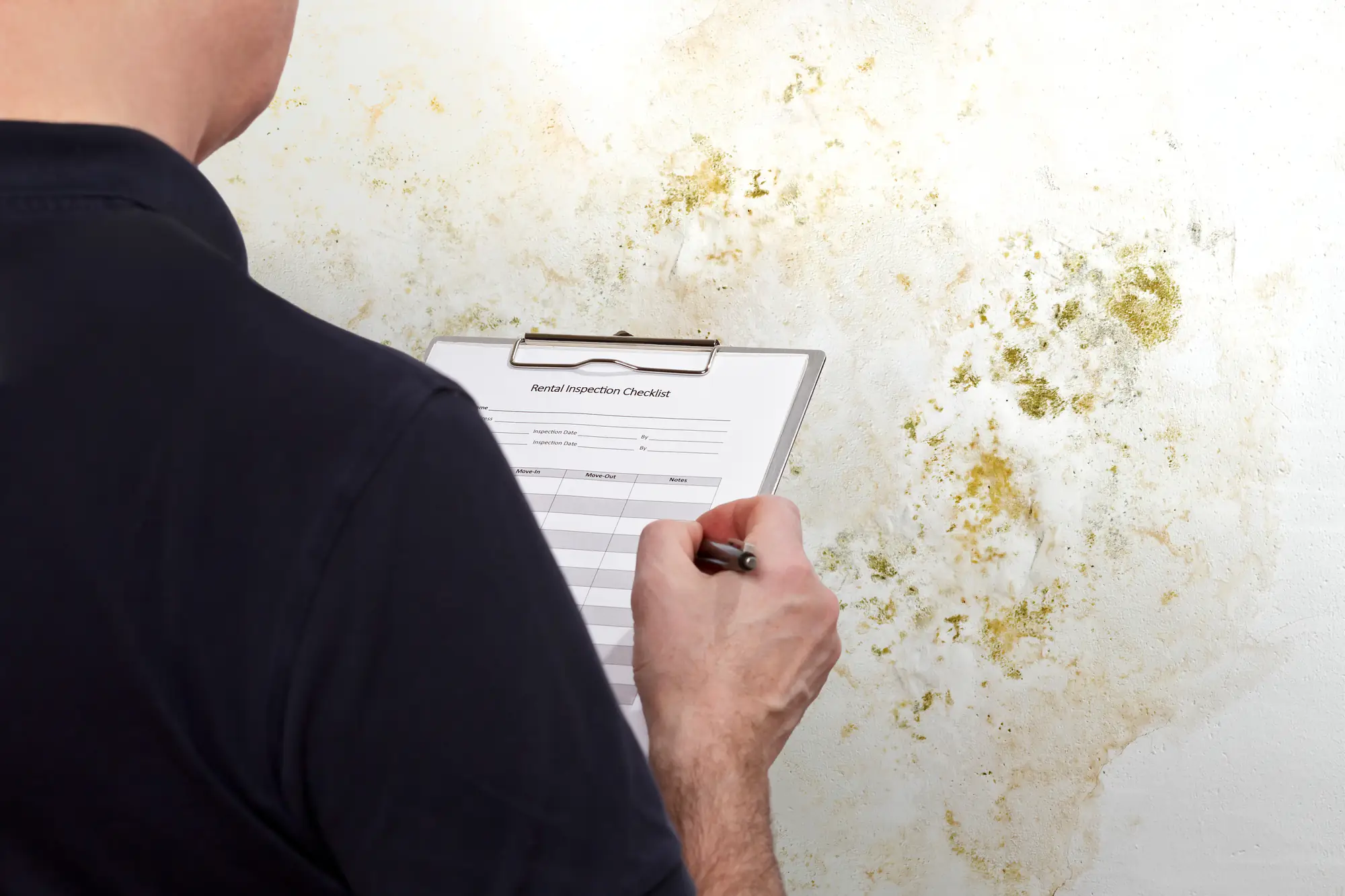
You’re not looking for someone to tell you mold exists. You already suspect that. What you need is someone who can tell you where it’s growing, why it’s there, and what it’s going to take to fix it for good.
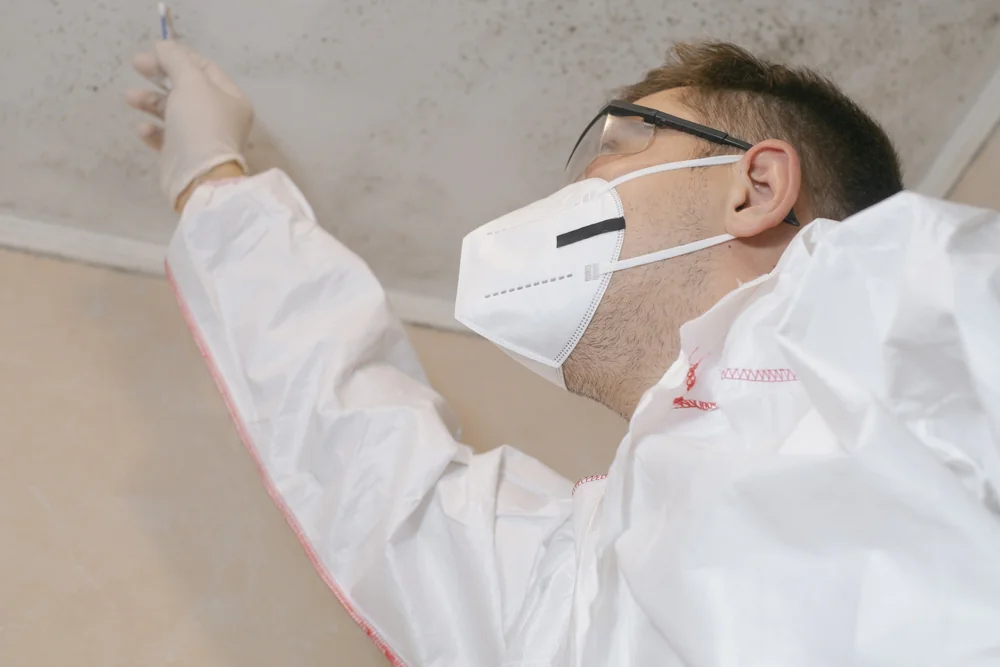
A real mold inspection goes beyond the visible stuff on your bathroom ceiling. It checks the places you can’t see—behind walls, under floors, inside HVAC systems. Those are the spots where mold grows quietly and causes the most damage. By the time you smell it or see it, it’s usually been there a while.
Here’s what changes after a thorough inspection: you stop guessing. You know if that musty smell is actually mold or just an old house. You know if your kid’s allergies are related to what’s in the air. You know whether you’re looking at a quick fix or something that needs more attention. And you get a clear path forward, not a sales pitch.
We’ve been helping homeowners across Bucks County deal with mold problems the right way. Not the fastest way. Not the cheapest way. The right way—which means finding the source, fixing it, and making sure it doesn’t come back.
Yellowood homes deal with the same humidity and moisture issues that affect the rest of southeastern Pennsylvania. Basements that never quite dry out. Crawl spaces that stay damp. Older homes with ventilation that wasn’t designed for today’s insulation standards. We’ve seen it all, and we know what to look for.
We’re not here to scare you into unnecessary work. We’re here to give you an honest assessment and a realistic plan. If you’ve got mold, we’ll tell you. If you don’t, we’ll tell you that too.
First, we talk. You tell us what you’ve noticed—smells, stains, health symptoms, water problems. That conversation tells us where to focus and what areas need the most attention.
Then we inspect. We’re checking visible areas, but we’re also using moisture meters and thermal imaging to find hidden problems. Mold grows where water sits, so we’re tracking down every source of moisture in your home. We check basements, crawl spaces, attics, bathrooms, kitchens, and anywhere else that raises a flag.
After that, we test. If we find something that looks like mold, we can take samples to confirm what type it is and how much of it you’re dealing with. Not every situation needs testing, but when it does, we’ll explain why.
Finally, we explain everything. You get a detailed report that shows you what we found, where we found it, and what needs to happen next. No jargon. No upselling. Just clear information so you can make a decision.

Ready to get started?
You’re getting a full visual assessment of your property, inside and out. We’re looking at every area where mold typically grows and every condition that makes growth possible. That includes moisture readings in walls, floors, and ceilings. It includes checking your HVAC system, which can spread mold spores throughout your home if it’s contaminated.
In Yellowood and the surrounding Bucks County area, we see a lot of mold problems tied to basement moisture and poor ventilation. Homes here weren’t always built with mold prevention in mind, and older properties especially tend to have issues with groundwater, foundation cracks, and outdated drainage. We know what to look for because we’ve been in hundreds of local homes just like yours.
You’ll also get a written report with photos, findings, and recommendations. If remediation is needed, we’ll walk you through what that looks like—scope, timeline, cost. If it’s something you can handle yourself, we’ll tell you that too. And if there’s a bigger issue like a plumbing leak or roof damage that’s feeding the mold, we’ll point it out so you can get it fixed.
Most mold inspections in the area run between $300 and $600, depending on the size of your home and how much testing is involved. Larger homes or properties with multiple problem areas will be on the higher end. Smaller homes with a single area of concern will cost less.
We offer free inspections in many cases, especially if you’re moving forward with remediation. The goal isn’t to nickel-and-dime you on the inspection—it’s to figure out what’s going on so we can give you an accurate plan and price for fixing it.
If lab testing is needed to identify the type of mold, that’s an additional cost, usually around $100 to $150 per sample. Not every inspection requires testing, but if you’re dealing with health symptoms or need documentation for insurance or a real estate transaction, testing makes sense.
Musty smells are the biggest giveaway. If you walk into your basement, bathroom, or any room and it smells like mildew, there’s a good chance mold is growing somewhere. You might not see it, but it’s there.
Visible growth is another obvious sign—dark spots on walls, ceilings, or around windows. But don’t assume that’s the only place it’s growing. What you see is often just the surface. Water stains, peeling paint, or warping floors also point to moisture problems, and where there’s moisture, mold usually follows.
Health symptoms can be a clue too. If you or your family are dealing with unexplained allergies, respiratory issues, headaches, or fatigue that get better when you leave the house, mold exposure could be the cause. And if you’ve had any kind of water damage—leaks, floods, burst pipes—you should get an inspection even if you don’t see mold yet. It doesn’t take long for mold to start growing after water intrusion.
You can buy a DIY mold test kit at a hardware store, and it’ll tell you if mold spores are present. But here’s the thing: mold spores are everywhere. Every home has them. The test doesn’t tell you if you have a problem or where it’s coming from, which is the whole point of an inspection.
A professional inspection gives you context. We’re not just swabbing a surface and sending it to a lab. We’re finding the source of the moisture, identifying how far the mold has spread, and figuring out what’s allowing it to grow in the first place. That’s what you need to actually solve the problem.
If you’re dealing with a small, visible patch of mold on a non-porous surface, you can probably clean it yourself with the right products. But if it’s larger than a few square feet, if it’s on drywall or wood, or if you’re not sure where it’s coming from, call someone who knows what they’re doing. Disturbing mold without proper containment can spread spores throughout your home and make the problem worse.
For most homes, you’re looking at one to two hours. Smaller homes or condos might take less time. Larger properties or homes with multiple areas of concern can take longer, sometimes three hours or more.
We’re not rushing through it. A thorough inspection means checking every potential problem area, taking moisture readings, documenting what we find, and answering your questions. If we’re collecting samples for lab testing, that adds a little time, but not much.
You’ll get the visual findings and our initial assessment right away, the same day. If we send samples to a lab, those results usually come back within a few days. Then we’ll go over everything with you and talk through next steps.
That’s the whole point. Most of the mold problems we find aren’t visible to homeowners because they’re growing in places you don’t look—inside walls, under flooring, in crawl spaces, behind appliances, or in your HVAC system.
We use moisture meters to detect elevated moisture levels inside walls and other hidden areas. High moisture is a red flag for mold growth even if we can’t see it yet. Thermal imaging cameras help us spot temperature differences that indicate water intrusion or poor ventilation. These tools let us see what’s happening behind the surface.
If we find conditions that are likely to support mold growth, we’ll investigate further. Sometimes that means removing a small section of drywall or pulling back insulation to confirm what’s there. We’re not tearing your house apart, but we’re also not going to miss something important because it’s out of sight.
You get a full report with photos, findings, and a clear explanation of what needs to happen. If it’s a small area and the source of moisture is obvious and fixable, we’ll tell you what’s involved in cleaning it up and preventing it from coming back.
If it’s more extensive, we’ll put together a remediation plan. That includes containment to prevent spores from spreading, removal of contaminated materials, treatment of affected areas, and fixing whatever moisture issue caused the mold in the first place. We’ll give you a timeline and a cost estimate before any work starts.
You’re not locked into using us for remediation, but most people do because we’ve already done the inspection and we know exactly what the situation is. We’ve also been doing this long enough to get it done right the first time. Once remediation is complete, we can do a post-remediation inspection to confirm the mold is gone and the air quality is back to normal.
Other Services we provide in Yellowood