
Mold Inspection in Kintnersville, PA

Find Hidden Mold Before It Finds You

Advanced mold detection that catches problems early—protecting your home’s value and your family’s health without the guesswork.
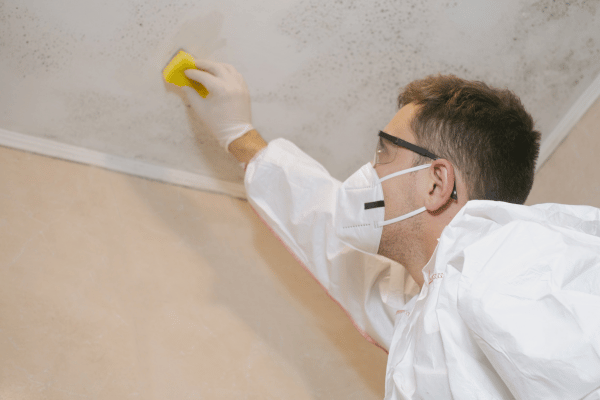
Protective worker in safety suit inspecting or treating mold spots on an indoor ceiling, addressing moisture damage and potential mold growth inside a building.

Hear from Our Customers

Mold Detection Services in Kintnersville

Know What's Growing Behind Your Walls

That musty smell in your basement isn’t just unpleasant. It’s a warning sign.

Mold grows where you can’t see it—behind drywall, under flooring, inside HVAC systems. By the time it’s visible, the problem is already serious. A professional home mold inspection uses thermal imaging and moisture mapping to find mold at the source, not just where it shows up on the surface.

You get a full picture of what’s happening in your home. No surprises during a real estate closing. No health symptoms that linger for months because the real issue was never addressed. Just clear answers about where mold is, how bad it is, and what needs to happen next.

Early detection means smaller problems and lower costs. Ignoring it means structural damage, failed inspections, and repair bills that could’ve been avoided.

Mold Detection Company Serving Kintnersville

Local Experts Who Know Bucks County Homes

We’ve been helping homeowners in Kintnersville, PA and throughout Bucks County deal with mold issues that most people don’t even know they have. We’re not a national chain that rotates crews every week. We’re local, and we understand how Pennsylvania’s humid climate and older home construction create the perfect conditions for mold growth.

We use infrared moisture mapping, thermal imaging cameras, and high-precision air sampling to detect mold that DIY test kits miss completely. Our approach is straightforward: find the mold, explain what’s happening, and give you a clear path forward. No exaggeration. No pressure tactics.

You’re dealing with your home and your family’s health. That deserves a straight answer from someone who actually knows what they’re looking at.

Protective worker collecting a mold sample from a stained indoor ceiling using a swab, inspecting moisture damage and potential mold growth inside a building.

How Professional Mold Inspection Works

What Happens During a Mold Inspection

A real mold inspection starts with a conversation. You tell us what you’ve noticed—smells, water damage, health symptoms that get better when you leave the house. That gives us a starting point.

Next comes the visual assessment. We check the obvious spots and the ones most people overlook: crawl spaces, attic corners, behind appliances, around windows. We’re looking for visible mold, water stains, condensation patterns, and structural issues that create moisture problems.

Then we bring in the technology. Moisture meters tell us where water is hiding inside walls and floors. Thermal imaging shows temperature differences that indicate leaks or poor ventilation. If needed, we take air samples to measure mold spore levels and identify specific types of mold present.

You get a detailed report that explains what we found, where the moisture is coming from, and what level of remediation is needed. If it’s minor, we’ll tell you. If it’s serious, we’ll explain why. The goal is to give you enough information to make a smart decision about your property.

Home interior with mold remediation in progress as a worker sprays treatment on a wall using a ladder, while a resident relaxes on a covered sofa in a renovated living room.

Ready to get started?

Explore More Services

About Mack's Mold Removal

Black Mold Inspection in Kintnersville

What's Included in Your Mold Inspection

Every mold inspection covers the full property—basement to attic. We’re checking moisture levels in walls, floors, and ceilings. We’re inspecting HVAC systems where mold spreads quickly through air ducts. We’re looking at bathrooms, kitchens, laundry areas, and anywhere plumbing runs through your home.

In Kintnersville and Bucks County, older homes are especially vulnerable. Many properties here were built before modern moisture barriers and ventilation standards. Fieldstone foundations, uninsulated crawl spaces, and outdated HVAC systems create ongoing moisture issues that lead to mold growth. A thorough inspection accounts for these local factors.

You’ll receive documentation that works for insurance claims, real estate transactions, or your own peace of mind. The report includes photos, moisture readings, air sample results if taken, and a clear explanation of what needs to happen next. If remediation is necessary, you’ll know exactly what you’re dealing with before any work begins.

This isn’t about selling you services you don’t need. It’s about giving you accurate information so you can protect your home and your health.

How much does a mold inspection cost in Kintnersville, PA?

Most professional mold inspections in Pennsylvania range from $300 to $650, depending on the size of your home and the complexity of the inspection. That typically includes a visual assessment, moisture detection, and air sampling if needed.

DIY test kits cost less upfront, but they miss the full picture. They can’t tell you where moisture is coming from or how far mold has spread inside walls and structural areas. A professional inspection uses thermal imaging and moisture meters to find problems that surface-level testing won’t catch.

If you’re buying or selling a home, the inspection cost is minimal compared to what undisclosed mold can do to a real estate transaction. If you’re dealing with health symptoms or visible water damage, the inspection pays for itself by catching problems before they become expensive remediation projects.

Persistent musty odors are the most common sign, especially in basements, bathrooms, or areas with poor ventilation. If the smell doesn’t go away after cleaning, there’s likely mold growing somewhere you can’t see.

Health symptoms are another red flag. Worsening allergies, sinus issues, headaches, or fatigue that improve when you leave the house can all point to mold exposure. If multiple people in your home are experiencing similar symptoms, that’s a strong indicator.

Visible water damage, even if it’s old, means you probably have mold. Water stains on ceilings or walls, peeling paint, warped flooring, or condensation on windows all create the moisture conditions mold needs to grow. You don’t have to see mold to have a mold problem.

DIY kits can tell you if mold spores are present, but they can’t tell you where the mold is growing, what type it is, or how serious the problem is. Mold spores exist in every home—what matters is whether there’s active growth and a moisture source feeding it.

A professional mold inspection goes beyond surface testing. Thermal imaging finds moisture inside walls. Air sampling measures spore concentration levels. Moisture meters pinpoint where water is entering your home. DIY kits don’t do any of that.

If you’re trying to save money, a DIY kit might seem appealing. But if it comes back positive, you’ll still need a professional inspection to figure out what to do next. And if it comes back negative but you still have symptoms or odors, you’re left guessing. It’s better to get accurate information the first time.

Most inspections take two to three hours, depending on the size of your home and how much area needs to be checked. Larger homes or properties with multiple moisture issues may take longer.

The process isn’t rushed. We’re checking every area where mold typically grows—basements, crawl spaces, attics, bathrooms, kitchens, and around windows and doors. We’re using moisture meters and thermal imaging to scan walls and floors. If air sampling is needed, that adds time but gives more detailed information about spore levels.

You’ll get the full report within a few days. It includes all findings, photos, moisture readings, and recommendations. If the situation is urgent, we can provide preliminary findings the same day so you know what you’re dealing with right away.

Yes, especially if the home is older or has any history of water damage. Pennsylvania law requires sellers to disclose known mold problems, but many sellers don’t know mold is there because it’s hidden behind walls or in crawl spaces.

A mold inspection before closing protects you from inheriting someone else’s problem. It gives you leverage to negotiate repairs or a lower price if mold is found. And it prevents the nightmare scenario where you move in and discover serious mold issues that cost thousands to fix.

In Bucks County, many homes have basements, crawl spaces, and older plumbing systems that create moisture problems. A pre-purchase inspection is one of the smartest investments you can make during a real estate transaction. It’s a small cost compared to what you’re paying for the property.

You get a detailed report that explains where the mold is, what’s causing the moisture problem, and what level of remediation is recommended. Not all mold findings require major work—it depends on the type, location, and extent of growth.

Minor surface mold in a bathroom might just need better ventilation and cleaning. Mold inside walls or affecting structural materials requires professional remediation. Black mold or large infestations need immediate attention because of health risks and potential property damage.

The report gives you options. You can move forward with remediation, get a second opinion, or use the findings to negotiate if you’re in a real estate transaction. The goal is to give you enough information to make the right decision for your situation. No pressure, no upselling—just clear answers about what’s happening in your home.

Other Services we provide in Kintnersville