
Mold Inspection in Hunting Park, PA

Find It Before It Finds You

Professional mold detection that identifies hidden problems in your Hunting Park home before they become expensive disasters.
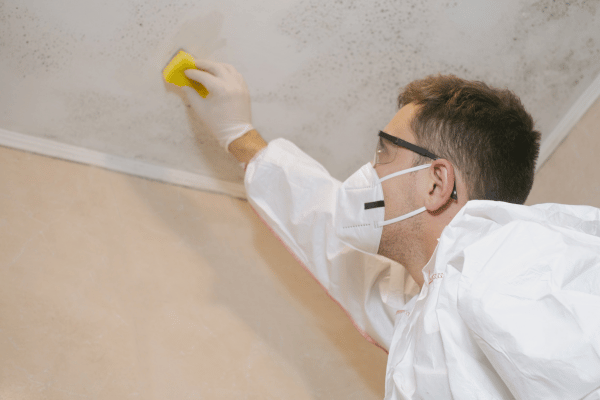
Protective worker in safety suit inspecting or treating mold spots on an indoor ceiling, addressing moisture damage and potential mold growth inside a building.

Hear from Our Customers

Professional Mold Detection Services

Know Exactly What You're Dealing With

You smell something musty in the basement. Your kids keep getting headaches. There’s a weird stain on the bedroom wall that wasn’t there last month.

You need answers, not guesses. A professional mold inspection tells you if you actually have a problem, where it’s coming from, and what type of mold you’re dealing with. That matters because not all mold is the same, and not every situation requires expensive remediation.

Hunting Park homes face specific challenges. Most properties here were built before 1940, with original plumbing, settled foundations, and brick construction that pulls moisture differently than newer builds. Philadelphia’s humid summers and the way these old rowhomes were designed means water finds its way in through places you’d never think to check.

A proper inspection uses moisture meters and thermal imaging to find what you can’t see. It identifies the source of the problem, not just the visible growth. You get lab-certified results that tell you the concentration and type of mold, plus a clear explanation of what it means for your family’s health and your property value.

Certified Mold Inspectors Serving Hunting Park

We Know These Houses Inside Out

We’ve spent over two decades working in North Philadelphia homes. We’ve inspected hundreds of Hunting Park properties, from renovated rowhomes on Hunting Park Avenue to investment properties near Roosevelt Boulevard.

We understand how water moves through these older structures. We know which basements flood every spring, how the original brick foundations behave, and where moisture typically hides in homes built during the early 1900s.

You’re not getting a franchise inspector following a corporate checklist. You’re getting someone who’s seen your exact house layout dozens of times and knows what to look for based on how Hunting Park properties actually age and settle over time.

Protective worker collecting a mold sample from a stained indoor ceiling using a swab, inspecting moisture damage and potential mold growth inside a building.

Our Mold Inspection Process

Here's What Happens During Your Inspection

First, we walk through your property and talk about what you’ve noticed. Strange smells, visible discoloration, recent water problems, health symptoms—everything matters.

Then we start the physical inspection. We use moisture meters on walls, ceilings, and floors to find elevated readings that indicate water intrusion. Thermal imaging cameras show us temperature differences that reveal hidden leaks or moisture patterns behind surfaces. We check basements, crawl spaces, attics, HVAC systems, and anywhere water could be collecting.

If we find visible mold or high moisture levels, we take air samples and surface samples. These go to an accredited third-party lab for analysis. You get results that identify the specific mold species and concentration levels in your home.

The whole process typically takes 2-3 hours depending on your property size. Within a few days, you receive a detailed report with lab results, photos, moisture readings, and our assessment of what’s causing the problem. We explain everything in plain language and answer your questions about next steps.

Home interior with mold remediation in progress as a worker sprays treatment on a wall using a ladder, while a resident relaxes on a covered sofa in a renovated living room.

Ready to get started?

Explore More Services

About Mack's Mold Removal

What's Included in Mold Testing

You Get the Full Picture

A complete home mold inspection includes visual assessment of your entire property, moisture mapping with professional-grade meters, thermal imaging to detect hidden water sources, air quality sampling, and surface testing of suspected growth areas.

All samples get analyzed by a certified laboratory. You’re not relying on our opinion—you’re getting scientific data about what’s actually growing in your home.

Your inspection report includes lab results with mold species identification, concentration levels compared to outdoor baseline samples, moisture readings from every area we tested, thermal images showing problem areas, and specific recommendations for addressing the root cause.

This matters in Hunting Park because many properties here have ongoing moisture issues from aging infrastructure. Your inspection doesn’t just confirm mold presence—it identifies why it’s there. That foundation crack letting groundwater seep in. That bathroom exhaust fan venting into the attic instead of outside. The settled grading around your property directing rainwater toward your foundation instead of away from it.

You also get documentation suitable for insurance claims, property transactions, or tenant disputes. If you’re buying a home in Hunting Park, this inspection protects you from inheriting someone else’s expensive problem. If you’re selling, it gives you facts instead of surprises during the buyer’s inspection.

How do I know if I actually need a mold inspection?

You need an inspection if you smell musty or earthy odors that don’t go away, see visible discoloration or fuzzy growth on walls or ceilings, recently had water damage from leaks or flooding, or experience unexplained health symptoms like persistent coughing, headaches, or allergy-like reactions that improve when you leave the house.

You should also get an inspection before buying a Hunting Park property, especially older rowhomes with original plumbing and foundations. Many sellers don’t know they have mold problems, and you don’t want to discover a $10,000 remediation job after closing.

If you’ve had previous water issues—even if they were fixed—an inspection confirms whether mold developed before the repair. Water damage doesn’t always create mold, but when it does, it spreads quickly in Philadelphia’s humid climate.

Mold inspection identifies whether you have mold, what type it is, and where it’s coming from. Mold remediation is the actual removal and cleanup process. They’re separate services, and you want them done by different companies.

Here’s why that matters: if the same company inspects and remediates, they have a financial incentive to find problems and recommend expensive cleanup. An independent inspection gives you unbiased results and protects you from unnecessary work.

Get the inspection first. If testing confirms you have a problem, you can hire a remediation company with confidence knowing exactly what needs to be addressed. You can also get multiple remediation quotes based on the same inspection report, which often saves you thousands compared to accepting the first estimate you receive.

After remediation is complete, you’ll want another inspection—called clearance testing—to verify the work was done properly and mold levels are back to normal. This protects you from paying for incomplete work.

A professional mold inspection for a typical Hunting Park rowhome runs between $400-$700 depending on property size and how many samples need lab analysis. That includes the full inspection, moisture assessment, thermal imaging, sample collection, laboratory testing, and detailed report.

Yes, you can buy a $10 home test kit from the hardware store. But those kits only tell you mold is present—which you probably already know if you can see or smell it. They don’t identify the species, measure concentration levels, or locate the moisture source causing the growth.

Professional testing gives you actionable information. You learn whether that black stuff in your bathroom is toxic black mold or just common mildew. You find out if the musty smell is coming from a small surface issue you can clean yourself or a major hidden problem requiring professional remediation.

Think of it this way: spending $500 on an inspection might reveal a $200 fix instead of a $5,000 remediation. Or it confirms you don’t have a mold problem at all, just high humidity that needs better ventilation. Either way, you’re making decisions based on facts instead of fear.

The on-site inspection typically takes 2-3 hours for an average-sized home in Hunting Park. Larger properties or homes with multiple problem areas take longer. We’re not rushing through with a checklist—we’re thoroughly examining your property to find issues you can’t see.

After the inspection, samples go to the lab for analysis. You’ll receive your full report with results within 3-5 business days. If you’re in a time-sensitive situation—like a property closing or a tenant dispute—we can request expedited lab processing for an additional fee.

The inspection itself is non-invasive. We’re not cutting holes in walls or tearing up flooring. We use moisture meters, thermal cameras, and air sampling equipment to detect problems without damaging your property.

You don’t need to leave during the inspection, and many homeowners prefer to stay so they can ask questions and see what we’re finding in real-time. We’ll show you the moisture readings, explain what the thermal images reveal, and point out areas of concern as we work through your home.

If it’s a small surface area—less than 10 square feet—on a non-porous surface like tile or glass, and you know exactly what caused the moisture, you can usually clean it yourself with proper safety equipment. But if you’re seeing mold, you’re only seeing part of the problem.

Mold grows because moisture is present. If you clean the visible growth without fixing the moisture source, it comes right back. An inspection identifies why you have mold, not just where it’s growing.

Here’s what you can’t see: mold behind walls, under flooring, in HVAC ducts, or in crawl spaces and attics. You might clean the bathroom ceiling while missing the fact that your exhaust fan is venting moisture into the attic where mold is spreading across the insulation and roof sheathing.

In Hunting Park’s older homes, mold problems are usually connected to structural issues—foundation cracks, failed waterproofing, old plumbing leaks, or poor drainage. Cleaning the surface mold without addressing these underlying causes means you’ll be cleaning the same spots every few months while the real problem gets worse.

If you’re experiencing health symptoms, the mold covers more than a small area, or you don’t know where the moisture is coming from, get an inspection before you start cleaning. You need to know what you’re dealing with and whether DIY cleanup is actually safe and effective for your situation.

You get a detailed report explaining what type of mold is present, the concentration levels, where it’s located, and what’s causing it. Then you decide what to do next based on actual data instead of panic.

Not all mold requires professional remediation. Small areas of common mold on non-porous surfaces can often be cleaned following proper protocols. Your report will specify whether DIY cleanup is appropriate or if you need professional help.

If professional remediation is necessary, you’ll have documentation showing exactly what needs to be addressed. You can get multiple quotes from remediation companies and compare their proposals against the inspection findings. This prevents companies from upselling you on work you don’t need.

For Hunting Park homeowners, the inspection often reveals fixable moisture problems that prevent future mold growth. Maybe your gutters are clogged and overflowing against your foundation. Maybe that “fixed” basement leak is still seeping water during heavy rain. Maybe your bathroom needs better ventilation. These are problems you can address before they turn into major remediation projects.

If you’re buying a property and the inspection finds mold, you have leverage to negotiate repairs, price reductions, or walk away from the deal entirely. If you’re selling, you have documentation showing you addressed the problem properly, which protects you from future liability.

Other Services we provide in Hunting Park