
Mold Testing in Hunting Park, PA

Get Unbiased Lab Results You Can Actually Trust

Professional mold testing with thermal imaging and certified lab analysis. No sales pitch, no conflict of interest—just accurate data for your older Philadelphia home.

Hear from Our Customers

Professional Mold Testing Hunting Park

Know Exactly What You're Dealing With

You can’t fix what you can’t see. That musty smell in your basement, the discoloration on your wall, the allergies that won’t quit—these are symptoms, not answers.

Real mold testing gives you lab-certified data about what species are growing in your home and at what concentration. That matters when you’re trying to figure out if your kids’ asthma is getting worse because of your house. It matters when you’re negotiating with insurance. It matters when you’re deciding whether to buy that rowhome or walk away from the deal.

Most Hunting Park homes were built before 1940. That means plaster walls, shared party walls, basement moisture issues, and drainage problems that create perfect conditions for mold growth. You need testing that accounts for how these older Philadelphia homes actually behave—not a cookie-cutter inspection from a franchise following a script written in another state.

We use thermal imaging to find hidden moisture. We take air samples and surface samples. We send everything to an independent lab. You get a full report with species identification and concentration levels. No guessing. No upselling. Just data you can use to make the right call.

Mold Testing Company Hunting Park

We've Been Doing This for Over 15 Years

We’re certified mold inspectors through InterNACHI with more than two decades in construction. We understand how buildings work and where problems hide in older Philadelphia neighborhoods.

We’ve done over 2,000 mold inspections across the Philadelphia region. We know the rowhomes with shared walls. We know the basement moisture issues. We know the humidity that hits every summer and the condensation problems that come with poor insulation in homes built 80+ years ago.

Hunting Park has some of the oldest housing stock in Philadelphia, and many homes here are dealing with deferred maintenance, aging infrastructure, and moisture intrusion that’s been happening for decades. We’ve seen it all. We know what to look for, where to look, and how to document it properly so you have answers—not more questions.

Residential Mold Testing Process

Here's What Happens During Your Inspection

First, we do a complete visual assessment of your property. We’re looking at basements, crawl spaces, attics, bathrooms, kitchens—anywhere moisture tends to accumulate. We check behind appliances, under sinks, around windows, and along exterior walls.

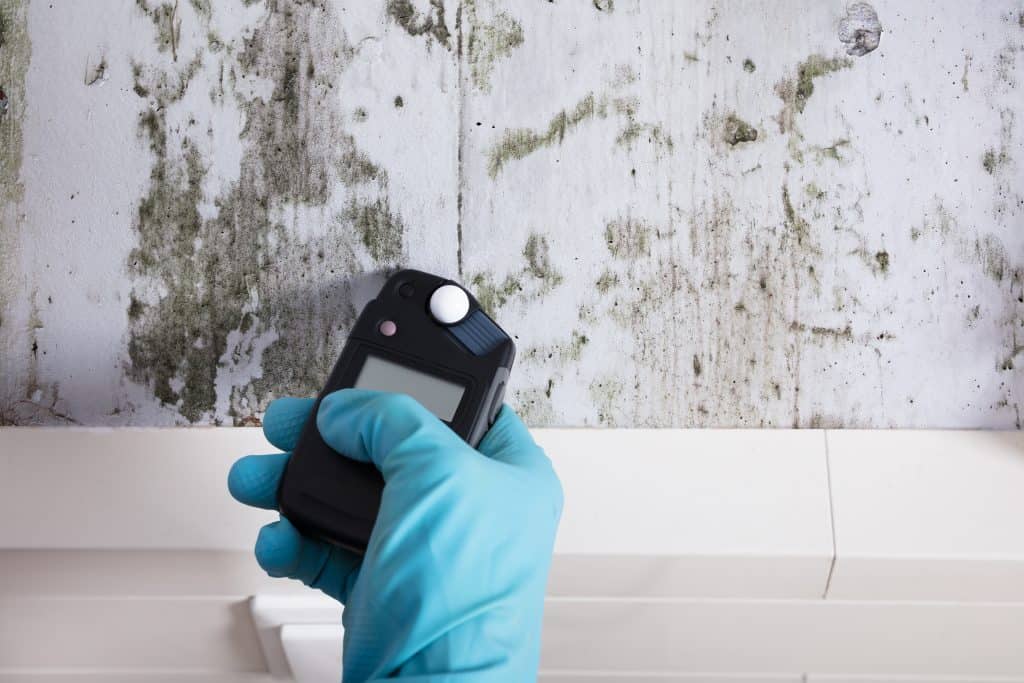
Next, we use moisture meters to measure humidity levels in your walls, floors, and ceilings. High moisture readings tell us where water is getting in or condensing, even if there’s no visible mold yet. We also use thermal imaging cameras to detect temperature differences that indicate hidden moisture problems inside wall cavities or behind finished surfaces.

Then we take air samples from multiple rooms in your home. We also take surface samples from any visible growth or suspicious areas. These samples go to an independent, certified lab that identifies the exact mold species and measures spore concentration levels.

You get a full written report within a few days. The report shows what species are present, where they’re concentrated, and what the lab recommends. If remediation is needed, you’ll have documentation for insurance claims or contractor bids. If levels are normal, you’ll have peace of mind. Either way, you’ll know exactly what you’re dealing with.

Ready to get started?

Explore More Services

About Mack's Mold Removal

Black Mold Test Hunting Park

What's Included in Your Mold Inspection

Every inspection includes a full visual assessment, moisture readings throughout your home, thermal imaging for hidden problems, and professional air sampling. We also take surface samples from any visible growth or areas of concern.

All samples are analyzed by an independent, certified lab. You’re not getting results from the company trying to sell you remediation—you’re getting unbiased data from a third-party facility that has no financial stake in the outcome.

In Hunting Park’s humid climate and with the neighborhood’s older housing stock, we most commonly find Aspergillus, Penicillium, and Cladosporium. These species thrive in the moisture conditions created by Philadelphia’s warm summers, damp winters, and aging building materials. The lab report will tell you exactly which species are present and whether concentration levels are elevated compared to outdoor baseline readings.

Most residential inspections in Hunting Park run between $300 and $600, depending on the size of your home and how many samples we need to take. A typical rowhome inspection falls in the $400-$500 range. That includes everything—the visual inspection, moisture readings, thermal imaging, air sampling, lab analysis, and your full written report.

How do I know if I actually need mold testing or just remediation?

If you can see mold growing on surfaces and you know where the moisture is coming from, you might not need testing—you need remediation and a moisture fix. Testing is most useful when you’re dealing with symptoms but no visible source.

That means persistent musty odors, allergy symptoms that get worse at home, or moisture problems with no obvious mold growth yet. Testing is also critical for real estate transactions, insurance claims, and post-remediation verification. Insurance companies won’t pay out based on photos alone—they want lab-confirmed results showing species and concentration levels.

Testing also gives you a baseline so you can verify that remediation actually worked. After cleanup, we can retest to confirm spore counts are back to normal levels. That’s especially important in older Hunting Park homes where moisture issues might not be fully resolved even after visible mold is removed.

Free inspections are usually tied to remediation services, which means the company has a financial incentive to find problems. They make money when they sell you cleanup, not when they tell you everything’s fine.

We keep testing separate from remediation. We don’t do mold removal, so we have no reason to exaggerate results or recommend unnecessary work. You’re paying for accuracy, not a sales pitch.

That independence matters when you’re making decisions about your home and your family’s health. You need to know if you’re dealing with a serious problem or just normal background levels. You need data you can trust when you’re talking to insurance adjusters or negotiating with sellers. A free inspection from a remediation company doesn’t give you that confidence.

Air sampling measures mold spore concentration in the air you’re breathing. We take samples from multiple rooms and compare them to an outdoor baseline. Elevated indoor levels tell us there’s active mold growth somewhere, even if you can’t see it.

Surface sampling involves taking swabs or tape lifts from visible growth or suspicious areas. This tells us exactly what species are growing on that specific surface. It’s useful for identifying whether that black stuff on your basement wall is actually toxic black mold or just dirt and mildew.

Most inspections include both types of sampling because they give you different information. Air sampling shows overall indoor air quality. Surface sampling identifies specific problem areas. Together, they give you a complete picture of what’s happening in your home—especially important in older Hunting Park rowhomes where mold can be growing in wall cavities, behind plaster, or in shared party walls you can’t easily access.

Most labs return results within 3-5 business days. Rush processing is available for an additional fee if you’re in the middle of a real estate transaction or dealing with an urgent situation.

The lab report will show exactly which mold species were identified, the concentration levels measured in spores per cubic meter, and how those levels compare to normal outdoor readings. The report also includes recommendations based on the findings.

If you’re buying a home in Hunting Park and you’re on a tight closing timeline, let us know upfront. We can coordinate with the lab to prioritize your samples. Keep in mind that some real estate contracts have specific inspection deadlines, so it’s better to schedule testing early in your due diligence period rather than waiting until the last minute.

Testing identifies what’s growing and where, but finding the moisture source requires a thorough inspection with moisture meters and thermal imaging. That’s why we include both as part of every mold inspection.

Common moisture sources in Hunting Park homes include basement seepage from aging foundation walls, roof leaks, plumbing leaks, condensation from poor insulation, and drainage problems around the foundation. Many rowhomes in this neighborhood were built before modern moisture control standards, so water intrusion is often coming from multiple sources.

Our thermal imaging cameras detect temperature differences that indicate where water is getting in or condensing inside wall cavities. Moisture meters tell us how wet your building materials are, even if they look dry on the surface. Between the lab results and the moisture readings, you’ll know what’s growing and what’s feeding it—which is what you need to fix the problem permanently instead of just treating symptoms.

First, don’t panic. High mold levels are fixable, but you need to address both the mold and the moisture source. The lab report will tell you which species are present and whether they’re associated with health risks.

You’ll want to hire a licensed remediation company to remove the mold safely. Make sure they’re not the same company that did your testing—you want unbiased cleanup, not someone who already has a financial interest in the outcome. Get multiple bids and ask for references.

After remediation is complete, we can come back and retest to verify that spore counts are back to normal levels. That’s especially important if you’re dealing with insurance claims or if you’re a buyer who negotiated remediation as part of your purchase agreement. Post-remediation testing gives you documentation that the work was done properly and your indoor air quality is back to safe levels.

Other Services we provide in Hunting Park