
Hear from Our Customers
You’re not wondering anymore. That musty smell in the basement, the discoloration near the bathroom ceiling, the allergies that won’t quit—you’ll know exactly what you’re dealing with and where it’s hiding.
A proper mold inspection means someone actually looks in the places mold grows. Behind walls. Under sinks. In crawl spaces and attics. The brick rowhouses common throughout Feltonville trap moisture differently than other construction types, and older homes especially need eyes that know what to look for.
You’ll get a clear report that tells you if there’s a problem, how serious it is, and what needs to happen next. No guessing. No panic. Just information you can actually use to protect your home and the people living in it.
Most importantly, you’ll know if your family’s health symptoms—the coughing, the headaches, the respiratory issues—are connected to what’s growing in your walls. That’s worth more than any dollar amount.
We serve Bucks County and the greater Philadelphia area with one focus: finding and removing mold safely. We’re IICRC-certified, which means we follow the actual standards for mold remediation, not just whatever seems close enough.
We’re local, so we understand how Feltonville homes are built and where they’re vulnerable. The brick construction, the shared walls, the older plumbing—these aren’t just details. They’re exactly where mold problems start, and we’ve seen them all.
You’re not getting a national franchise that sends whoever’s available. You’re getting a team that knows this area, knows these homes, and shows up ready to give you honest answers about what’s happening in your house.
First, we walk through your home and talk about what you’ve noticed. Smells, stains, water damage, health symptoms—it all matters. We’re listening for clues about where moisture is getting in and where mold might be growing.
Then we inspect the entire property. That means visible areas and the hidden spots most people never check. We use moisture meters and thermal imaging to detect water intrusion you can’t see. We check behind appliances, inside wall cavities, around windows, in attics and basements—anywhere mold typically takes hold.
If we find visible growth or conditions that suggest hidden contamination, we may take samples for lab testing. This tells us exactly what type of mold we’re dealing with and helps us recommend the right remediation approach.
You get a detailed report that explains what we found, where we found it, and what it means for your home. If there’s a problem, we’ll walk you through the removal process and give you a clear estimate. If your home is clean, you’ll have documentation and peace of mind.
The whole inspection is free. You’re not paying to find out if you have a problem—you’re just getting the truth about your home.
Ready to get started?
Philadelphia’s humidity and Feltonville’s housing stock create the perfect conditions for mold. Brick rowhouses hold moisture. Shared walls mean water problems can spread from one unit to another. Older plumbing leaks in places you won’t notice until the damage is done.
About half of U.S. homes have damp conditions that lead to mold growth, and in neighborhoods with older construction like Feltonville, that number is likely higher. Water damage from storms, roof leaks, or basement flooding can trigger mold growth in as little as 48 hours.
You might not see it, but it’s there. Behind drywall. Under flooring. In the attic where no one goes. And while it’s growing, it’s releasing spores that affect your indoor air quality and your family’s health.
A professional mold inspection catches these problems early, before they require major remediation work. It’s especially important if you’re buying a home in the area—Philadelphia requires comprehensive mold inspections during home purchases if there’s any sign of water intrusion or visible growth.
We inspect the whole property, document everything with photos and moisture readings, and give you a report you can use for insurance claims if needed. Most mold remediation services in the U.S. are covered by property insurance, and we’ll work with your provider to make the process as simple as possible.
You need an inspection if you’ve had any water damage—flooding, leaks, roof damage, burst pipes—even if it was months ago. Mold starts growing within 48 hours of water exposure, and it doesn’t stop just because the area dried out.
You also need one if you’re experiencing unexplained health symptoms. Persistent allergies, respiratory issues, headaches, or fatigue that get worse at home can all be reactions to mold exposure. If multiple people in your household are having similar symptoms, that’s a red flag.
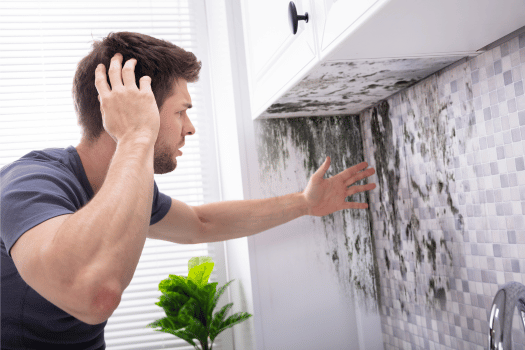
Visible signs matter too. Discoloration on walls or ceilings, peeling paint, warping floors, or a musty smell that won’t go away all suggest mold growth. But here’s the thing—most mold grows in places you can’t see. You can have a serious problem without any visible evidence.
If you’re buying a home in Feltonville, get an inspection before you close. Older homes in the area often have hidden moisture issues, and you don’t want to inherit someone else’s mold problem. It’s a lot cheaper to walk away from a bad deal than to pay for major remediation after you’ve already bought the house.
A mold inspection is a visual assessment of your entire property. We’re looking for visible mold growth, water damage, moisture problems, and conditions that allow mold to thrive. We use tools like moisture meters and thermal imaging cameras to detect issues you can’t see with your eyes alone.
Mold testing means taking samples—either air samples or surface samples—and sending them to a lab for analysis. Testing tells us what type of mold is present and how concentrated the spore levels are. This is useful when we find growth but can’t identify the species visually, or when you’re having health symptoms but we can’t locate visible mold.
Most inspections don’t require testing. If we find obvious mold growth, we already know you need remediation. Testing just delays the process and costs you more money. But if the situation is unclear—maybe you smell mold but can’t find it, or you want to verify that remediation was successful—then testing makes sense.
We’ll tell you honestly whether testing will help your situation or not. We’re not trying to upsell services you don’t need. If a visual inspection gives us enough information to move forward, that’s what we’ll recommend.
Small surface mold on non-porous materials—like a little mildew on bathroom tile—you can usually handle yourself with the right cleaner. But anything larger than a few square feet, anything inside walls or under flooring, or any situation involving black mold should be handled by professionals.
Here’s why: disturbing mold releases spores into the air. If you don’t contain the area properly, you’re spreading contamination throughout your home. If you don’t remove all the growth and address the moisture source, it comes right back. And if you’re dealing with toxic mold species, you’re exposing yourself to serious health risks.
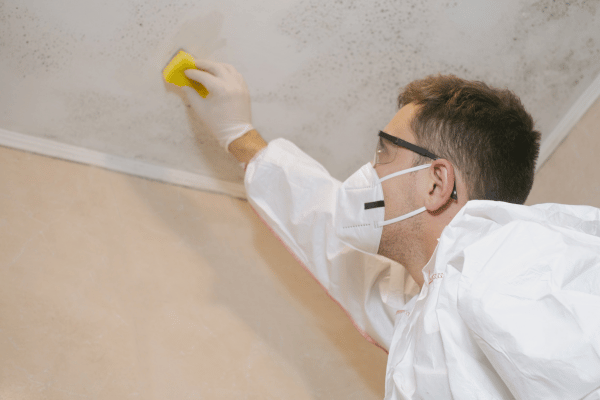
Professional remediation means proper containment, air filtration, complete removal of contaminated materials, treatment of affected surfaces, and addressing the underlying moisture problem. We have the equipment and training to do this safely. You don’t want to be breathing in mold spores while you’re scrubbing walls with bleach.
There’s also the insurance angle. Most homeowner policies cover mold remediation if it resulted from a covered event like a burst pipe. But they won’t cover damage you caused or made worse by attempting DIY removal. Professional documentation protects your claim.
If you’re not sure whether your situation requires professional help, call us for a free inspection. We’ll tell you honestly if it’s something you can handle or if you need our services.
Most residential inspections take between one and two hours, depending on the size of your home and how much area we need to check. Larger homes or properties with extensive water damage history take longer.
You don’t need to do anything special to prepare. We need access to all areas of the home—attics, basements, crawl spaces, closets, behind appliances. If there are areas you can’t access or haven’t opened in a while, let us know when we arrive.
We’ll start by talking with you about what you’ve noticed and any history of water problems. Then we’ll do a thorough visual inspection of the entire property, checking common problem areas and using our detection equipment to find hidden moisture.
If we need to take samples, that adds maybe 15 minutes to the process. We’ll explain what we’re sampling and why. You’ll get a detailed report—usually within 24-48 hours—that documents our findings with photos, moisture readings, and clear recommendations.
The inspection itself is free. If we find mold and you decide to move forward with remediation, we’ll give you a detailed estimate before any work begins. You’re never obligated to use our removal services just because we did the inspection.
It depends on what caused the mold. Most homeowner policies cover mold remediation if it resulted from a sudden, accidental event—like a burst pipe, storm damage, or appliance malfunction. They typically won’t cover mold that developed from long-term neglect or maintenance issues.
Over 90% of mold remediation services in the U.S. are supported by property insurance claims, so there’s a good chance your situation qualifies. But you need proper documentation. That means a professional inspection report, photos, moisture readings, and a detailed remediation plan.
We work with insurance companies regularly and know what they require. We’ll document everything thoroughly and provide the information your adjuster needs to process your claim. We can also communicate directly with your insurance company if needed.
The inspection itself is free, so there’s nothing to claim there. If remediation is necessary and your claim is approved, your insurance will typically cover the cost minus your deductible. If your claim is denied or you don’t have coverage, we offer financing options to make the work affordable.
Don’t wait to file a claim if you discover mold. Insurance companies can deny coverage if they determine you knew about the problem and didn’t address it promptly. The sooner you document the issue and start the remediation process, the better your chances of coverage.
First, don’t panic. Finding mold is actually better than not finding it, because now you know what you’re dealing with and can fix it properly. We’ll show you exactly where the growth is, explain how serious the situation is, and walk you through what needs to happen next.
You’ll get a detailed report that documents the location and extent of the contamination. We’ll identify the moisture source—because if you don’t fix what’s causing the mold, it will just come back after remediation. And we’ll give you a clear estimate for removal and any necessary repairs.
The remediation process depends on how much mold we found and where it’s located. Small areas might just need surface treatment and moisture control. Larger contamination requires containment, removal of affected materials, air filtration, and treatment of the space. We handle everything from start to finish.
We use IICRC-certified methods and environmentally friendly products. We’ll contain the work area to prevent spores from spreading, remove all contaminated materials safely, treat surfaces to prevent regrowth, and verify the space is clean before we’re done.
Most residential jobs take a few days to a week. We’ll give you a timeline upfront so you know what to expect. And we’ll work with your insurance company to handle the claims process if your policy covers the work.
Other Services we provide in Feltonville