

Hear from Our Customers
You stop worrying every time someone in your house coughs. The musty smell disappears. You’re not wondering what’s growing behind the walls or whether that dark spot in the basement is spreading.
When mold removal is done right, you get your air quality back. Kids with asthma stop waking up congested. Allergies calm down. You’re not masking the problem with air fresheners or running dehumidifiers 24/7 hoping it helps.
Real mold remediation means finding where the moisture is coming from and fixing it. Because mold doesn’t grow without water. If someone just scrubs the visible stuff and leaves, you’ll be calling again in six months. That’s not a solution. That’s expensive guesswork.
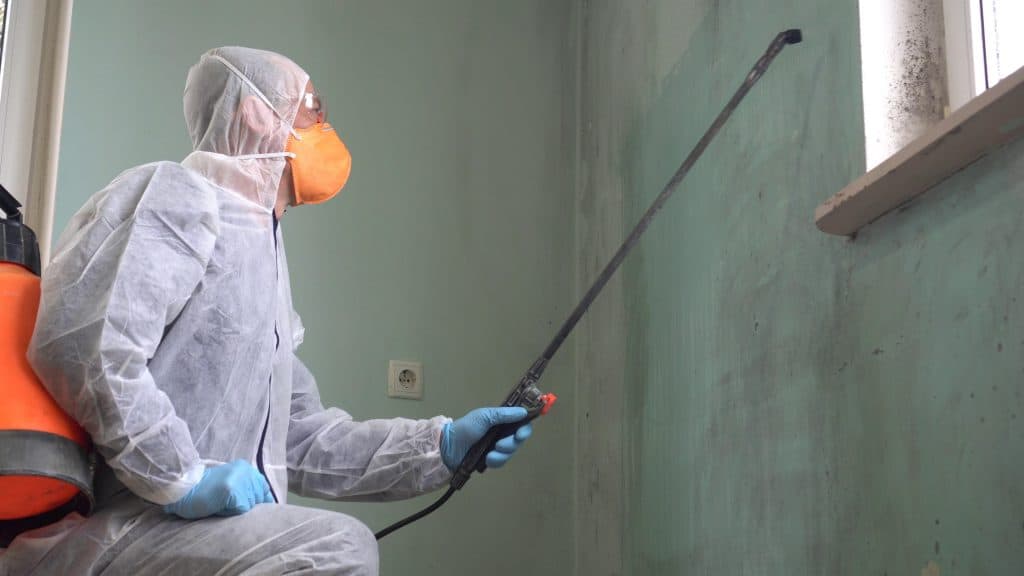
You deserve to know the problem is handled. That means containment so spores don’t spread during cleanup. HEPA filtration to pull contaminated air out safely. Removal of affected materials that can’t be saved. And verification testing afterward so you’re not taking anyone’s word for it.
We work throughout Feltonville, Bucks County, and the greater Philadelphia area. We’re IICRC-certified, which means our technicians follow the same protocols used nationwide by professionals who take this seriously.
We also know this region. Pennsylvania’s summer humidity sits right in the danger zone where attics stay damp and basements never fully dry. Older homes near the Delaware River have different vulnerabilities than newer construction with poor ventilation. We’ve seen both, and we know where to look.
You’re not getting a one-size-fits-all approach. You’re getting people who understand how water moves through local housing stock, what your insurance will actually cover, and how to keep mold from coming back after we leave.

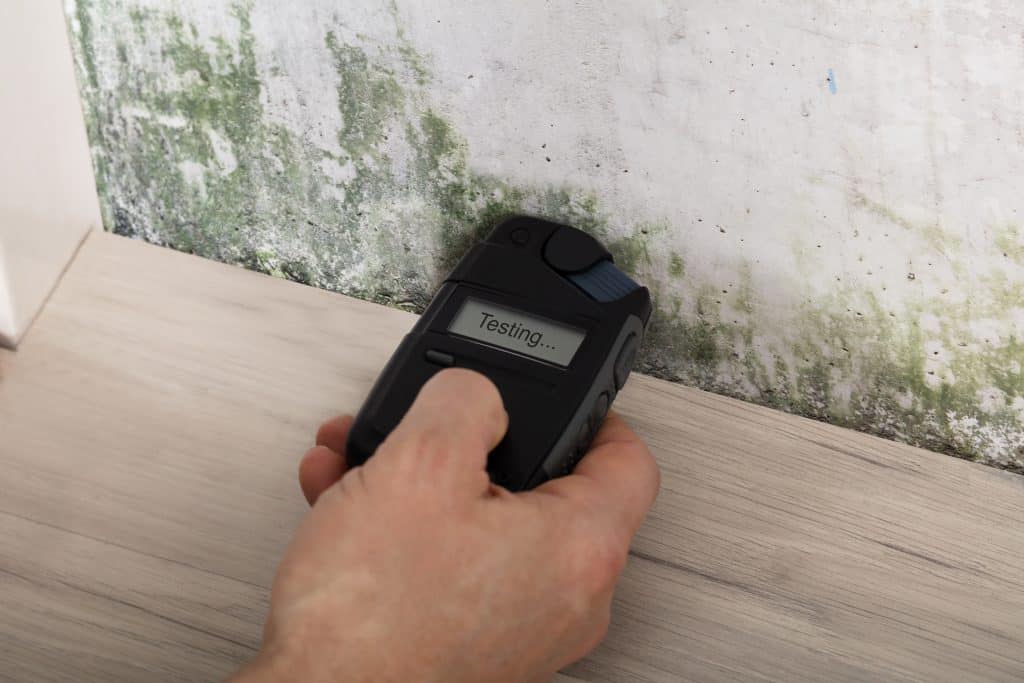
First, we inspect. That means visual assessment, moisture meters, thermal imaging if needed. We’re looking for active growth and the water source feeding it. You get a clear explanation of what we found and what needs to happen next.
Then we contain the area. Mold spreads through spores, and demolition kicks them into the air. We seal off the work zone with plastic barriers and negative air pressure so nothing travels to clean areas of your home.
Next is removal. Porous materials that are contaminated—drywall, insulation, carpet—get bagged and disposed of properly. Hard surfaces get cleaned with HEPA vacuums and antimicrobial treatments. We’re not leaving anything behind that could reactivate.
Finally, we dry and verify. The space gets dried to safe moisture levels. We can run post-remediation testing if you want third-party confirmation. Then we walk you through what happened, what we fixed, and what you can do to prevent it from returning.
Ready to get started?
You’re getting a full-service response. Free inspection with moisture detection and thermal imaging. Detailed scope of work with transparent pricing before anything starts. No surprises, no upselling once we’re in your house.
We handle containment, removal, disposal, cleaning, and drying. If you need help with insurance documentation, we’ll provide that too. Most policies cover mold if it resulted from a covered water event—burst pipe, appliance leak, storm damage. We’ll give you what you need to file accurately.
Feltonville homes face specific challenges. Basements flood during heavy rain. Crawl spaces trap moisture. HVAC systems run constantly in summer, and if ducts aren’t clean, they’re circulating spores. We’ve worked in hundreds of properties across Bucks County and Philadelphia, and we know what this climate does to homes that aren’t properly ventilated or waterproofed.
You’re also getting speed. Mold starts growing 24 to 48 hours after water exposure. The faster we respond, the less damage occurs and the lower your remediation cost. We offer emergency response because waiting three days for an appointment can turn a $2,000 problem into a $10,000 one.
Most homeowners in the Feltonville and Bucks County area pay between $1,200 and $3,750 for professional mold remediation. The national average is around $2,300, but your actual cost depends on how much area is affected and what materials need to be removed.
Contractors typically estimate $10 to $25 per square foot. A small bathroom might run $1,200. A finished basement with widespread contamination could hit $8,000 or more. If there’s structural damage or HVAC cleaning involved, costs go up.
Here’s what affects price: the size of the contaminated area, whether it’s behind walls or easily accessible, what materials are affected, and how long the mold has been growing. Catching it early saves money. Waiting until it spreads through multiple rooms or into your HVAC system does not.
We give you a written estimate before starting work. No hidden fees. If your insurance covers it, we’ll help with the documentation. If not, we’ll explain your options and what you’re actually paying for.
It depends on what caused the mold. Most homeowners insurance policies cover mold remediation if the mold resulted from a covered peril—like a burst pipe, appliance malfunction, or storm damage. If your washing machine hose breaks and floods the laundry room, and mold grows as a result, that’s usually covered.
What insurance typically won’t cover is mold from long-term neglect or maintenance issues. If your basement has been damp for years and you never addressed it, that’s considered a maintenance problem. Same with mold from ongoing roof leaks you didn’t fix or chronic humidity you ignored.
The key is documentation. Insurance companies want proof the water event was sudden and accidental, and that you took reasonable steps to mitigate damage. That’s where we come in. We provide detailed reports, photos, moisture readings, and scope of work that support your claim.
If you’re unsure whether your situation is covered, call your insurance company before starting remediation. We’re happy to walk you through what documentation they’ll need and provide estimates that match their requirements. Many of our clients get full or partial coverage when the claim is filed correctly.
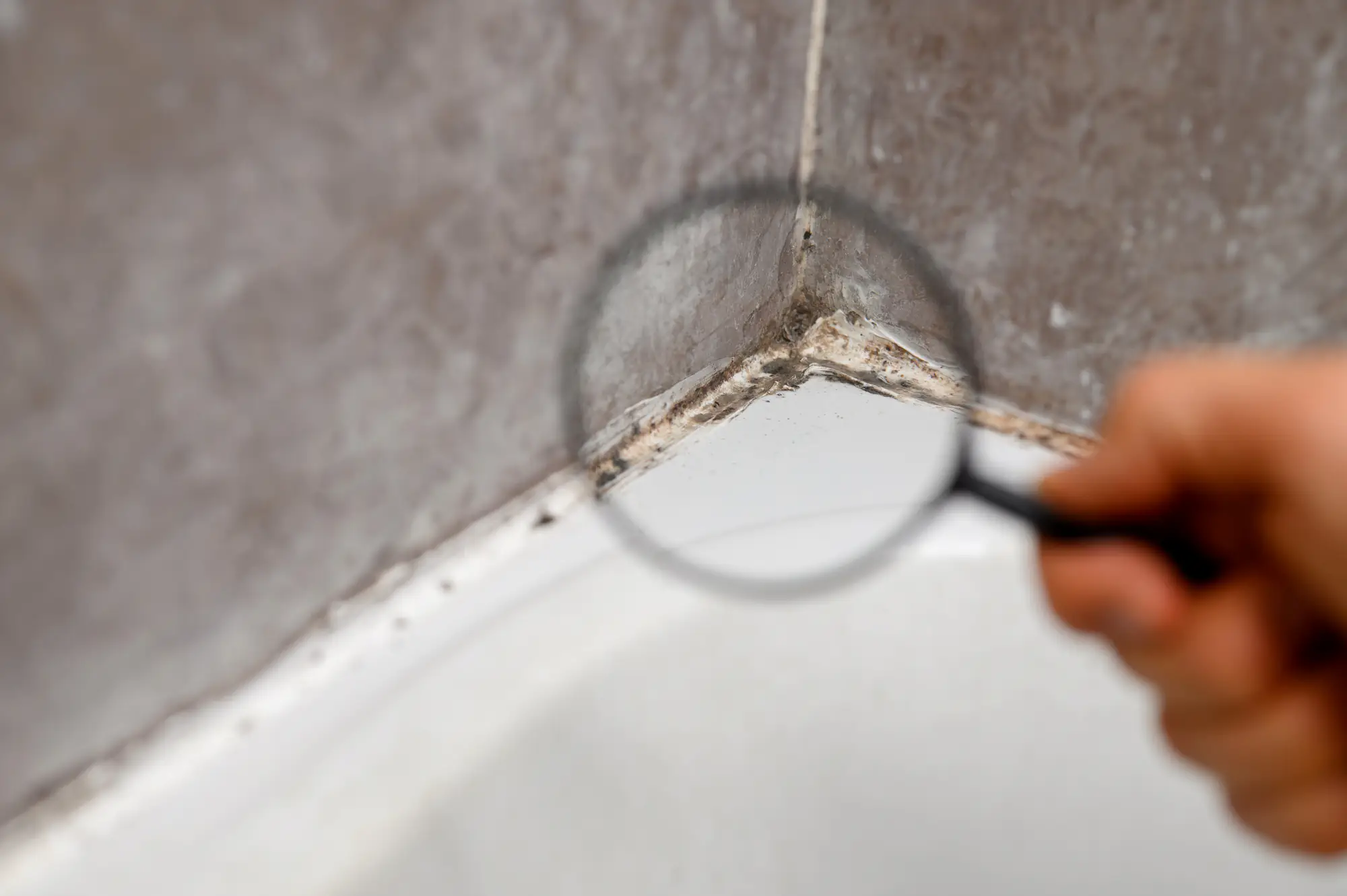
Visible growth is the obvious sign—black, green, or white patches on walls, ceilings, or around windows. But mold often hides where you can’t see it: behind drywall, under flooring, in crawl spaces, inside HVAC ducts, or above ceiling tiles.
Smell is a strong indicator. That musty, earthy odor means mold is actively growing somewhere, even if you can’t pinpoint it. If certain rooms smell worse than others, or the smell gets stronger when you run the AC or heat, you likely have hidden contamination.
Health symptoms are another clue. If people in your house are experiencing unexplained allergies, respiratory issues, headaches, or congestion that improves when they leave the building, mold exposure could be the cause. This is especially true for kids, elderly family members, or anyone with asthma.
Water history matters too. If you’ve had any flooding, leaks, burst pipes, or roof damage in the past year, there’s a good chance mold followed. Mold starts growing within 24 to 48 hours of water exposure. Even if you dried things out, moisture can linger inside walls or under floors where you can’t reach it. A professional inspection with moisture meters and thermal imaging will tell you for sure.
Mold removal sounds like you’re getting rid of every single spore, but that’s not realistic. Mold spores exist everywhere—indoors and outdoors. You can’t eliminate them completely. What you can do is reduce them to safe levels and remove active growth.
That’s what mold remediation means. It’s the process of identifying contaminated areas, containing them so spores don’t spread, removing affected materials, cleaning salvageable surfaces, and drying everything to prevent regrowth. The goal is to bring mold levels back to normal and eliminate the conditions that allowed it to grow in the first place.
A lot of companies use “mold removal” because that’s what people search for, but the industry standard term is remediation. It’s more accurate. You’re remediating the problem—addressing the source, not just scrubbing visible mold and hoping it doesn’t come back.
If someone offers to “remove all your mold” without talking about moisture control or fixing leaks, be skeptical. Real remediation includes finding and fixing the water source. Otherwise, you’re paying for temporary cosmetic work that won’t last.
Small jobs—like a moldy bathroom or single wall cavity—usually take one to three days. Larger projects involving basements, attics, or multiple rooms can take a week or more, depending on the extent of contamination and drying time required.
Here’s what affects timeline: the size of the affected area, how much material needs to be removed, whether structural repairs are needed, and how long it takes to dry everything to safe moisture levels. Drying is often the longest part. You can’t rush it. Materials need to hit below 20% moisture content, or mold will just grow back.
We’ll give you a realistic timeframe during the inspection. If it’s an emergency—active water intrusion or severe contamination—we start containment and extraction immediately, usually within 24 hours. Non-emergency projects get scheduled based on scope and your availability.
You don’t usually need to leave your home during remediation unless contamination is severe or affects your HVAC system. We contain work areas with plastic barriers and negative air pressure to keep spores out of living spaces. Most families stay in the house and go about their routines while we work.
If it’s a very small area—less than 10 square feet—and it’s on a hard, non-porous surface like tile or glass, you can clean it yourself with detergent and water. The EPA says that’s generally safe for minor surface mold if you wear gloves and a mask.
But if the area is larger than 10 square feet, if it’s on porous materials like drywall or carpet, if it’s inside walls or HVAC systems, or if anyone in your home has respiratory issues, you need a professional. Here’s why: disturbing mold releases spores into the air. Without proper containment and filtration, you’re spreading contamination to clean areas of your house.
DIY mold removal also doesn’t address the moisture source. You might scrub away visible growth, but if the leak or humidity problem isn’t fixed, mold comes back. We see this constantly—homeowners who tried bleach or vinegar solutions, only to have the problem return worse than before.
Professional mold remediation includes containment, HEPA filtration, proper disposal, antimicrobial treatment, and moisture control. We’re also insured and certified, which matters if you’re filing an insurance claim or selling your home. Documentation from a licensed mold remediation company carries weight. A DIY cleanup does not.
Other Services we provide in Feltonville