
Hear from Our Customers

You’re spending 90% of your time indoors. If something’s off—unexplained headaches, respiratory issues, that musty smell you can’t place—you need more than a guess.
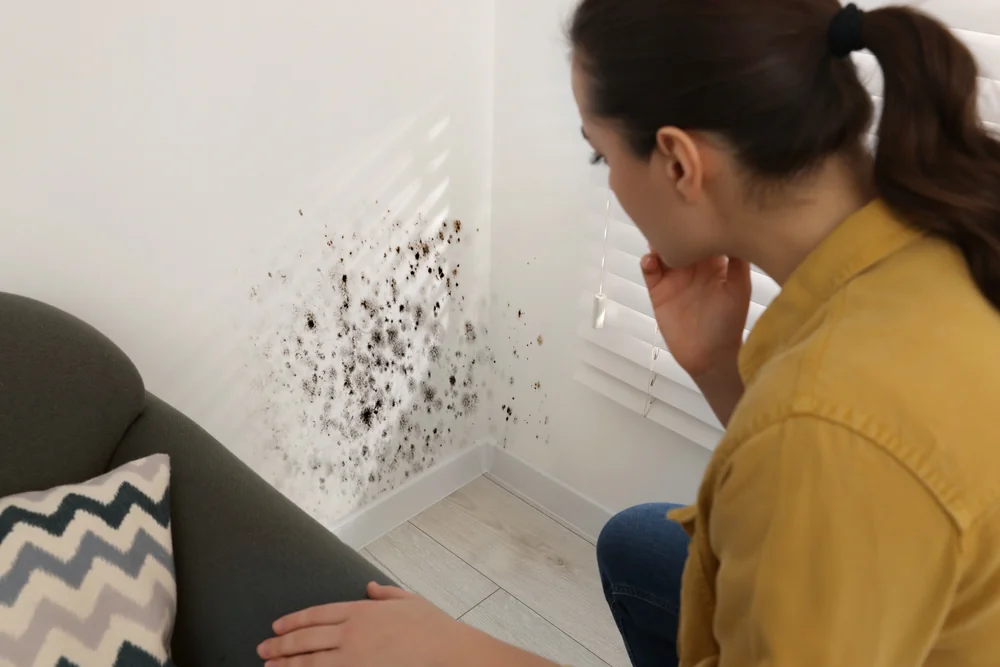
A home air quality test gives you lab-certified data on what’s actually floating around your house. Mold spores, volatile organic compounds, particulate matter—the stuff that doesn’t show up until someone gets sick or a buyer’s inspector flags it during a sale. Indoor air can be two to five times more polluted than outdoor air, and you’d never know it without testing.
Testing catches problems early. Before the coughing gets worse. Before mold spreads behind your walls. Before your property value drops 20% because a real estate inspection turned up contamination. You get a detailed report that tells you what’s there, how much, and what it means for your health. Then you can make decisions based on facts, not fear.
We work throughout Feltonville, PA and the surrounding Philadelphia area. We know the housing stock here—rowhomes, twins, older construction that holds moisture differently than newer builds. We also know Philadelphia’s humid climate creates ideal conditions for mold growth, especially after storms or plumbing issues.
We use thermal imaging cameras and moisture meters to find hidden problems, then send samples to independent labs for analysis. You get unbiased results and a clear explanation of what they mean. No scare tactics. No upselling services you don’t need. Just honest testing and straightforward answers about your indoor air quality.

First, we walk through your home and talk about what you’re noticing—odors, health symptoms, visible moisture, recent water damage. That conversation shapes where we test and what we look for.
Then we collect air samples using calibrated equipment. We’re checking for mold spores, measuring particulate levels, and looking for volatile organic compounds that off-gas from building materials or hidden contamination. If there’s visible moisture or suspected mold, we use thermal imaging to see what’s happening inside walls and ceilings without tearing anything apart.
Samples go to an independent lab that specializes in environmental testing. You get results in three to five business days. The report breaks down exactly what was found, the concentration levels, and whether those levels are considered safe or problematic. We walk you through the findings in plain language and explain what—if anything—needs to happen next. If remediation is needed, we can handle it. If your air is fine, we tell you that too.
Ready to get started?
Every residential air quality test starts with a free initial inspection. We assess your home’s conditions, talk through your concerns, and give you upfront pricing before any testing begins.
Testing itself involves collecting air samples from multiple areas of your home—usually the spaces where you’re noticing issues, plus a control sample from outside. We’re looking for common Philadelphia-area molds like Aspergillus, Penicillium, and Cladosporium, which thrive in the region’s wet, humid conditions. The lab analysis identifies specific species and measures spore concentration so you know if levels are elevated compared to outdoor air.
You also get a written report that documents everything. That matters if you’re filing an insurance claim, buying or selling a home, or just need proof that your air quality is safe. Feltonville’s diverse housing stock—from older rowhomes to newer construction—each comes with different vulnerabilities. Older homes may have hidden moisture issues from aging plumbing or poor ventilation. Newer homes can trap humidity if they’re sealed too tight without proper airflow. We adjust our testing approach based on what you’re living in and what your home’s showing us.
Cost depends on the size of your home and how many areas need testing. A basic mold air test for a single room typically runs a few hundred dollars. Whole-home indoor air quality testing that checks multiple rooms and tests for a broader range of pollutants costs more.
We offer free initial inspections, so you’re not paying just to have someone look around and tell you what might be wrong. During that inspection, we give you transparent pricing based on what your home actually needs. If you’re dealing with a specific issue—like a basement that flooded or a bathroom with visible mold—we can focus testing there and keep costs down. If you’re buying a home or dealing with unexplained health symptoms, a more comprehensive test makes sense.
Most homeowners in Feltonville find that testing pays for itself. Catching mold early prevents expensive remediation later. Documenting air quality issues helps with insurance claims. And if you’re selling, a clean air quality report can keep a deal from falling apart when buyers get nervous about that musty smell in the basement.
DIY kits are cheap and easy to find, but they’re not reliable. Most use settle plates that sit open and collect whatever falls on them. That method misses airborne spores and gives you skewed results because it’s not measuring actual air concentration. You also don’t get species identification, so you won’t know if you’re dealing with harmless mold or something that’s a real health risk.
Professional air quality testing uses calibrated air pumps that pull a measured volume of air through a collection device. That gives you accurate spore counts per cubic meter—the data you need to know if levels are elevated. Samples go to an accredited lab where technicians identify specific mold species under a microscope. You get a detailed report that breaks down what’s there and whether it’s a problem.
The bigger issue is knowing where to test. We use thermal imaging and moisture meters to find hidden problems you’d never catch with a DIY kit sitting on your kitchen counter. If mold is growing inside a wall cavity or under flooring, a settle plate won’t tell you anything useful. Professional testing finds the source, measures the extent, and gives you documentation that actually means something if you need to make a claim or prove your air is safe.
Lab results typically come back in three to five business days. That’s how long it takes for the lab to culture samples, identify mold species, and measure concentration levels accurately. Some labs offer rush processing for an extra fee if you’re in a time-sensitive situation—like a real estate transaction that’s about to close or a tenant situation where you need answers fast.
Once we get the lab report, we review it and then walk you through the findings. We’re not just handing you a piece of paper full of technical terms and leaving you to figure it out. We explain what was found, what the numbers mean, and whether your indoor air quality is within safe ranges or if there’s contamination that needs attention.
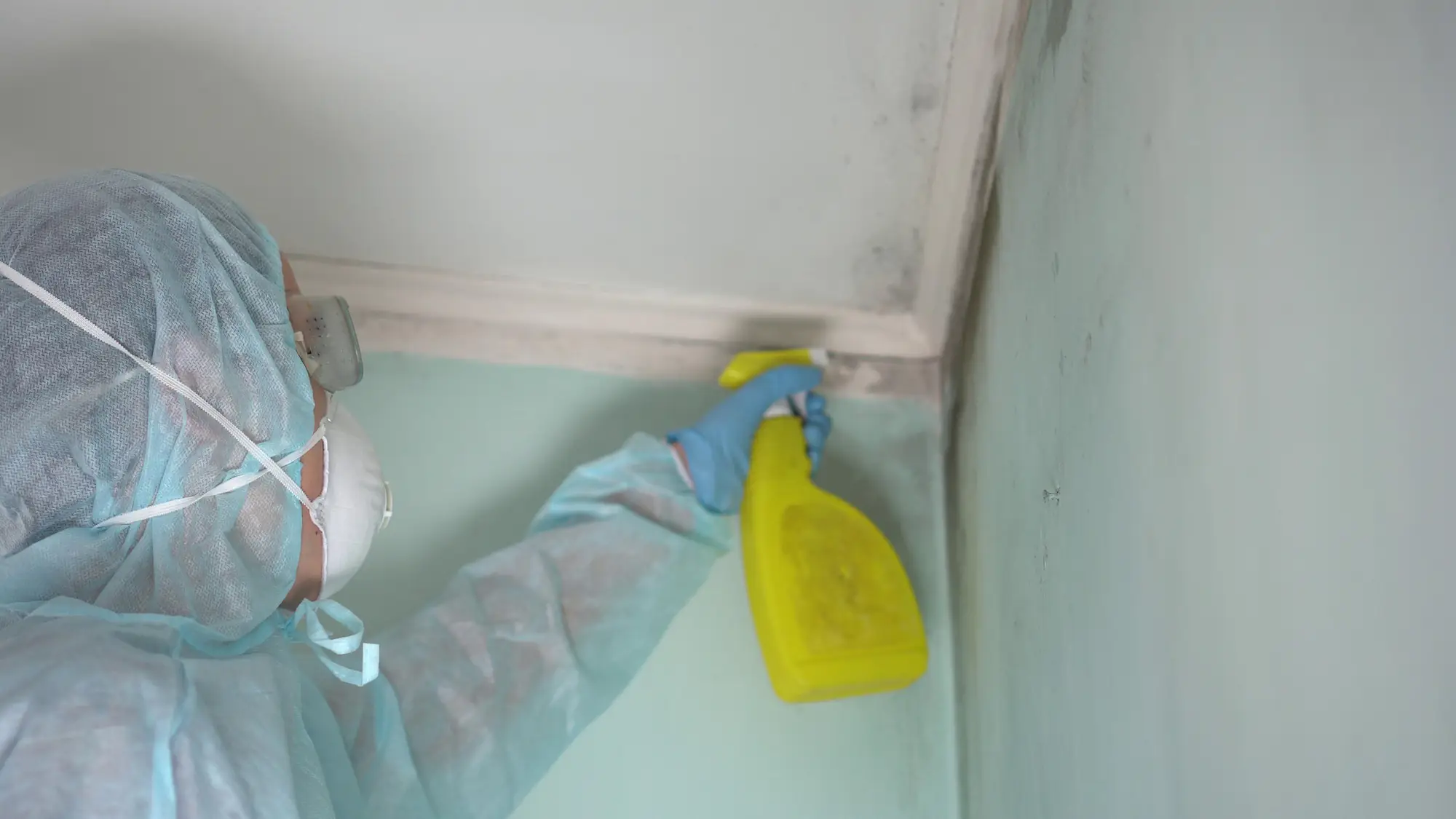
If the test shows elevated mold levels or other air quality issues, we talk about next steps right then. Sometimes it’s a simple fix—improve ventilation, address a moisture source, clean an area that’s accumulating dust. Other times it requires remediation to remove mold growth and treat affected materials. Either way, you’re not waiting weeks to find out what’s going on in your home. You get answers quickly and a clear path forward.
Test when you’re noticing symptoms—respiratory issues, headaches, eye irritation, coughing that won’t quit. If multiple people in your household are experiencing the same problems and they improve when you leave the house, that’s a red flag that something’s wrong with your indoor air.
You should also test after any water damage, even if it was cleaned up quickly. Flooding, pipe leaks, roof leaks—they all create conditions for mold growth, and mold doesn’t always show up where you can see it. Testing confirms whether moisture led to contamination or if you caught it in time. Philadelphia’s humid climate makes this especially important in Feltonville. Homes here are constantly dealing with moisture, and mold can establish itself fast.
Testing makes sense during real estate transactions too. If you’re buying, you want to know what you’re getting into before you sign. If you’re selling, testing can head off buyer concerns and keep deals from falling apart over air quality questions. Some homeowners test annually as preventive maintenance, especially if they’ve had mold issues before or live in an older home that’s prone to moisture problems. It’s cheaper to catch issues early than to deal with major contamination later.
Air testing tells you if mold spores are present in your indoor air and whether levels are elevated compared to outdoor air. If spore counts are high, that’s a strong indicator that mold is growing somewhere in your home—possibly in walls, ceilings, or other hidden areas.
But air testing alone doesn’t pinpoint the exact location. That’s why we combine air sampling with visual inspection, thermal imaging, and moisture detection. Thermal cameras show us temperature differences that indicate moisture trapped inside walls. Moisture meters measure humidity levels in building materials. Those tools help us find hidden mold growth that’s releasing spores into your air.
If we find elevated mold levels in your air and our inspection reveals moisture or temperature anomalies in your walls, we know there’s a problem that needs to be opened up and addressed. Sometimes we’ll recommend a small exploratory opening to visually confirm what’s there before starting full remediation. The goal is to give you enough information to make a smart decision about what happens next—without tearing apart your home unnecessarily or leaving a real problem untreated.
It depends on your policy and what caused the air quality issue. If testing is needed because of a covered event—like a sudden pipe burst or storm damage—many policies will cover testing as part of the claim. If mold or air quality problems developed slowly over time due to maintenance issues, most policies won’t cover it.
The key is documentation. Insurance companies want proof that there’s actually a problem and that it’s related to a covered loss. Professional air quality testing provides that documentation with lab reports, spore counts, and species identification. That’s a lot harder to dispute than “it smells weird” or “I think I see mold.”
We work with insurance companies regularly and know what they’re looking for in a claim. We can provide detailed reports and communicate directly with adjusters if needed. Even if testing itself isn’t covered, having professional documentation can make the difference between a denied claim and a successful one when it comes to remediation costs. We’ll walk you through the process and help you understand what your policy covers before you’re stuck with unexpected bills.
Other Services we provide in Feltonville