
Mold Remediation in Feltonville, PA

Get Mold Out and Keep It Out

Certified mold remediation that addresses the source, removes the growth, and prevents it from coming back without the runaround.

Hear from Our Customers

Professional Mold Removal Services

You Get a Home That's Actually Safe

You’re not imagining it. That musty smell, the headaches that won’t quit, the allergies that flare up every time you’re home it’s real, and it’s likely mold.

When mold gets handled the right way, you stop wondering if your house is making you sick. You stop worrying about what’s growing behind the walls. The air clears up, literally and mentally.

Mold remediation isn’t just about scrubbing visible spots. It’s about finding where moisture is getting in, removing contaminated materials safely, treating affected areas with the right products, and making sure the conditions that let mold grow in the first place don’t stick around. That’s what keeps it from coming back six weeks later.

You get your space back. You get peace of mind. And you get to stop Googling symptoms at 2 a.m.

Mold Remediation Experts in Feltonville

We've Been Doing This for Over 15 Years

We’ve been serving Feltonville, PA and the greater Philadelphia area since 2009. We’re IICRC-certified, we work with certified labs for testing, and we follow EPA protocols not because we have to, but because shortcuts in mold work don’t hold up.

Feltonville’s housing stock is old. The median build year here is 1946, and nearly two-thirds of Philadelphia homes were built before 1954. That means poor drainage, outdated window builds, and plenty of opportunities for water to get where it shouldn’t. We’ve seen it all, and we know how to fix it right.

We’re not the cheapest option, and that’s intentional. You’re paying for proper containment, real testing, experienced technicians, and work that actually lasts.

Our Mold Remediation Process

Here's What Happens When You Call

First, we come out and do a free inspection. We’re looking for visible mold, but also moisture sources, hidden growth, and conditions that support it. We use thermal imaging and moisture meters to check areas you can’t see behind walls, under floors, in crawl spaces.

If testing makes sense, we take samples and send them to a certified lab. Results come back in 3 to 7 days, and they tell us exactly what we’re dealing with and how to treat it.

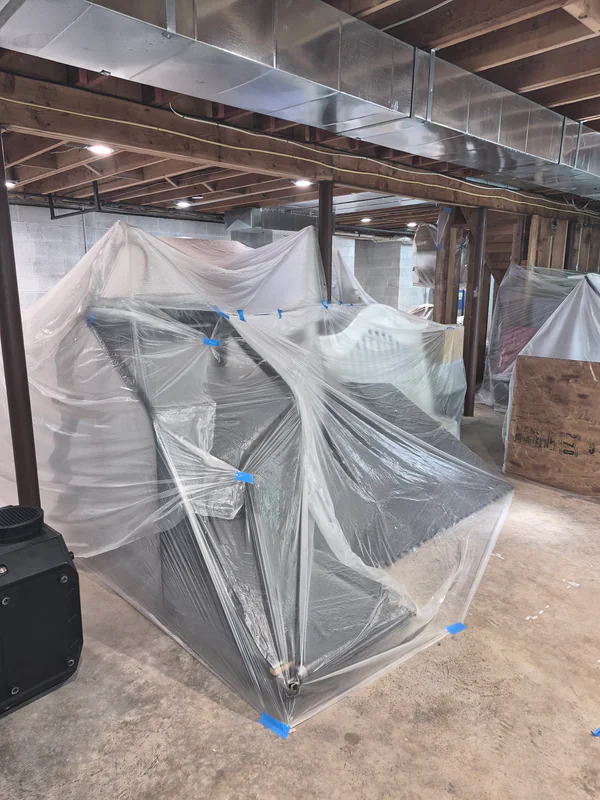
Once we have a plan, we set up containment to keep mold spores from spreading during removal. We remove contaminated materials, treat affected surfaces, dry everything out, and address the moisture problem that caused it. Then we verify the work with post-remediation testing if needed.

You’re not left guessing. We walk you through every step, explain what we find, and give you a clear timeline. If insurance is involved, we’ll work directly with them to make the claims process easier.

Ready to get started?

Explore More Services

About Mack's Mold Removal

Mold Inspection and Testing Services

What's Included in Mold Remediation

Every mold remediation project includes a full inspection to identify the source and extent of the problem. We’re not just treating symptoms we’re fixing what caused the mold to grow in the first place.

In Feltonville and across Philadelphia, the biggest culprits are roof leaks, basement seepage, old plumbing, and poor ventilation in bathrooms and kitchens. The city’s coastal location and humid climate don’t help. About 40% of Philly homes were built before 1939, and aging infrastructure means more cracks, more leaks, and more mold.

We handle containment setup, safe removal of affected materials, HEPA filtration during the process, antimicrobial treatment, moisture control solutions, and thorough cleanup. If you need help with insurance documentation or financing options, we’ve got that covered too.

This isn’t a one-size-fits-all service. What your neighbor needed might be completely different from what your home needs, and we treat it that way.

How much does mold remediation cost in Feltonville, PA?

Most mold remediation projects in the Philadelphia area run between $3,000 and $20,000, depending on the size of the affected area, the type of mold, and how much material needs to be removed. A small bathroom might cost $3,000 to $5,000. A full basement or multiple rooms can easily hit $10,000 or more.

The price includes inspection, containment, removal, treatment, and prevention work not just cleaning what you can see. If structural materials like drywall or subflooring are damaged, replacement costs get added in.

We offer free inspections so you know what you’re dealing with before any money changes hands. We also work with your insurance company if your policy covers mold damage, and we have financing options available if you need them. The goal is to make it manageable, not overwhelming.

A typical mold remediation project takes 3 to 7 days from start to finish, depending on the scope. Small, contained areas like a bathroom or closet might be done in 2 to 3 days. Larger jobs involving multiple rooms, basements, or crawl spaces can take a week or more.

The timeline includes setting up containment, removing contaminated materials, treating surfaces, drying everything out, and running post-remediation verification if needed. Lab testing adds 3 to 7 days on the front end, but that happens before remediation starts.

We don’t rush it. Mold remediation done too fast usually means it wasn’t done right, and you’ll see it come back within a few weeks. We’d rather take the time to do it correctly the first time so you’re not calling us again in two months.

It depends on the size and location of the mold problem. If we’re working in a contained area like a basement or a single bathroom, and you’re not experiencing severe health symptoms, you can usually stay in the home. We seal off the work area with plastic sheeting and use negative air pressure to keep spores from spreading.

If the mold covers a large area, involves your HVAC system, or you’re dealing with toxic black mold, it’s safer to stay somewhere else for a few days. People with asthma, allergies, or compromised immune systems should definitely avoid the area during active remediation.

We’ll tell you upfront whether staying is safe or not. We’re not going to sugarcoat it or tell you it’s fine when it’s not. Your health matters more than convenience, and we’ll help you figure out the best plan for your situation.

Mold comes back if the moisture problem that caused it isn’t fixed. That’s the most common reason people end up with recurring mold someone cleaned up the visible growth but didn’t address the leak, the humidity issue, or the drainage problem feeding it.

When we do mold remediation, we’re not just removing what’s there. We’re identifying and fixing the source. That might mean repairing a roof leak, sealing foundation cracks, improving ventilation, or installing a dehumidifier. If water can’t get in and humidity stays under control, mold doesn’t have what it needs to grow.

We also treat affected areas with antimicrobial solutions and make sure everything is completely dry before we close it back up. If the work is done right and you maintain normal humidity levels (below 60%), mold shouldn’t come back. If it does, something got missed, and that’s on us to make right.

If you can see mold, you don’t technically need an inspection to know it’s there. But an inspection tells you how bad it is, where else it might be hiding, and what’s causing it all of which matter when you’re trying to fix the problem for good.

Mold grows in places you can’t always see: inside walls, under flooring, in HVAC ducts, behind cabinets. A proper inspection uses moisture meters and thermal imaging to find hidden growth and moisture sources before they turn into bigger problems. It also helps us give you an accurate estimate instead of a guess.

We offer free inspections because we’d rather know what we’re dealing with upfront. If lab testing makes sense like if you’re not sure what type of mold it is or you need documentation for insurance we’ll recommend it. But we’re not going to push testing you don’t need just to run up the bill.

Sometimes. Most homeowners insurance policies in Pennsylvania will cover mold remediation if the mold resulted from a sudden, accidental event like a burst pipe or a roof damaged in a storm. If the mold is from long-term neglect, poor maintenance, or gradual leaks you didn’t fix, insurance usually won’t cover it.

Every policy is different, and some have mold coverage caps as low as $10,000. It’s worth reading your policy or calling your insurance company to ask what’s covered before you assume anything.

We work with insurance companies regularly and can help with documentation, photos, and estimates to support your claim. If your claim gets approved, great. If not, we have financing options to help make the work affordable. Either way, waiting only makes the problem worse and more expensive, so it’s better to address it now than hope it goes away.

Other Services we provide in Feltonville