
Mold Inspection in North Park, PA

Find Hidden Mold Before It Becomes a Problem

Free professional inspection that identifies mold growth in visible and hidden areas, so you know exactly what you’re dealing with and what it takes to fix it.
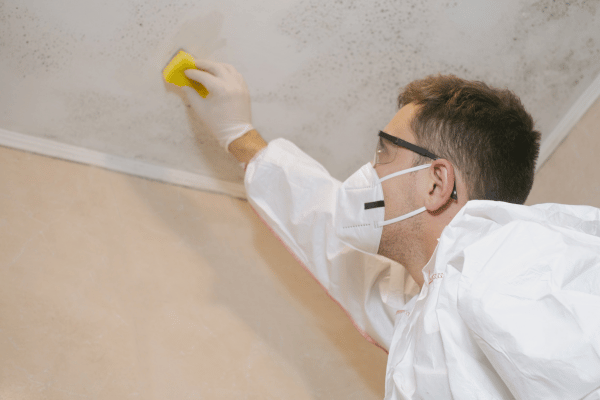
Protective worker in safety suit inspecting or treating mold spots on an indoor ceiling, addressing moisture damage and potential mold growth inside a building.

Hear from Our Customers

Professional Mold Detection Services North Park

Know What's Growing in Your Home

That musty smell in your basement isn’t just unpleasant. It’s a warning sign that mold has already established itself somewhere in your home, and every day it spreads further into wall cavities, under flooring, and through your HVAC system.

A professional mold inspection tells you exactly where the problem is, how extensive it’s become, and what’s causing it. We use moisture meters and infrared cameras to detect mold growth you can’t see yet, which means you can address the issue before it affects your family’s health or tanks your property value during a sale.

The inspection also identifies the moisture source feeding the mold. Without fixing that, you’re just treating symptoms. We find the leak, the condensation issue, or the ventilation problem so you can actually solve it instead of watching mold come back six months later.

Certified Mold Inspectors Serving North Park

We Know What Mold Does in Bucks County Homes

We’ve spent years handling mold problems specific to North Park and Bucks County. We know the older homes in this area, the basement moisture issues that come with Pennsylvania’s humid summers, and the condensation problems that show up when temperatures swing in spring and fall.

Our certified inspectors use EPA-approved methods and professional-grade equipment to assess your entire property. We’re not here to upsell you on services you don’t need. We’re here to give you accurate information about what’s happening in your home so you can make the right decision.

We’ve seen what happens when homeowners wait too long or rely on DIY test kits that miss half the problem. That’s why we offer free inspections and straight answers about what you’re facing.

Protective worker collecting a mold sample from a stained indoor ceiling using a swab, inspecting moisture damage and potential mold growth inside a building.

Our Mold Inspection Process in North Park

Here's What Happens During Your Inspection

We start with a visual assessment of your entire property, looking for visible mold growth, water stains, and moisture damage. But visible mold is only part of the story, so we use moisture meters to check humidity levels in walls, ceilings, and floors where mold typically hides.

Infrared cameras help us identify temperature differences that indicate moisture intrusion behind surfaces. These cold spots often reveal leaks or condensation issues you didn’t know existed. We also inspect your HVAC system, attic, basement, crawl spaces, and any areas where water damage has occurred.

If we find mold, we can collect samples to identify the specific type and determine the best removal approach. You’ll get a detailed report that explains what we found, where the moisture is coming from, and what needs to happen next. No jargon, no runaround, just clear information about your home and your options.

Home interior with mold remediation in progress as a worker sprays treatment on a wall using a ladder, while a resident relaxes on a covered sofa in a renovated living room.

Ready to get started?

Explore More Services

About Mack's Mold Removal

What's Included in North Park Mold Testing

You Get More Than Just a Walkthrough

Your inspection includes a complete assessment of all accessible areas in your home, including basements, attics, crawl spaces, and behind appliances where moisture accumulates. We check wall cavities, inspect HVAC systems, and examine areas around windows, doors, and plumbing fixtures where leaks commonly occur.

In North Park and throughout Bucks County, we see recurring issues with basement moisture, poor attic ventilation, and condensation problems in older homes. Pennsylvania’s climate creates ideal conditions for mold, especially during humid summer months and rainy spring seasons. We know where to look because we’ve seen these patterns hundreds of times.

You’ll receive documentation suitable for insurance claims, real estate transactions, or simply your own peace of mind. We also provide clear recommendations for remediation if needed, and we can work directly with your insurance company to simplify the claims process. If you’re buying or selling a home, our inspection gives you the information you need before closing.

How much does a professional mold inspection cost in North Park?

We offer free mold inspections for residential properties in North Park and Bucks County. That includes the visual assessment, moisture detection, and a detailed report of our findings.

Some companies charge $300 to $600 for an inspection, but we’ve found that cost prevents homeowners from getting the information they need when they need it. Mold doesn’t wait, and neither should you. If laboratory testing is necessary to identify specific mold types, there’s a separate fee for lab analysis, but we’ll discuss that with you first.

The inspection itself costs you nothing, and you’re under no obligation to use our remediation services. We just want you to know what’s happening in your home so you can make an informed decision about next steps.

A mold inspection is a visual and technical assessment of your property to identify mold growth, moisture problems, and the conditions allowing mold to thrive. We use moisture meters and infrared cameras to find hidden issues and determine the extent of contamination.

Mold testing involves collecting samples and sending them to a laboratory for analysis. Testing identifies the specific species of mold present, which can be important for health concerns or insurance claims. Not every inspection requires testing, but we’ll recommend it if we find extensive growth or if you’re experiencing health symptoms.

Most homeowners need an inspection first to locate the problem areas. Testing is a secondary step that provides additional detail about what type of mold you’re dealing with. We’ll walk you through both options and help you understand what makes sense for your situation.

DIY test kits can tell you if mold spores are present, but they can’t tell you where the mold is growing, how extensive the problem is, or what’s causing it. Since mold spores exist almost everywhere, a positive test doesn’t give you actionable information.

The bigger issue is that DIY kits often miss hidden mold growth. By the time you see visible mold or smell that musty odor, contamination has typically spread behind walls, under flooring, or into your HVAC system. A professional inspection uses specialized equipment to detect moisture and temperature differences that reveal hidden problems.

You also won’t get guidance on the moisture source. Without fixing the underlying issue, mold will return even if you clean what’s visible. A professional inspection identifies both the mold and the cause, which saves you time and money in the long run.

Most residential mold inspections take between one and two hours, depending on the size of your home and the extent of the problem. We’re thorough, but we’re not going to waste your time.

We inspect all accessible areas including basements, attics, crawl spaces, and any rooms where you’ve noticed moisture issues or musty odors. If we find significant mold growth or moisture problems, the inspection may take longer as we document everything and trace the source of water intrusion.

You’re welcome to follow along during the inspection so you can see exactly what we’re finding and ask questions in real time. We’ll explain what we’re looking at and why it matters. At the end, we’ll review our findings with you and discuss next steps if remediation is needed.

Insurance coverage for mold varies significantly between policies. Most homeowners insurance covers mold remediation if the mold resulted from a covered peril like a burst pipe or storm damage, but coverage is often limited or excluded if the mold developed due to long-term neglect or maintenance issues.

Many policies cap mold coverage at $10,000 or less, and some exclude it entirely. The key is documenting that you responded promptly to water intrusion. If you had a leak and called us right away, your claim is more likely to be approved than if mold developed over months of ignored moisture problems.

We work directly with insurance companies and can provide the documentation they require for claims. We’ll help you understand what your policy covers and guide you through the claims process. Even if insurance doesn’t cover the full cost, knowing the extent of the problem helps you make informed decisions about protecting your home and your family’s health.

If we find mold, we’ll show you exactly where it is, explain how extensive the growth appears to be, and identify the moisture source causing it. You’ll get a detailed report with photos and clear recommendations for remediation.

Small areas of surface mold can sometimes be cleaned by homeowners, but if mold has spread into wall cavities, insulation, or HVAC systems, professional remediation is necessary. We’ll explain what needs to happen, provide a clear estimate, and give you a timeline for the work.

We also address the root cause. Removing mold without fixing the leak, condensation issue, or ventilation problem means you’ll be dealing with the same issue again in six months. Our goal is to solve the problem completely so you can move on with confidence that your home is safe and healthy.

Other Services we provide in North Park