

Hear from Our Customers
You stop worrying about what’s growing behind your walls. The musty smell disappears. Your kids aren’t coughing at night anymore, and you’re not wondering if that dark spot in the basement is making everyone sick.
Mold spreads in 72 hours or less. If you’re seeing visible growth or smelling that damp, earthy odor, the problem’s already bigger than what’s on the surface. Pennsylvania’s humid climate makes North Park homes especially vulnerable – basements stay damp, attics trap moisture, and crawl spaces become breeding grounds.
Professional mold remediation means the contamination gets removed completely, not just wiped down with bleach. You get documentation for insurance claims if you need it. You get air quality testing that shows the spore count before and after. And you get a home environment where you’re not second-guessing every cough or headache.
The difference between DIY and professional removal isn’t just thoroughness. It’s knowing your family isn’t breathing in disturbed spores during cleanup, and it’s having confidence the problem won’t come back in three months.
We serve North Park, PA and the surrounding Bucks County area with certified mold inspection and remediation. We’re not a national franchise following a script – we’re local specialists who understand how Pennsylvania’s climate affects your home.
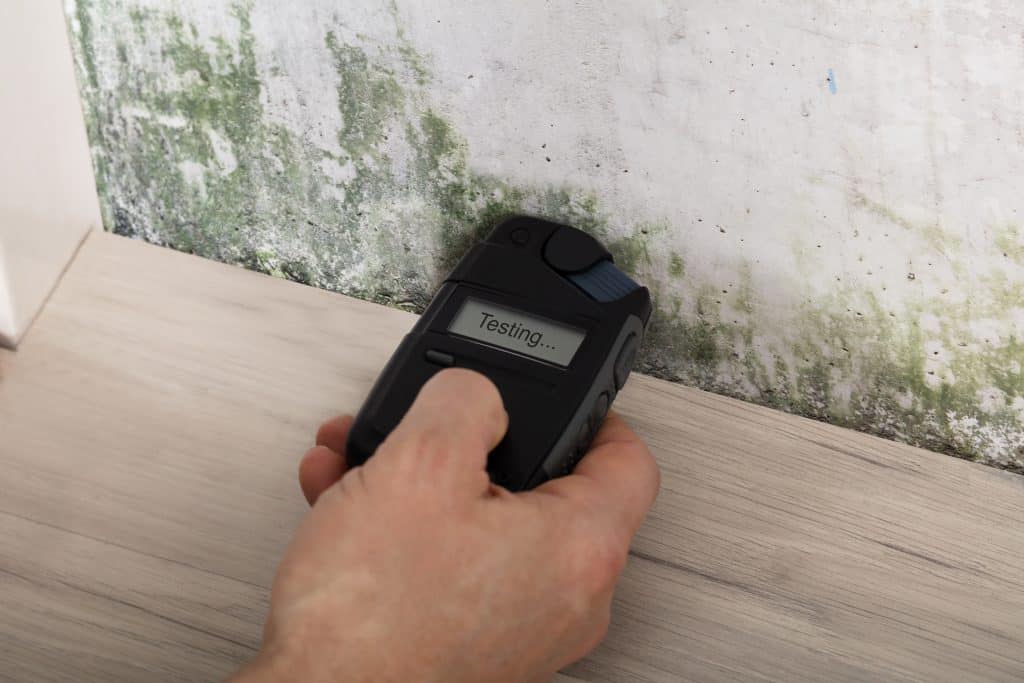
Our inspectors are certified and equipped with thermal imaging cameras and moisture meters that detect problems you can’t see. We’ve worked in hundreds of North Park homes dealing with basement seepage, attic condensation, and the aftermath of pipe leaks that weren’t dried properly.
You’ll get a free inspection with upfront pricing before any work starts. No hidden fees, no pressure tactics. Just a clear assessment of what’s happening, what it’ll cost to fix, and what you can expect throughout the process.

First, we inspect your property with moisture meters and thermal imaging to find all affected areas – including spots you didn’t know about. We’re looking behind walls, under flooring, in ductwork, anywhere moisture creates conditions for growth. You get a detailed assessment with photos and moisture readings.
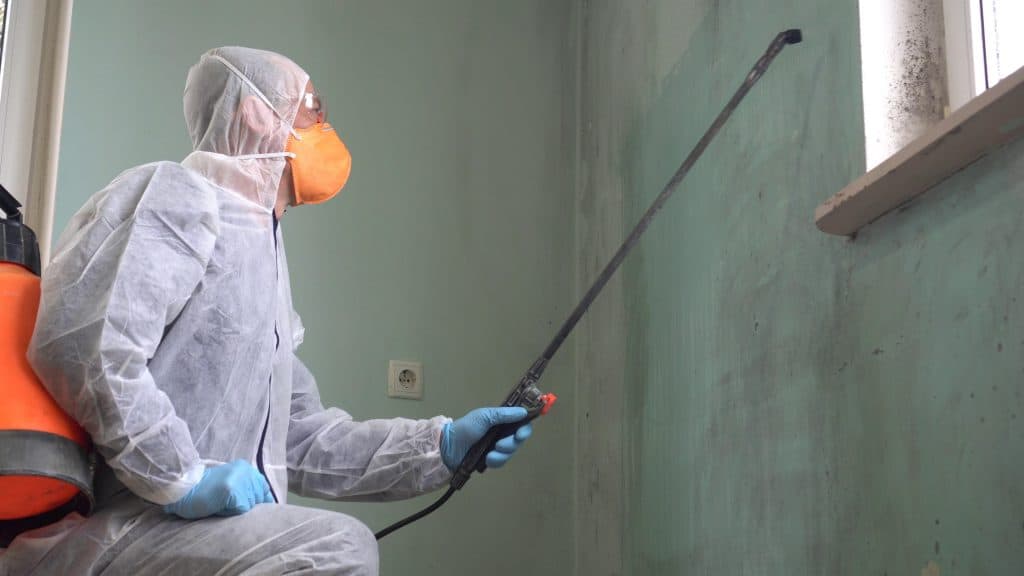
Next, we contain the work area with physical barriers and negative air pressure so spores don’t spread to clean areas during removal. We remove contaminated materials that can’t be salvaged – drywall, insulation, carpeting – and treat surfaces that can be cleaned with antimicrobial solutions. All debris goes into sealed bags before leaving your property.
Then we dry everything thoroughly and treat the area to prevent regrowth. We run air scrubbers with HEPA filters to remove airborne spores. Before we’re done, we can perform clearance testing – air samples sent to a certified lab – proving the spore count is back to normal levels.
You get documentation of everything: photos, moisture readings, lab results if you requested testing. If you’re filing an insurance claim, you’ll have what you need. And if the mold came from a specific moisture problem – a leak, poor ventilation, drainage issues – we’ll tell you what needs to be fixed so it doesn’t happen again.
Ready to get started?
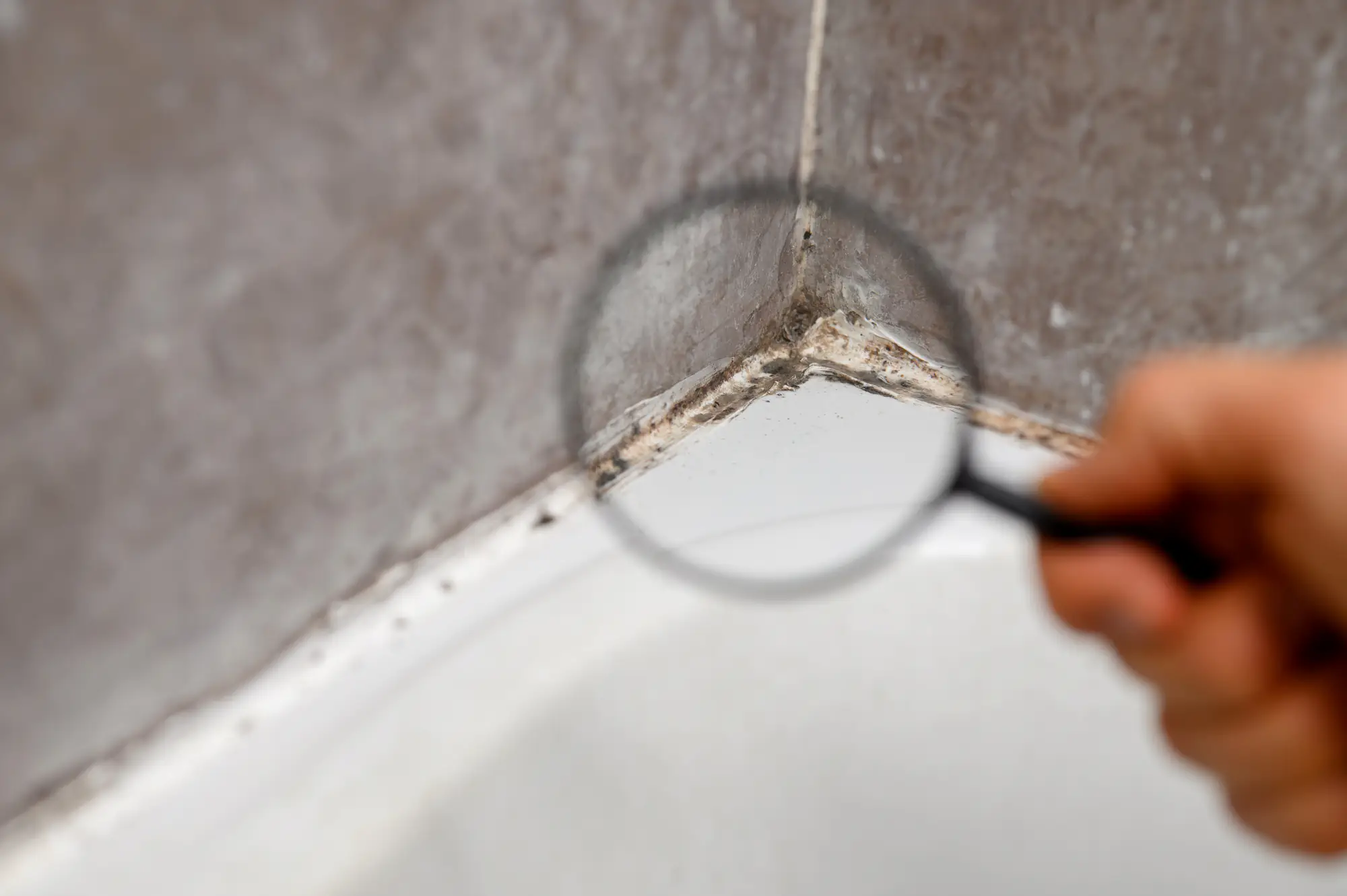
You get a complete visual inspection of your property, including areas most North Park homeowners don’t check regularly. Basements and crawl spaces are common problem areas here because of groundwater and humidity. Attics trap heat and moisture, especially in older homes without proper ventilation. We check all of it.
Moisture mapping shows you exactly where water is accumulating and why mold is growing there. This matters because removing visible mold without fixing the moisture source means you’ll be calling someone again in six months. Pennsylvania homes deal with specific issues – foundation seepage, ice dam damage, condensation from temperature swings – and the solution depends on the cause.
Professional mold removal includes containment, removal of affected materials, antimicrobial treatment, drying, and air filtration. You’re not just getting the visible mold wiped away. You’re getting contaminated materials removed, spore counts reduced, and treatment that addresses the problem at the source.
If you need it, we help with insurance documentation. Many homeowners in North Park don’t realize their policy might cover mold remediation if it resulted from a covered event like a pipe burst. We provide the detailed reports and photos insurance companies require.
Professional mold remediation in North Park typically costs between $500 and $6,000, depending on the size of the affected area and severity of contamination. A small bathroom with surface mold might cost $500 to $1,500. A finished basement with extensive growth behind walls can run $3,000 to $6,000 or more.
The price depends on how much material needs to be removed, how large the containment area needs to be, and whether you need lab testing. If mold has spread through HVAC ducts or into wall cavities across multiple rooms, costs increase because the scope of work increases.
We provide free inspections and upfront pricing before starting any work. You’ll know exactly what the job costs and what’s included – no surprises halfway through. Some insurance policies cover mold remediation if it resulted from a covered loss like a burst pipe, so we can help you document everything properly if you’re filing a claim.
You can’t reliably identify mold species by color alone. “Black mold” usually refers to Stachybotrys chartarum, which appears dark greenish-black and has a slimy texture when wet. But plenty of other mold species also look black or dark green, and some aren’t particularly dangerous.
What matters more than color is the amount of mold and your exposure to it. Any mold growing indoors indicates a moisture problem that needs to be fixed. Large amounts of any mold species can cause respiratory issues, especially if you have asthma or allergies.
If you want to know exactly what species you’re dealing with, we can collect samples and send them to a certified lab for analysis. The lab report identifies the specific mold type and concentration. Most homeowners don’t need this unless they’re filing insurance claims or have serious health concerns, but it’s available if you want definitive answers. Either way, the remediation process is similar – remove the contamination, fix the moisture problem, and prevent regrowth.
You can handle very small areas – less than 10 square feet – if the mold is on non-porous surfaces like tile or glass and you don’t have respiratory issues. Scrub it with detergent, dry the area completely, and fix whatever caused the moisture. Wear an N95 mask and gloves, and don’t just spray bleach on it, which doesn’t kill mold on porous surfaces and can make spores airborne.
Anything larger than 10 square feet, anything inside walls or ductwork, or any situation involving contaminated insulation or drywall should be handled professionally. Here’s why: disturbing mold during removal releases thousands of spores into the air. Without proper containment and air filtration, you’re spreading contamination to other areas of your home and breathing in high concentrations of spores.
Professional mold removal includes containment barriers, negative air pressure, HEPA filtration, and proper disposal of contaminated materials. We’re also finding hidden mold you don’t know about – behind baseboards, inside wall cavities, under flooring. Pennsylvania’s humid climate means surface mold is often just the visible part of a bigger problem. If you’re seeing mold, there’s usually more you’re not seeing.
Most residential mold removal jobs in North Park take between one and five days, depending on the size of the affected area and extent of contamination. A single bathroom might be done in a day. A basement with mold behind finished walls could take three to five days because we’re removing drywall, treating framing, and ensuring everything’s completely dry before reconstruction.
The inspection and assessment happen first – usually within 24 hours of your call, same day for emergencies. Once you approve the estimate, we can often start work within a day or two. The actual remediation involves containment setup, removal of contaminated materials, antimicrobial treatment, drying time, and air scrubbing.
Drying is what takes time. We can’t rush it because any remaining moisture means mold will return. We use commercial dehumidifiers and air movers to dry structural materials thoroughly, and we verify everything with moisture meters before finishing. If you’re doing lab testing for clearance, add a few days for the lab to process samples and send results. You’ll be able to use the affected areas again as soon as we’ve completed the work and confirmed everything’s dry and clean.
It depends on what caused the mold. Most Pennsylvania homeowners insurance policies cover mold remediation if it resulted from a covered peril – a sudden pipe burst, roof leak from storm damage, or water damage from firefighting efforts. They typically don’t cover mold that developed from long-term neglect, maintenance issues, or flooding.
You need to check your specific policy because coverage limits for mold vary widely. Some policies cap mold remediation at $10,000, others at $5,000 or less. Some exclude it entirely unless you purchased additional mold coverage. Pennsylvania has no state requirements for mold coverage, so it’s completely up to your policy terms.
If you’re filing a claim, documentation matters. Insurance companies want proof of the water damage that caused the mold, photos of the affected areas, moisture readings, and detailed estimates of remediation costs. We provide all of this as part of our inspection and can work directly with your insurance adjuster if needed. The key is addressing mold quickly when you discover it – delays can give insurance companies reason to deny claims by arguing you didn’t mitigate damage promptly.
Mold needs three things: moisture, organic material to feed on, and temperatures between 40°F and 100°F. North Park homes have all three in abundance. Pennsylvania’s humid climate keeps indoor humidity high, especially in basements and crawl spaces. Drywall, wood framing, insulation, and carpet provide plenty of food for mold. And unless your house is freezing or extremely hot, temperature isn’t limiting growth.
The most common causes we see in North Park are basement moisture from groundwater seepage or poor drainage, attic condensation from inadequate ventilation, bathroom humidity that isn’t properly vented, and water damage from leaks that weren’t dried quickly. Older homes often have foundation issues that let water in during heavy rain. Newer homes sometimes have ventilation problems because they’re built tight for energy efficiency but don’t have enough air exchange.
Fixing mold permanently means fixing the moisture problem. We can remove all the contamination, but if water keeps accumulating in the same spot, mold will return. Sometimes the fix is simple – running a dehumidifier, improving ventilation, redirecting gutters away from the foundation. Sometimes it requires more work like foundation waterproofing or roof repairs. We’ll tell you what’s causing the moisture so you can address it properly and prevent future growth.
Other Services we provide in North Park