
Hear from Our Customers
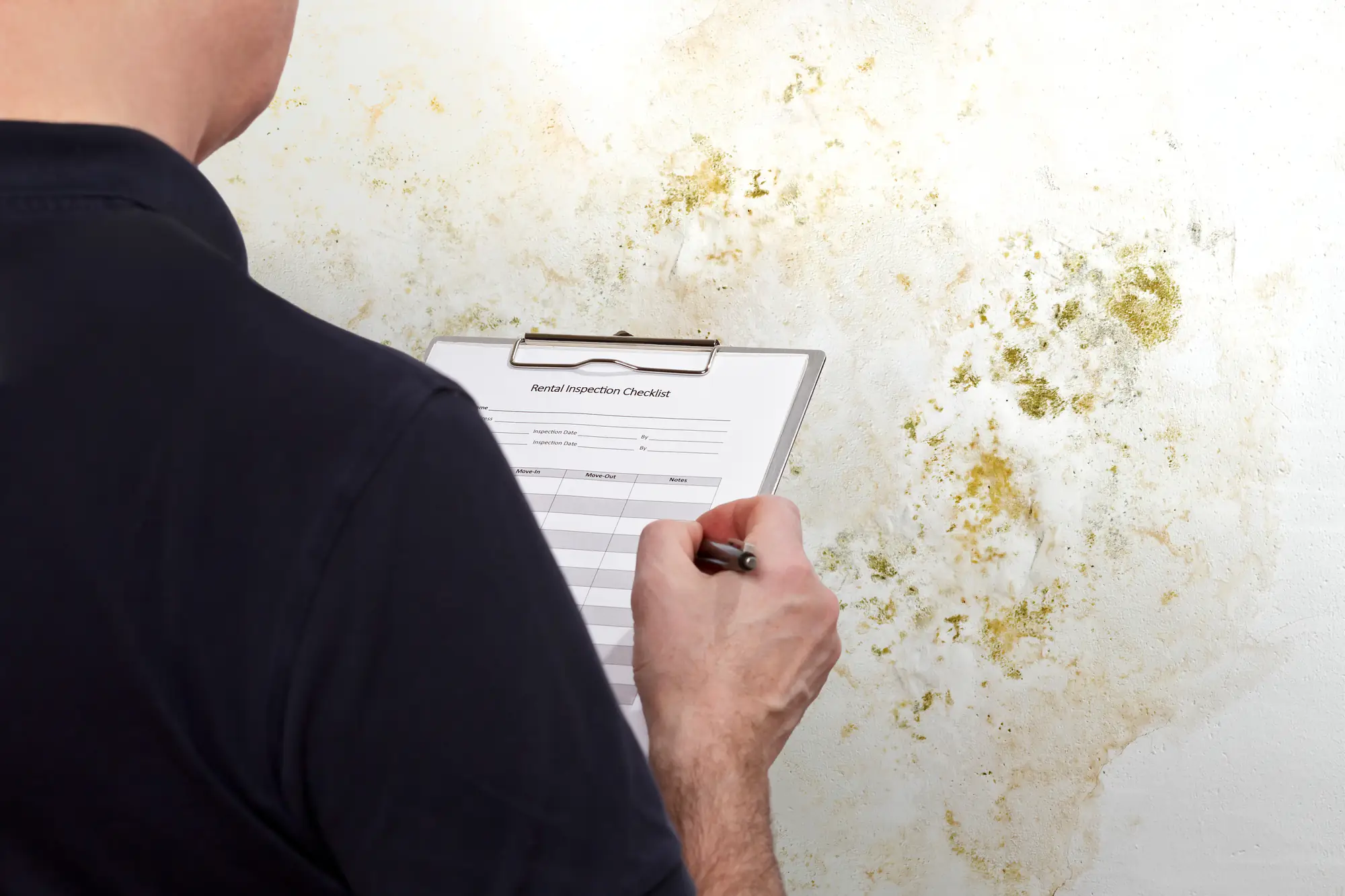
You can’t fix what you can’t see. That’s the problem with mold in Pineville homes—it hides in crawl spaces, behind walls, under floors, and in attics where moisture sits unnoticed for months.
A professional mold inspection gives you the full picture. We use detection equipment that measures what’s in your air and on your surfaces, not just what’s visible. You get a detailed report that tells you what type of mold is present, where it’s growing, and what needs to happen next.
This matters whether you’re buying, selling, or just trying to protect your family’s health. Mold doesn’t wait. It spreads fast, damages materials, and creates health risks for anyone with allergies or respiratory issues. Early detection stops small problems from becoming expensive ones. It also protects your property value—homes with documented mold issues lose buyer interest and resale potential fast.
We’ve served Bucks County homeowners for nearly three decades. We understand how Pennsylvania’s climate—rising precipitation, humid summers, aging home construction—creates the perfect conditions for mold growth.
Pineville sits in an area where older homes are common. Many were built decades ago with construction methods that didn’t account for modern moisture control. Basements leak, crawl spaces trap humidity, and shifting soil creates cracks that let water in. We’ve inspected hundreds of homes here, and we know what to look for.
Our team uses independent NACHI-certified labs for testing. We don’t remediate and inspect under the same roof—that keeps our findings unbiased and our recommendations honest. You get clear answers, not a sales pitch.
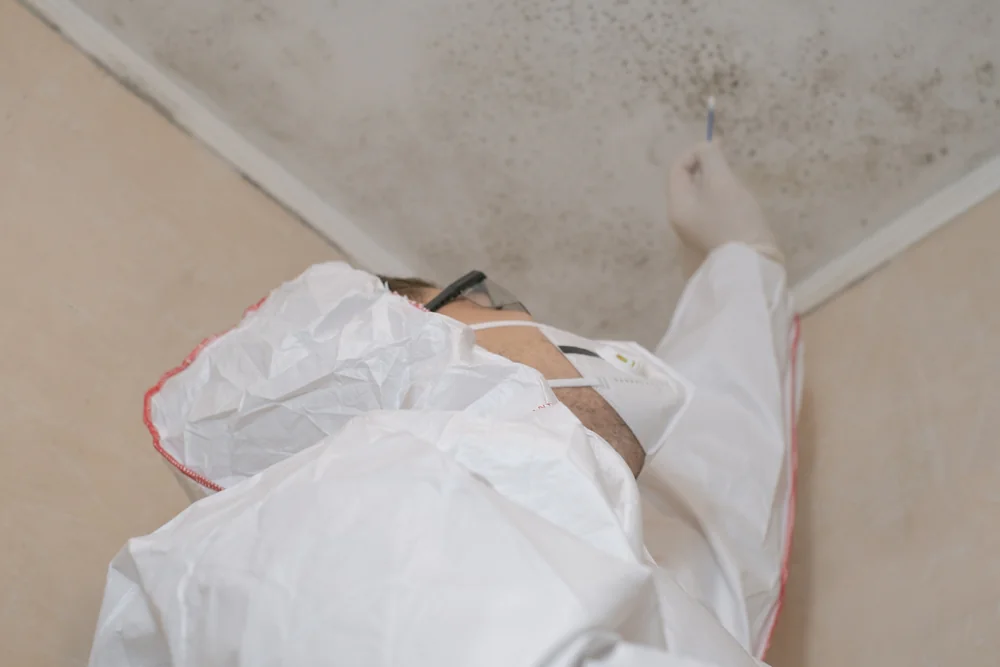
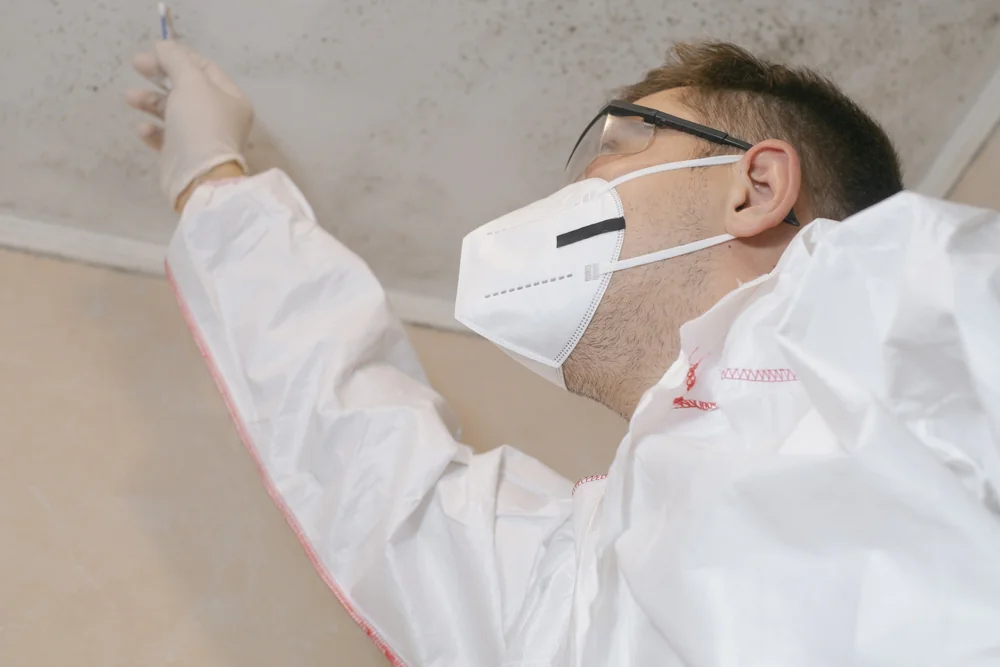
We start with a visual assessment of your property. That means checking basements, attics, crawl spaces, bathrooms, and anywhere moisture tends to collect. We’re looking for visible mold, water stains, condensation, and structural issues that signal a problem.
Next, we test the air and surfaces. Air samples tell us what spores are floating around that you can’t see. Surface samples confirm what’s growing on walls, floors, or materials. We send everything to an independent lab that identifies mold types and concentration levels.
You receive a detailed report within a few days. It explains what we found, where the mold is located, and what conditions are feeding it. If remediation is needed, we walk you through the scope of work and what it’ll take to fix it. If it’s minor, we’ll tell you that too. No exaggeration, no upselling—just honest guidance based on what the testing shows.

Ready to get started?
Every mold inspection we do in Pineville includes a full property walkthrough, air quality testing, surface sampling, and lab analysis. We don’t skip steps or rush through the process. This isn’t a quick visual check—it’s a comprehensive evaluation designed to catch problems before they spiral.
Bucks County homes face specific challenges. About 50% of homes in the U.S. have damp conditions that support mold growth, and Pennsylvania’s recent 5-10% increase in precipitation makes that worse here. Pineville properties—especially older ones—are prone to basement moisture, subfloor dampness, and ventilation issues that trap humidity indoors.
We also provide guidance on what’s causing the mold in the first place. Maybe it’s a leaky pipe, poor drainage, or inadequate airflow. Knowing the source helps you prevent future growth. And if you’re buying or selling, our inspection gives you the documentation you need to move forward confidently. In Bucks County, mold is one of the most common deal-breakers in real estate transactions. Getting ahead of it protects your investment.
You need an inspection if you see visible mold, smell musty odors, or have had water damage in the past year. Even if nothing’s obvious, an inspection makes sense if you’re buying a home, dealing with unexplained allergies, or living in an older property.
Mold grows in places you can’t see. It thrives in dark, damp areas like crawl spaces, behind drywall, and under flooring. By the time it’s visible, it’s usually been growing for a while. Testing catches it early, before it spreads and becomes a bigger problem.
If you’re in Pineville and your home was built decades ago, the risk is higher. Aging construction, shifting foundations, and outdated moisture barriers create conditions where mold takes hold quickly. An inspection gives you peace of mind or a clear action plan.
A mold inspection is the full evaluation—visual assessment, air sampling, surface testing, and lab analysis. Mold testing refers specifically to the samples we collect and send to the lab. The inspection is the complete service; testing is one part of it.
During the inspection, we look at your entire property to identify problem areas. We check for water damage, condensation, poor ventilation, and visible growth. Then we collect samples from the air and surfaces to confirm what’s present and how concentrated it is.
Testing alone won’t tell you where the mold is coming from or what’s causing it. The inspection does. That’s why we always do both—it gives you the full picture and the information you need to fix the problem at its source.
Most mold inspections in Pineville range between $300 and $600, depending on the size of your property and how many samples we need to collect. Larger homes or properties with multiple problem areas cost more because they require additional testing.
We provide an accurate quote upfront after a brief conversation about your property. No surprises, no hidden fees. The cost of an inspection is small compared to what you’ll pay if mold goes undetected—remediation can run anywhere from $1,220 to $3,750 or more, depending on the extent of the damage.
If you’re buying a home, the inspection is worth it. Mold is one of the top deal-breakers in Bucks County real estate. Catching it before closing protects your investment and gives you leverage to negotiate repairs or pricing.
You can, but DIY kits don’t give you the full story. They might tell you mold is present, but they won’t tell you what type, how much, or where it’s coming from. And they definitely won’t identify hidden mold growing inside walls or under floors.
Professional mold detection uses calibrated equipment and independent lab analysis. We measure spore concentration in the air, test multiple surfaces, and evaluate conditions throughout your home. That level of detail helps you understand the scope of the problem and what needs to be done.
DIY kits also don’t come with expert interpretation. If the test comes back positive, you’re left guessing about next steps. A professional inspection gives you a clear report, honest recommendations, and a plan to move forward. It’s the difference between a vague warning and actionable information.
Most inspections take between one and three hours, depending on the size of your home and how many areas we need to evaluate. Larger properties or homes with multiple moisture issues take longer because we’re thorough.
We don’t rush. A proper inspection means checking every area where mold is likely to grow—basements, attics, crawl spaces, bathrooms, kitchens, and anywhere water damage has occurred. We also take time to collect air and surface samples correctly so the lab results are accurate.
After the inspection, you’ll receive a detailed report within a few days. It includes lab results, photos, and our recommendations. If you have questions, we walk you through everything so you understand what’s happening and what your options are.
If we find black mold—or any mold that poses a health risk—we document it, test it, and give you a clear remediation plan. Black mold gets a lot of attention, but the truth is that any mold growing indoors is a problem. What matters is the type, the concentration, and how it’s affecting your air quality.
Our lab results tell us exactly what we’re dealing with. If remediation is necessary, we explain the scope of work, the timeline, and what it’ll cost. We’re IICRC-certified, which means we’re trained to contain mold, remove it safely, and disinfect affected areas without spreading spores to other parts of your home.
In Pineville, black mold often shows up in basements and crawl spaces where moisture levels stay high. The key is catching it early. The longer it grows, the more damage it does to your property and the more expensive it becomes to fix. An inspection gives you the information you need to act before it gets worse.
Other Services we provide in Pineville