
Hear from Our Customers
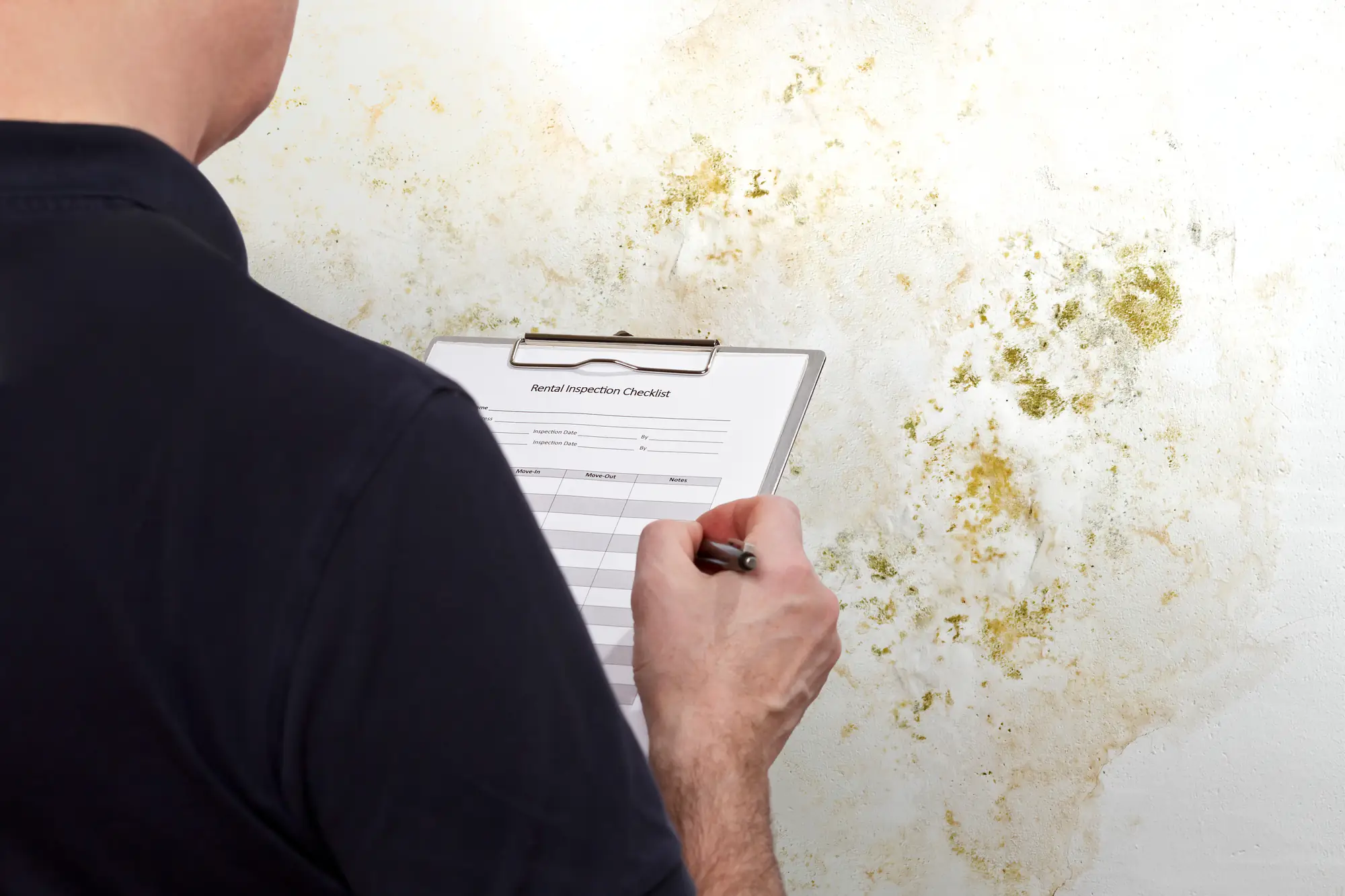
You’re not dealing with a $15,000 remediation bill because the problem spread behind your walls for two years. You’re not watching a buyer walk away three days before closing because the inspector found something you didn’t know was there. You’re not wondering if your kid’s asthma is actually a ventilation problem.
Early mold detection means you know exactly what you’re dealing with, where it is, and what it’ll take to fix it. No guessing. No worst-case-scenario panic at 5 PM on a Friday.
Most homeowners in Richboro don’t realize mold is there until it’s already affecting their health or their property value. By then, you’re not preventing a problem—you’re managing damage. A professional mold inspection gives you the full picture before things get expensive or complicated.
That matters more than you think. Most mold companies make money by finding problems and then selling you the fix. We don’t do remediation, duct cleaning, or contracting work. We just test. That means our only job is to tell you the truth about what’s in your home.
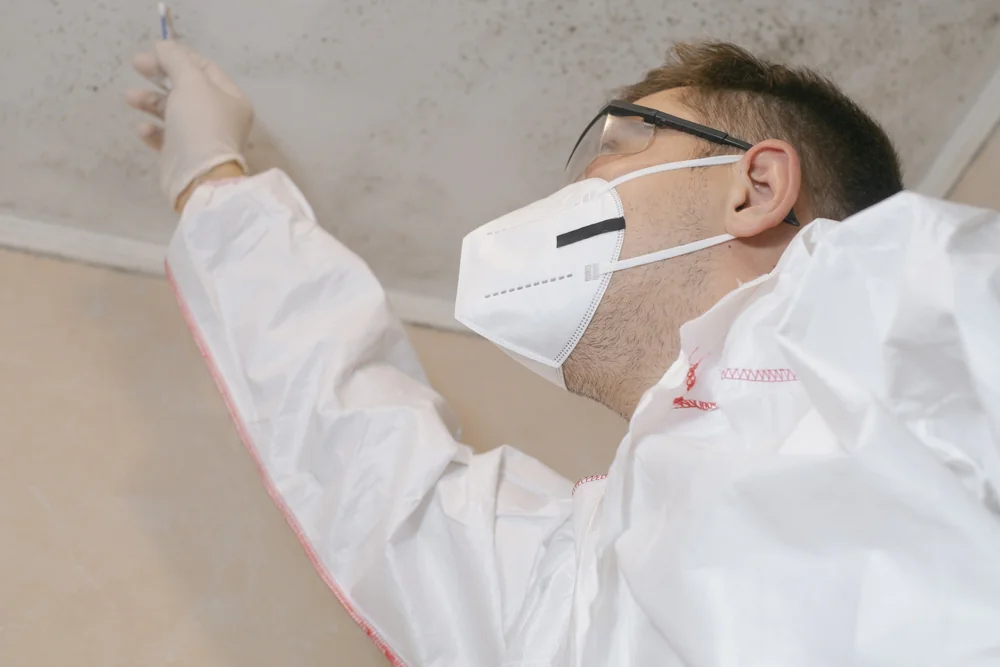
We’ve been serving Richboro and Bucks County with licensed, insured environmental inspections for years. We use infrared cameras, digital moisture meters, and lab-grade air sampling to find mold you can’t see—and give you results you can actually use.
Bucks County’s humid summers and older housing stock create the perfect conditions for mold growth. We know where to look, what to test, and how to interpret results in a way that actually helps you make decisions.
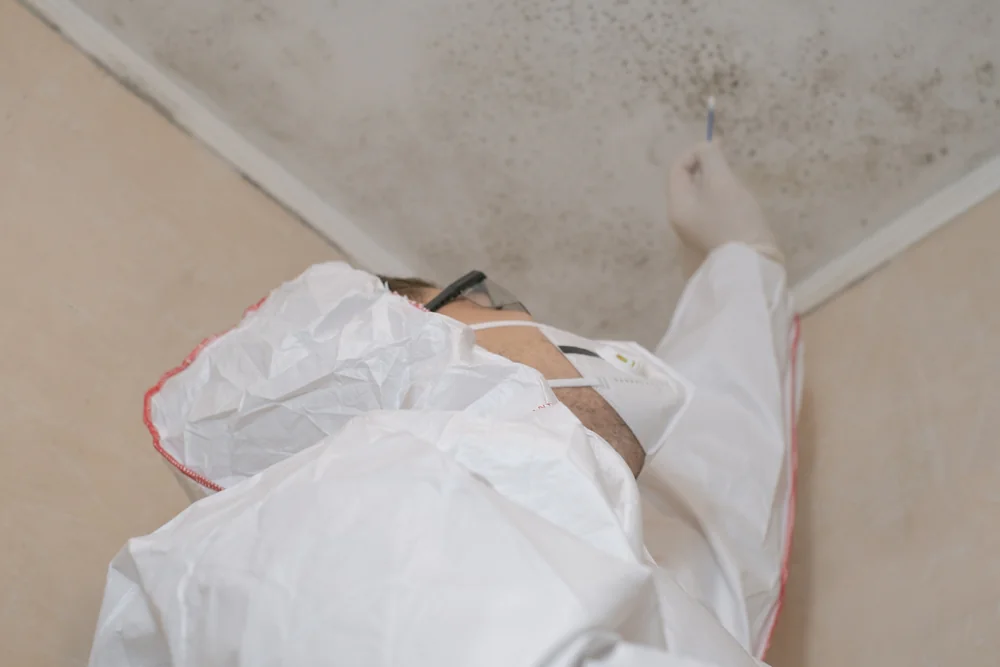
We start with a visual assessment of your property—attics, basements, crawl spaces, anywhere moisture tends to hide. We’re looking for active growth, water damage, ventilation issues, and conditions that support mold.
Then we use moisture meters and infrared cameras to check areas you can’t see. Mold grows behind drywall, under flooring, inside HVAC systems. If there’s hidden moisture, we’ll find it.
We take air samples and surface samples depending on what we find. Those samples go to a certified lab for analysis. You get a full report that tells you what species of mold are present, at what concentration, and whether they pose a health risk. We also document everything with photos and notes so you have a complete record.
The whole process usually takes a few hours. You’ll have lab results within a few days, and we’ll walk you through what they mean and what your options are. No upselling. No scare tactics. Just clear information.

Ready to get started?
You get a licensed inspector who knows Bucks County homes—the common problem areas, the construction styles that trap moisture, the basements that flood every spring. Local knowledge matters when you’re trying to find hidden contamination.
You get lab analysis from a certified facility, not a pass/fail kit from a hardware store. The report identifies specific mold species, spore concentrations, and health risks. That level of detail matters if you’re dealing with insurance, real estate, or a health issue that won’t go away.
You also get documentation you can use. If you need to file a claim, negotiate a sale price, or hire a remediation company, you’ll have professional findings with photos and data. Pennsylvania doesn’t require mold contractor certification, which means anyone can claim they know what they’re doing. A third-party inspection protects you from companies that either miss problems or exaggerate them to make a sale.
And if your inspection is related to a covered event like a burst pipe, your homeowner’s insurance may cover the cost. We can help you understand your coverage and provide the documentation your insurer needs.
If you’re smelling something musty that won’t go away, that’s reason enough. Same if you’ve had water damage—even if it was months ago. Mold doesn’t need a lot of time to establish itself after a leak or flood.
You should also consider an inspection if you’re experiencing health symptoms that improve when you leave the house. Headaches, respiratory issues, sinus problems, skin irritation—these can all be signs of mold exposure. Sometimes your body gives you warning signs before you ever see visible growth.
If you’re buying or selling a home in Richboro, an inspection protects everyone. Buyers want to know what they’re getting into. Sellers want to avoid last-minute surprises that kill deals. Mold is one of the most common deal-breakers in Bucks County real estate, but it doesn’t have to be if you address it early and transparently.
You can, but you’re probably not going to get useful information. Those kits tell you mold is present—which is true in almost every home. They don’t tell you what kind, how much, or whether it’s actually a problem.
Professional testing uses calibrated equipment and lab analysis to measure spore concentrations in your air and identify specific species. Some molds are relatively harmless. Others produce toxins that cause serious health issues. A $10 kit can’t tell you the difference.
DIY kits also miss hidden contamination. If mold is growing behind a wall or under your flooring, a surface test won’t catch it. We use air sampling, moisture meters, and infrared cameras to find problems in places you can’t see. That’s the contamination that ends up costing you thousands if it goes undetected.
Most inspections run a few hundred dollars depending on the size of your property and how many samples we need to take. That’s a fraction of what you’ll pay if mold spreads and you’re looking at full remediation.
Undetected mold can reduce your home value by 20-37%. Remediation costs typically range from $3,000 to $20,000 if the problem gets out of hand. An early inspection saves you money by catching issues before they become expensive.
If your inspection is related to a covered event—like a burst pipe or storm damage—your homeowner’s insurance may cover the cost. We can help you figure out your coverage and provide documentation for your claim. Either way, the cost of knowing what you’re dealing with is a lot less than the cost of guessing wrong.
You get a detailed report that tells you exactly what’s there, where it is, and what kind of risk it poses. Then you decide what to do next. We don’t remediate, so we’re not trying to sell you a fix. We just give you the information.
If it’s a small problem, you might be able to handle it yourself with proper cleaning and ventilation improvements. If it’s more extensive, you’ll need a remediation company. Either way, you’ll know what you’re dealing with and can get accurate quotes based on real data.
The report also gives you leverage. If you’re buying a home, you can negotiate repairs or a price reduction. If you’re selling, you can address the issue before it derails your deal. If you’re filing an insurance claim, you have professional documentation to support it. Knowledge puts you in control.
The inspection itself usually takes a few hours depending on the size of your property. We’re thorough because we’re looking in places most people don’t think to check—attics, crawl spaces, behind appliances, inside HVAC systems.
Lab results typically come back within 3-5 business days. Once we have them, we’ll walk you through the findings and explain what they mean in plain language. No jargon. No runaround. Just clear information about what’s in your home and what your options are.
If you’re dealing with a time-sensitive situation—like a real estate closing or an urgent health concern—let us know. We can often expedite lab processing or provide preliminary findings based on the visual inspection and moisture readings while we wait for the full analysis.
Yes. If you’ve just discovered a major leak, had a pipe burst, or found visible mold growth that’s spreading, we can get someone out quickly. Mold starts growing within 24-48 hours of water exposure, so time matters.
We’re available 24/7 for emergency situations because we know problems don’t wait for business hours. The sooner you get an accurate assessment, the sooner you can start addressing the issue and prevent it from getting worse.
Even if it’s not an emergency, we try to schedule inspections quickly. Most homeowners who call us have been dealing with symptoms, smells, or concerns for a while. You shouldn’t have to wait weeks to get answers about what’s happening in your own home.
Other Services we provide in Richboro