
Hear from Our Customers

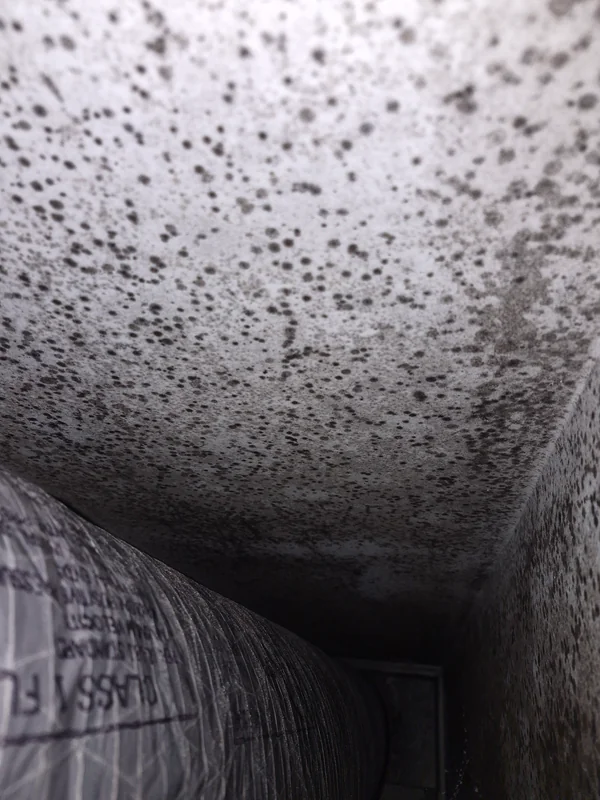
Most duct cleaning companies hand you a receipt and leave. What you actually want to know is whether the problem is gone especially if you’ve noticed a musty smell when the heat or AC kicks on, or if you’ve already had mold addressed somewhere else in the house. That lingering doubt is exactly what we eliminate. After the work is done, affected areas are tested to confirm the mold is gone, not just disturbed and redistributed. That’s a level of documentation that matters here particularly if you’re in the middle of a real estate transaction or simply protecting a home you’ve invested significantly in.
For Richboro homeowners specifically, the stakes are higher than average. The clay-heavy soil across central Bucks County doesn’t drain it holds moisture against foundations and pushes it through basement walls over time. When your air handler sits in a damp basement and your HVAC system runs through humid Bucks County summers, the ductwork becomes one of the most vulnerable spots in the house. Cleaning it without understanding that moisture pathway doesn’t solve the problem. Understanding it and addressing it with certified mold remediation training does.
Whether you’re in Village Shires, along Second Street Pike, or in one of the older splits off Upper Holland Road, the combination of aging ductwork and Bucks County’s above-average rainfall creates real conditions for mold growth inside your HVAC system. The outcome you’re looking for isn’t just “cleaned.” It’s confirmed, documented, and done right.
We’ve been working in Bucks County for over 15 years, and Richboro is not new territory. The older housing stock here stone foundations, below-grade family rooms, 1970s flex duct connections creates moisture conditions that a general HVAC cleaner simply isn’t trained to recognize. We bring certified mold inspection and remediation credentials to every job, which means when mold is found inside your ductwork, it’s handled with containment protocols, not just a vacuum.
Our team has worked in homes from Holland Road to Second Street Pike and understands what Bucks County’s clay soil and creek-adjacent geography do to the mechanical systems inside these houses over time. That’s not something you pick up from a training manual it comes from years of showing up to Richboro homes and seeing the same patterns repeat. When you call, you’re reaching a company that has already seen what your home is likely dealing with.

It starts with a free inspection. Before anything is cleaned or quoted, we look at the system not just the registers you can see, but the interior duct sections, the air handler, and the areas most likely to harbor mold given your home’s age and layout. In Richboro’s 1970s and 1980s homes, that often means paying close attention to basement-level components where moisture from clay soil and seasonal groundwater has had decades to work its way in. You get upfront pricing before any work begins, and that number doesn’t change.
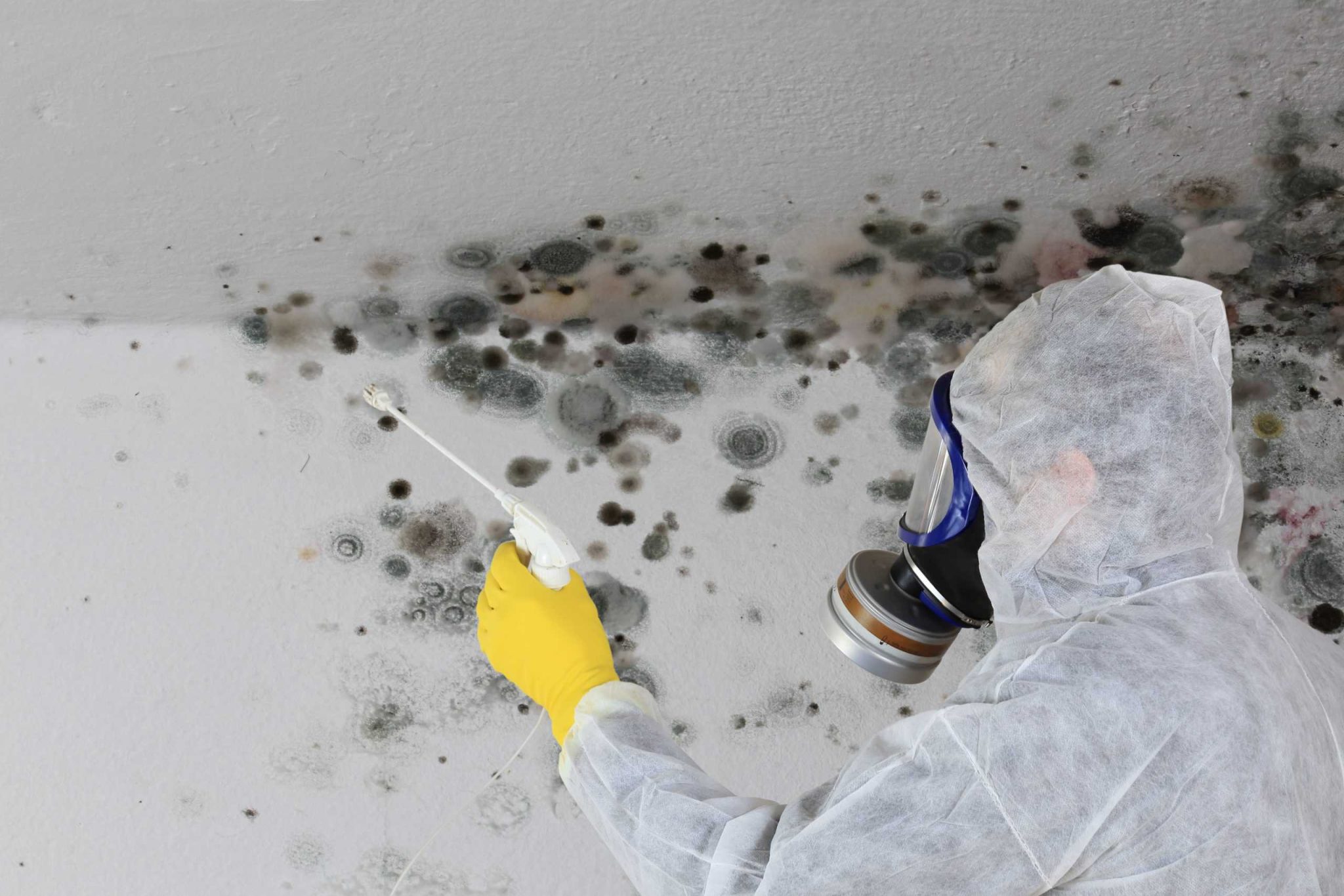
Once the inspection is done and you’ve decided to move forward, our cleaning process uses professional-grade equipment the kind that creates negative air pressure inside the duct system so that whatever comes loose gets captured, not recirculated through your home. If mold is present, we apply containment protocols before anything is disturbed. This matters. Disturbing mold inside ductwork without proper containment spreads spores to every room the system serves. A general duct cleaner who skips this step can make the situation significantly worse.
After the cleaning is complete, we test the affected areas to verify the results. You receive documentation not just a verbal assurance. For homeowners in Richboro’s active real estate market, where homes are selling at significant price points and buyers are increasingly requesting air quality records, that documentation carries real weight.
Ready to get started?
Air duct cleaning is our core service, but it doesn’t exist in isolation. We also handle dryer vent cleaning and air duct sanitizing both of which matter specifically in Richboro’s housing stock. In Village Shires townhomes and condominiums, dryer vent runs are often longer than in single-family homes, routed through shared walls or exhausted through rooftop vents rather than direct side-wall exits. That configuration means lint accumulates faster and in sections you can’t inspect from the laundry room. The NFPA reports over 15,000 dryer-related house fires annually in the U.S., with failure to clean vents as the leading cause. In a community of 1,593 homes where many share walls and mechanical chases, that’s not a statistic to ignore.
Air duct sanitizing is a separate step from mechanical cleaning and an important one when mold is involved. Cleaning removes the physical debris and biological matter. Sanitizing applies an antimicrobial treatment to the interior duct surfaces to address what cleaning alone can’t fully eliminate. For Richboro homes that have experienced basement moisture, flooding near Neshaminy Creek tributaries, or simply years of humid Bucks County summers, this additional step is often what separates a temporary fix from a lasting one.
We also work directly with insurance companies when mold-related HVAC damage is part of a larger claim a service that becomes relevant quickly when water damage or flooding is involved. Financing is available for homeowners who need flexibility on timing.
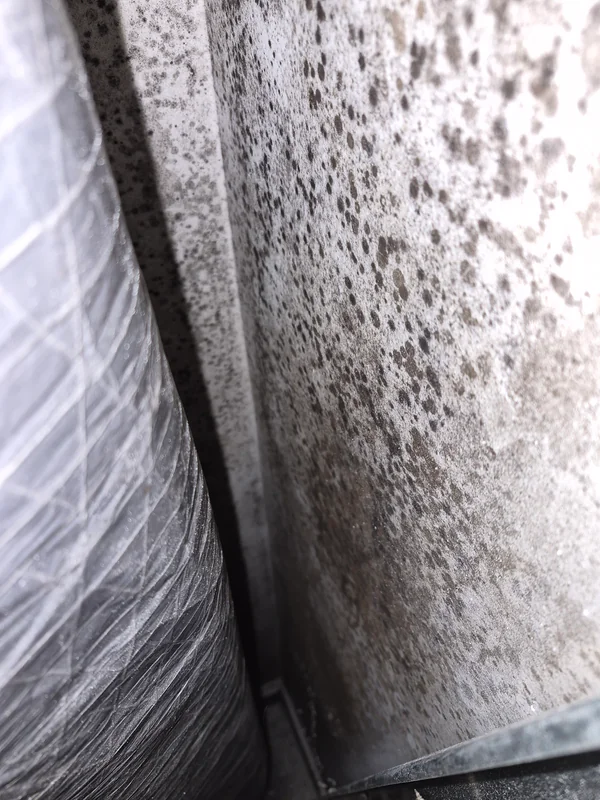
The most common sign is a musty smell that appears specifically when your HVAC system turns on and then fades once the air stops moving. That pattern points to something inside the ductwork or air handler, not a surface issue elsewhere in the house. You might also notice that allergy or respiratory symptoms seem worse indoors than outside, or that they’ve gradually worsened over a season without an obvious cause.
In Richboro’s older homes particularly those built in the 1970s and 1980s the risk is higher than in newer construction. Below-grade family rooms, aging flex duct connections, and air handlers sitting in basements that are subject to moisture from Bucks County’s clay soil all create the conditions mold needs to establish itself inside a duct system. Visible discoloration near supply registers is a later-stage sign. By the time you can see it at the vent, the growth inside the system has usually been developing for a while. A professional inspection is the only way to know for certain what’s actually inside the ductwork.
The honest answer is: it depends on why you’re asking. The EPA’s position is nuanced routine cleaning in the absence of a specific problem has unclear benefits. But the EPA explicitly recommends cleaning when mold is confirmed inside the system, when there’s evidence of pest or rodent activity in the ducts, or when substantial debris is blocking airflow. Those aren’t edge cases. They’re exactly the situations that come up regularly in Richboro’s aging housing stock.
If you’ve had mold remediated elsewhere in your home and haven’t had the HVAC system inspected, the ductwork is one of the most logical next questions. Mold spores travel through air. A system that was running while mold was active somewhere in the house has likely been pulling those spores through the return and distributing them. Cleaning the walls and leaving the ducts untouched doesn’t complete the job. For homes in Richboro where moisture conditions are a known factor clay soil, creek-adjacent geography, humid summers air duct cleaning in the right circumstances is genuinely worth it.
Cleaning and sanitizing are two different steps that address two different problems. Mechanical cleaning uses professional equipment to physically remove dust, debris, and biological matter from inside the duct system. It gets the material out. Sanitizing applies an antimicrobial treatment to the interior duct surfaces after cleaning it addresses residual biological contamination that cleaning alone doesn’t fully eliminate.
When mold is involved, you typically need both. Cleaning without sanitizing leaves treated surfaces that may still carry mold spores or residue. Sanitizing without cleaning first is applying a treatment on top of debris, which limits its effectiveness. For Richboro homes that have experienced basement moisture events, seasonal flooding near Neshaminy Creek tributaries, or simply years of high indoor humidity during Bucks County summers, the combination of both steps is what produces a durable result rather than a temporary one. We’ll tell you during the inspection which steps are actually warranted for your specific system not every job requires the full scope, and you won’t be pushed toward services you don’t need.
It affects it in a few meaningful ways. Homes built in the late 1970s and early 1980s which includes a significant portion of Richboro’s housing stock, including the majority of Village Shires were installed with ductwork that was designed with a 15 to 25 year service life in mind. That ductwork is now 40 to 50 years old. Original flex duct connections degrade over time, insulation materials absorb moisture, and early-generation HVAC systems weren’t designed with the same moisture control standards that newer systems use.
In practice, this means older Richboro homes often have ductwork in sections that are harder to access, more prone to debris accumulation, and more likely to have developed biological growth in areas that aren’t visible from the registers. Our inspection process for a home of this era takes that into account. We’ve been working in Bucks County’s 1970s and 1980s housing stock long enough to know where the problem spots tend to appear and what equipment is needed to address them properly including in the compressed duct configurations common in townhomes and condominiums.
The general industry recommendation is every three to five years for a typical home without specific issues. But that baseline shifts depending on your home’s conditions and in Bucks County, several factors push toward the more frequent end of that range. Bucks County receives approximately 49 inches of rain annually, well above the national average of 38 inches. Indoor humidity during summer months can reach 75 to 80 percent without active dehumidification. Both of those conditions accelerate the rate at which moisture accumulates in HVAC components.
For Richboro homes specifically particularly those near Neshaminy Creek or its tributaries, or those with below-grade mechanical spaces subject to seasonal groundwater the practical answer is to have the system inspected every two to three years rather than waiting for visible signs of a problem. If you’ve recently had any water intrusion, a basement moisture event, or mold discovered anywhere in the house, that’s a trigger for inspection regardless of when the last cleaning occurred. Waiting for symptoms to appear means the system has already been distributing the problem for some time.
Yes and it’s more of a risk in townhome configurations than in standalone single-family homes. The NFPA reports roughly 15,970 dryer-related house fires per year across the U.S., with failure to clean the vent as the leading cause. In a Village Shires townhome or condominium, dryer vent runs are frequently longer than in detached homes, and they’re often routed through shared walls or exhausted through rooftop vents rather than directly through an exterior wall. Longer runs accumulate lint faster, and the bends and transitions required in those configurations create additional restriction points where lint builds up.
The risk compounds when dryers are run for longer cycles to compensate for reduced airflow which is exactly what happens when a vent is partially blocked. Homeowners often interpret longer drying times as an appliance issue rather than a venting issue, and the dryer continues to run hot against a restricted vent. In a shared-wall structure where a fire in one unit affects adjacent units, this isn’t just a personal property risk. Dryer vent cleaning in a townhome or condo context is a straightforward service with a real safety outcome and in Richboro’s older planned communities, it’s one that doesn’t get scheduled nearly as often as it should.
Other Services we provide in Richboro