
Hear from Our Customers
You’re not buying peace of mind. You’re buying answers.
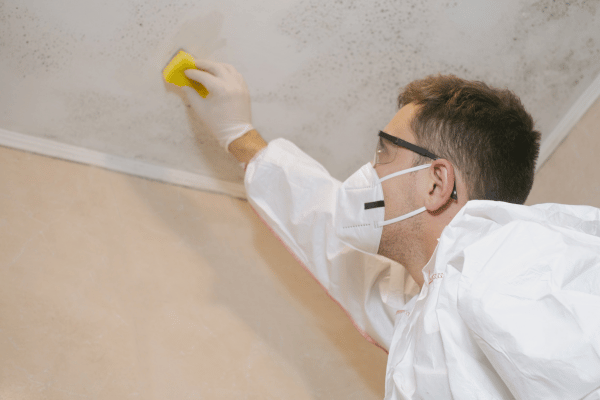
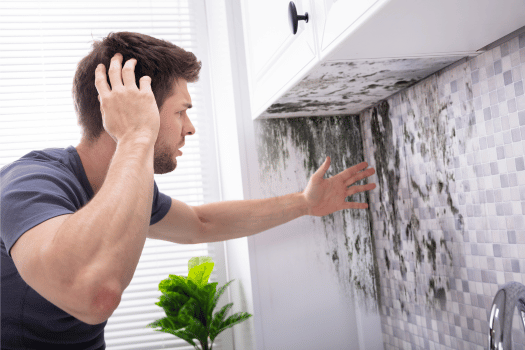
A proper home mold inspection tells you exactly what’s growing, where it’s hiding, and what caused it. That matters because mold doesn’t just sit there—it spreads. And the longer it goes undetected, the more it costs to fix.
Revere’s climate doesn’t help. Cold winters, humid summers, and higher-than-average precipitation create the exact conditions mold loves. Basements stay damp. Attics trap moisture. HVAC systems circulate spores you can’t see.
Early detection cuts your repair costs by more than half. It also stops the health symptoms that come with prolonged exposure—the constant sinus pressure, the allergies that won’t quit, the fatigue that lifts when you leave the house. If you’re buying a home, it protects you from inheriting someone else’s expensive problem. If you’re selling, it keeps a small issue from tanking your deal.
We’ve been serving Bucks County since 2006. We’re not a franchise. We’re a local business that shows up, does the work, and sticks around if something needs fixing.
Our team includes an HVAC technician and a master plumber—not just a guy with a moisture meter. That means we don’t just find mold. We find why it’s there. Leaking ductwork. Failed vapor barriers. Plumbing issues you didn’t know existed.
We use thermal imaging and infrared moisture mapping to see what’s happening inside your walls. And because we’re licensed in Pennsylvania to conduct professional mold assessments, you’re getting a real evaluation—not a sales pitch disguised as an inspection.
First, we walk through your property and look at the areas most likely to have issues—basements, crawl spaces, attics, bathrooms, and anywhere you’ve had water damage or notice symptoms.
We use thermal imaging to detect temperature differences that indicate moisture. Then we map it with infrared technology to see exactly where the problem is, even if it’s behind drywall or under flooring. If we find visible mold or high moisture levels, we take air samples to identify the type and concentration of spores.
Most inspections are done in under 24 hours. You get a full report that explains what we found, where the moisture is coming from, and what needs to happen next. If remediation is needed, we give you a clear plan. If it’s minor, we tell you that too.
No upselling. No scare tactics. Just the information you need to make a smart decision about your property.
Ready to get started?
You get a full visual assessment of your property, including areas that don’t get checked in a standard home inspection. We examine HVAC systems, plumbing, insulation, and ventilation—the systems that either prevent mold or feed it.
We use moisture meters, thermal cameras, and air sampling equipment to give you accurate data. Not guesses. If black mold or other toxic varieties are present, the lab results will tell you exactly what you’re dealing with.
In Revere and throughout Bucks County, we see the same patterns. Older homes with poor ventilation. Finished basements that weren’t waterproofed correctly. Bathrooms without proper exhaust fans. Attics with inadequate insulation that trap condensation all winter. These aren’t rare problems—they’re common. And they’re fixable if you catch them early.
The inspection also includes a written report you can share with buyers, sellers, insurance companies, or contractors. It’s documentation that holds up because it’s done to Pennsylvania’s licensing standards.
Most mold inspections in Revere run between $300 and $600, depending on the size of your property and how many areas need testing. That’s significantly less than what you’d pay if mold spreads undetected.
For context, small mold remediation projects start around $500 to $1,500. Severe cases can run over $6,000. Catching it early with an inspection saves you from those bigger bills.
In some cases, the seller covers the cost if the inspection is requested during a real estate transaction. Homeowner’s insurance may also cover it if the mold resulted from a covered event like a burst pipe. It’s worth checking your policy or asking your agent before assuming you’re paying out of pocket.
A mold inspection is a visual assessment of your property to identify mold growth, moisture problems, and conditions that support mold. Mold testing involves taking air or surface samples and sending them to a lab to identify the specific type and concentration of mold spores.
Most inspections include testing if we find visible mold or elevated moisture levels. Testing alone won’t tell you where the moisture is coming from or how to fix it—that’s what the inspection handles.
If you’re experiencing health symptoms, buying a home, or dealing with a musty smell you can’t locate, you want both. The inspection finds the problem. The testing confirms what’s growing and whether it’s a health risk. Together, they give you the full picture.
You can, but it won’t give you useful information. DIY kits detect mold spores in the air, which exist in every home. They don’t tell you if the levels are dangerous, what type of mold it is, or where it’s coming from.
More importantly, they can’t see inside walls, under floors, or in HVAC ducts—the places where mold actually causes damage. You might get a positive result and still have no idea what to do next.
A professional inspection uses calibrated equipment and lab-grade analysis. We don’t just tell you mold is present. We show you where the moisture source is, what’s feeding the growth, and how to stop it. That’s the difference between spending $20 on a kit that creates more questions and spending a few hundred on answers that actually help.
Most residential mold inspections take between one and three hours, depending on the size of your home and how many areas we’re evaluating. Larger properties or homes with multiple moisture concerns take longer.
We don’t rush it. Finding mold isn’t just about spotting discoloration on a wall. It’s about checking airflow, testing humidity levels, inspecting crawl spaces, and using thermal imaging to detect hidden moisture. That takes time if it’s done right.
After the inspection, lab results usually come back within 24 to 48 hours. Once we have those, we put together your full report and walk you through what we found. If you need remediation, we can usually start within a few days.
Not usually. Standard home inspections cover structural issues, electrical systems, and major appliances. They’re not designed to detect hidden mold or measure indoor air quality.
Inspectors might note visible water stains or musty odors, but they won’t use moisture meters or air sampling equipment. They also won’t check inside HVAC ducts, behind finished walls, or under insulation—the areas where mold grows undetected.
If you’re buying a home in Revere or anywhere in Bucks County, a separate mold inspection is worth it. Pennsylvania’s wet climate and older housing stock make mold common. A $400 inspection now can save you from discovering a $5,000 remediation bill after closing. That’s not a scare tactic. It’s just math.
If we find mold, you get a detailed report that explains what type it is, where it’s located, and what’s causing it. From there, you have options.
Small areas of surface mold can sometimes be cleaned and monitored. Larger infestations or toxic mold like black mold require professional remediation. We’ll give you a clear scope of work and an honest cost estimate so you know exactly what you’re dealing with.
If you’re in the middle of a real estate transaction, the inspection report gives you leverage to negotiate repairs or a price reduction. If you’re a homeowner, it gives you a roadmap to fix the problem before it gets worse. Either way, you’re not guessing. You’re making decisions based on real data.
Other Services we provide in Revere