
Hear from Our Customers
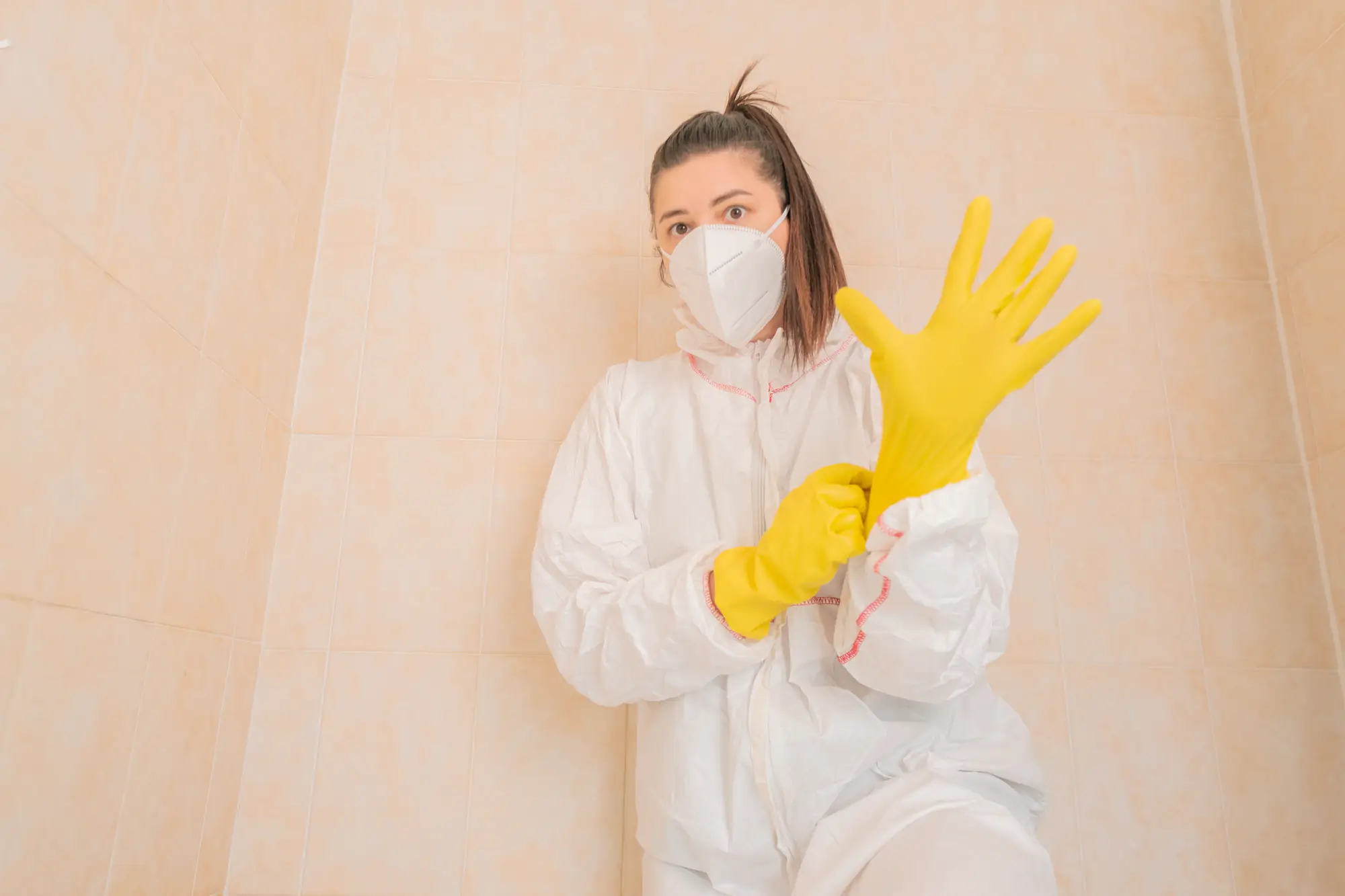
You stop worrying about what’s growing behind your walls. Your family breathes easier—literally. No more musty smell when you walk into the basement or that back bedroom.
Here’s what actually changes: your home value doesn’t tank when it’s time to sell. You’re not scrambling to find documentation when a buyer’s inspector flags something. And you’re not paying twice because the first company only cleaned the surface and missed the leak.
Mold spreads fast in Revere’s humid climate, especially in older homes near the Delaware River. The longer it sits, the more it costs to fix. But when it’s removed correctly—containment, EPA-approved treatment, moisture control—it stays gone. That’s the difference between a quick fix and a real solution.
Mack’s Mold Removal has been serving Bucks County homeowners for years. We’re not a franchise following a script. We’re local mold removal specialists who know exactly where to look in Revere homes—whether it’s an older property with stone foundations or newer construction with ventilation issues.
Our team uses infrared cameras, moisture meters, and thermal imaging to find mold you can’t see. We work with certified labs for species identification, not just pass/fail tests. And we document everything because we know you might need it for insurance or a sale down the road.
You’re hiring people who understand Pennsylvania’s mold regulations, Bucks County’s climate challenges, and what it actually takes to keep mold from coming back.
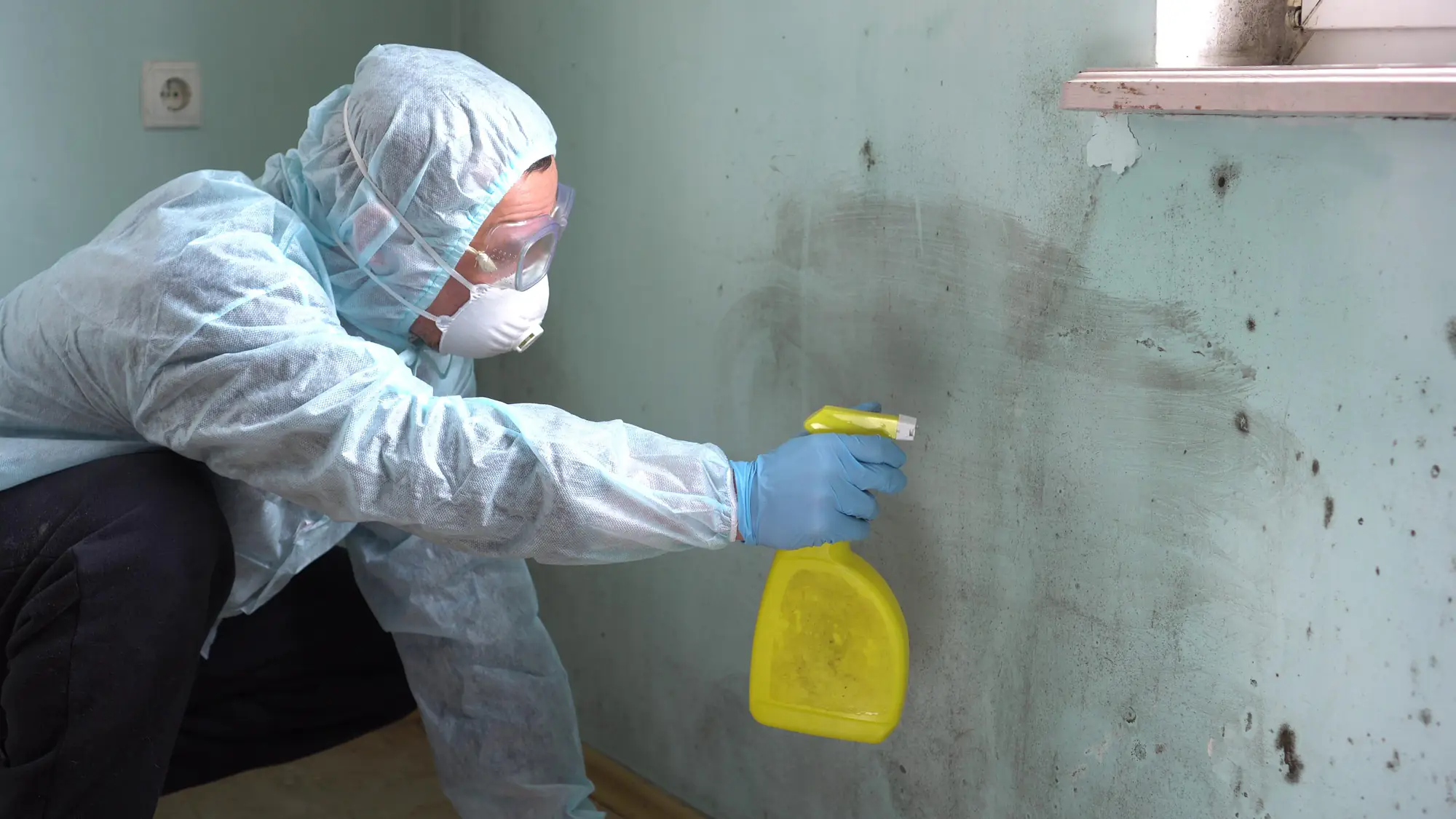
First, we inspect for free. We’re looking for visible mold, moisture sources, and hidden growth behind walls or under floors. We use detection equipment to map out the full scope before we quote anything.
Once you approve the estimate, we contain the area to prevent spores from spreading during removal. Then we remove contaminated materials and treat affected surfaces with EPA-approved solutions. This isn’t a spray-and-pray situation—we’re removing the mold at the source.
Next comes the critical part most companies skip: we identify and fix the moisture problem. Leaking pipe? Poor ventilation? Groundwater seepage? If we don’t address that, you’ll have mold again in six months. After remediation, we can arrange post-testing through an independent lab to confirm the air quality is back to normal.
You get documentation for everything—photos, moisture readings, lab results. Keep it for your records, your insurance company, or the next buyer.
Ready to get started?
You get a thorough inspection with moisture mapping and thermal imaging. We test air quality and take samples for lab analysis when needed—this identifies the specific mold species and concentration levels, which matters for health risks and treatment planning.
Remediation includes full containment setup, HEPA air filtration during the job, removal of affected materials, antimicrobial treatment, and proper disposal. We’re licensed and insured, and we follow Pennsylvania’s mold remediation standards to the letter.
Here’s what matters for Revere homeowners specifically: Bucks County has higher mold risk than most of Pennsylvania due to humidity and older housing stock. About 61.5% of PA schools have mold levels high enough to need remediation. Your home faces the same conditions. We also help with insurance claims documentation—most carriers want proof the mold came from a covered event and that you acted quickly. We provide that paper trail.
If you’re buying or selling, we can work on your timeline. Mold kills about half of home sales once buyers find out about it, and it can drop property value 20-37%. Getting ahead of it with professional documentation protects your investment.

It depends on the size of the affected area and what’s causing the moisture problem. Small jobs—like a contained area in a bathroom—might run $1,500 to $3,000. Larger infestations involving multiple rooms, crawl spaces, or structural repairs can range from $3,000 to $20,000 or more.
Here’s the thing: the longer you wait, the more it spreads, and the more it costs. Mold grows fast in humid conditions, which Bucks County has in spades. What starts as a small patch behind a toilet can turn into a whole-wall problem in weeks.
We give you a detailed estimate after the free inspection. No surprises, no hidden fees. And if insurance is involved, we’ll work with your adjuster and provide the documentation they need. Most policies cover mold if it’s caused by a sudden event like a burst pipe—not long-term neglect.
If you can see mold, smell it, or you’ve had water damage in the last year, you probably need a professional to at least inspect it. Small surface mold on a shower tile? You can handle that. Mold covering more than 10 square feet, or anything behind walls, under floors, or in your HVAC system? That’s beyond DIY.
Here’s what most people miss: visible mold is usually just part of the problem. The real issue is what’s behind the drywall or under the floorboards. We use moisture meters and infrared cameras to find hidden growth you’d never see on your own.
Also, if anyone in your house has asthma, allergies, or respiratory issues, don’t mess around. Mold exposure causes an estimated 4.6 million asthma cases in the U.S. You need proper containment and air filtration during removal, or you’re just spreading spores around while you scrub.
Sometimes. Most policies cover mold if it’s caused by a “covered peril”—like a burst pipe, storm damage, or appliance leak—and you took reasonable steps to address it quickly. They won’t cover mold from long-term humidity, poor maintenance, or flooding (that requires separate flood insurance).
The key is documentation. Insurance companies want proof: when did the water damage happen, what caused it, and what did you do about it? That’s where professional help matters. We document everything—photos, moisture readings, timeline, scope of damage.
We’ve worked with adjusters across Bucks County for years. We know what they’re looking for, and we can provide the detailed reports they need to process your claim. A lot of homeowners try to DIY first, then call us when insurance denies the claim because there’s no professional record of the original damage. Don’t make that mistake.
A small, contained job might take one to three days. Larger projects—especially if there’s structural work or extensive moisture issues—can take a week or more. It’s not just about scrubbing mold off surfaces. It’s about doing it right so it doesn’t come back.
Here’s the breakdown: inspection and testing happen first. Then containment setup, removal, treatment, and drying. If we’re fixing a leak or replacing drywall, that adds time. Post-testing through a lab adds another few days for results.
We’re not going to rush the job and leave you with a half-fixed problem. Most mold comes back because companies skip steps—they don’t dry the area completely, they don’t fix the moisture source, or they don’t contain the work zone and end up spreading spores. We’d rather take an extra day and do it right than have you call us back in six months.
Mold removal is just cleaning up what you can see. Mold remediation is fixing the whole problem—removing the mold, treating the area, and eliminating the conditions that caused it in the first place. One is a temporary fix. The other is a permanent solution.
Think of it this way: you can scrub mold off a wall with bleach, and it’ll look clean for a while. But if there’s still a moisture problem—leaky pipe, poor ventilation, humidity—it’s coming back. Remediation means we find that moisture source and fix it. We also remove contaminated materials that can’t be saved, treat surfaces with antimicrobial solutions, and restore air quality.
Any mold remediation company worth hiring should be talking about moisture control, not just mold removal. If someone quotes you without asking about leaks, drainage, or ventilation, they’re not solving your problem. They’re just treating the symptom.
If it’s a very small area—less than 10 square feet—and it’s on a hard, non-porous surface like tile, you can try. Use proper protection (N95 mask, gloves, goggles), ventilate the area, and clean with detergent and water. Don’t just spray bleach and call it done. Bleach kills surface mold but doesn’t penetrate porous materials like drywall or wood.
But here’s where DIY gets risky: if the mold is on drywall, insulation, carpet, or wood, you need to remove and replace those materials. You can’t clean them effectively. And if you disturb mold without proper containment, you’re spreading spores throughout your house. That makes the problem worse and puts your family at risk.
If you’ve had any water damage, if the area is larger than a few square feet, or if you’re dealing with black mold, call a professional. The cost of doing it wrong—health problems, recurring mold, property damage—is way higher than the cost of doing it right the first time. We offer free inspections. At minimum, let us assess it before you start tearing into walls.
Other Services we provide in Revere