
Hear from Our Customers
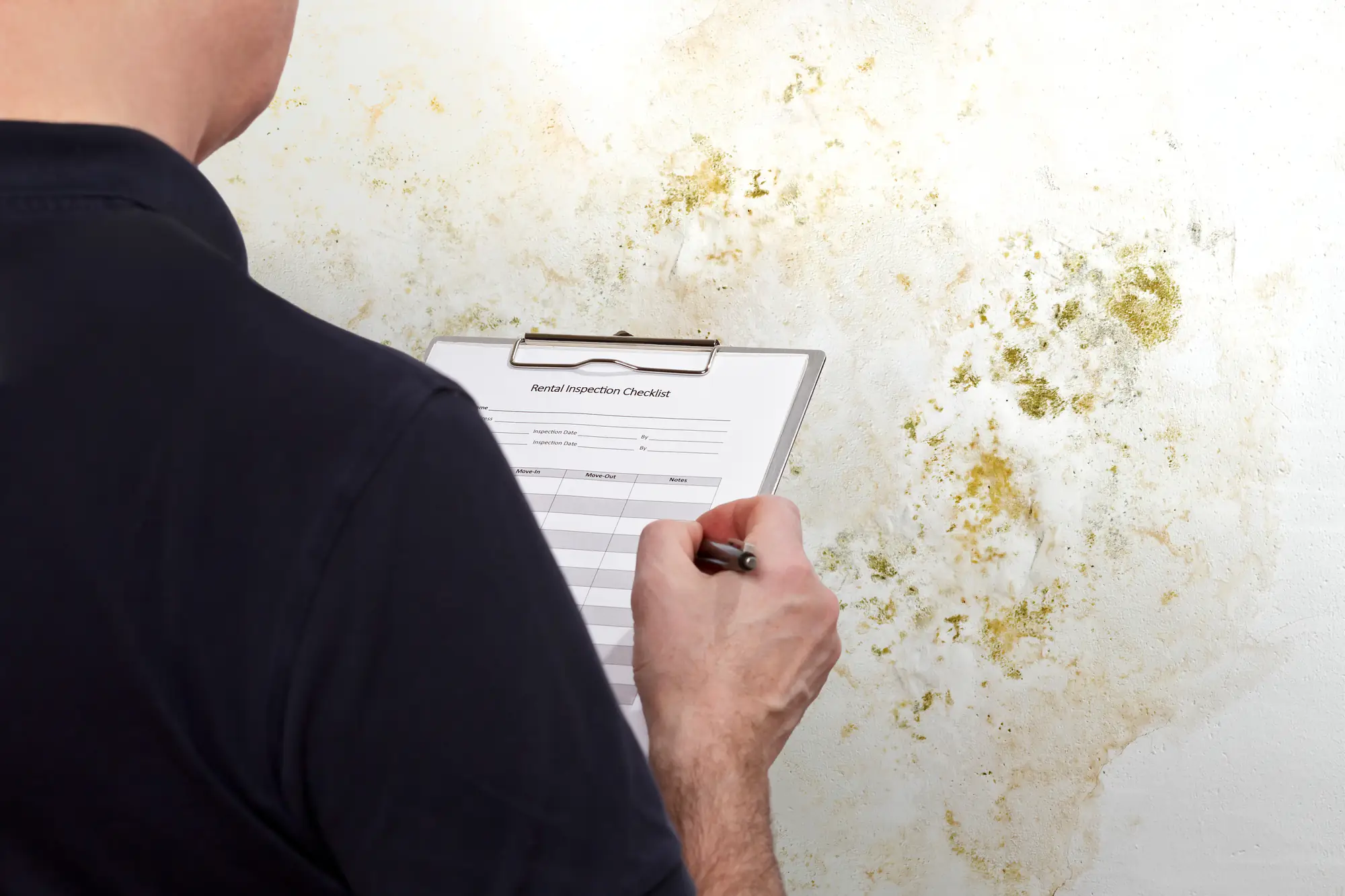
You get answers. Not guesses, not maybes—actual data about what’s growing in your home and where it’s coming from.
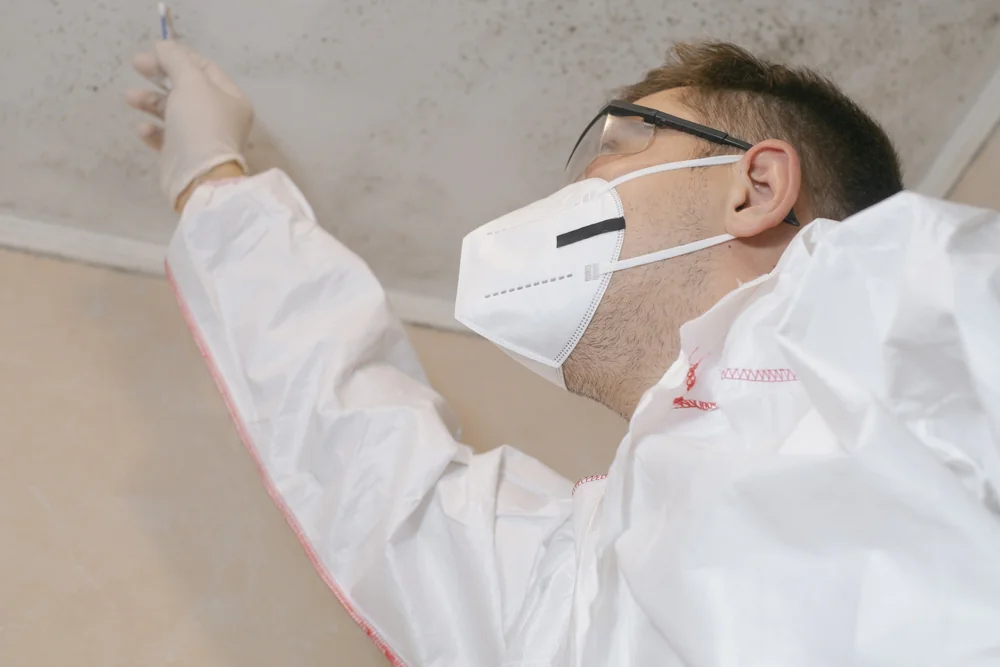
A proper mold inspection means someone walks through your property with moisture meters and thermal imaging, checking the places you can’t easily see. Behind walls. Under flooring. Inside HVAC systems. We take air samples, compare indoor levels to outdoor baselines, and send everything to an independent lab for analysis.
Within a week, you know exactly what you’re dealing with. Species. Concentration levels. Moisture sources. Whether you need remediation or just better ventilation. That clarity matters when you’re trying to protect your family’s health or decide whether to move forward with a real estate deal.
The cost of an inspection in Pennsylvania typically runs between $300 and $650. Compare that to remediation, which averages $3,000 to $10,000 for most homes—and can hit $30,000 in severe cases. Early detection isn’t just smart. It’s the difference between a manageable fix and a financial nightmare.
We’ve been serving Churchville and the surrounding Bucks County area long enough to know how local homes behave. We understand what Pennsylvania’s humid summers do to basements and crawl spaces. We’ve seen how older construction in this area traps moisture, and we know which building materials hold up and which ones don’t.
Our team uses certified inspection protocols and advanced equipment—not because it sounds impressive, but because it works. Moisture meters catch problems before they’re visible. Thermal imaging shows temperature differences that indicate hidden water intrusion. Air sampling gives you lab-confirmed data instead of visual guesses.
We’re not the cheapest option in Bucks County, and that’s intentional. You’re paying for accuracy, for equipment that actually detects problems, and for inspectors who know the difference between surface mold and a systemic issue. When the lab results come back, you’ll know exactly what’s happening in your home—and what it’s going to take to fix it.
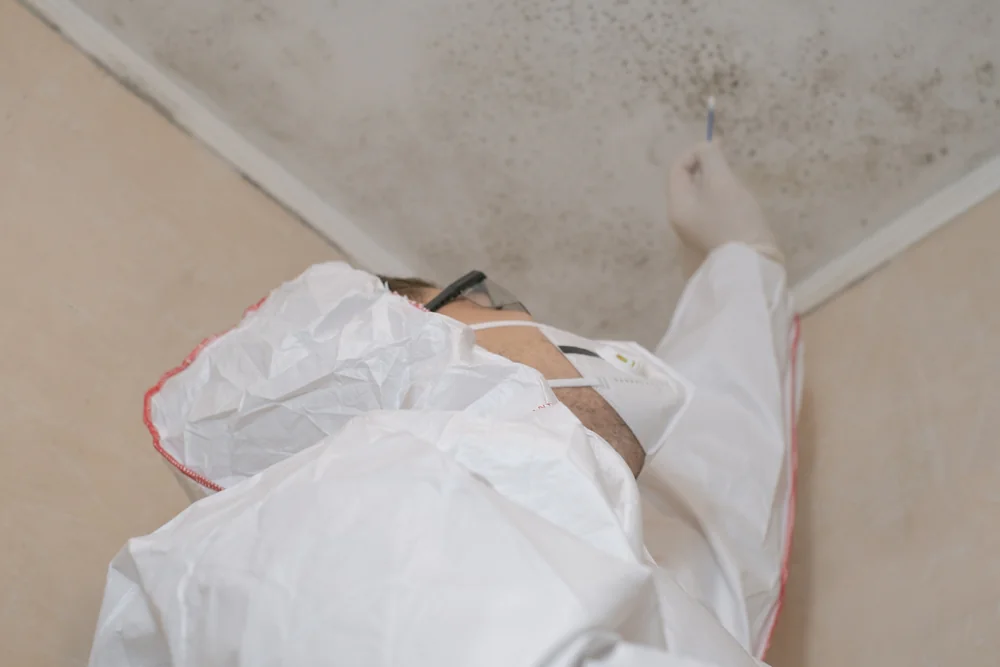
First, we walk through your property and talk about what you’ve noticed. Musty smells, water damage history, health symptoms—it all matters. Then we start the visual assessment, checking common problem areas like basements, bathrooms, attics, and crawl spaces, plus anywhere you’ve had leaks or flooding.
We use moisture meters on walls, ceilings, and floors to find elevated readings that indicate active water intrusion. Thermal imaging helps us spot temperature differences behind surfaces where moisture might be hiding. If we find visible growth or suspect hidden contamination, we take air samples from multiple rooms and send them to an independent laboratory for analysis.
The whole process takes two to three hours for most homes. You’ll get a detailed report within three to seven business days once the lab results come back. That report tells you what species of mold are present, the concentration levels, and where the moisture is coming from. More importantly, it tells you whether you need remediation or if the issue can be managed with better ventilation and humidity control.
If remediation is necessary, you’ll have documentation for insurance claims and a clear scope of work. If it’s not, you’ll have peace of mind and a plan to prevent future problems.

Ready to get started?
Every inspection includes a complete visual assessment of your property, moisture readings throughout the structure, and professional air sampling that compares your indoor air quality to outdoor baseline levels. We check the obvious spots and the ones most homeowners miss—inside HVAC ducts, behind appliances, in wall cavities near plumbing.
Churchville’s climate makes certain areas particularly vulnerable. Pennsylvania’s summer humidity regularly pushes indoor levels above 60%, especially in basements and crawl spaces where ventilation is limited. Older homes in Bucks County often have damp basements due to soil conditions and construction methods that weren’t designed for modern moisture control. We know where to look because we’ve seen the patterns.
You’ll receive a written report that breaks down our findings in plain language. Lab results identify specific mold species—because not all mold is the same, and knowing whether you’re dealing with Stachybotrys (black mold), Aspergillus, or Penicillium changes the conversation about health risks and remediation urgency. The report also includes photos, moisture readings, and recommendations for addressing any issues we find.
If your inspection is related to a recent water damage event, many insurance policies will cover the cost. We can provide the documentation your insurer needs to process claims and approve remediation if it’s necessary.
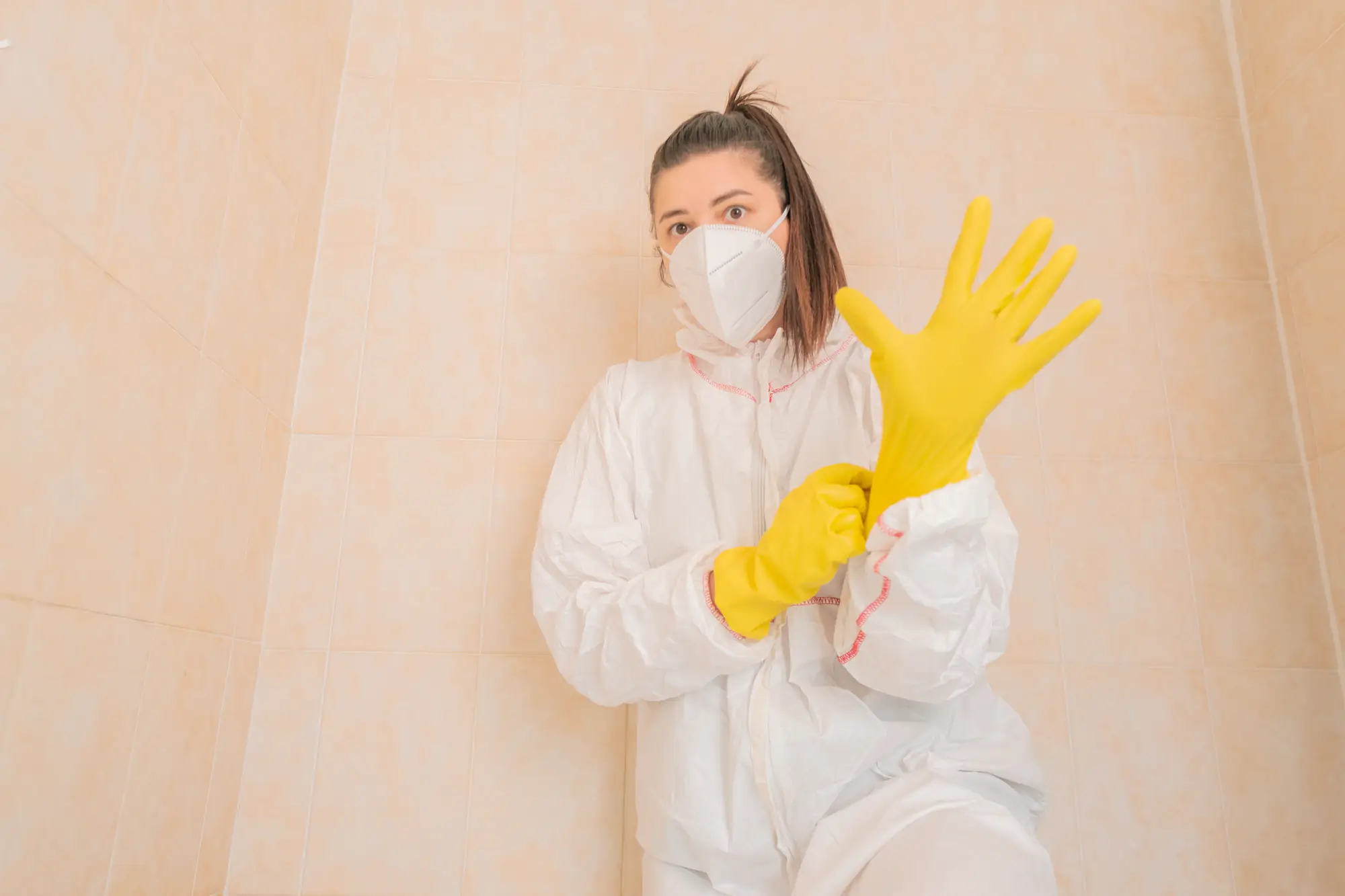
If you’re smelling something musty, seeing visible growth, or dealing with unexplained health symptoms like headaches, respiratory issues, or skin irritation, you probably need an inspection. Same goes if you’ve had any water damage—leaks, flooding, roof damage, plumbing failures—even if it was months ago.
Mold doesn’t always show up right away. It grows in hidden spaces where moisture lingers: behind drywall, under flooring, inside HVAC systems. By the time you see it or smell it, the problem is usually bigger than what’s visible. An inspection catches it early, before it spreads and before remediation costs spiral.
You should also get an inspection before buying a home, especially older properties in areas like Churchville where basements and crawl spaces are common. A few hundred dollars now can save you from inheriting a $10,000 remediation job or discovering that the home’s value has dropped 20% to 37% due to undisclosed mold damage.
An inspection is the full assessment—visual examination, moisture detection, air sampling, and lab analysis. Testing is just one piece of that process. You can’t test effectively without knowing where to sample, and you can’t interpret results without understanding the moisture sources and building conditions.
A proper inspection identifies where mold is growing, why it’s growing, and what species you’re dealing with. The testing component involves collecting air samples or surface samples and sending them to a certified laboratory. The lab identifies the mold species and measures spore concentrations, which tells you whether levels are elevated compared to outdoor air and whether the species present pose health risks.
Some companies offer “mold testing” as a standalone service, but without the full inspection context, the results don’t tell you much. You need to know where the moisture is coming from and what building materials are affected. That’s what turns test results into actionable information instead of just numbers on a page.
The on-site inspection takes two to three hours for most residential properties. Larger homes or commercial buildings take longer, but we’re thorough either way. We’re checking every area where moisture problems typically develop, taking moisture readings, collecting air samples, and documenting everything with photos.
Lab results come back within three to seven business days. The laboratory needs time to culture the samples and identify species under microscopy. Once we receive the results, we compile everything into a detailed report that explains what we found, what it means, and what you should do next.
If you’re on a tight timeline—maybe you’re in the middle of a real estate transaction or dealing with a health emergency—let us know upfront. We can sometimes expedite lab processing for an additional fee. But in most cases, waiting a few days for accurate results is better than rushing and missing something important.
It depends on your policy and what caused the potential mold problem. Many insurance policies cover mold inspections if they’re related to a sudden, accidental water damage event—like a burst pipe, roof leak during a storm, or appliance failure. If the inspection is tied to a covered claim, there’s a good chance your insurer will pay for it.
However, most policies exclude mold damage that results from long-term maintenance issues or gradual water intrusion. If your basement has been damp for years and you finally decide to get it checked, that’s probably not covered. Same with mold that develops because of poor ventilation or deferred maintenance.
The best approach is to call your insurance company before scheduling the inspection. Ask specifically whether mold inspections are covered under your policy and what documentation they need. We can provide detailed reports and photos that meet insurance requirements, but knowing your coverage upfront saves you from surprise bills later.
Home test kits can tell you that mold spores are present, but they can’t tell you much beyond that. Every home has some mold spores in the air—they’re everywhere outdoors, and they drift inside constantly. What matters is the concentration, the species, and whether levels are elevated compared to outdoor air. Home kits don’t give you that context.
Professional inspections use calibrated equipment to measure moisture levels in building materials, thermal imaging to detect hidden water intrusion, and controlled air sampling that captures a representative sample of your indoor air quality. The samples go to certified laboratories where technicians identify specific species and measure spore concentrations. That’s how you know whether you’re dealing with harmless environmental mold or something that requires remediation.
Home kits also can’t find hidden mold. They only test the air in one location at one moment in time. If you have mold growing behind a wall or under flooring, a test kit in the middle of your living room won’t detect it. We know where to look and how to confirm whether elevated moisture readings indicate active growth.
First, don’t panic. Finding mold during an inspection is better than finding it after it’s caused serious damage or health problems. The report will tell you what species are present, where the growth is located, and how severe the contamination is. Not all mold requires expensive remediation—sometimes better ventilation and humidity control are enough.
If remediation is necessary, you’ll have a clear scope of work based on lab results and moisture readings. You’ll know which areas need treatment, what caused the problem, and what it’s going to take to fix it properly. That documentation is critical for getting accurate quotes from remediation companies and for filing insurance claims if your policy covers the damage.
We can handle the remediation if you want to move forward with us, or you can take the report and get quotes from other companies. Either way, you’ll have professional documentation that shows exactly what needs to be done. The key is addressing the moisture source—not just cleaning up visible mold. If you don’t fix why it’s growing, it’ll come back.
Other Services we provide in Churchville