
Hear from Our Customers
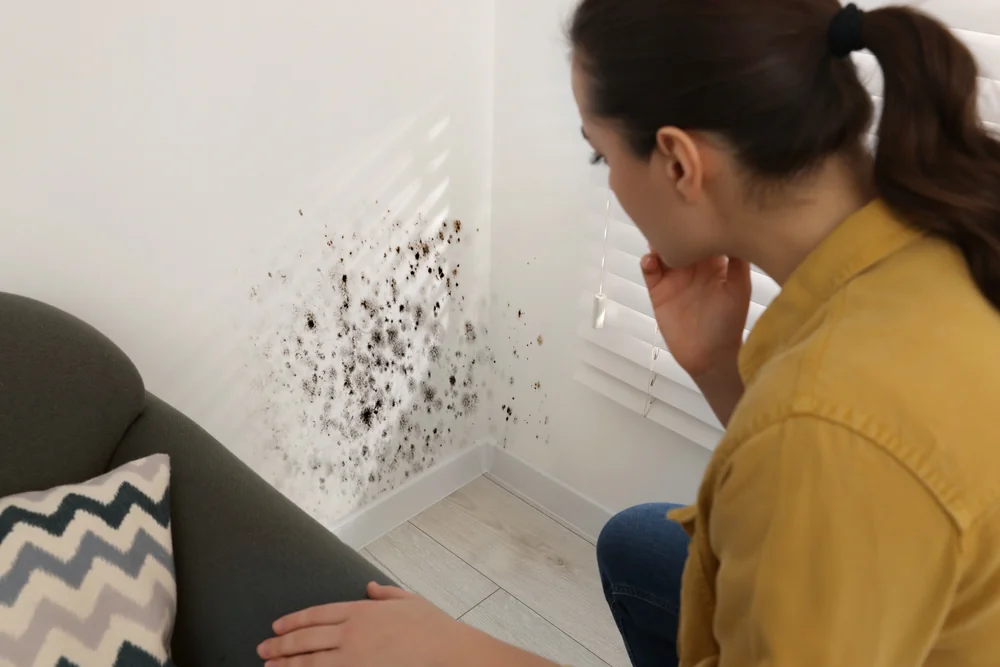
You can’t see mold spores. You can’t see VOCs or allergens floating through your rooms. But you can feel the effects—stuffy noses, scratchy throats, headaches that won’t quit, or asthma flare-ups that seem worse at home than anywhere else.
A professional air quality test gives you real data. Not guesses. Not assumptions based on a musty smell or a water stain. Actual lab results that tell you what’s in your air, how much of it there is, and whether it’s something you need to address.
That clarity matters when you’re trying to protect your family’s health or figure out if that basement moisture issue is affecting the air upstairs. It also matters when you’re selling a home, buying one, or dealing with an insurance claim. You need facts, and a home air quality test delivers them.
We serve Churchville and the wider Bucks County area with one focus: creating healthier homes. We’re not a national franchise following a script. We’re local, we know the housing stock here, and we understand what older homes in this area deal with—moisture issues, dated ventilation systems, and the kind of hidden problems that come with properties built in the ’60s and ’70s.
Our certified inspectors use calibrated equipment and third-party lab analysis to give you accurate results. We don’t upsell. We don’t exaggerate findings to scare you into unnecessary work. We test, we report, and we explain what the numbers mean in plain terms.
If remediation is needed, we handle that too. If it’s not, we’ll tell you. That’s how we’ve built our reputation in Churchville—by being straight with people.

We start with a free consultation at your property. You walk us through your concerns—maybe you’ve noticed condensation, a musty odor, or family members dealing with unexplained allergies. We listen, then we assess.
During the inspection, we use moisture meters, thermal imaging cameras, and laser particle counters to identify problem areas. We collect air samples from multiple locations in your home, including areas where you’ve noticed issues and areas that seem fine. This gives us a complete picture, not just a snapshot of one room.
Those samples go to an independent third-party lab for analysis. They test for mold spores, allergens, VOCs, particulate matter, and other common indoor pollutants. You get a detailed report that breaks down what was found, where, and at what concentration levels.
Then we review the results with you. We explain what the numbers mean, whether they’re within safe ranges, and what steps—if any—you should consider. No jargon. No pressure. Just clear information so you can make the right call for your home and your family.
Ready to get started?
Our residential air quality testing covers the pollutants that actually affect your health and your home. That includes mold spores—both the concentration in your air and the specific types present. Some molds are harmless. Others, like black mold, require immediate attention.
We also test for allergens like dust mites, pollen, and pet dander, which can accumulate in homes with poor ventilation. VOCs—volatile organic compounds from cleaning products, paints, or building materials—are another focus, especially in homes that have been recently renovated or have new flooring or cabinetry.
Particulate matter gets measured too. That’s the fine dust and debris that can irritate lungs and worsen respiratory conditions. In Churchville, where many homes were built before modern HVAC standards, poor air circulation can let these particles build up over time.
You’ll also get insights into humidity levels and potential moisture sources, which are often the root cause of mold growth and air quality problems. Knowing where moisture is coming from lets you fix the issue at the source, not just treat the symptoms.
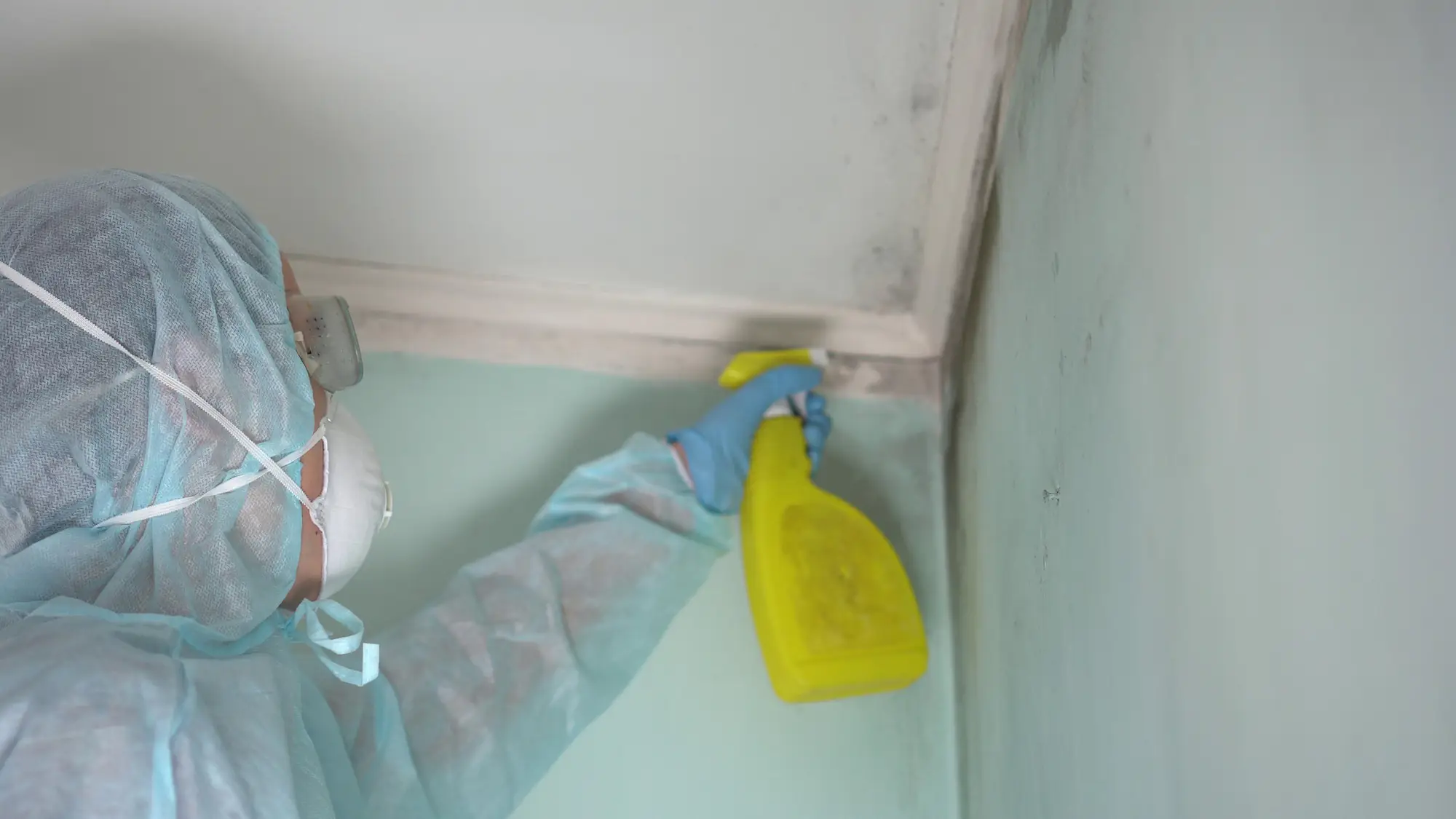
The actual testing process usually takes one to two hours, depending on the size of your home and how many areas we’re sampling. We’re not rushing through it—we’re collecting air samples from multiple rooms, using thermal imaging to check for hidden moisture, and documenting conditions that could affect your indoor air.
After we collect the samples, they go to a third-party lab for analysis. Lab results typically come back within three to five business days. Once we have the report, we’ll schedule a time to review the findings with you and answer any questions.
If you’re dealing with an urgent situation—like a recent flood or a family member with severe respiratory symptoms—let us know. We can prioritize lab processing and get you answers faster.
A mold air test specifically measures mold spore concentration and identifies the types of mold present in your air. It’s focused, and it’s useful if you suspect mold but can’t see visible growth or if you want to confirm that remediation work was successful.
A full indoor air quality test is broader. It includes mold testing but also checks for allergens, VOCs, particulate matter, and other pollutants that can affect your health. If you’re dealing with unexplained symptoms—allergies, headaches, respiratory issues—a comprehensive test gives you a complete picture of what’s in your air.
Most homeowners in Churchville opt for the full test, especially if they’re buying or selling a property, dealing with older HVAC systems, or have family members with asthma or allergies. It’s more information for not much more cost, and it helps you address the real problem instead of guessing.
No. Air quality testing is completely non-invasive. We collect air samples using specialized equipment that pulls air through a collection device. Nothing gets cut, drilled, or removed from your walls, floors, or ceilings.
We do use thermal imaging cameras to detect temperature differences that might indicate hidden moisture or poor insulation, but that’s a visual scan—no contact with your surfaces. If we use a moisture meter, it’s a surface reading or a pin-type meter that leaves tiny, barely visible marks that won’t damage drywall or wood.
The whole process is designed to give you answers without creating more problems. You won’t need to patch anything, repaint anything, or repair anything after we’re done. We’re there to test and document, not to tear into your home.
If anyone in your home is dealing with symptoms that get worse indoors—chronic congestion, coughing, itchy eyes, headaches, or asthma flare-ups—that’s a strong indicator. Indoor air quality problems don’t always announce themselves with visible mold or obvious odors. Sometimes the only sign is how you feel.
Other reasons to test: you’ve had water damage or flooding, even if it was cleaned up quickly. You’ve noticed condensation on windows, musty smells in certain rooms, or discoloration on walls or ceilings. You’re buying or selling a home and want documentation of air quality. Or your home was built before 1980 and you’ve never had the air tested.
In Churchville, where the median home was built in the ’60s or ’70s, many properties have outdated ventilation systems that don’t move air efficiently. That can lead to moisture buildup and poor indoor air quality over time, even in homes that look well-maintained. Testing gives you a baseline and lets you address issues before they become expensive problems.
You can, but the accuracy and usefulness of those kits vary widely. Most DIY kits test for a limited range of pollutants, and the lab analysis—if they even include one—isn’t always reliable. You might get results that say “mold detected” without telling you what kind, how much, or whether it’s actually a problem.
Professional air quality testing uses calibrated equipment and independent, accredited labs. We collect samples from multiple locations, control for variables, and provide detailed reports that break down specific mold types, spore counts, and concentration levels. That level of detail matters when you’re trying to decide whether you need remediation or if you’re dealing with an insurance claim.
DIY kits can give you a rough idea, but if you’re serious about understanding what’s in your air and making informed decisions, professional testing is worth the investment. You’re not just paying for the test—you’re paying for accurate results and expert interpretation of what those results mean for your home.
We sit down with you—either in person or over the phone—and walk through the report. We explain what was found, what the numbers mean, and whether any levels are outside the safe range. If the results show elevated mold spores, VOCs, or allergens, we’ll talk about the likely sources and what steps you can take to address them.
Sometimes the fix is simple—better ventilation, a dehumidifier, or sealing a small leak. Other times, you might need mold remediation, duct cleaning, or HVAC improvements. We’ll give you our recommendations based on the findings, but the decision is yours. We’re not here to push services you don’t need.
If remediation is necessary, we handle that too. We’ll provide a clear estimate, explain the process, and work with your insurance company if you’re filing a claim. And after the work is done, we can retest to confirm that the air quality issue has been resolved. You’ll have documentation showing that your home is safe and healthy again.
Other Services we provide in Churchville