

Hear from Our Customers
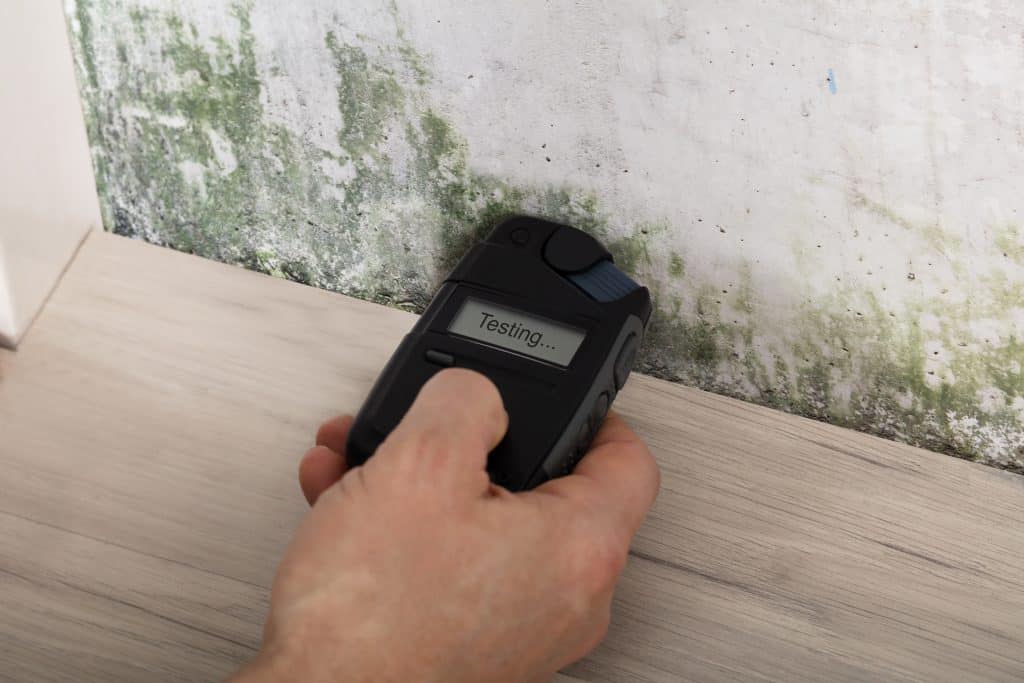
Mold doesn’t just sit there. It spreads through walls, into HVAC systems, and releases spores that make breathing harder every day you wait.
You’re dealing with something that can trigger asthma attacks, cause respiratory problems, and damage the structure of your home. In Bucks County, where the median home was built in 1974 and most properties date back decades, older construction means more hidden moisture issues and more places for mold to grow undetected.
Professional mold removal means finding every source, removing contaminated materials safely, treating affected areas with the right equipment, and confirming the air is clean before we’re done. You’re not guessing if it worked. You know your family can breathe easier, your home stops deteriorating, and the problem doesn’t come back next season because we eliminated what caused it in the first place.
We work with homeowners throughout Churchville and the surrounding Bucks County area. We’re local, we’re certified, and we respond fast when you call 215-431-4744.
Churchville has a 77.8% homeownership rate, well above the national average. That means most people here aren’t renting—they’re invested in protecting what they own. We get that, and we treat your property accordingly.
Every job we complete comes with a 5-year mold-free warranty. We’re not a franchise following a script. We show up, do the work right, and stand behind it long after we leave.

First, we inspect your property to locate visible mold and identify moisture sources. That includes checking behind walls, under flooring, in crawl spaces, and anywhere water or humidity has created conditions for growth.
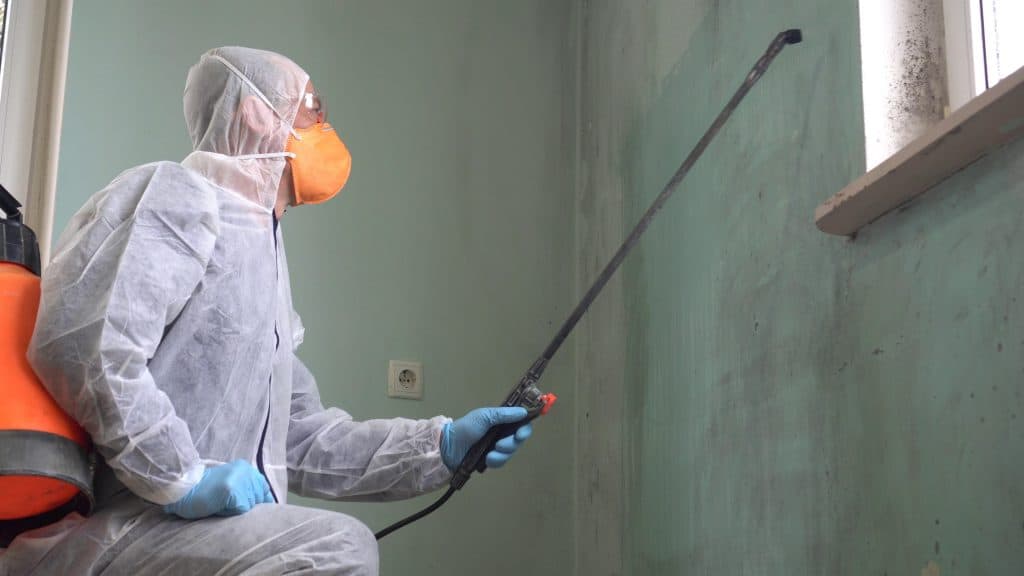
Next, we contain the affected area to prevent spores from spreading during removal. We use professional-grade equipment to remove contaminated materials, treat surfaces, and eliminate mold at the source—not just what you can see on the surface.
After removal, we clean the air using HEPA filtration and verify that spore counts are back to safe levels. Then we address the moisture problem that caused it, whether that’s a leak, poor ventilation, or drainage issue. If the root cause isn’t fixed, mold comes back. We make sure it doesn’t.
You’ll know exactly what we found, what we removed, and what we did to prevent it from returning. No surprises, no upselling, no wondering if the job was done right.
Ready to get started?
You get a full inspection that identifies the type of mold, the extent of contamination, and the moisture source feeding it. In Churchville, where homes have a median age of 50 years, older plumbing, roofing, and foundation systems often contribute to hidden water intrusion that homeowners don’t notice until mold appears.
We handle black mold removal, which requires extra precautions due to toxicity. Stachybotrys, the technical name for black mold, releases mycotoxins that are dangerous to inhale. We follow EPA and IICRC guidelines to remove it safely, using containment barriers, protective equipment, and proper disposal methods.
Our mold cleaning services also include treating porous materials like drywall or insulation that can’t be salvaged, cleaning non-porous surfaces, and applying antimicrobial treatments to prevent regrowth. We work with your insurance company if the damage is covered, and we document everything for your claim.
Every job ends with air quality testing and a 5-year warranty. If mold comes back in the treated area within five years, we come back and fix it at no charge.
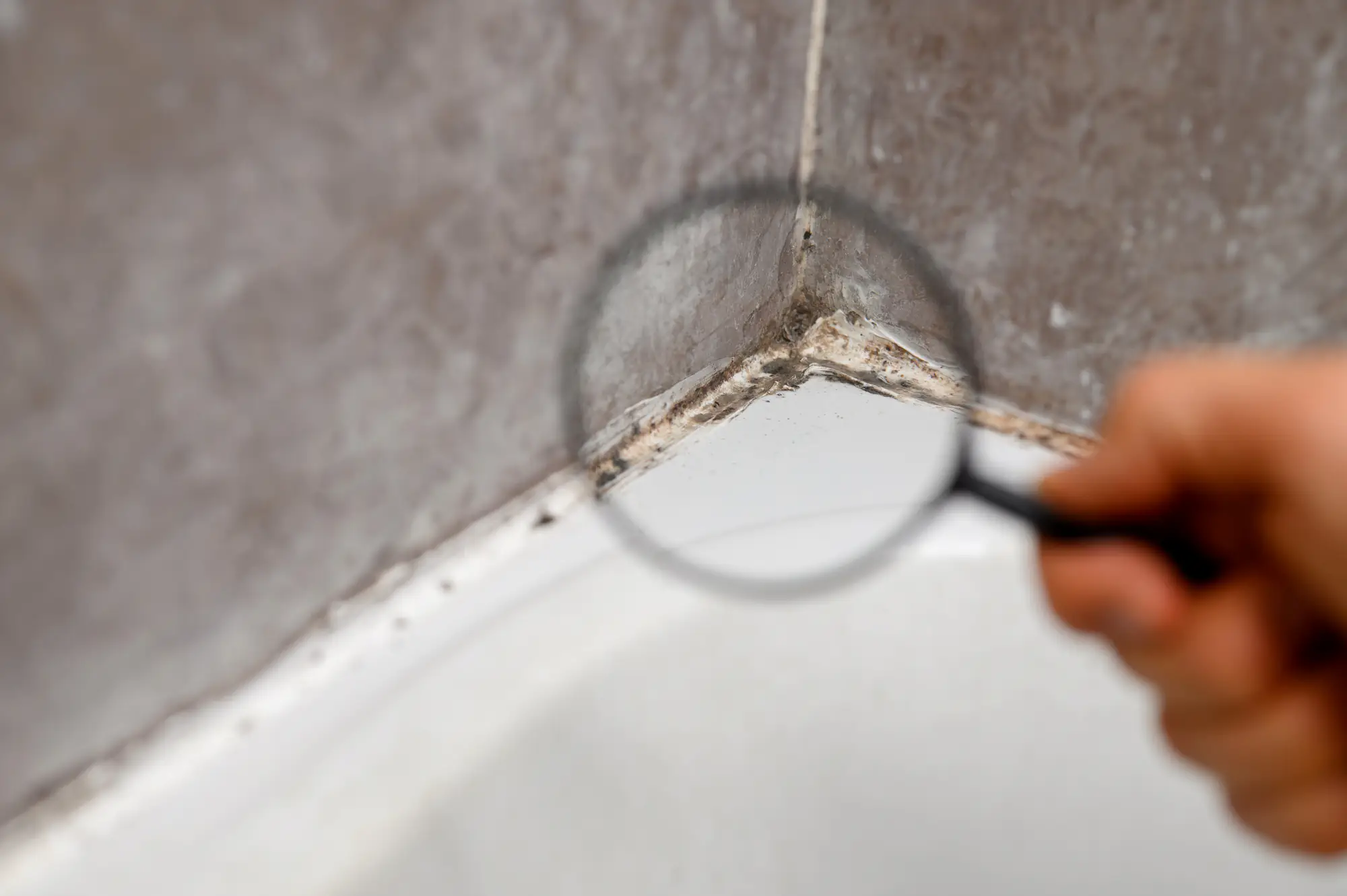
If you see visible mold growth larger than a few square feet, smell a persistent musty odor, or have ongoing moisture problems like leaks or condensation, you need professional help. DIY cleaning works for small surface spots on non-porous materials like tile, but it doesn’t address mold inside walls, under flooring, or in HVAC systems.
Professional mold removal is necessary when mold has spread beyond the surface, when you’re dealing with black mold or toxic varieties, or when the source of moisture isn’t obvious. About 40% of homes in America have some kind of mold problem, and in Pennsylvania, the combination of humidity, older housing stock, and temperature fluctuations creates ideal conditions for growth.
If anyone in your home has respiratory symptoms that improve when they leave the house, that’s a strong indicator that mold is affecting your indoor air quality. Testing and professional inspection will tell you exactly what you’re dealing with and whether removal is necessary or if you can handle it yourself.
Most residential mold removal jobs take between one and five days, depending on the size of the affected area and how far the contamination has spread. A single bathroom with surface mold might take a day. An entire basement with mold behind drywall and in floor joists could take a week.
The timeline includes inspection, containment setup, removal of contaminated materials, treatment and cleaning, air filtration, and final testing. We don’t rush the process because cutting corners means mold comes back. Each step has to be done correctly or the whole job fails.
In Churchville, where many homes were built in the 1970s and earlier, we often find mold in multiple areas once we start looking—especially in basements, crawl spaces, and around old plumbing. Older homes weren’t built with the same moisture barriers and ventilation standards as newer construction, so problems tend to be more extensive. We’ll give you an accurate timeline after the initial inspection, and we’ll keep you updated if we find additional issues that need attention.
It depends on what caused the mold. Most homeowners insurance policies cover mold removal if it resulted from a covered peril like a burst pipe, storm damage, or appliance malfunction. They typically won’t cover mold caused by long-term neglect, poor maintenance, or gradual leaks you didn’t address.
The key is proving the mold came from a sudden, accidental event. If your washing machine hose burst and caused water damage that led to mold, that’s usually covered. If your roof has been leaking for two years and you never fixed it, that’s not.
We work directly with insurance companies and help document the damage for your claim. That includes photos, moisture readings, scope of work, and detailed reports that show what caused the mold and what’s required to remove it properly. We’ve handled hundreds of insurance claims in Bucks County, and we know what adjusters need to see. Call your insurance company first to file a claim, then call us at 215-431-4744 so we can inspect the damage and provide documentation that supports your claim.
Mold removal means physically taking out mold growth and contaminated materials. Mold remediation means bringing mold levels back to normal, natural levels—because mold spores exist everywhere, and you can’t eliminate them completely from any environment.
Professional mold remediation includes removal, but it also addresses the conditions that allowed mold to grow in the first place. That means fixing leaks, improving ventilation, controlling humidity, and treating surfaces to prevent regrowth. Removal without remediation is why DIY attempts fail and mold comes back within months.
True remediation follows IICRC S520 standards, which outline proper containment, removal, cleaning, and verification procedures. It’s not just spraying bleach on visible mold and calling it done. It’s identifying the moisture source, removing affected materials safely, cleaning the air with HEPA filtration, and confirming through testing that spore counts are back to safe levels. That’s what we do, and that’s why we can offer a 5-year warranty on our work.
It depends on the size and location of the mold problem. For small, contained areas like a bathroom or closet, you can usually stay in your home as long as we’ve sealed off the work area properly. For larger jobs involving multiple rooms, HVAC contamination, or toxic black mold, it’s safer to stay elsewhere during active removal.
We use containment barriers and negative air pressure to prevent spores from spreading to other parts of your home, but if you have asthma, allergies, or respiratory conditions, even minimal exposure during the removal process can trigger symptoms. Young children and elderly family members are also more vulnerable.
We’ll be straight with you during the inspection about whether staying is safe or if you should plan to be out for a few days. Most of our Churchville clients with small to moderate mold problems stay in their homes without issue. For extensive contamination, especially in basements or HVAC systems where spores can circulate, we recommend temporary relocation until the air has been cleaned and tested. Your health matters more than convenience.
Control moisture. That’s it. Mold needs water to grow, so if you eliminate excess moisture, mold can’t survive.
Fix leaks immediately—roof leaks, plumbing leaks, foundation cracks that let water in. Use exhaust fans in bathrooms and kitchens to vent humidity outside, not into your attic. Keep indoor humidity below 50% using dehumidifiers if necessary, especially in basements. Clean gutters and downspouts so water drains away from your foundation instead of pooling against it.
In Bucks County, where around 45 million homes and buildings lack sufficient ventilation, heating, or insulation, many mold problems stem from poor airflow and trapped moisture in older homes. If your home was built before modern building codes addressed moisture control, you’re at higher risk. Improving ventilation, insulating cold surfaces that cause condensation, and addressing drainage issues around your property will do more to prevent mold than any chemical treatment.
We identify these issues during remediation and give you specific recommendations based on what we found in your home. Our 5-year warranty covers the areas we treated, but it also depends on you maintaining the conditions that keep mold from returning. We’ll tell you exactly what to watch for and what to fix so you’re not dealing with this again.
Other Services we provide in Churchville