
Hear from Our Customers
You shouldn’t have to guess whether that musty smell is a problem. Or wonder if last year’s leak left something behind in the walls.
A proper mold inspection gives you answers. You’ll know if there’s mold, where it is, what type it is, and how serious the situation actually is. That clarity matters when you’re trying to protect your family’s health or avoid a five-figure remediation bill down the road.
Wrightstown homes deal with Pennsylvania’s wet climate year-round—snow, rain, humidity. That moisture finds its way into basements, crawl spaces, and attics. Mold follows. The sooner you catch it, the less damage it does to your home and your wallet.
We’re based right here in Bucks County. We’ve worked in enough Wrightstown homes to know what basements look like after a hard winter, what older construction tends to hide, and where moisture problems show up first.
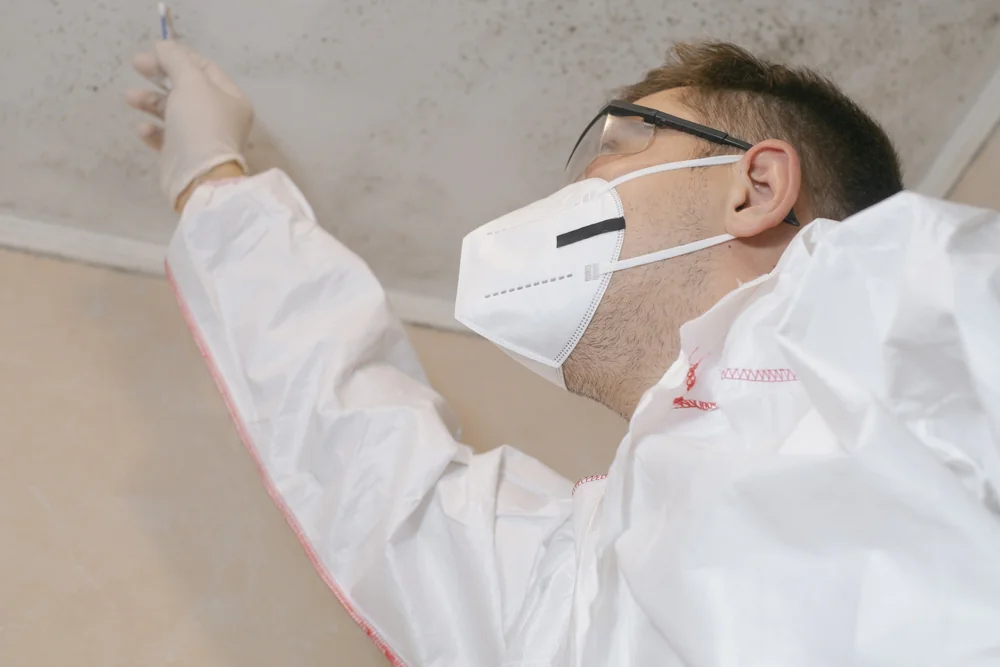
We’re not a franchise following a script. We’re a locally owned team that shows up, does the work right, and gives you straight answers. You’ll get a thorough inspection using professional-grade equipment—moisture meters, thermal imaging, air sampling—and a report that actually makes sense.
If there’s a problem, we’ll tell you what it is and what it takes to fix it. If there isn’t, we’ll tell you that too.
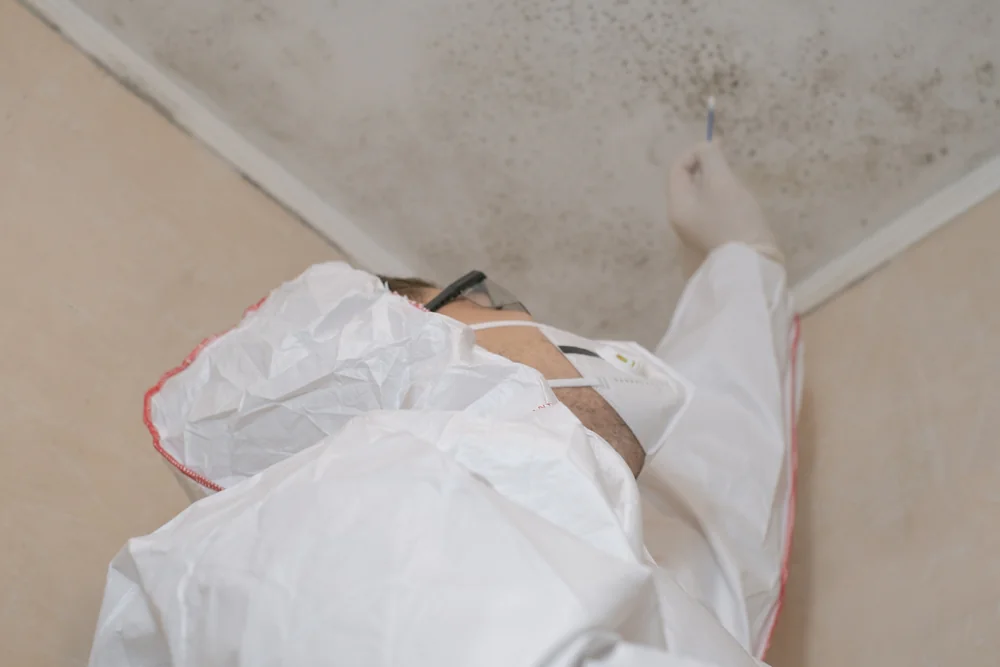
We start with a visual assessment of your property—inside and out. That means checking basements, crawl spaces, attics, HVAC systems, and anywhere moisture tends to collect. We’re looking for visible mold, water stains, condensation, and structural issues that create the conditions mold loves.
Next, we use moisture meters and thermal imaging to find hidden problems. Mold grows behind walls, under floors, and in spaces you can’t see. Our equipment picks up temperature differences and moisture levels that indicate trouble before it becomes visible.
If we find something, we take air samples and surface samples. Those get sent to a lab for analysis. You’ll get a detailed report that identifies the type of mold, the concentration levels, and whether it’s a health risk. We also explain what caused it—whether it’s a leaky pipe, poor ventilation, or something else—so you can address the root problem, not just the symptoms.

Ready to get started?
You get a complete property assessment using professional detection tools. We inspect all the high-risk areas—basements, bathrooms, kitchens, attics, crawl spaces, and HVAC systems. We measure moisture levels, check for ventilation issues, and identify any water damage or leaks feeding the problem.
Air quality testing is part of the process. We collect samples from different areas of your home to measure mold spore concentration. Surface samples get taken from any visible growth or suspicious areas. All samples go to a certified lab for analysis.
Wrightstown’s older homes—many built decades ago—often have materials that degrade over time, creating perfect conditions for mold. Basements with stone foundations, older HVAC systems, and insufficient insulation are common culprits. We know what to look for because we’ve seen it before.
You’ll receive a written report with lab results, photos, moisture readings, and our recommendations. If remediation is needed, we’ll explain the scope of work and give you a clear estimate. If it’s a minor issue you can handle yourself, we’ll tell you that too.
Most mold inspections in Wrightstown run between $300 and $700, depending on the size of your home and how many samples we need to collect. A standard inspection for a single-family home with two air samples and a visual assessment typically falls around $650.
If your home is larger, has multiple levels, or requires additional testing in specific areas like a finished basement or attic, the cost goes up. More samples mean more lab work, which adds to the price. But you’re paying for accuracy—knowing exactly what you’re dealing with is worth more than guessing and hoping for the best.
Some companies offer free inspections, but they’re usually tied to remediation services. That creates a conflict of interest. We charge for inspections because our job is to give you honest results, not upsell you on work you might not need.
Musty odors are the most obvious sign. If your basement, bathroom, or any room smells like mildew, there’s likely mold growing somewhere. You might not see it, but your nose doesn’t lie.
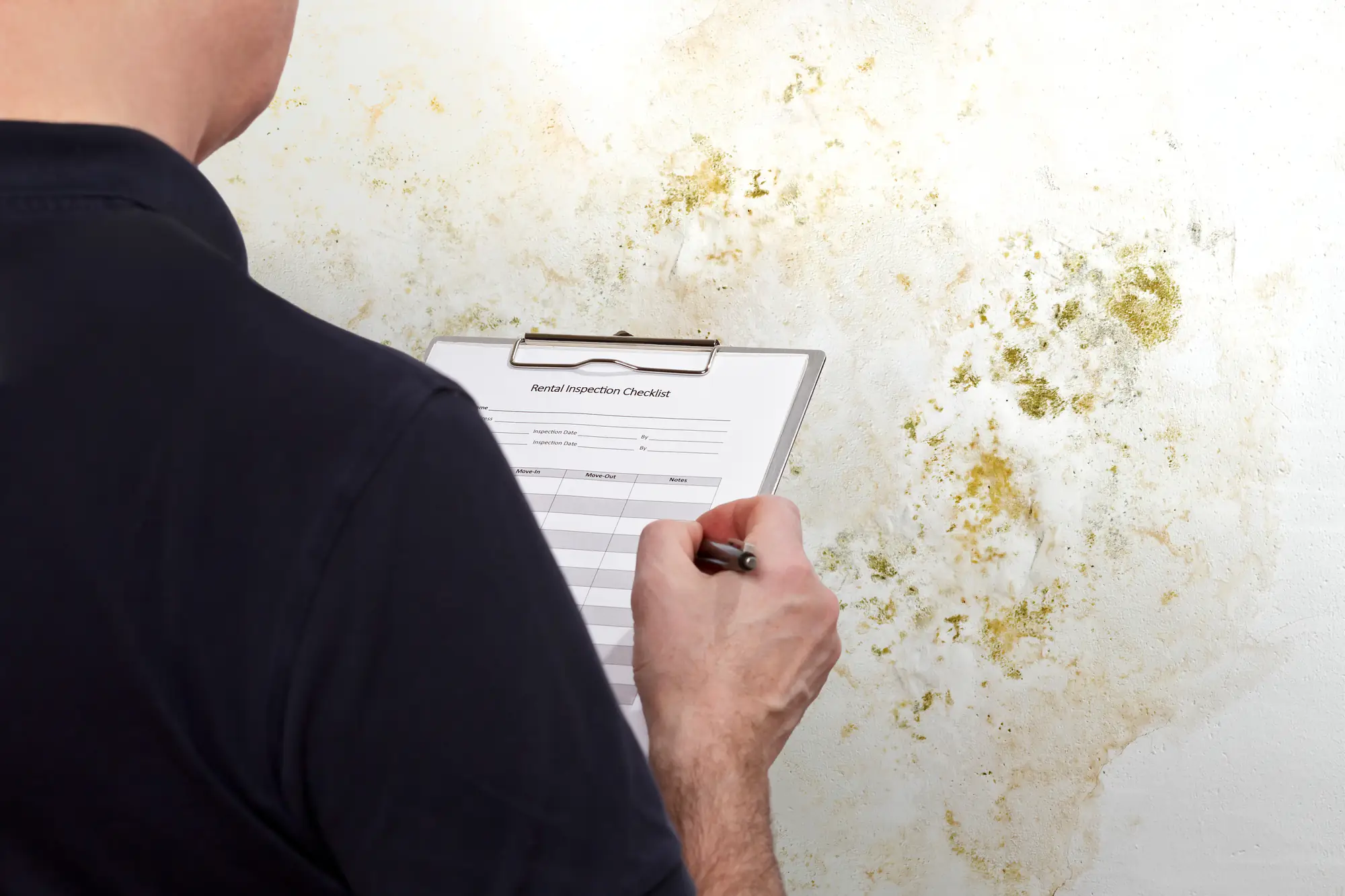
Visible mold is another clear indicator—black spots on walls, fuzzy growth on wood, discoloration around windows or pipes. Water damage is a red flag too. If you’ve had a leak, flooding, or even persistent condensation, mold is probably growing in places you can’t see.
Health symptoms matter. If you or your family are dealing with unexplained respiratory issues, headaches, or allergy-like symptoms that get worse at home, mold could be the cause. Wrightstown’s humid climate makes this more common than you’d think, especially in older homes with poor ventilation.
Most inspections take between one and three hours, depending on the size of your home and how many areas we need to check. A smaller home with no obvious issues might take an hour. A larger property with a basement, attic, and multiple bathrooms could take closer to three.
We’re not rushing through it. We’re checking every high-risk area, taking moisture readings, collecting samples, and documenting everything. If we find something, we spend extra time figuring out the source and extent of the problem.
Lab results usually come back within a few days. Once we have them, we’ll walk you through the findings and explain what they mean. If you need remediation, we’ll give you a timeline and estimate. If you don’t, you’ll have peace of mind and documentation proving your home is clean.
DIY mold test kits exist, but they’re not reliable. They can tell you if mold spores are present—which they are in every home—but they can’t tell you the type, concentration, or whether it’s actually a problem. You’re basically paying $10 to $40 for information that doesn’t help you make a decision.
Professional mold detection uses calibrated equipment and lab analysis. We measure moisture levels, identify hidden growth with thermal imaging, and collect samples that get analyzed by certified labs. That tells you exactly what you’re dealing with and whether it’s a health risk.
If you’re buying or selling a home in Wrightstown, a professional inspection is essential. Buyers want documentation, and sellers need to know what they’re disclosing. DIY kits don’t hold up in real estate transactions or insurance claims. A professional report does.
Mold inspection is the diagnostic phase. We find the mold, identify it, measure the extent of contamination, and figure out what’s causing it. You get a report with lab results and recommendations. That’s it—no removal, no cleanup.
Mold remediation is the fix. That’s when we actually remove the mold, repair the damage, and address the moisture problem causing it. Remediation can cost anywhere from $1,500 to $20,000 depending on how bad it is and where it’s located.
You need an inspection first to know if remediation is even necessary. Sometimes what looks like mold is just dirt or mildew that wipes off. Other times, it’s a serious problem that requires containment, removal, and reconstruction. The inspection tells you which one you’re dealing with so you’re not overpaying for work you don’t need.
It depends on what caused the mold. If it’s from a sudden, accidental event—like a burst pipe or storm damage—most Pennsylvania homeowners policies will cover remediation. But if it’s from long-term neglect, poor maintenance, or gradual water damage, they probably won’t.
Insurance companies want documentation. A professional mold inspection report with lab results and photos strengthens your claim. It shows the extent of the damage and proves the timeline. Without it, you’re fighting an uphill battle.
Mold inspection itself usually isn’t covered, but it’s a small cost compared to remediation. Spending $650 on an inspection now could save you thousands if it helps your insurance claim go through. And if your claim gets denied, at least you’ll know exactly what you’re dealing with and what it’ll cost to fix out of pocket.
Other Services we provide in Wrightstown