
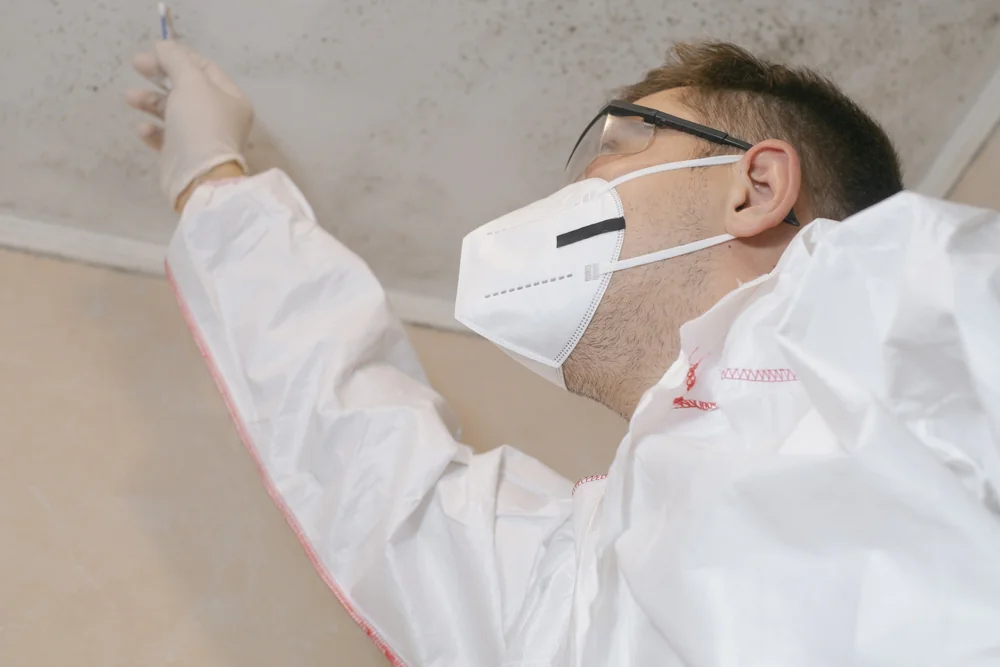
Hear from Our Customers
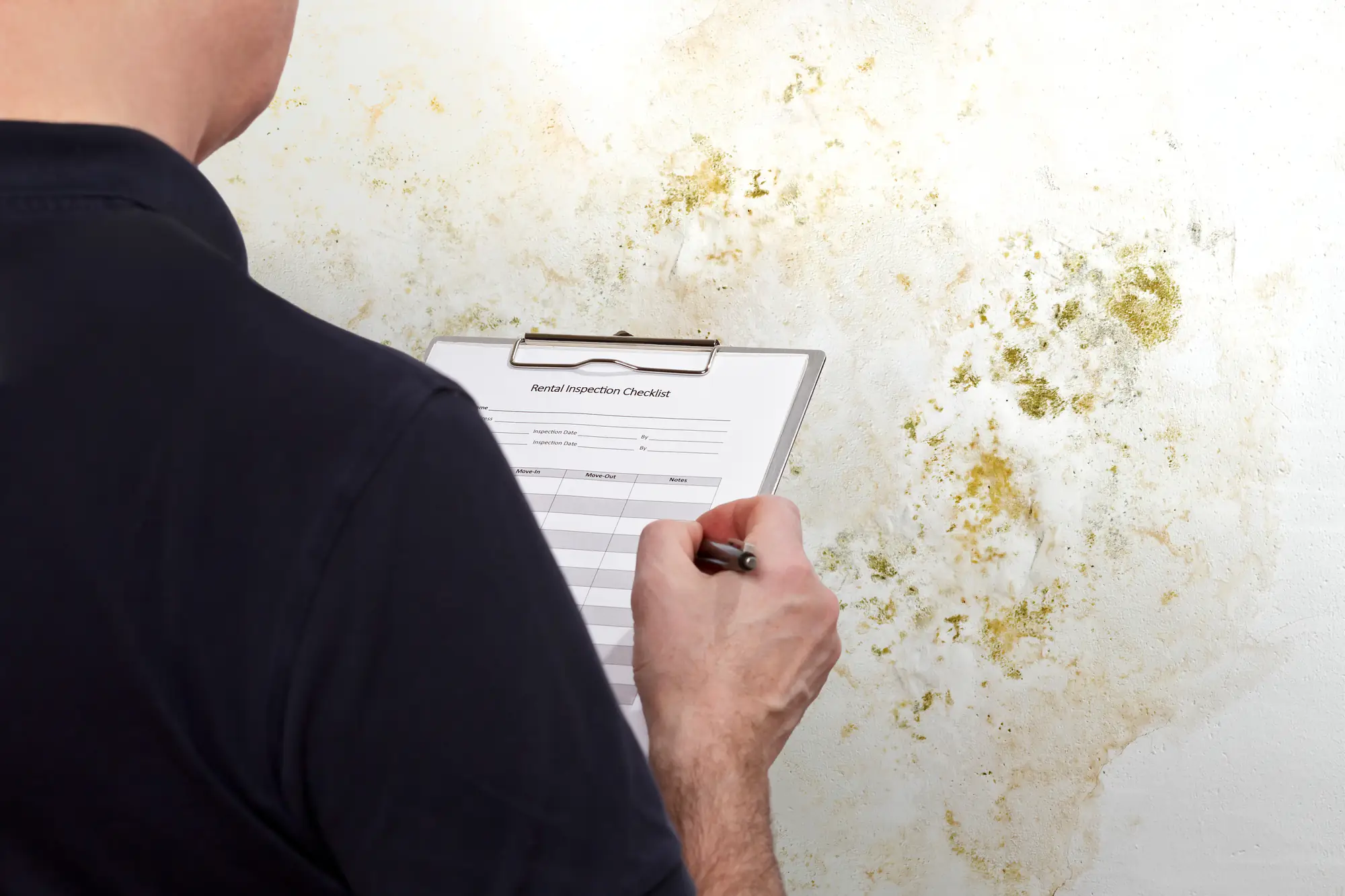
Most people call us because they smell something musty, saw a dark spot spreading, or got hit with a water leak and want to know if mold started growing. You’re not overreacting. Mold can start within 24 to 48 hours after water exposure, and by the time you see it, there’s usually more hiding.
A proper home mold inspection tells you where the problem is, how bad it’s gotten, and what it’ll actually take to fix it. No guessing. No unnecessary work. Just a detailed report that shows you what’s growing, where moisture is coming from, and what needs to happen next.
That means you can make decisions based on facts instead of fear. Whether you’re buying a home in Bucks County, dealing with a basement that never quite dries out, or trying to figure out why your kids keep coughing, you’ll know what you’re up against. And if there’s no mold? You’ll have documentation proving it.
We serve homeowners and businesses throughout Irish Meeting House and the surrounding Bucks County area. We understand how Pennsylvania’s humid summers and damp winters create perfect conditions for mold growth, especially in older basements and poorly ventilated attics common in this region.
Here’s what matters: we’re not trying to upsell you on remediation while we’re inspecting your property. Our job is to give you an honest assessment. We use thermal imaging, moisture meters, and air quality testing to find problems you can’t see. Then we hand you a report that explains what’s actually there.
You’ll work with inspectors who’ve seen this before in homes just like yours. We know the difference between surface mold you can wipe down and contamination that needs professional removal.
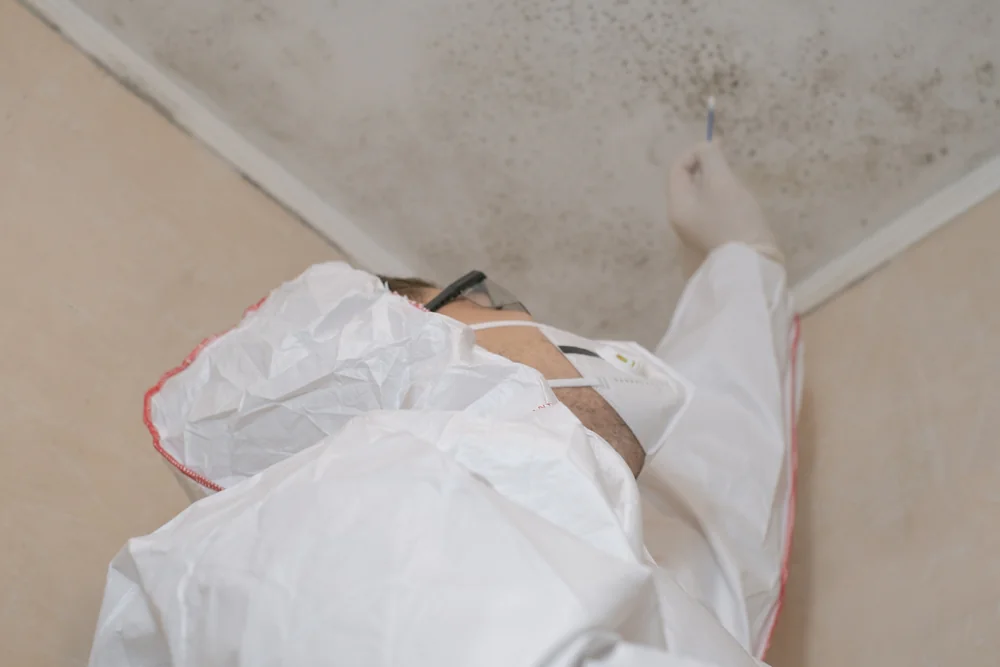
First, we talk. You’ll tell us what you’ve noticed—the smell, the stain, the leak, whatever brought you here. That conversation helps us know where to look and what equipment to bring.
Then we inspect your property room by room. We’re checking obvious spots like bathrooms and basements, but also places most people don’t think about: behind appliances, inside HVAC systems, under flooring, in attic insulation. We use moisture meters to find dampness inside walls and thermal imaging to spot temperature differences that signal hidden water problems.
If we find visible growth or high moisture levels, we’ll take air samples and surface samples. Those go to a lab for analysis so you know exactly what type of mold you’re dealing with. Within a few days, you’ll get a full report breaking down our findings, lab results, and specific recommendations for remediation if needed.
No pressure. No scare tactics. Just clear information about what’s in your home and what your options are. If you need remediation, we can handle that too—but the inspection itself is completely separate from any removal work.

Ready to get started?
Every black mold inspection includes a visual assessment of your entire property, moisture mapping with professional-grade meters, thermal imaging to detect hidden water intrusion, and air quality testing when needed. You’re not paying for someone to glance around and give you their gut feeling.
In Irish Meeting House and throughout Bucks County, we see the same patterns: finished basements that trap moisture, attics with poor ventilation, and crawl spaces that stay damp year-round. Pennsylvania’s climate doesn’t help. When summer humidity sits above 60% for weeks and your home’s older building materials hold moisture, mold finds a way in.
That’s why our inspections focus on the source, not just the symptoms. We’re looking at your drainage, your ventilation, your insulation—anything that’s creating conditions for mold growth. The report you receive will include photos, lab results if we took samples, moisture readings from different areas, and a clear explanation of what needs to be fixed.
If you’re buying or selling a home, this documentation matters. Buyers want proof there’s no hidden contamination. Sellers want to disclose problems correctly so deals don’t fall apart at closing. Either way, you’ll have what you need to move forward.
Most mold inspections in the Irish Meeting House area run between $300 and $600, depending on your property size and how many samples we need to collect. That’s a small investment compared to what you’d pay if mold spreads unchecked—remediation can easily hit five figures.
The inspection cost usually covers the visual assessment, moisture testing, and a basic air quality test. If we need to take multiple samples from different areas or send materials to a lab for species identification, that can add to the total. We’ll tell you upfront what’s included and what additional testing might cost before we start.
Think of it this way: spending a few hundred dollars now tells you whether you’re looking at a $500 cleanup or a $15,000 remediation project. Most people who skip the inspection end up paying more in the long run because they either ignore a problem that gets worse or hire someone who does unnecessary work.
Plan on two to three hours for a thorough inspection of an average-sized home. We’re not rushing through this. Larger properties or homes with multiple problem areas can take longer.
During that time, we’re checking every room, crawling into attics and basements, using thermal imaging on walls, and taking moisture readings throughout the property. If we find areas of concern, we’ll spend extra time documenting them and collecting samples. You’re welcome to follow along and ask questions, or you can leave and we’ll call you when we’re done.
After the inspection, lab results typically come back within three to five business days. Once we have those, we’ll put together your full report with photos, findings, and recommendations. Some companies give you a verbal summary on the spot, but we’d rather wait for lab confirmation before telling you what type of mold you’re dealing with and how serious it is.
Mold inspection is the full process—visual assessment, moisture detection, thermal imaging, and identifying problem areas. Mold testing specifically refers to collecting air or surface samples and sending them to a lab for analysis.
You don’t always need testing. If we find visible mold growth, we already know you have a problem that needs remediation. Testing becomes important when you smell mold but can’t find it, when you’re experiencing health symptoms but don’t see growth, or when you need documentation for a real estate transaction or insurance claim.
Testing tells you what species of mold is present and how concentrated the spore levels are compared to outdoor air. That information helps determine the scope of remediation and whether the contamination is localized or widespread. In Irish Meeting House, we often recommend testing in older homes where mold could be hiding behind finished walls or under flooring that hasn’t been replaced in decades.
You can check for visible mold and obvious moisture problems on your own, but you’ll miss what’s hidden. Most serious mold growth happens inside walls, under flooring, in HVAC ducts, and in attics where you’re not looking regularly.
Professional mold detection uses equipment you don’t have at home. Thermal imaging cameras show temperature differences that indicate moisture behind drywall. Moisture meters measure humidity levels inside building materials without tearing them apart. Air sampling pumps collect spores at specific rates so lab analysis is accurate.
DIY mold test kits you buy at hardware stores aren’t reliable. They’ll tell you that mold spores exist in your home, which is true for literally every home—but they won’t tell you if you have a contamination problem or just normal background levels. If you’re serious about finding out whether you have mold and where it’s coming from, hire someone with the right tools and training.
First, don’t panic. Finding mold during an inspection is better than discovering it after it’s caused structural damage or made someone sick. Once we confirm you have growth, you’ll get a detailed report explaining where it is, what type it is, and what’s causing the moisture that’s feeding it.
From there, you have options. Small areas of surface mold—less than 10 square feet—can sometimes be cleaned by a homeowner if it’s non-toxic species on hard surfaces. Anything larger, anything inside walls or HVAC systems, or any black mold should be handled by professionals with proper containment and removal protocols.
We’ll walk you through what remediation involves, what it typically costs for situations like yours, and how to prevent it from coming back. If the moisture source is a leaky pipe, poor drainage, or inadequate ventilation, fixing that is just as important as removing the mold itself. Our report will address both the immediate contamination and the underlying cause so you’re not dealing with this again in six months.
Yes, especially in Bucks County where older homes, high humidity, and finished basements create perfect conditions for hidden mold growth. A standard home inspection doesn’t include mold testing, and inspectors often aren’t allowed to move belongings or remove panels to check behind walls.
Mold is one of the most common deal-breakers in this area. If you buy a home without checking and discover contamination after closing, you’re stuck paying for remediation—and depending on the severity, that can run anywhere from a few thousand to over $20,000. Sellers in Pennsylvania are required to disclose known mold problems, but they can’t disclose what they don’t know about.
Getting a mold inspection before you close gives you leverage. If we find contamination, you can negotiate for the seller to handle remediation, ask for a credit off the purchase price, or walk away if the problem is too extensive. It also gives you peace of mind that you’re not moving your family into a home with air quality issues that could trigger asthma or allergic reactions.
Other Services we provide in Irish Meeting House