
Mold Inspection in Siles, PA

Find the Mold Before It Finds Your Wallet

You’re dealing with a musty smell, unexplained allergies, or visible growth. We’ll tell you exactly what’s happening in your home and what it’ll take to fix it.
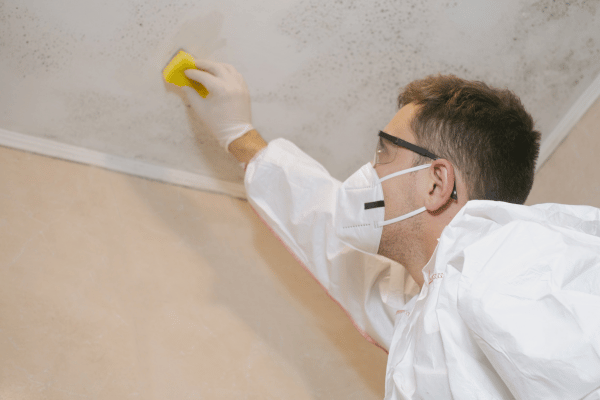
Protective worker in safety suit inspecting or treating mold spots on an indoor ceiling, addressing moisture damage and potential mold growth inside a building.

Hear from Our Customers

Home Mold Inspection Services

Know What You're Dealing With, Not Guessing

Mold doesn’t announce itself until it’s already a problem. That weird smell in your basement isn’t just unpleasant—it’s costing you money and potentially affecting your family’s health every day you ignore it.

A proper mold inspection gives you the full picture. You’ll know if that discoloration is surface-level or if there’s hidden growth behind your walls. You’ll understand whether your indoor air quality is actually safe or if spore levels are elevated enough to cause respiratory issues.

Most importantly, you’ll know the source. Mold is a symptom, not the disease. If moisture is seeping in through your foundation, condensing in your attic, or pooling under your bathroom floor, treating the visible mold without addressing the cause is like mopping up water while the faucet’s still running.

Pennsylvania’s humid summers push indoor humidity past 60% regularly. Your AC runs constantly, your ducts collect moisture, and your basement stays damp. These aren’t just comfort issues—they’re conditions that let mold thrive. An inspection catches problems early, before you’re looking at structural damage or a five-figure remediation bill.

Mold Detection Company in Siles

We've Been Doing This in Bucks County Long Enough

We’ve been handling mold problems across Bucks County for years. We’re not a national franchise that showed up last month. We know how Pennsylvania homes are built, where moisture tends to hide, and what problems show up in basements, crawl spaces, and attics around here.

When you call us, you’re getting someone who’s seen hundreds of homes in this area. We know the difference between a minor issue and a red flag. We’re not here to upsell you on services you don’t need, and we’re not going to downplay something that actually requires attention.

You’ll get a detailed report that explains what we found, where the moisture is coming from, and what your options are. No jargon. No pressure. Just clear information so you can make the right call for your home and your budget.

Protective worker collecting a mold sample from a stained indoor ceiling using a swab, inspecting moisture damage and potential mold growth inside a building.

Our Mold Detection Process

Here's Exactly What Happens When We Show Up

We start with a visual inspection of your entire property. That means checking every corner where mold tends to grow—basements, bathrooms, attics, crawl spaces, around windows, near HVAC systems. We’re looking for visible growth, water stains, discoloration, and any signs of moisture intrusion.

Next, we use moisture meters to measure humidity levels in your walls, floors, and ceilings. High moisture readings tell us where problems are developing even if you can’t see them yet. This step catches issues before they become visible, which is when you save the most money.

If we find visible mold or elevated moisture, we’ll take air samples and surface samples. These get sent to an EPA-certified lab for analysis. Lab results tell us exactly what type of mold you’re dealing with, how concentrated the spore levels are, and whether it’s something that requires immediate attention or just routine cleaning.

Once we have the results, we walk you through everything. You’ll understand what’s growing, why it’s growing, and what needs to happen next. If remediation is necessary, we’ll explain the scope and cost. If it’s something you can handle yourself, we’ll tell you that too.

Home interior with mold remediation in progress as a worker sprays treatment on a wall using a ladder, while a resident relaxes on a covered sofa in a renovated living room.

Ready to get started?

Explore More Services

About Mack's Mold Removal

Black Mold Inspection Services

What You Actually Get During an Inspection

You’re not just paying for someone to walk through your house and say “yep, that’s mold.” You’re getting a full assessment of your indoor air quality, moisture levels, and any active or potential mold growth.

We check visible areas and hidden spaces. That includes behind appliances, inside ductwork, under sinks, in wall cavities where plumbing runs, and anywhere else moisture can accumulate without you noticing. In Siles and the surrounding Bucks County area, we see a lot of attic mold from poor ventilation and basement issues from groundwater seepage. Both are common in older Pennsylvania homes, and both get worse if you don’t catch them early.

Air sampling measures spore concentration throughout your home. Surface testing confirms what’s growing on walls, ceilings, or floors. Moisture mapping identifies where water is entering or accumulating. All of this gets compiled into a written report with photos, lab results, and our recommendations.

If your home is part of a real estate transaction, we can coordinate with agents, inspectors, and buyers to make sure everyone has the information they need. If you’re dealing with a known water damage event—like a burst pipe or roof leak—we’ll assess whether mold has started growing and how far it’s spread.

How much does a mold inspection cost in Siles, PA?

Most mold inspections in Pennsylvania run between $300 and $1,000, with the average landing around $650. The final cost depends on the size of your home, how many samples we need to take, and whether lab testing is required.

If you’ve got visible mold in one bathroom, that’s a simpler job than testing a 3,000-square-foot home with moisture issues in multiple areas. More square footage means more time, more testing locations, and more lab work.

Some companies offer free inspections, but those are usually tied to remediation services. If they’re doing the inspection for free, they’re making money on the cleanup—which can create a conflict of interest. We charge for inspections because it keeps the process objective. You get honest findings, not a sales pitch.

If you’re smelling something musty, seeing discoloration on walls or ceilings, or dealing with unexplained allergy symptoms that get worse at home, you probably need an inspection. Same goes if you’ve had any water damage—leaks, floods, burst pipes—even if it was months ago.

Mold doesn’t need much to grow. 24 to 48 hours of moisture is enough. If your basement floods every spring, your bathroom exhaust fan doesn’t work, or your attic insulation feels damp, those are all conditions that support mold growth.

You should also get an inspection if you’re buying a home, especially an older one. Pennsylvania homes built before modern moisture barriers were standard often have hidden mold issues that don’t show up in a basic home inspection. Spending a few hundred dollars now can save you from discovering a $10,000 problem after closing.

Mold inspection is the full process—visual assessment, moisture readings, identifying problem areas, and determining whether testing is necessary. Mold testing specifically refers to collecting air or surface samples and sending them to a lab for analysis.

Not every inspection requires testing. If we find visible mold and the source is obvious—like a leaking pipe under your sink—you don’t need a lab to tell you what to do. You need to fix the leak and clean up the mold.

Testing makes sense when you’re dealing with hidden growth, when someone in your home has health symptoms but you can’t find visible mold, or when you need documentation for a real estate transaction or insurance claim. Lab results tell you what species of mold is present and how concentrated the spore levels are, which helps determine the right remediation approach.

You can buy a mold test kit at a hardware store for $10 to $50, but it’s not going to give you useful information. Those kits detect mold spores in the air, which sounds helpful until you realize that mold spores are everywhere. Every home has some level of spores floating around. The question isn’t whether they’re present—it’s whether the concentration is high enough to be a problem.

DIY kits also don’t tell you where the mold is growing or what’s causing it. You might get a result that says “elevated spore count,” but then what? You still don’t know if it’s in your walls, your ductwork, or your crawl space. And you don’t know if it’s toxic black mold or just the harmless stuff that grows on shower grout.

A professional inspection includes moisture mapping, visual assessment of hidden areas, and lab-quality testing if needed. You’re not just finding out if mold exists—you’re finding out where it is, why it’s there, and what it’ll take to fix it.

Most inspections take two to three hours, depending on the size of your home and how many areas we need to check. A small condo with one problem area might take an hour. A larger home with a basement, attic, and multiple bathrooms could take closer to four hours.

We’re not rushing through it. We’re checking every space where mold tends to grow, taking moisture readings, and documenting everything with photos. If we need to take samples, that adds time—but it’s necessary to get accurate results.

Lab results usually come back within three to five business days. Once we have them, we’ll schedule a follow-up call or meeting to go over the findings and discuss next steps. If you need a report for a real estate transaction, we can prioritize the turnaround to meet your closing timeline.

If we find mold, we’ll tell you what type it is, where it’s growing, and what’s causing it. Then we’ll explain your options. Small areas of surface mold—like what you’d see on bathroom caulking—can often be cleaned with the right products and better ventilation. You don’t need a remediation crew for that.

Larger infestations, hidden growth inside walls, or toxic mold species like Stachybotrys require professional remediation. We’ll give you a scope of work and a cost estimate so you know what you’re looking at. If the source is a plumbing leak, roof damage, or foundation issue, we’ll identify that too—because fixing the mold without fixing the moisture source means it’s just going to come back.

You’re not locked into using us for remediation. The inspection report is yours, and you can take it to any contractor you want. Our job is to give you accurate information so you can make the right decision for your home.

Other Services we provide in Siles