
Hear from Our Customers
You stop worrying about what’s growing behind your walls. The musty smell disappears. Your family isn’t dealing with constant headaches, coughing, or that scratchy throat that won’t quit.
Mold doesn’t just look bad—it causes real health problems. In Pennsylvania alone, over 111,000 homes dealt with mold in the past year. If you’ve got young kids, elderly parents, or anyone with asthma in the house, you already know how fast symptoms can show up.
Getting it removed the right way means you’re not just covering up the problem. You’re eliminating the spores, treating the source, and making sure it doesn’t come back in six weeks. That’s the difference between a band-aid and an actual fix.
Your home value stays protected too. Unaddressed mold can drop your property value by 10 to 25 percent. Black mold? Even worse—up to 30 percent. Spending a few thousand now beats losing tens of thousands later.
We’ve been handling mold problems across Bucks County for years. We’ve seen it all—leaky basements in older Flushing homes, attic mold from poor ventilation, crawlspace issues that went unnoticed for months.
We’re not the cheapest option, and that’s intentional. You’re paying for certified technicians who use EPA-approved methods, not someone with a spray bottle hoping for the best. We do free inspections because we want you to know exactly what you’re dealing with before spending a dime.
Flushing homeowners deal with specific challenges—aging pipes, humid summers, basements that flood during heavy rain. We’ve handled all of it, and we know how to fix it right the first time.
First, we come out and do a full inspection at no cost. We’re looking for visible mold, but also checking areas you can’t see—behind walls, under flooring, in your HVAC system. We use moisture meters and thermal imaging to find hidden problems.
Once we know what we’re dealing with, you get a detailed estimate. No surprises, no upselling. Just a clear breakdown of what needs to happen and what it’ll cost.
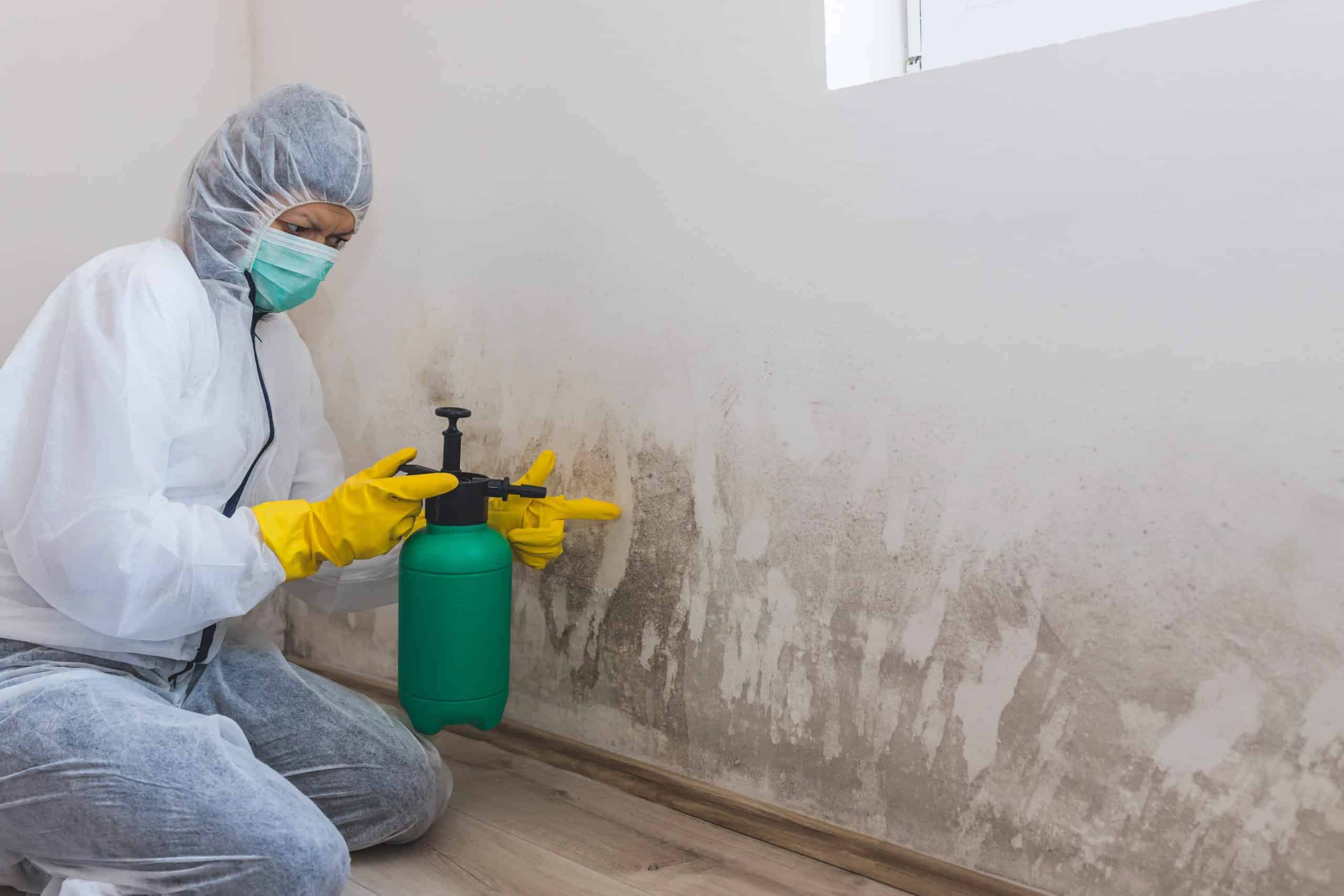
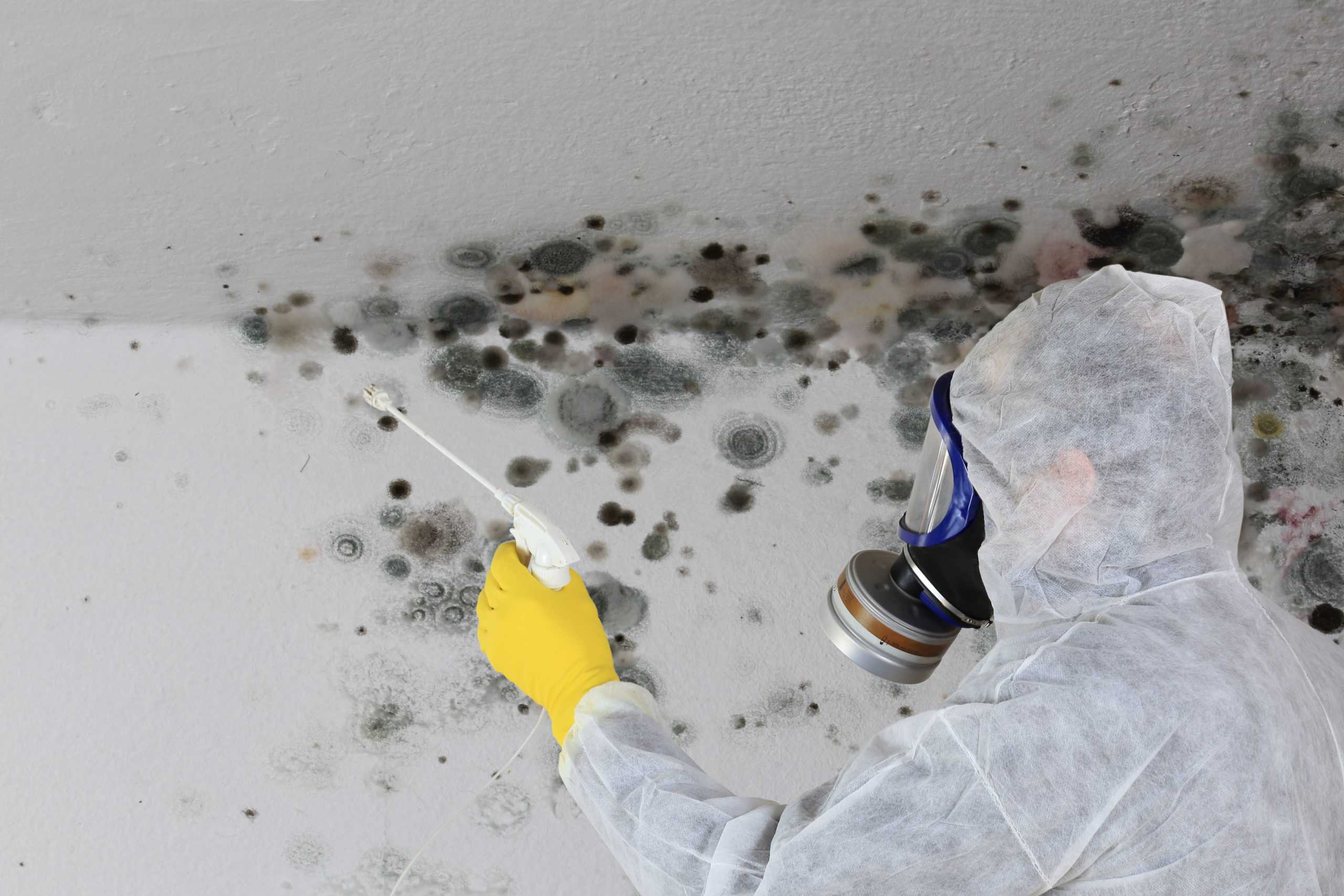
During removal, we contain the area to prevent spores from spreading to clean parts of your home. We use HEPA filtration and negative air pressure—the same methods used in commercial remediation. Everything contaminated gets removed safely, and affected surfaces are treated with antimicrobial solutions.
Then we fix the root cause. If it’s a leaky pipe, poor ventilation, or a drainage issue, we address it. Otherwise, you’re just waiting for mold to come back. After cleanup, we can handle any repairs or reconstruction needed to get your space back to normal.
You’ll know the job is done right because we do post-remediation testing. That confirms the mold is gone and your air quality is back where it should be.
Ready to get started?
You get a certified mold inspection using advanced detection technology. We’re not just eyeballing it—we’re testing air quality and moisture levels to find problems you didn’t know existed.
Removal includes full containment, HEPA air scrubbing, safe disposal of contaminated materials, and antimicrobial treatment of all affected areas. If it’s black mold, we follow strict protocols to keep everyone safe during the process.
Bucks County homes, especially older ones in Flushing, often have mold in basements and crawlspaces. We handle those spaces differently than living areas because the conditions and risks are different. Basements here tend to have moisture issues from groundwater and old foundation cracks. We treat the mold and help you understand what needs to happen to keep it from returning.
We also work directly with your insurance company if your policy covers mold remediation. Most policies cap mold coverage at $5,000 to $10,000, but we’ll help you navigate the claims process and maximize what’s available.
After the mold is gone, we offer reconstruction and remodeling services. That means you’re not hiring three different companies to finish the job. We take it from start to finish.
Most homeowners in Bucks County pay between $1,400 and $3,300 for professional mold remediation, with the average around $2,300. That’s not a guess—it’s based on real project costs in Pennsylvania.
The range depends on how much mold you have, where it’s located, and what caused it. A small patch of mold in a bathroom costs a lot less than black mold spread across a basement or attic. If we need to remove drywall, flooring, or insulation, that adds to the total.
Here’s the thing: spending $2,000 to $5,000 now often prevents a $30,000 to $50,000 loss in home value. Mold doesn’t get better on its own. It spreads, and the longer it sits, the more damage it causes and the more expensive removal becomes.
We give you a detailed estimate after the free inspection. No hidden fees, no surprises. You’ll know exactly what you’re paying for before we start any work.
If it’s a tiny spot—less than 10 square feet—and it’s not black mold, you might be able to handle it yourself with the right safety gear and cleaning products. Anything bigger than that, or anything involving black mold, needs professional help.
Here’s why: disturbing mold releases thousands of spores into the air. Just three to five spores can trigger allergic reactions in sensitive people. If you’re scrubbing mold without proper containment, you’re spreading it to other parts of your home.
Black mold is especially dangerous. It produces mycotoxins that cause serious respiratory problems, neurological issues, and immune system damage. DIY removal puts you at risk for direct exposure, and if you don’t get all of it, it comes back within weeks.
We use containment barriers, HEPA filtration, and negative air pressure to keep spores from spreading. We also have the equipment to find hidden mold you can’t see. Most importantly, we treat the source of the moisture problem so it doesn’t just grow back.
Most residential mold removal projects take two to five days from start to finish. Smaller jobs—like a bathroom or single room—might be done in a day or two. Larger projects involving basements, attics, or multiple rooms can take a week or more.
The timeline depends on the size of the affected area, the type of mold, and how much material needs to be removed. If we’re tearing out drywall, insulation, or flooring, that adds time. Post-remediation testing and any reconstruction work extend the timeline further.
We also need time for proper drying. Even after mold is removed, affected areas need to be completely dry before we seal or rebuild. Rushing this step is how mold comes back. We use dehumidifiers and air movers to speed up drying without cutting corners.
You’ll have access to most of your home during the process. We contain the work area to keep the rest of your house livable. For bigger jobs, you might need to stay elsewhere for a few days, but we’ll let you know upfront if that’s necessary.
Mold comes back because the moisture problem wasn’t fixed. Mold needs three things to grow: moisture, oxygen, and organic material (like wood or drywall). You can’t eliminate oxygen or organic materials from your home, so controlling moisture is the only real solution.
Common moisture sources in Flushing homes include leaky pipes, foundation cracks, poor ventilation, roof leaks, and high humidity. If you remove mold but don’t fix the leak or improve airflow, you’re just buying time until it grows back.
This is why cheap mold removal fails. Someone comes in, sprays bleach, and calls it done. The mold dies temporarily, but the spores are still there, and as soon as moisture returns, they start growing again. Usually within six weeks.
We address the root cause. We find where the moisture is coming from, fix it, and treat the area to prevent regrowth. That might mean repairing a pipe, improving basement drainage, adding ventilation, or installing a dehumidifier. Without that step, you’re wasting money.
It depends on what caused the mold. Most homeowners insurance policies in Pennsylvania cover mold removal if it resulted from a “covered peril”—like a burst pipe, storm damage, or appliance malfunction. If mold developed because of long-term neglect, poor maintenance, or flooding, insurance usually won’t pay.
Even when mold is covered, most policies cap the payout at $5,000 to $10,000. That might not cover a large remediation project, especially if reconstruction is needed. Some insurers exclude mold coverage entirely unless you purchase a separate rider.
The key is acting fast. Insurance companies want to see that you addressed water damage immediately. If you wait weeks or months, they’ll argue the mold resulted from neglect, not the original incident.
We work directly with insurance companies to help you navigate the claims process. We document everything, provide detailed estimates, and communicate with adjusters so you’re not stuck playing middleman. We also offer financing options if your insurance doesn’t cover the full cost.
The most obvious sign is visible mold—black, green, or white patches on walls, ceilings, or floors. But plenty of mold grows where you can’t see it: inside walls, under flooring, in crawlspaces, or in your HVAC system.
Smell is another indicator. That musty, earthy odor is a telltale sign of hidden mold. If one room smells off and you can’t figure out why, there’s probably mold somewhere nearby.
Health symptoms are a big clue too. If people in your home are dealing with constant coughing, sneezing, headaches, itchy eyes, or respiratory issues that improve when they leave the house, mold could be the cause. Pennsylvania has high mold susceptibility, and Bucks County’s older homes are especially prone to hidden growth.
Water damage is the final red flag. If you’ve had a leak, flood, or even persistent condensation, mold likely started growing within 48 hours. Even if you don’t see it yet, it’s probably there.
The only way to know for sure is a professional inspection. We use moisture meters, thermal imaging, and air quality testing to find mold you can’t see. The inspection is free, and it gives you a clear answer about what you’re dealing with.
Other Services we provide in Flushing